The Trump administration last week rescinded a Obama-era rule that asked HUD recipients to measure and consider fixes to racial segregation in their communities.
President Donald Trump then followed up the decision with a tweet that critics say was an explicit appeal to white, suburban voters.
"His tweet was aimed at a strategy of appealing to racial resentment and really people's worst ideas about how our communities should be structured," David Sanchez, director of research and development for the National Community Stabilization Trust, told Cheddar. "Attitudes like that are a big reason why we have such severe segregation by race, class, and opportunity in this country, and unfortunately the president is trying to use those fears to benefit himself politically."
The loss of the rule itself has gotten less attention, in part due to its low profile as more of a regulatory tweak than an aggressive federal policy.
The Affirmatively Furthering Fair Housing Rule that Trump's HUD eliminated asked municipalities and housing authorities to account for racial bias in their communities by writing a report and issuing recommendations, but it did not force municipalities to address segregation directly.
"It was about gathering data," Sanchez said. "It was about getting people talking about segregation. But it wasn't about forcing communities to do anything."
In the long-term, though, he added that cutting the rule will only contribute to the ongoing economic divide between the suburbs and cities.
"It's going to continue to concentrate economic resources, social privilege in certain people who can afford to live in high-opportunity communities," Sanchez said. "In the same way the COVID crisis has supercharged inequality in this country, this is just another step in that direction."
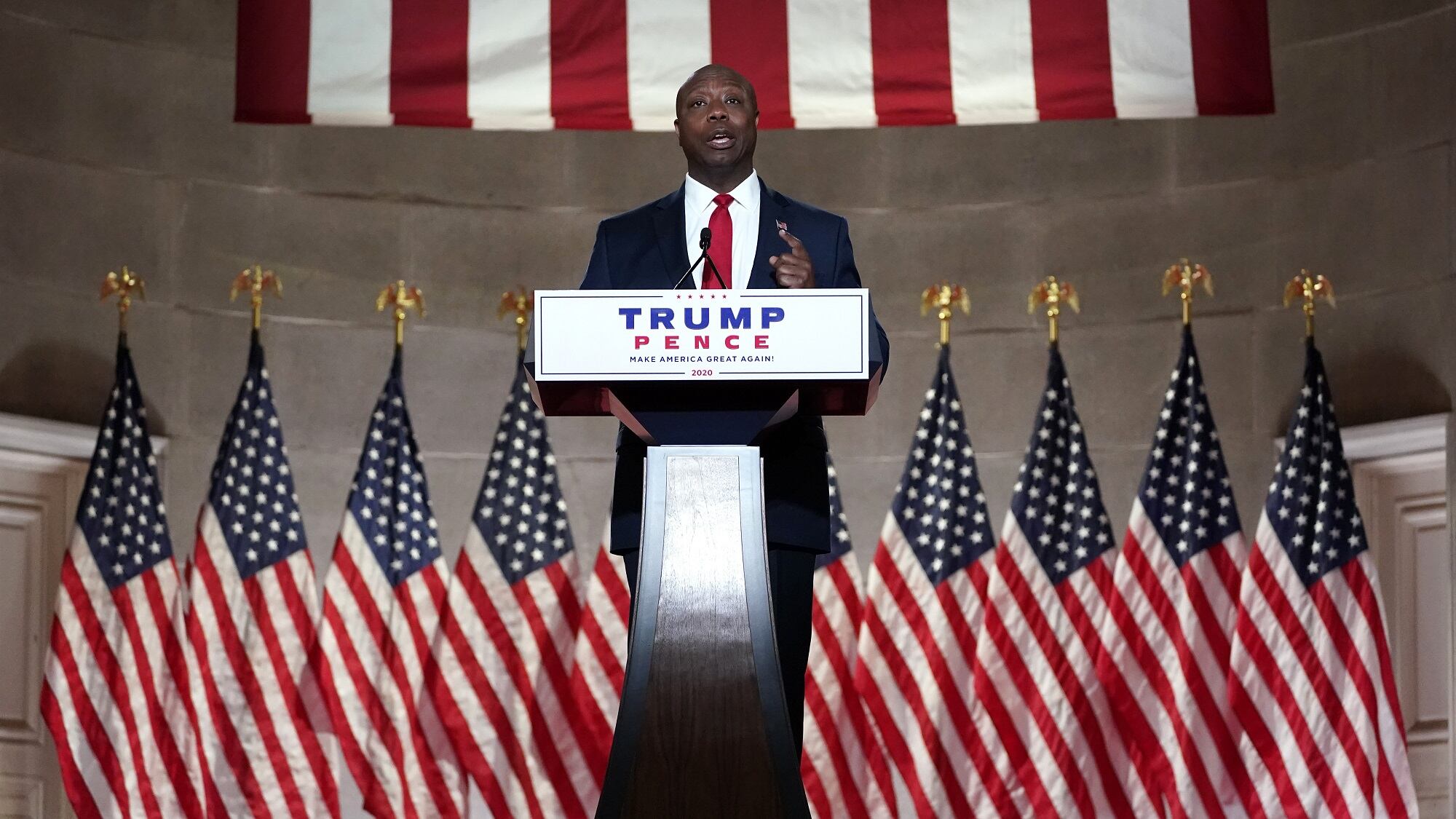
A rising generation of Republican stars offered an optimistic view of President Donald Trump's leadership but was undermined on the opening night of the GOP's scaled-back convention by speakers issuing dark warnings about the country's future and distorting the president's record, particularly on the coronavirus pandemic.
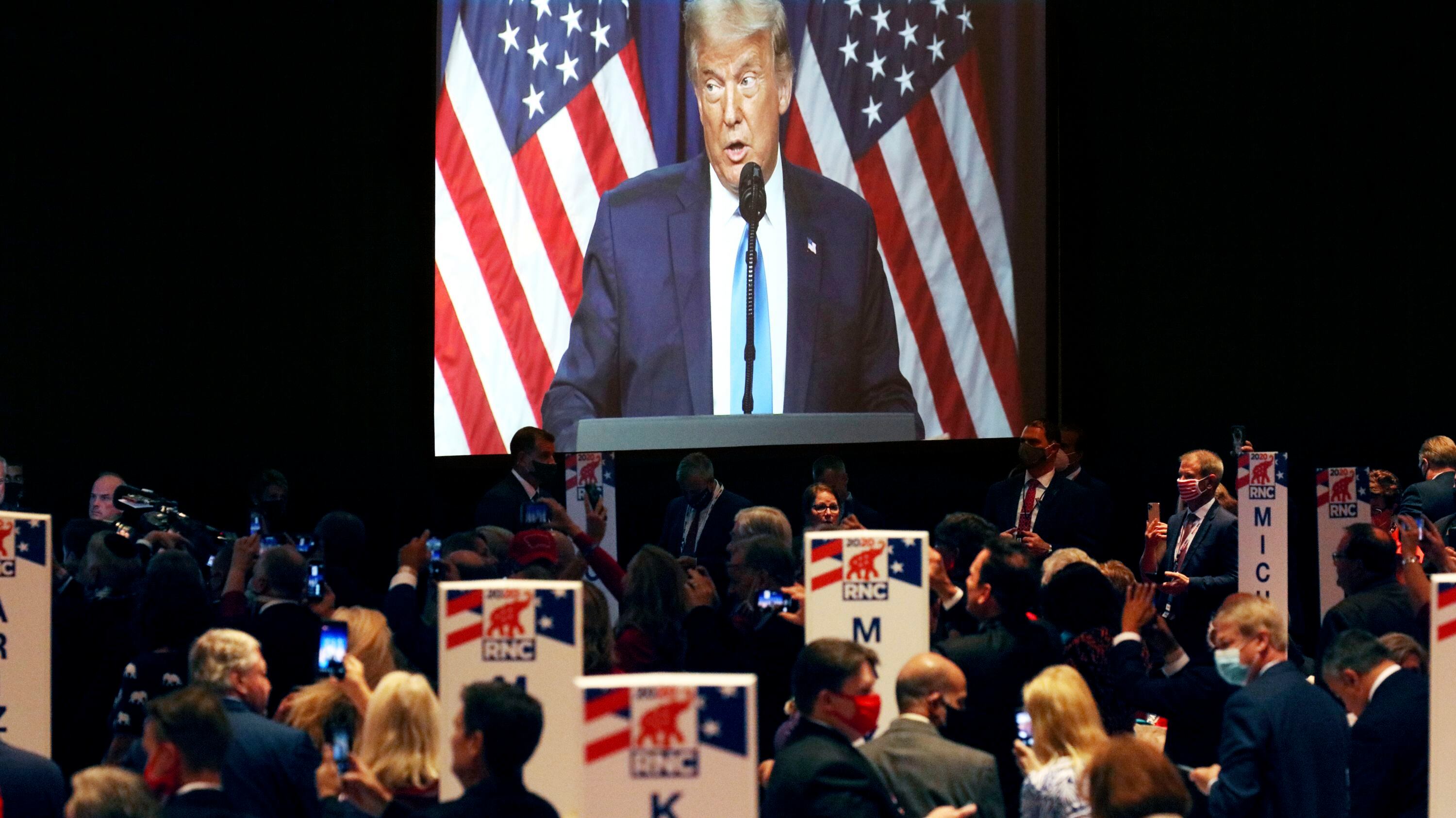
President Donald Trump has turned a surprise opening-day appearance at his party’s scaled-down national political convention into an opportunity to cast doubt on the integrity of the fall election.
Video app TikTok is waging a legal fight against the Trump Administration’s efforts to ban the popular, Chinese-owned service over national-security concerns.
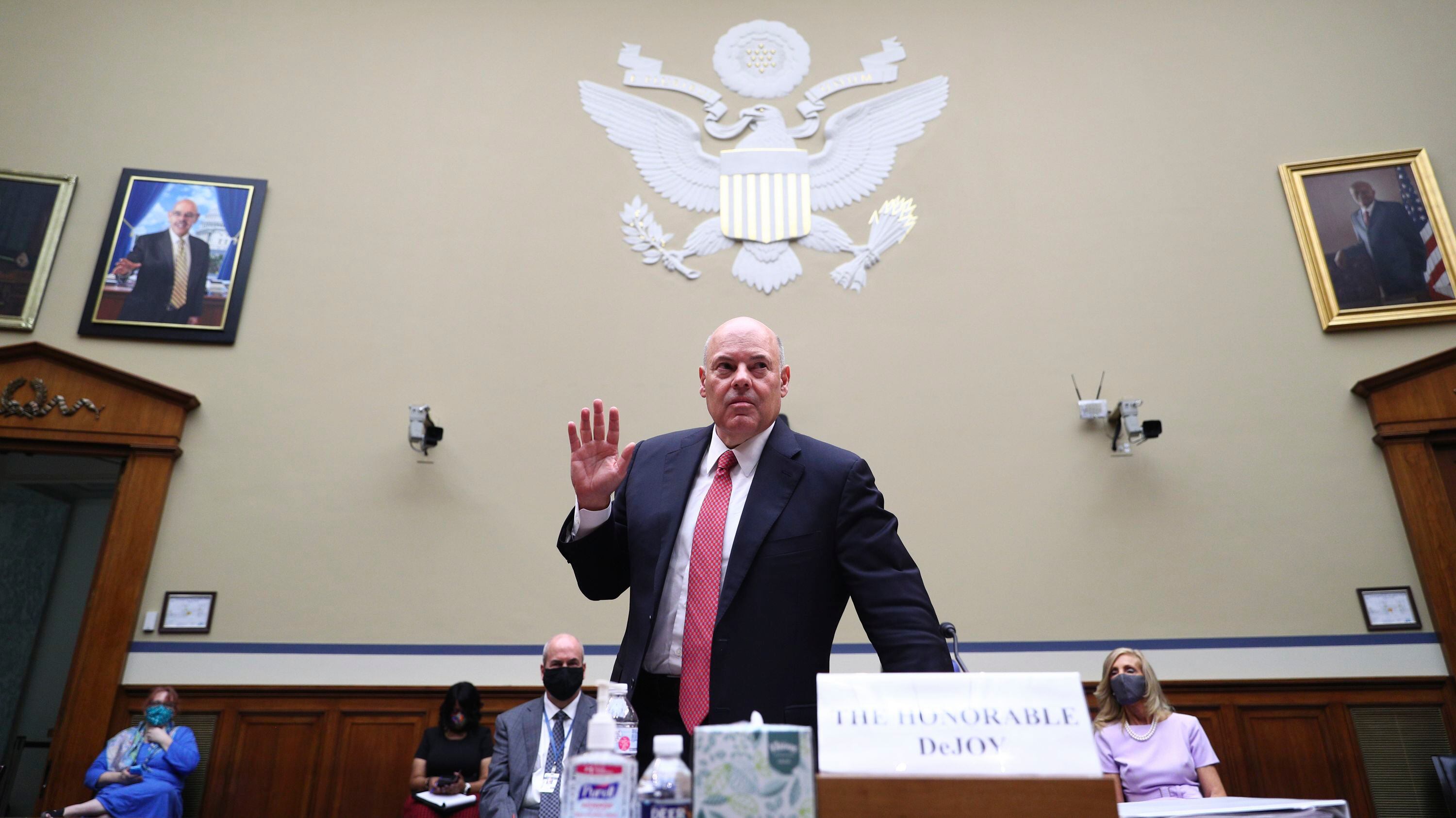
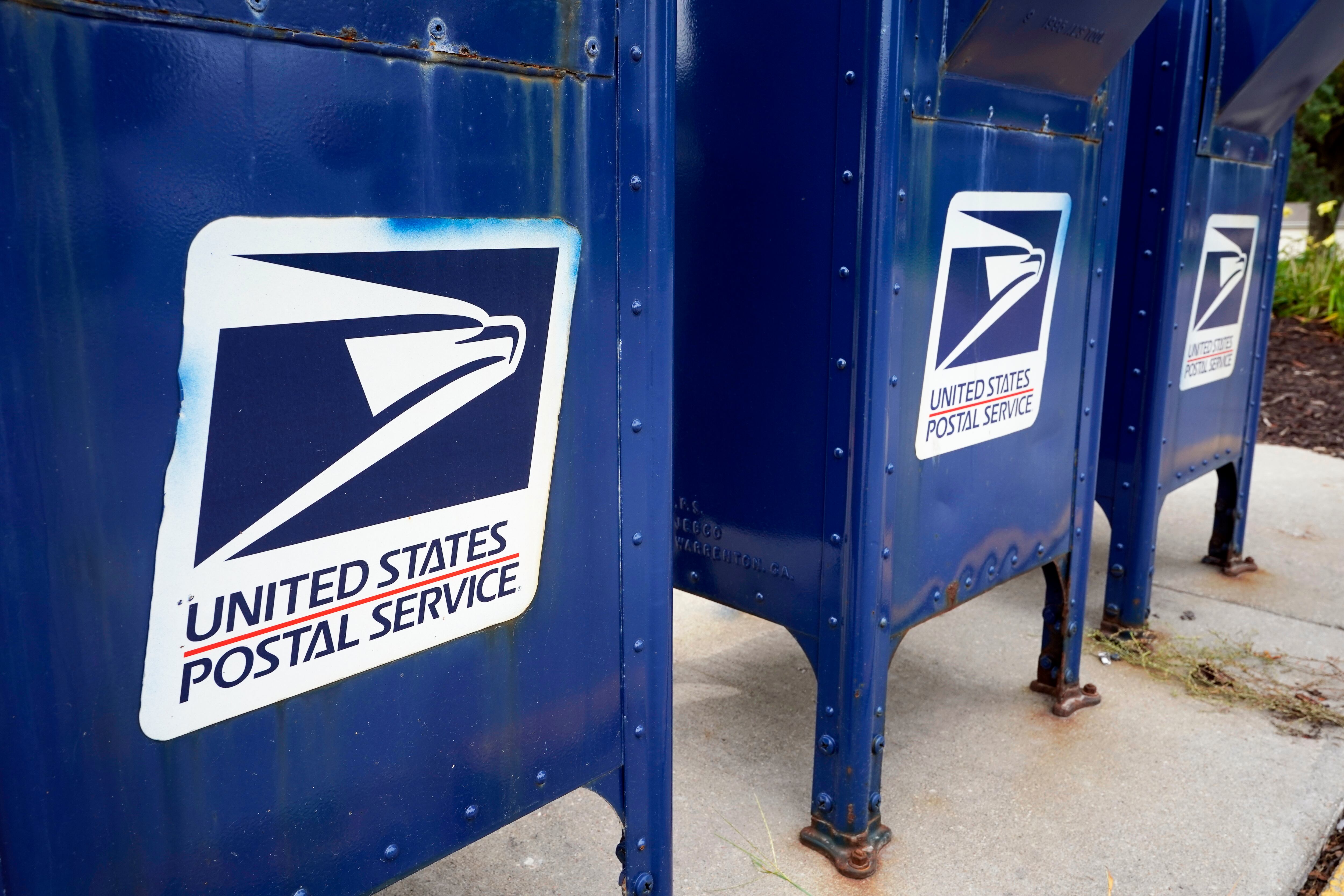
Postmaster General Louis DeJoy told lawmakers Monday that he has warned allies of President Donald Trump that the president’s repeated attacks on mail-in ballots are “not helpful,” but denied that recent changes at the Postal Service are linked to the November elections.
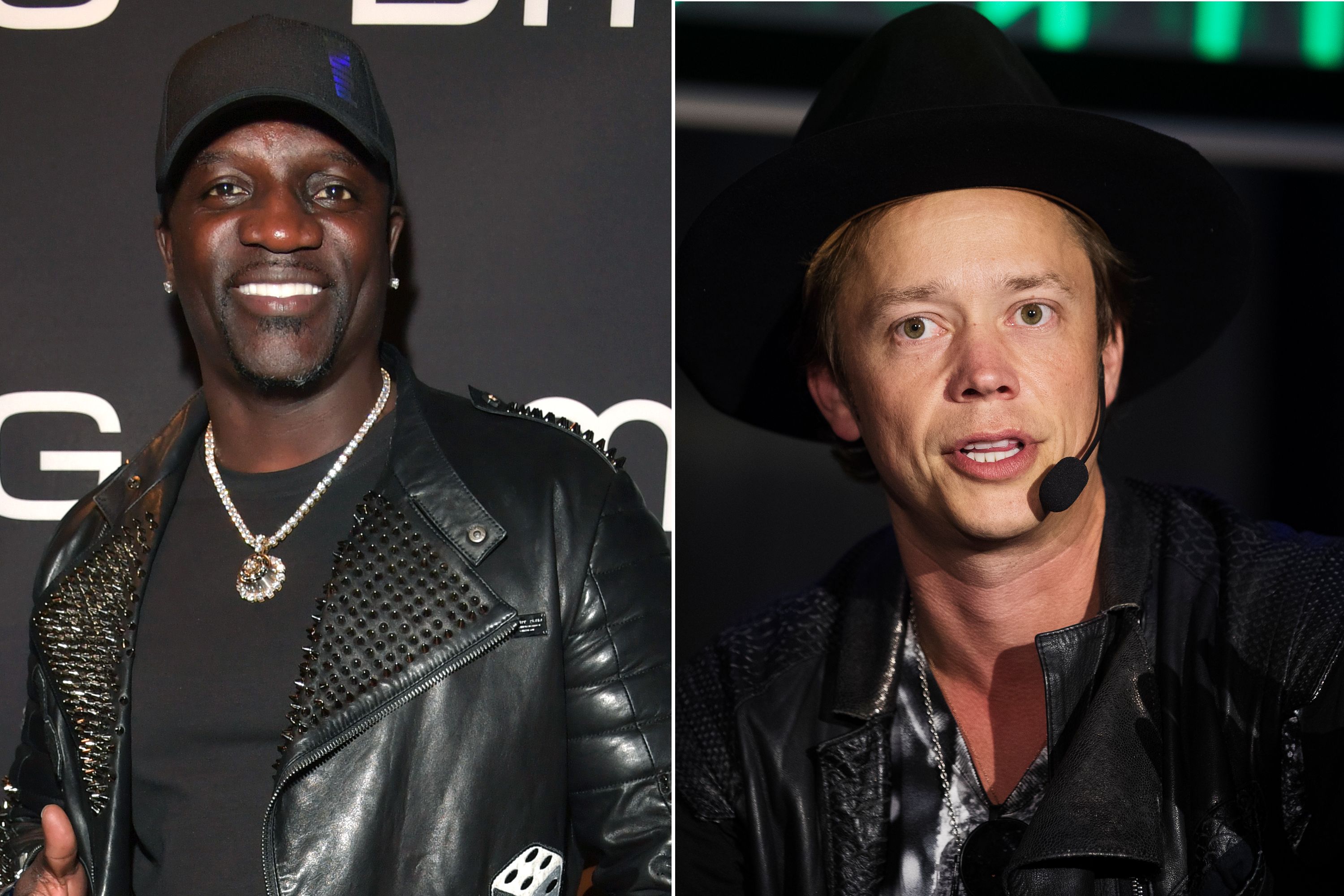
Cheddar has learned exclusively that Grammy-nominated musician and crypto entrepreneur Akon is endorsing bitcoin billionaire Brock Pierce for President of the United States, and will serve as chief strategist for Pierce 2020.
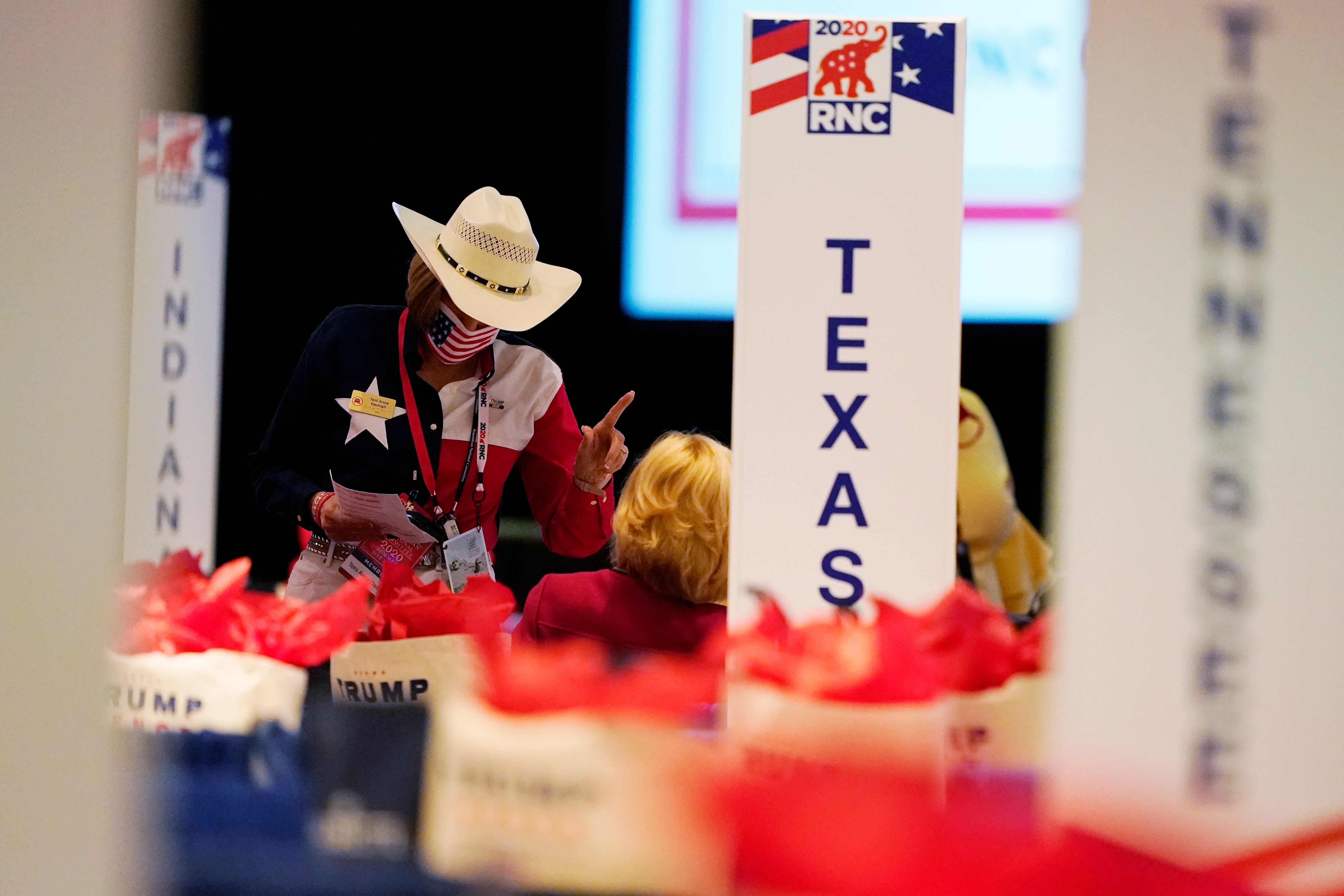
The room is set and delegates begin to arrive for the first day of the Republican National Convention, Monday, Aug. 24, 2020, in Charlotte, N.C. (AP Photo/Chris Carlson)
Former South Carolina Rep. Trey Gowdy talks Washington's inability to strike a second stimulus deal and the lack of communication between parties.
Facing public backlash, Postmaster General Louis DeJoy has told a Senate panel that it’s his “sacred duty” to ensure election mail delivery. But he told senators on Friday that he has no plans to restore curbside mail collection boxes or high-speed sorting machines that have been removed.
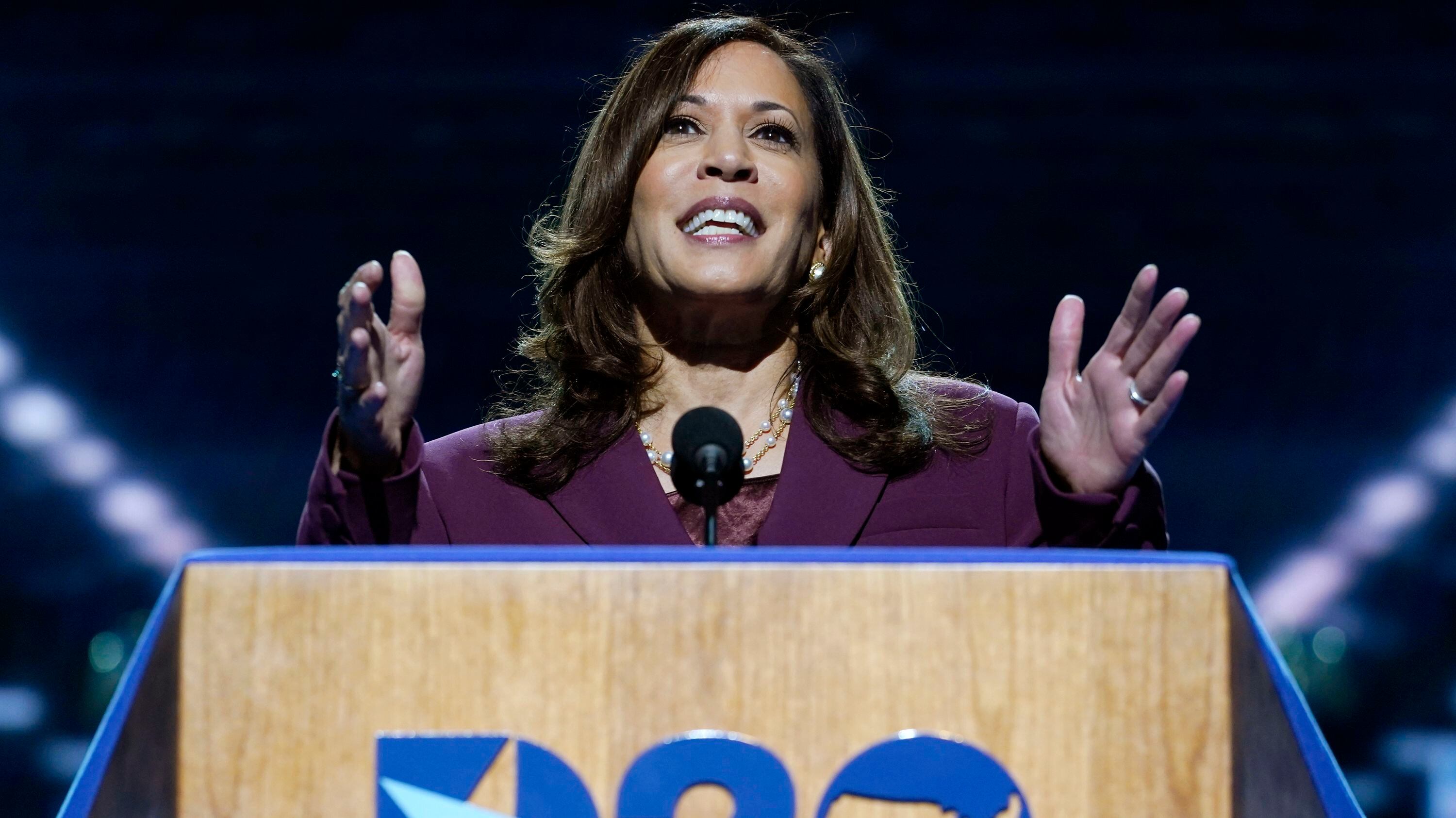
Sen. Kamala Harris has become a beacon of cautious hope among cannabis advocates and industry insiders who hope she’ll push a more conservative Joe Biden left on cannabis issues.
Political ad spending is up across the board. Cheddar's Michelle Castiillo takes a look at what topics politicians are focusing amid the coronavirus pandemic.