The Trump administration last week rescinded a Obama-era rule that asked HUD recipients to measure and consider fixes to racial segregation in their communities.
President Donald Trump then followed up the decision with a tweet that critics say was an explicit appeal to white, suburban voters.
"His tweet was aimed at a strategy of appealing to racial resentment and really people's worst ideas about how our communities should be structured," David Sanchez, director of research and development for the National Community Stabilization Trust, told Cheddar. "Attitudes like that are a big reason why we have such severe segregation by race, class, and opportunity in this country, and unfortunately the president is trying to use those fears to benefit himself politically."
The loss of the rule itself has gotten less attention, in part due to its low profile as more of a regulatory tweak than an aggressive federal policy.
The Affirmatively Furthering Fair Housing Rule that Trump's HUD eliminated asked municipalities and housing authorities to account for racial bias in their communities by writing a report and issuing recommendations, but it did not force municipalities to address segregation directly.
"It was about gathering data," Sanchez said. "It was about getting people talking about segregation. But it wasn't about forcing communities to do anything."
In the long-term, though, he added that cutting the rule will only contribute to the ongoing economic divide between the suburbs and cities.
"It's going to continue to concentrate economic resources, social privilege in certain people who can afford to live in high-opportunity communities," Sanchez said. "In the same way the COVID crisis has supercharged inequality in this country, this is just another step in that direction."
From Wall Street to Silicon Valley, these are the top stories that moved markets and had investors, business leaders, and entrepreneurs talking this week on Cheddar.
On the heels of the RNC's final night, former senior advisor to President Barack Obama, Valerie Jarrett, joined Cheddar to discuss President Trump's speech.
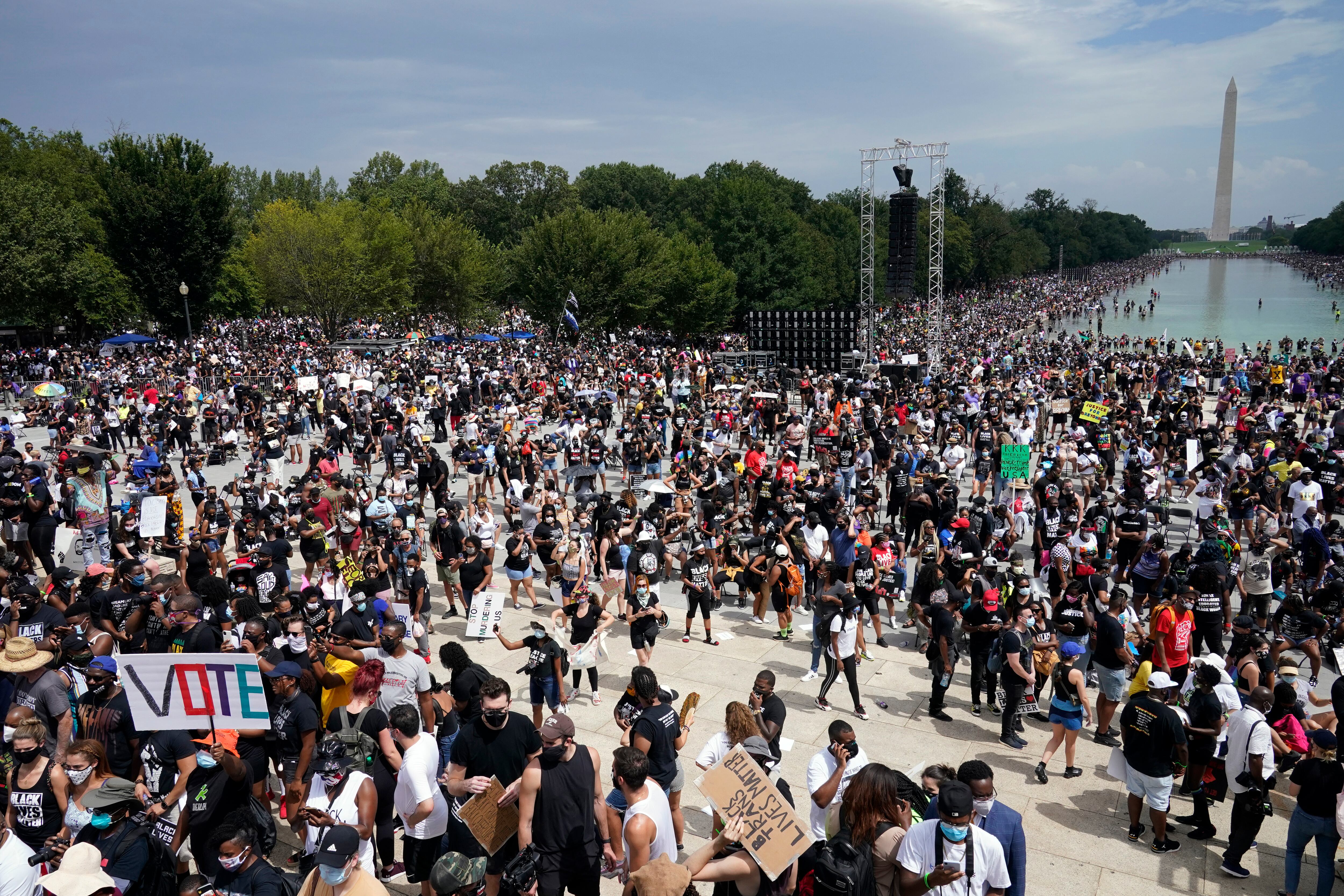
Derrick Johnson, president and CEO of the NAACP, joined Cheddar to discuss the 2020 March on Washington happening today. Johnson also discussed the need for police reform in the U.S.
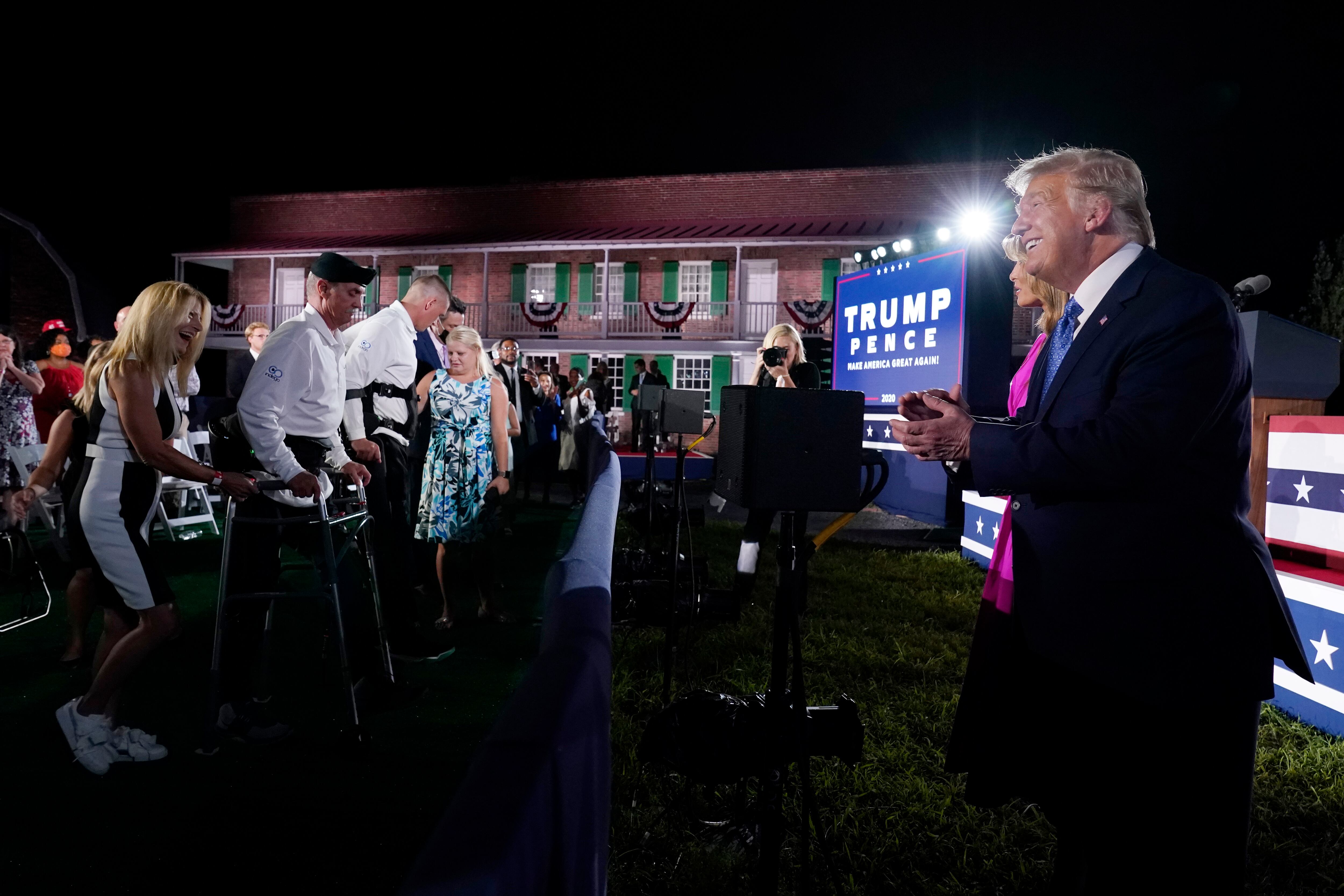
President Donald Trump plans to tell voters that Democratic rival Joe Biden would pursue the "most extreme set of proposals ever put forward by a major party nominee" when he delivers his acceptance speech,
Walmart said Thursday it may join Microsoft to buy the U.S. business of TikTok, the popular Chinese-owned video app that has come under fire from the Trump administration.
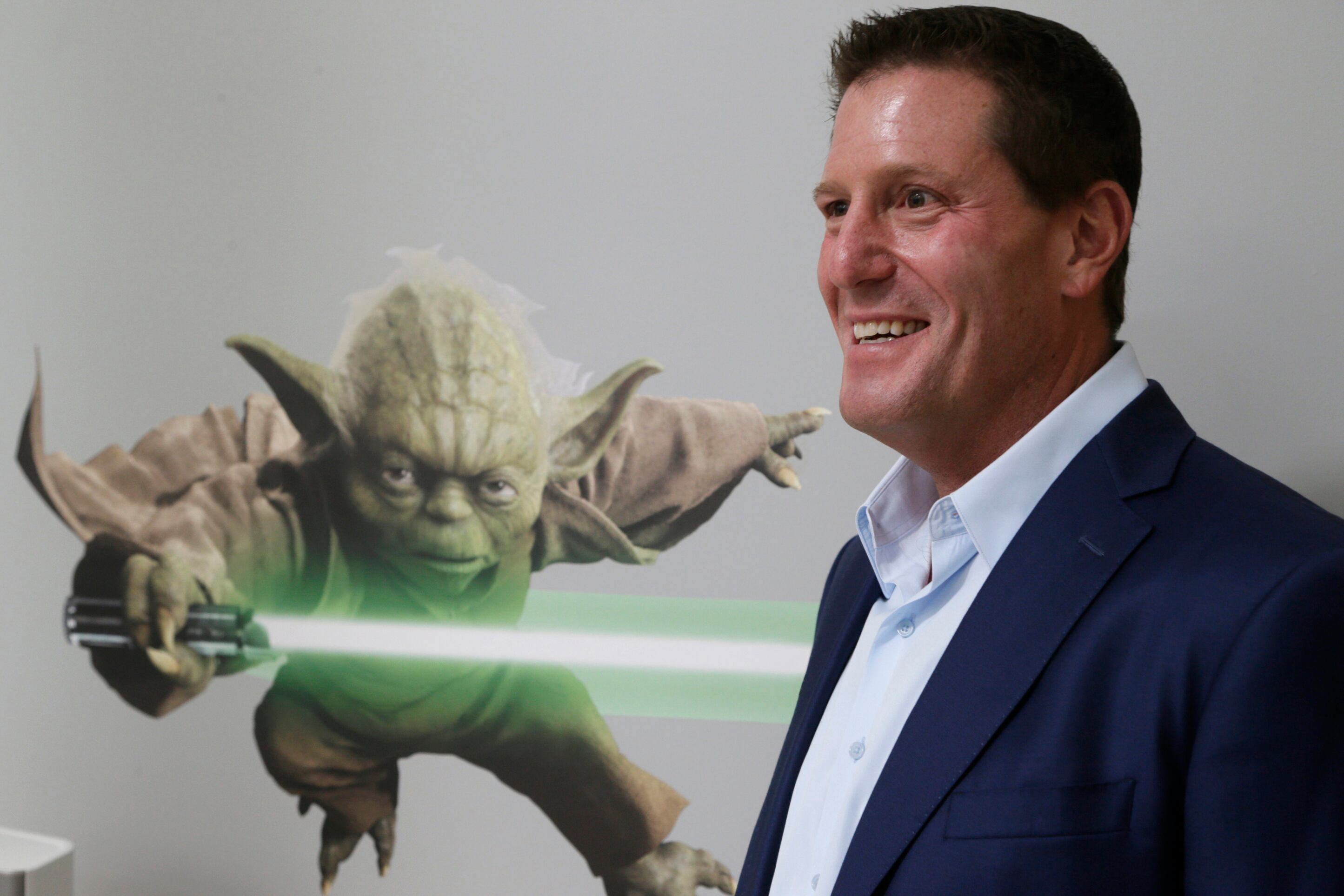
TikTok CEO Kevin Mayer has resigned amid U.S. pressure for its Chinese owner to sell the popular video app, which the White House says is a security risk.
New York Congresswoman, Yvette Clarke, joined Cheddar to discuss the recent policing shooting of Jacob Blake in Kenosha, Wisconsin. Clarke also discusses Sen. Kamala Harris' nomination as the Democratic candidate for the vice presidency.
U.S. health officials have sparked a wave of confusion after posting guidelines that coronavirus testing is not necessary for people who have been in close contact with infected people.
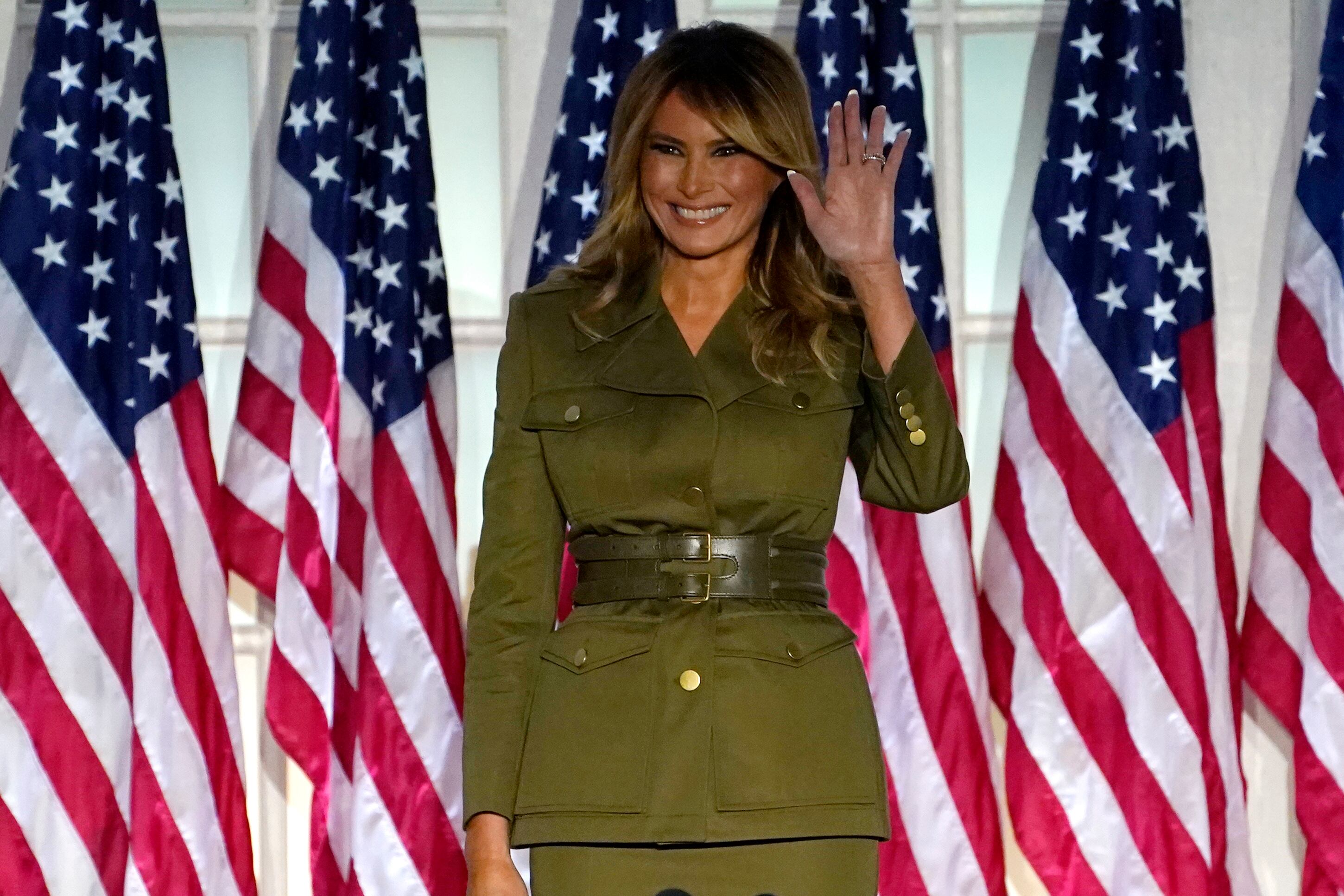
First lady Melania Trump portrayed her husband as an authentic, uncompromising leader in a Rose Garden address as President Donald Trump turned to family, farmers and the trappings of the presidency to boost his reelection chances on the second night of the scaled-down Republican National Convention.
A new poll from The Associated Press-NORC Center for Public Affairs Research finds 45% of Americans say they are setting aside more money than usual during the coronavirus pandemic.