The Trump administration last week rescinded a Obama-era rule that asked HUD recipients to measure and consider fixes to racial segregation in their communities.
President Donald Trump then followed up the decision with a tweet that critics say was an explicit appeal to white, suburban voters.
"His tweet was aimed at a strategy of appealing to racial resentment and really people's worst ideas about how our communities should be structured," David Sanchez, director of research and development for the National Community Stabilization Trust, told Cheddar. "Attitudes like that are a big reason why we have such severe segregation by race, class, and opportunity in this country, and unfortunately the president is trying to use those fears to benefit himself politically."
The loss of the rule itself has gotten less attention, in part due to its low profile as more of a regulatory tweak than an aggressive federal policy.
The Affirmatively Furthering Fair Housing Rule that Trump's HUD eliminated asked municipalities and housing authorities to account for racial bias in their communities by writing a report and issuing recommendations, but it did not force municipalities to address segregation directly.
"It was about gathering data," Sanchez said. "It was about getting people talking about segregation. But it wasn't about forcing communities to do anything."
In the long-term, though, he added that cutting the rule will only contribute to the ongoing economic divide between the suburbs and cities.
"It's going to continue to concentrate economic resources, social privilege in certain people who can afford to live in high-opportunity communities," Sanchez said. "In the same way the COVID crisis has supercharged inequality in this country, this is just another step in that direction."
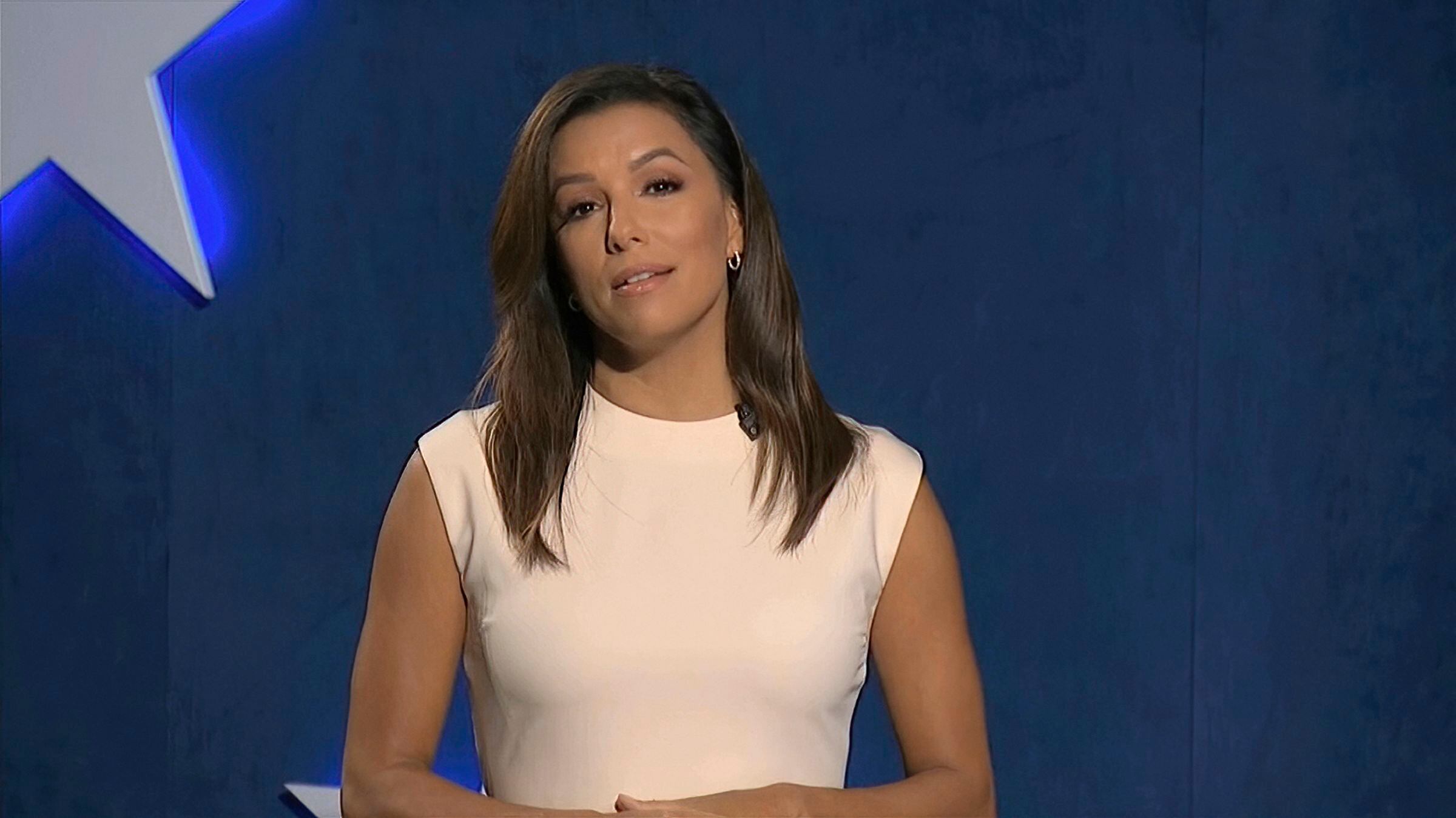
Actress and director, Eva Longoria joined Cheddar to discuss her role in establishing the the NWSL's newest team, Angel City as she fights for equal pay in the sport. Longoria also discusses her experience hosting night one of the Democratic National Convention.
Senate Majority Leader Mitch McConnell says the Senate will vote on a trimmed-down Republican coronavirus relief package, though it has a slim chance of passage in the face of Democrats’ insistence for more sweeping aid.
Anti-gun violence activist, Manny Oliver, joined Cheddar to discuss an initiative he started following the death of his son, Joaquin, in the Parkland massacre.
Top executives of nine drugmakers likely to produce the first vaccines against the new coronavirus are taking the extraordinary step of promising they'll be safe and effective.
The suggestion that the post office should offer banking services (again), such as checking and savings accounts, has resurfaced.
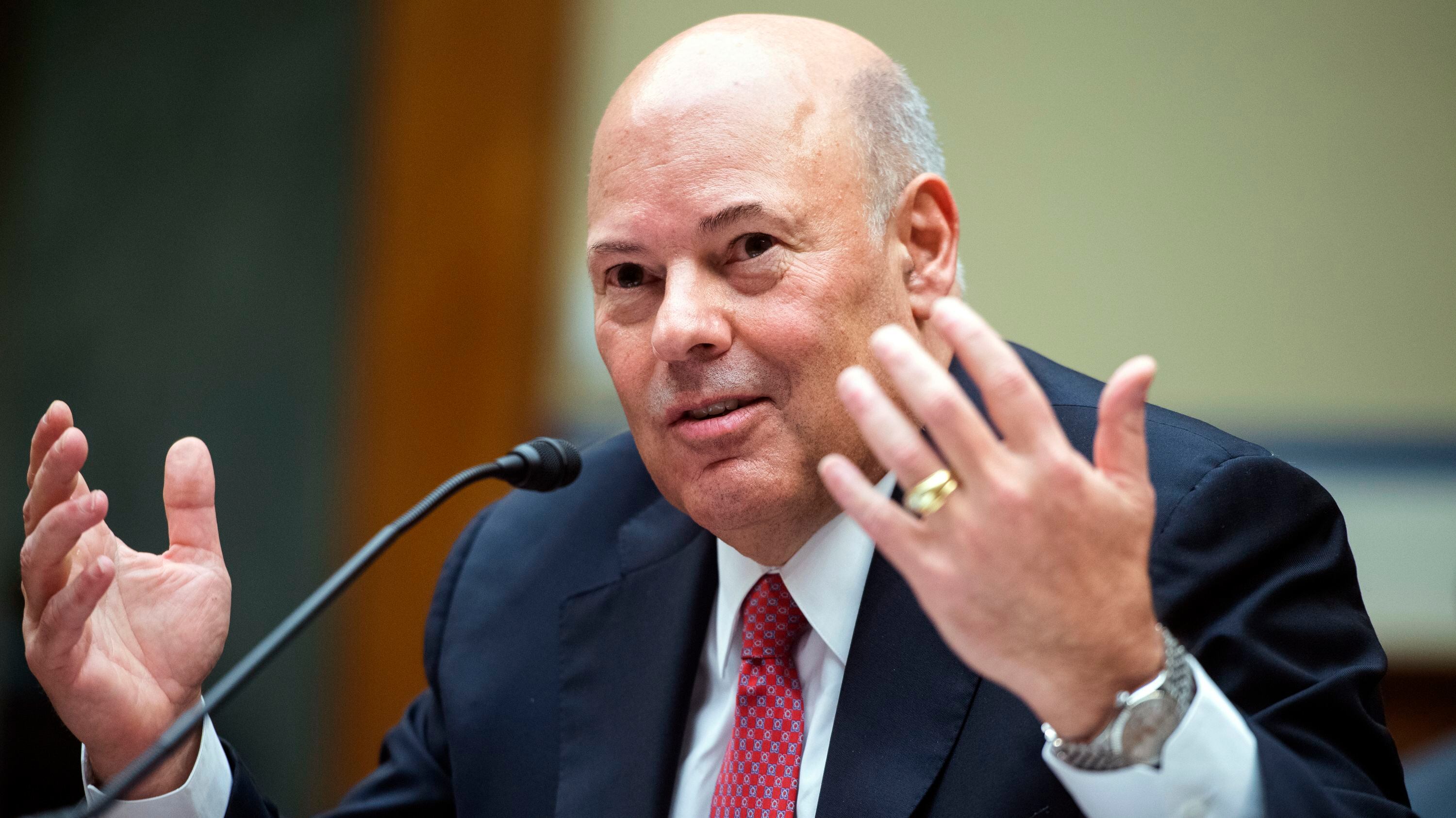
House Democrats will investigate whether Postmaster General Louis DeJoy encouraged employees at his business to contribute to Republican candidates and then reimbursed them in the guise of bonuses, a violation of campaign finance laws.
From Wall Street to Silicon Valley, these are the top stories that moved markets and had investors, business leaders, and entrepreneurs talking this week on Cheddar.
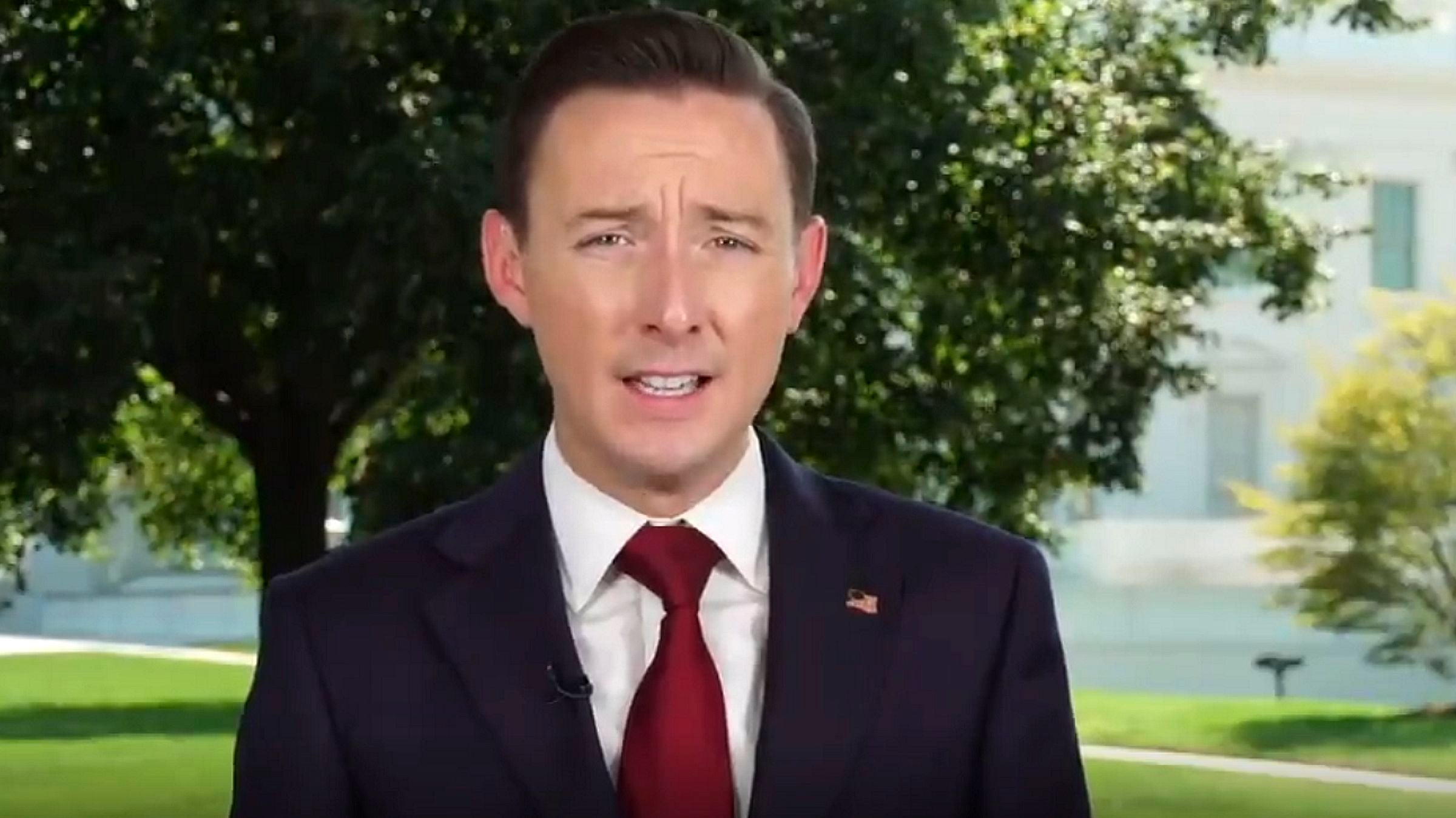
Acting chair of the White House Council of Economic Advisers Tyler Goodspeed joined Cheddar to give his take on the jobs report for August.
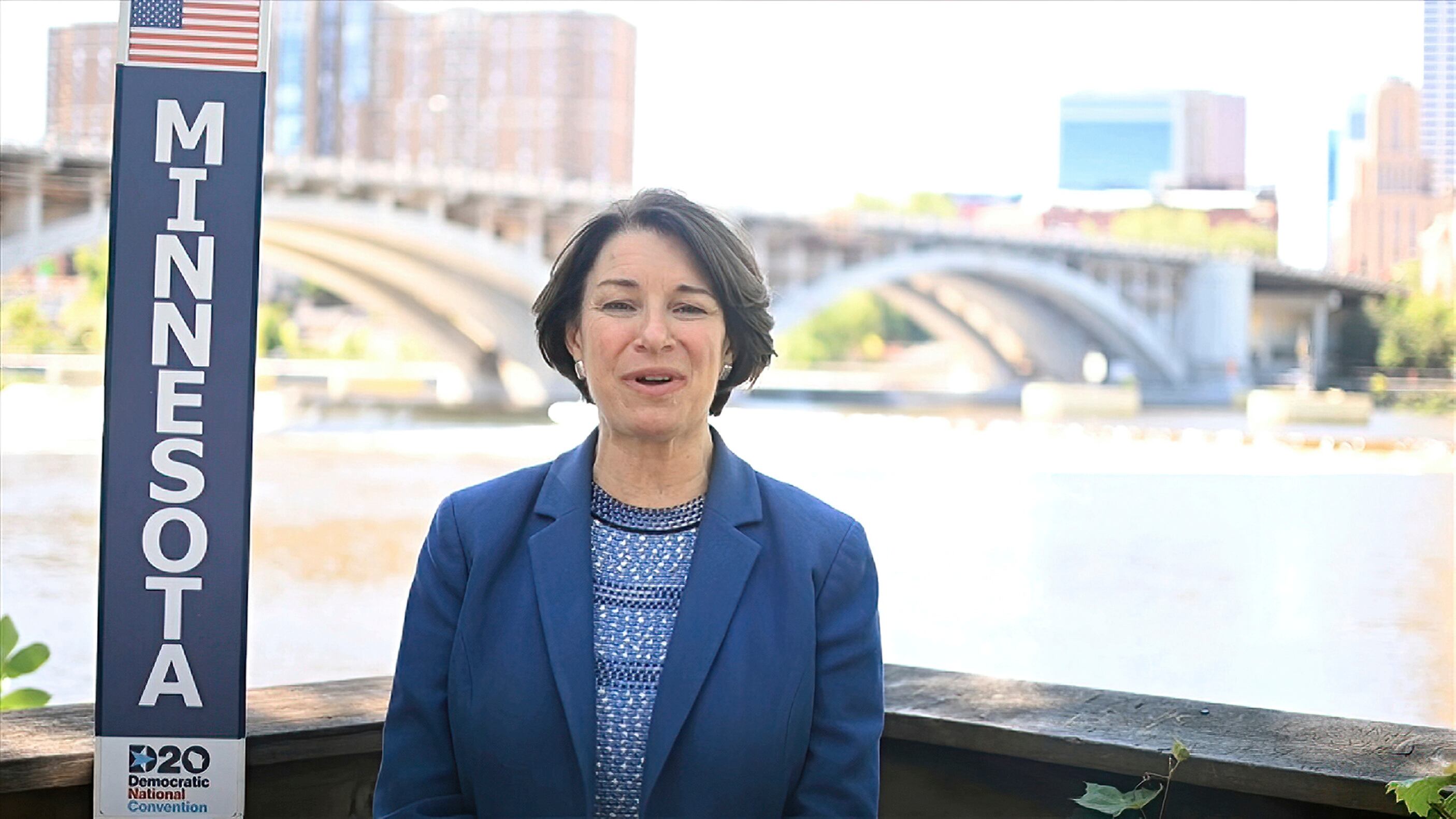
Sen. Amy Klobuchar (D-Minn.) is pushing a bill to save venues for music and the arts hit hard during the pandemic shutdowns.
With just two months left until the U.S. presidential election, Facebook says it is taking additional steps to encourage voting, minimize misinformation and reduce the likelihood of post-election “civil unrest.”