The Trump administration last week rescinded a Obama-era rule that asked HUD recipients to measure and consider fixes to racial segregation in their communities.
President Donald Trump then followed up the decision with a tweet that critics say was an explicit appeal to white, suburban voters.
"His tweet was aimed at a strategy of appealing to racial resentment and really people's worst ideas about how our communities should be structured," David Sanchez, director of research and development for the National Community Stabilization Trust, told Cheddar. "Attitudes like that are a big reason why we have such severe segregation by race, class, and opportunity in this country, and unfortunately the president is trying to use those fears to benefit himself politically."
The loss of the rule itself has gotten less attention, in part due to its low profile as more of a regulatory tweak than an aggressive federal policy.
The Affirmatively Furthering Fair Housing Rule that Trump's HUD eliminated asked municipalities and housing authorities to account for racial bias in their communities by writing a report and issuing recommendations, but it did not force municipalities to address segregation directly.
"It was about gathering data," Sanchez said. "It was about getting people talking about segregation. But it wasn't about forcing communities to do anything."
In the long-term, though, he added that cutting the rule will only contribute to the ongoing economic divide between the suburbs and cities.
"It's going to continue to concentrate economic resources, social privilege in certain people who can afford to live in high-opportunity communities," Sanchez said. "In the same way the COVID crisis has supercharged inequality in this country, this is just another step in that direction."
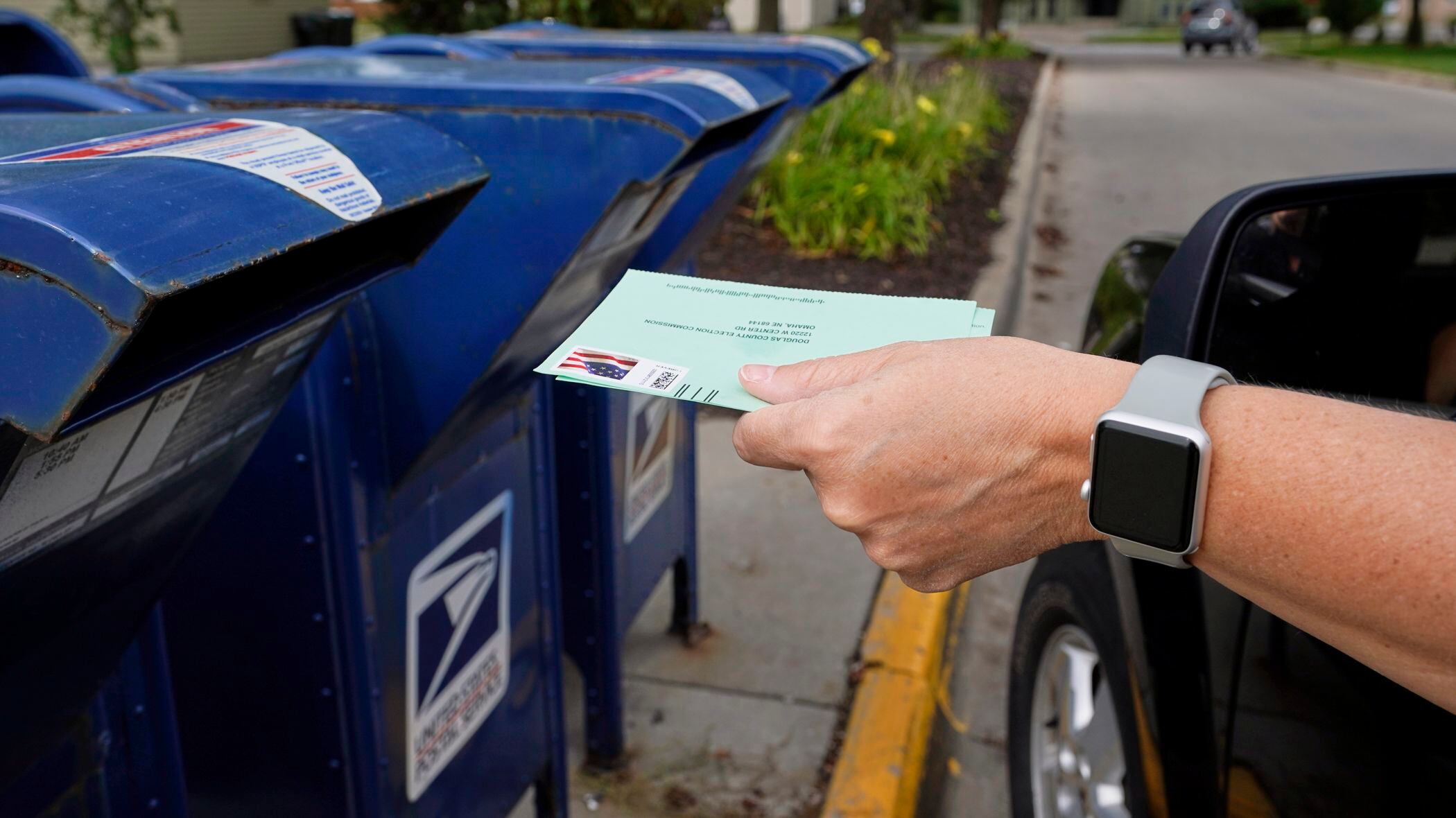
Data obtained by The Associated Press shows Postal Service districts across the nation are missing the agency’s own standards for on-time delivery as millions of Americans prepare to vote by mail.
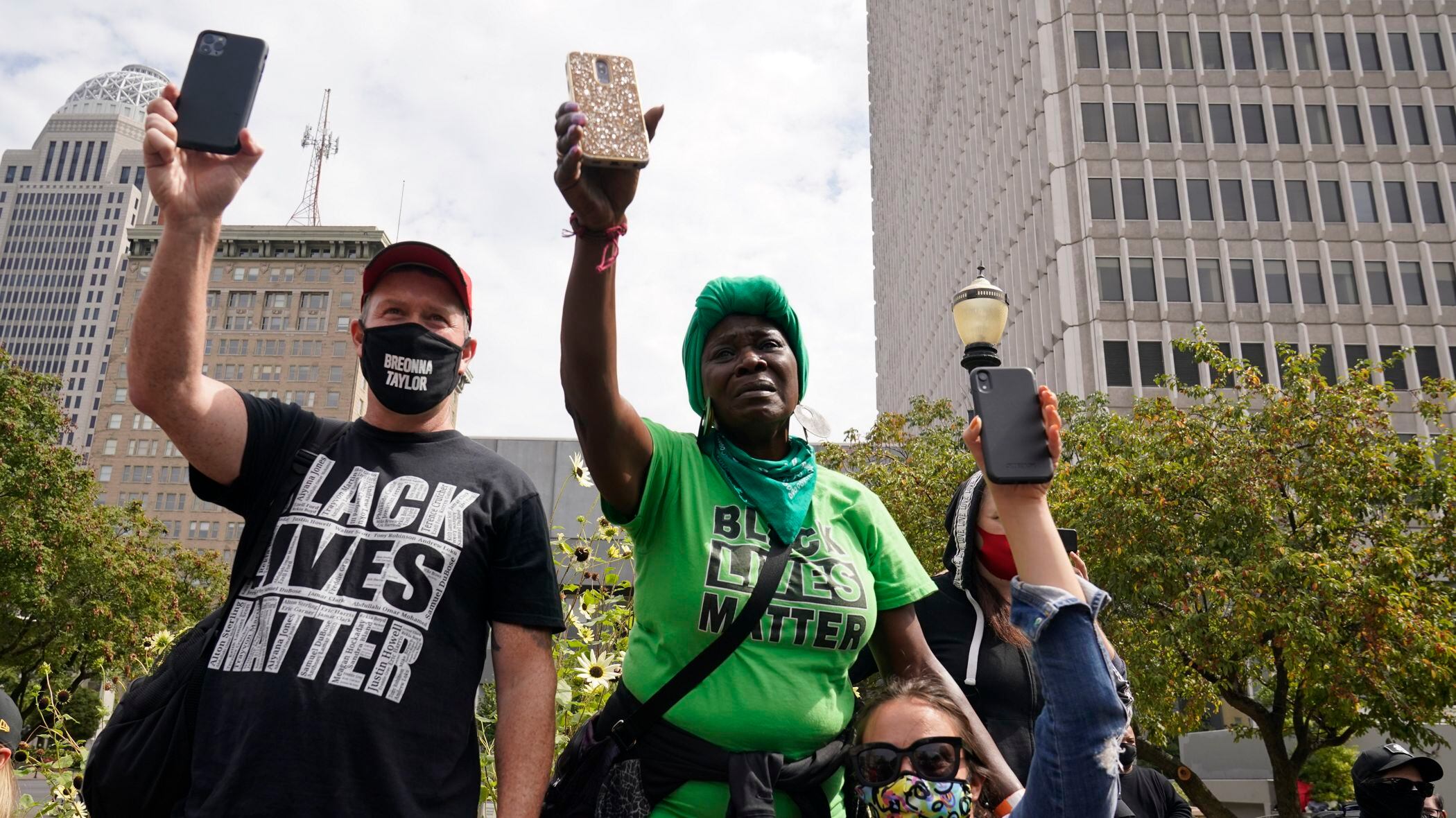
A Kentucky grand jury has brought no charges against Louisville police for the killing of Breonna Taylor during a drug raid gone wrong.
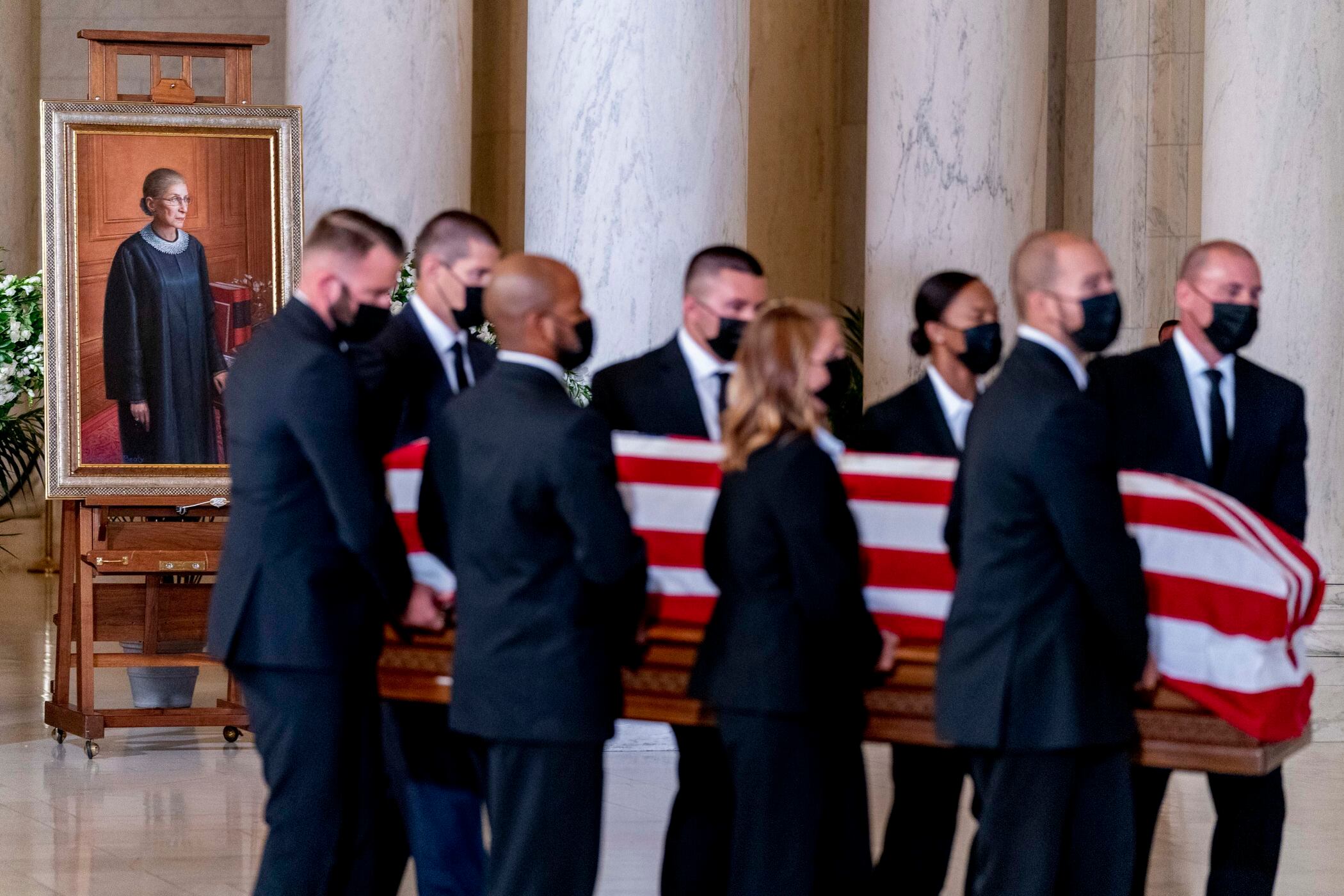
Supreme Court Justice Ruth Bader Ginsburg was remembered Wednesday at the court in front of grieving family, colleagues and friends as a prophet for justice who persevered against long odds to become an American icon.
A huge study of a single-dose COVID-19 vaccine is getting underway as top U.S. health officials seek to assure a skeptical public they can trust any shots the government ultimately approves.
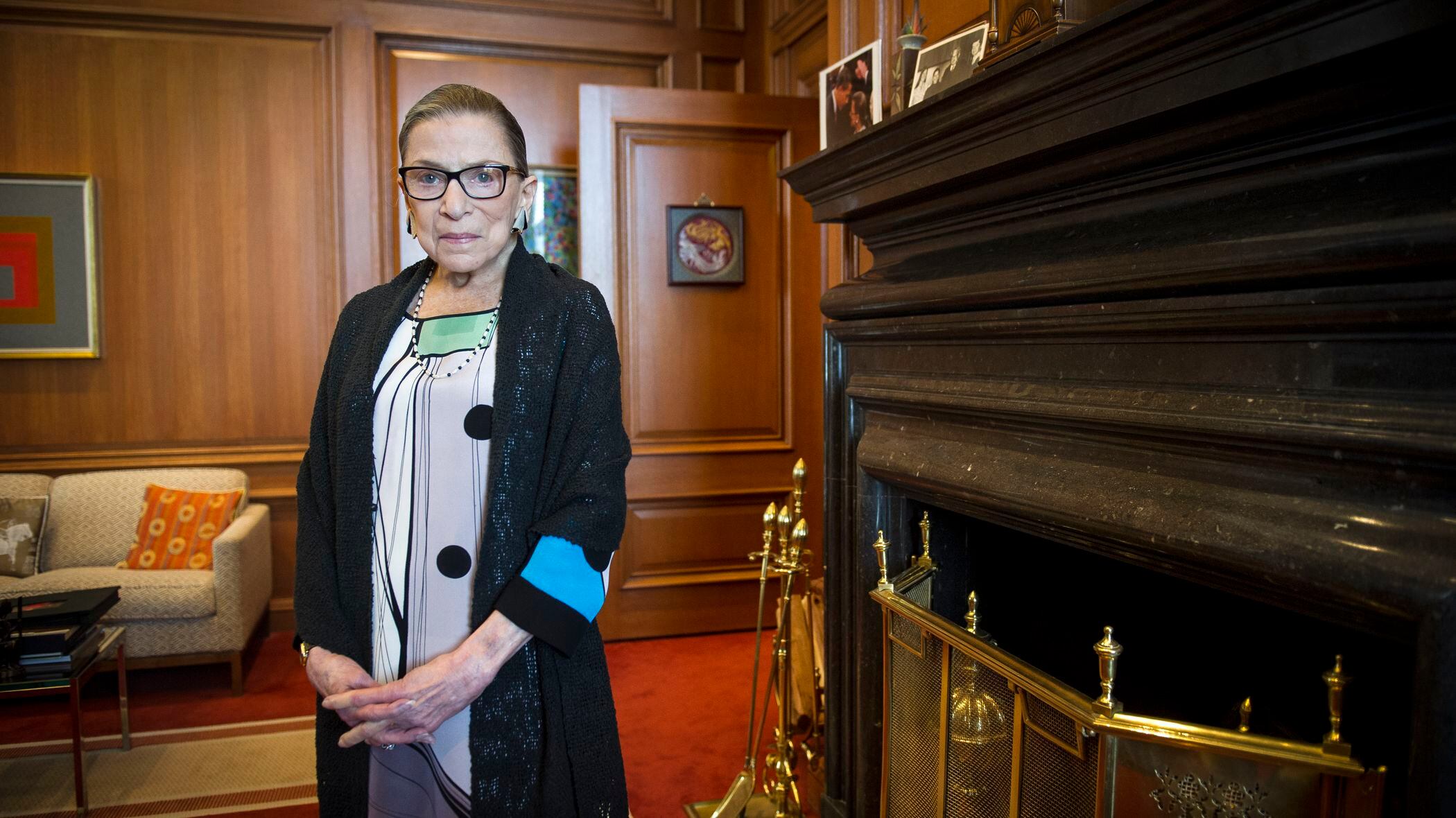
For a brief tour of Ginsburg's 27-year stint on the high court, here are five cases — three opinions and two dissents — that provide a look at her influence on business.
Rep. Ruben Gallego addressed the Trump administration's treatment of Hispanic amid the coronavirus pandemic.
Oregon Senator Jeff Merkley joined Cheddar to discuss Senate Democrats' special committee against the climate crisis. Merkley also addresses President Trump's denial of science and the impacts of climate crisis.
Andrew Wheeler, Administrator of the EPA, joined Cheddar to defend the Trump administration's stance on environmental protections and whether science is taken into account when regulations are put in place.
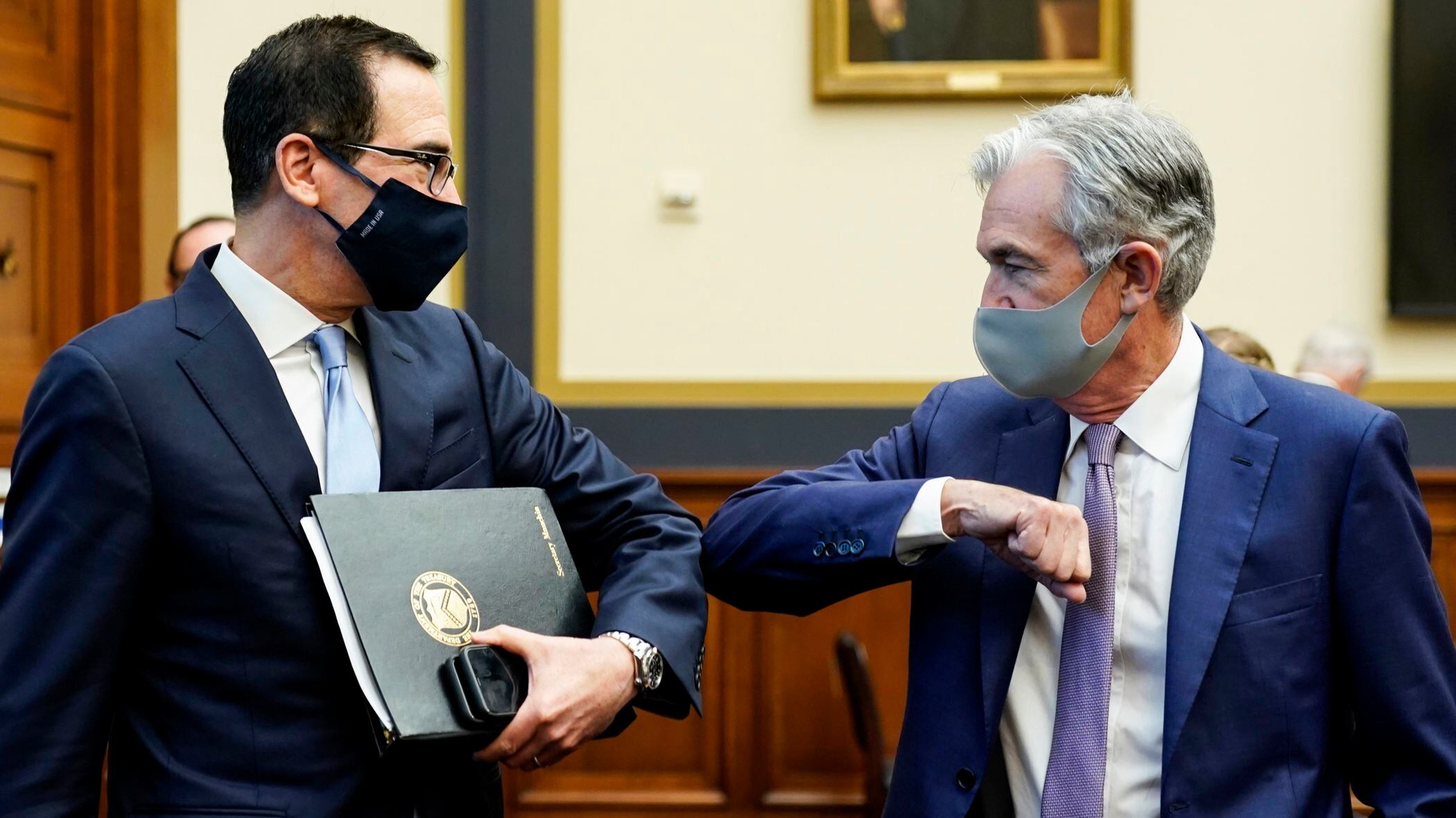
The Federal Reserve Chairman and Treasury Secretary expressed cautious optimism that the U.S. economy is rebounding from the pandemic-induced recession with federal support but that more help from the government is likely needed.
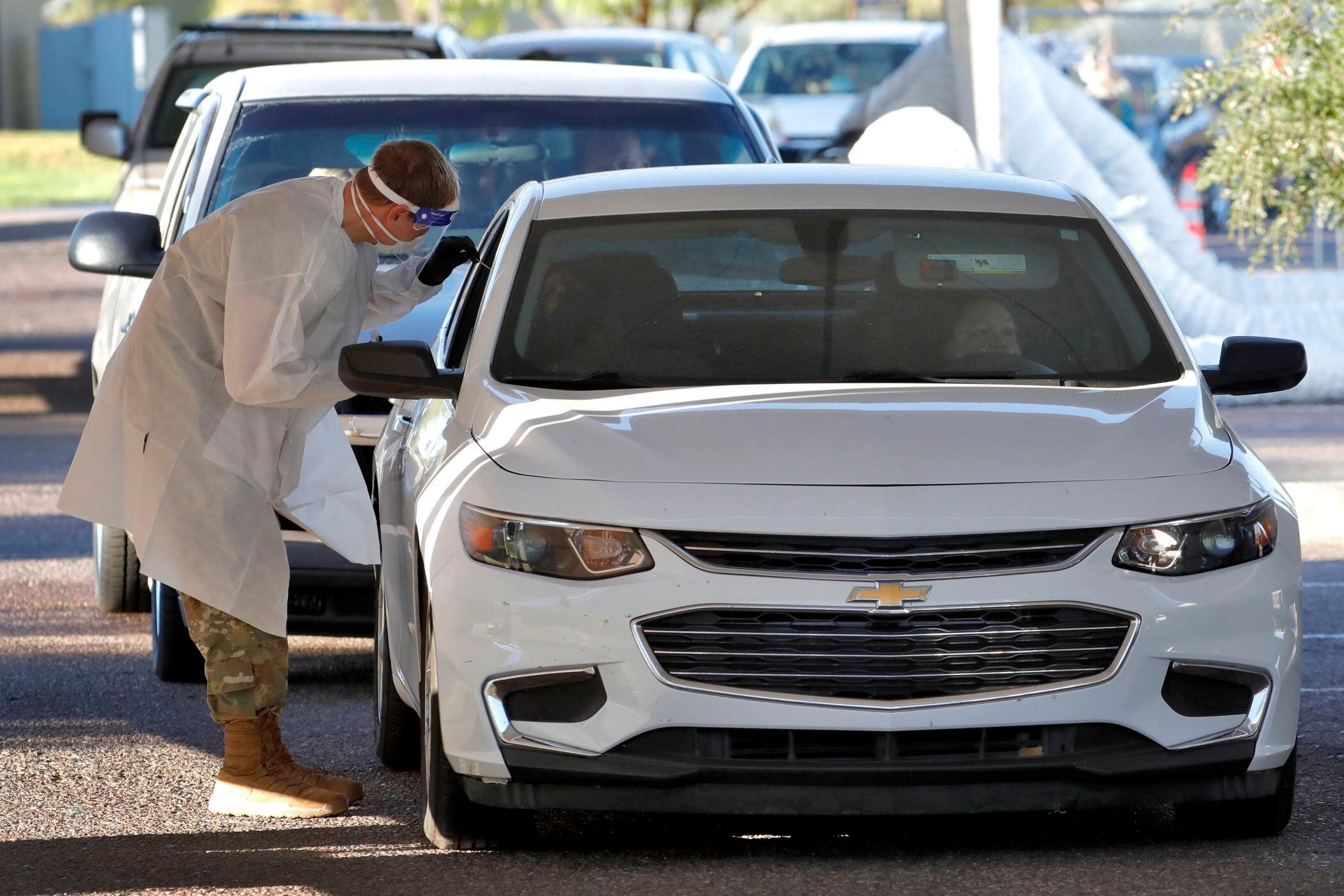
The death toll in the U.S. from the coronavirus has topped 200,000, a figure unimaginable eight months ago when the scourge first reached the world’s richest nation.