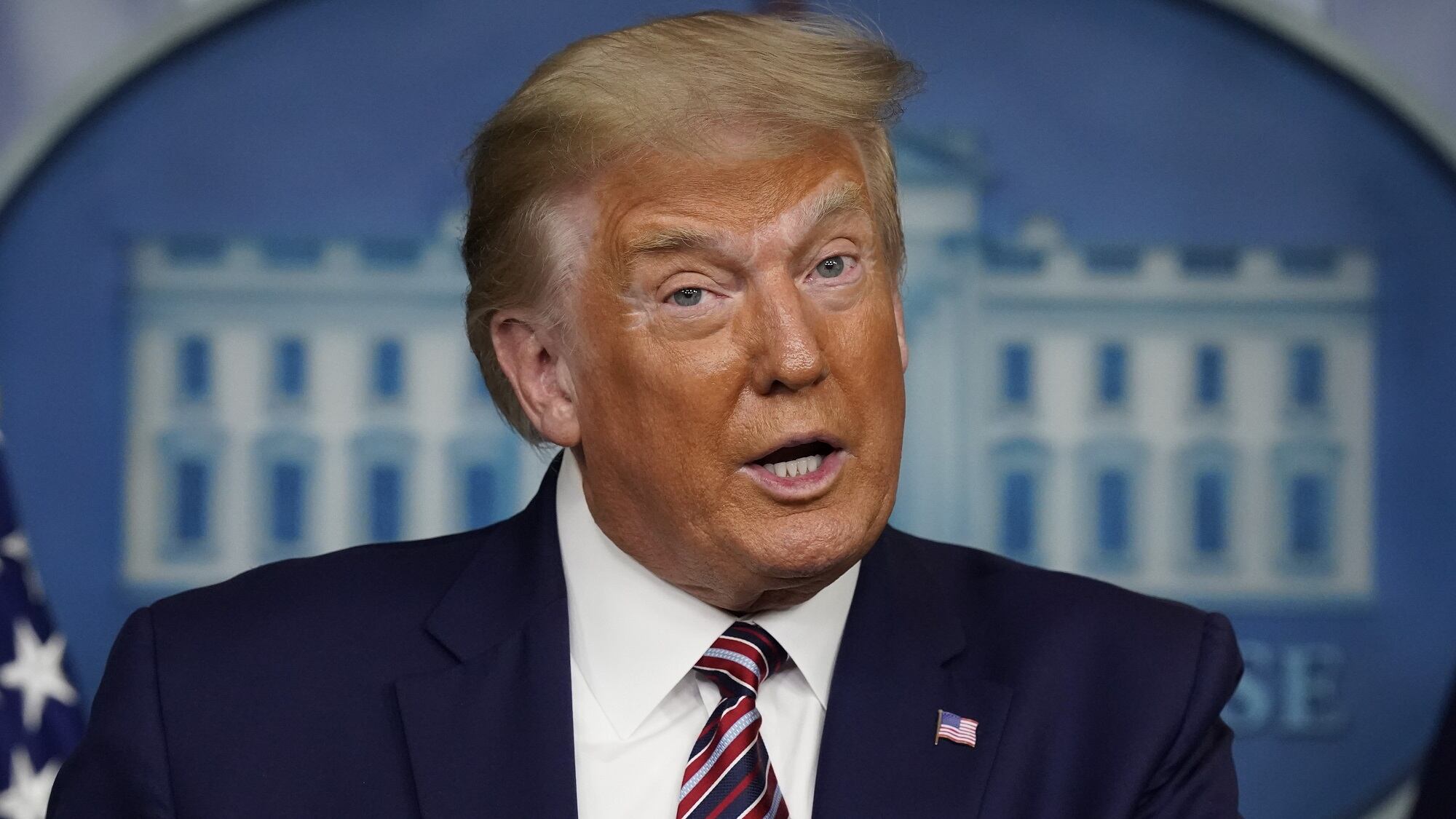
The Trump administration last week rescinded a Obama-era rule that asked HUD recipients to measure and consider fixes to racial segregation in their communities.
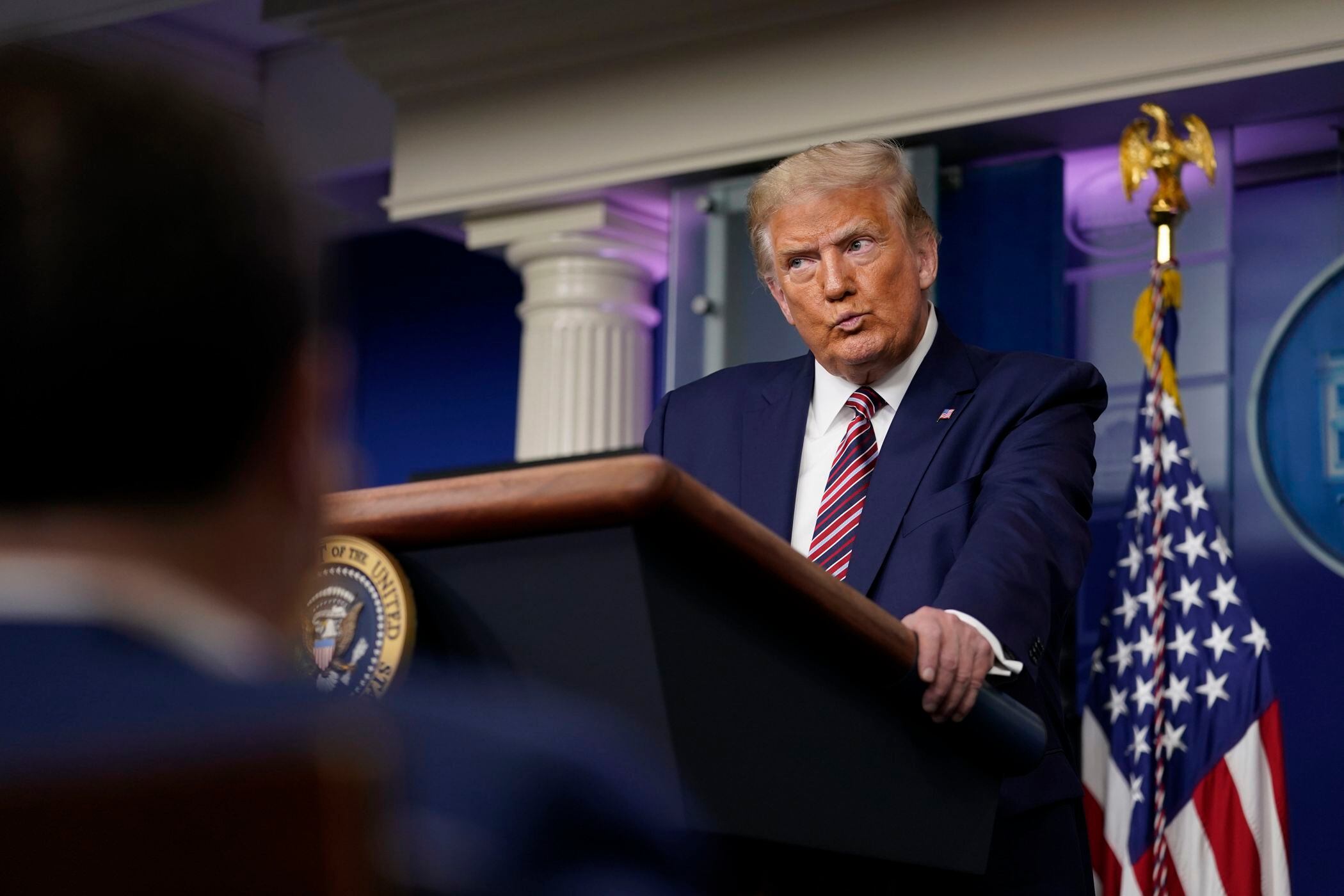
President Donald Trump then followed up the decision with a tweet that critics say was an explicit appeal to white, suburban voters.
"His tweet was aimed at a strategy of appealing to racial resentment and really people's worst ideas about how our communities should be structured," David Sanchez, director of research and development for the National Community Stabilization Trust, told Cheddar. "Attitudes like that are a big reason why we have such severe segregation by race, class, and opportunity in this country, and unfortunately the president is trying to use those fears to benefit himself politically."
The loss of the rule itself has gotten less attention, in part due to its low profile as more of a regulatory tweak than an aggressive federal policy.
The Affirmatively Furthering Fair Housing Rule that Trump's HUD eliminated asked municipalities and housing authorities to account for racial bias in their communities by writing a report and issuing recommendations, but it did not force municipalities to address segregation directly.
"It was about gathering data," Sanchez said. "It was about getting people talking about segregation. But it wasn't about forcing communities to do anything."
In the long-term, though, he added that cutting the rule will only contribute to the ongoing economic divide between the suburbs and cities.
"It's going to continue to concentrate economic resources, social privilege in certain people who can afford to live in high-opportunity communities," Sanchez said. "In the same way the COVID crisis has supercharged inequality in this country, this is just another step in that direction."
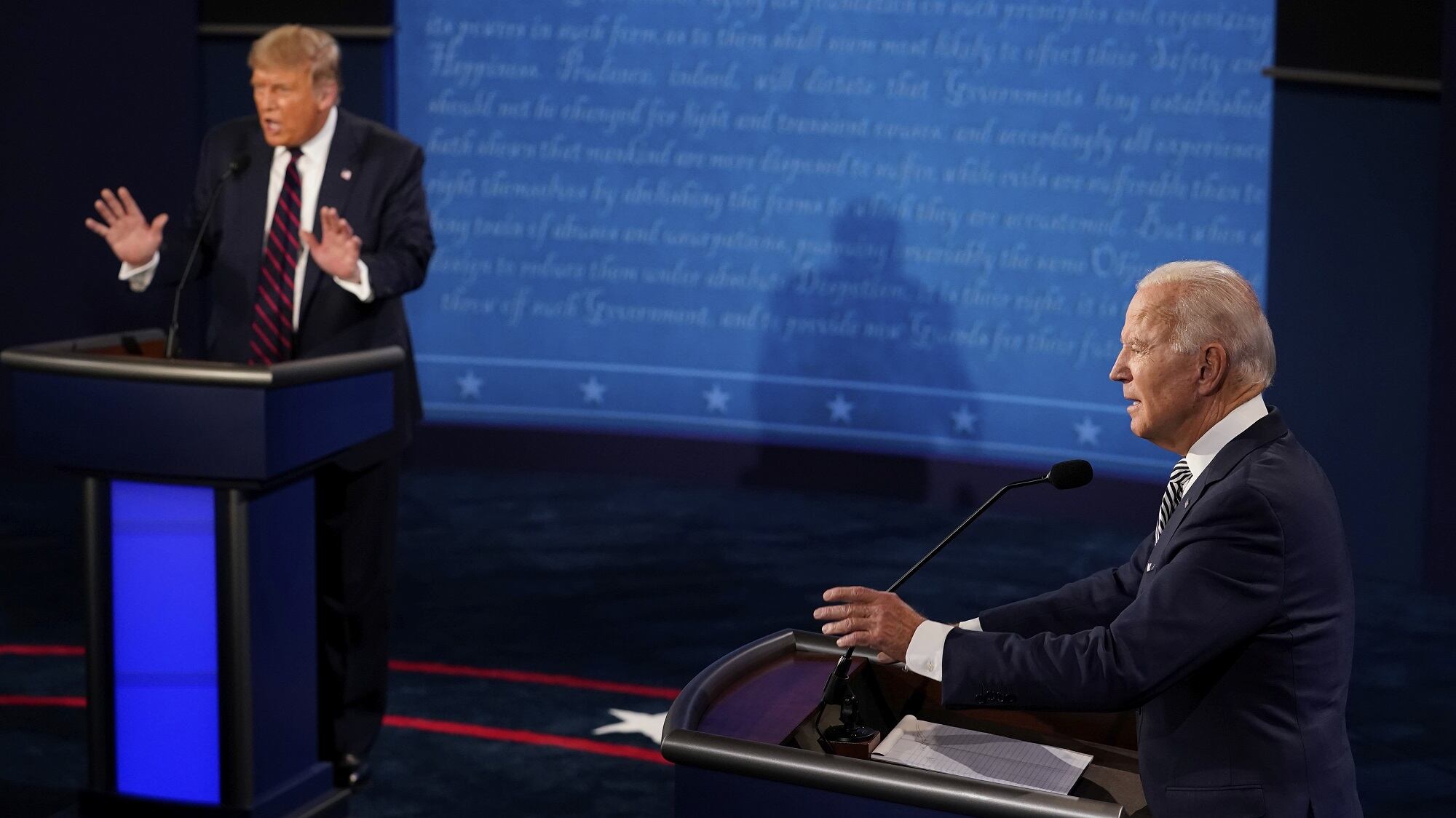
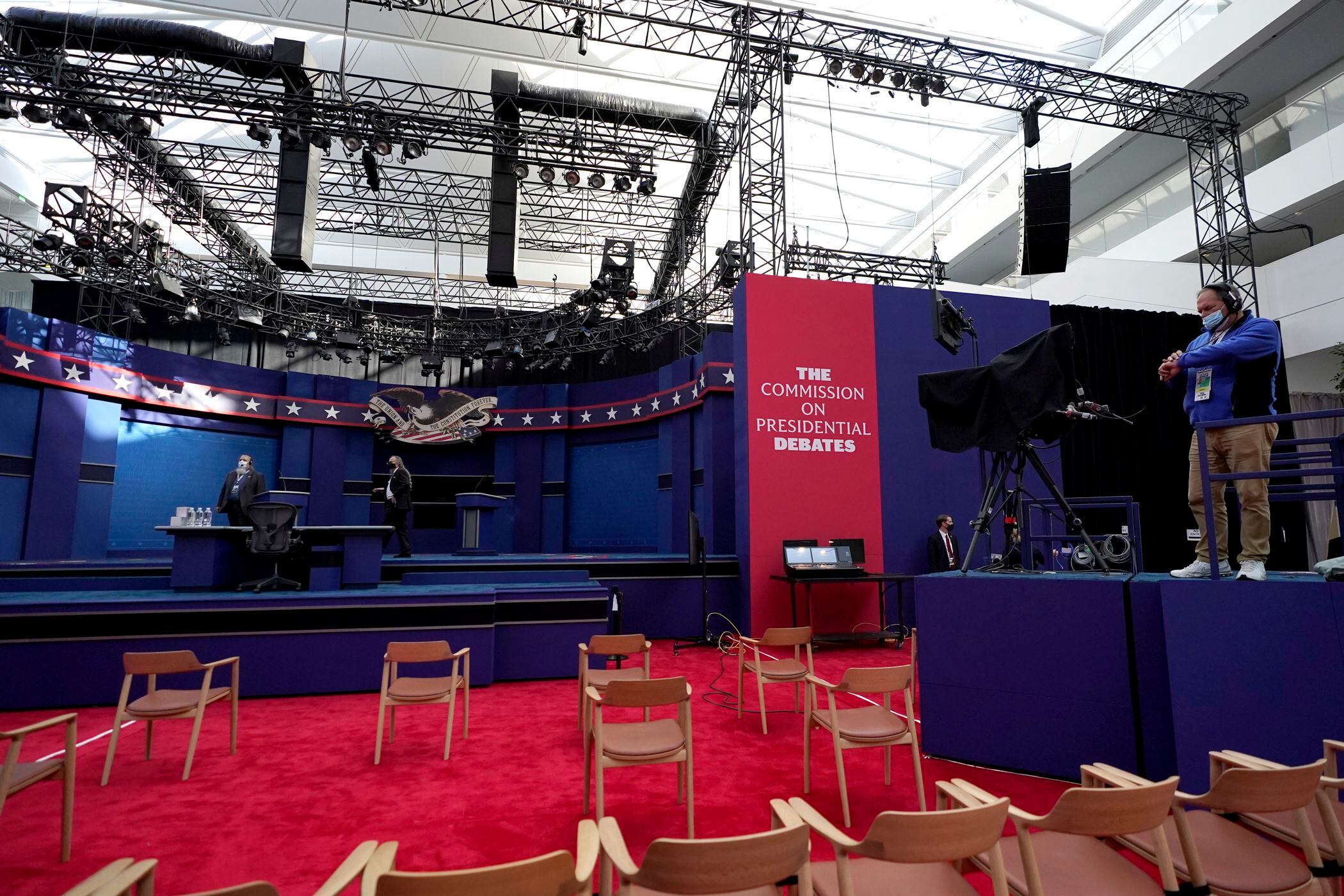
President Donald Trump and Democratic rival Joe Biden sparred Tuesday in their first of three debates, hoping to sway undecided voters planning to cast ballots by mail and in person in the final weeks leading up to the Nov. 3 election.
A look at how their statements from Cleveland stack up with the facts.
Stocks ended with moderate losses Tuesday as investors waited for the first debate between President Donald Trump and Democratic challenger Joe Biden.
Joey Bergstein, Seventh Generation CEO, joined Cheddar to discuss the climate crisis and the presidential debate.
Democratic presidential nominee Joe Biden paid nearly $288,000 in federal income taxes last year, according to returns he released just hours before his debate with President Donald Trump.
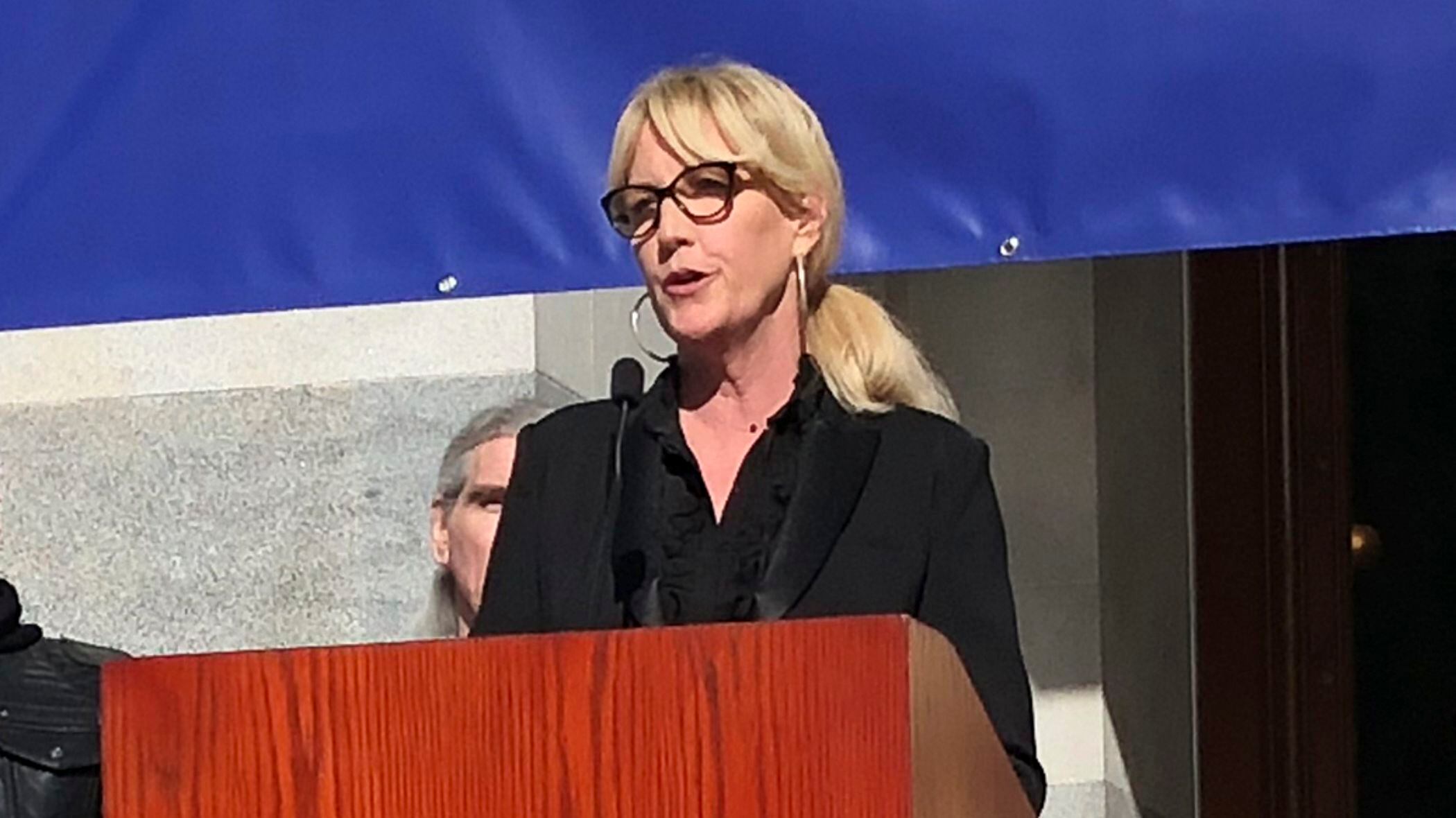
Activist, Erin Brockovich joined Cheddar to advocate for 911 operators to be classified as first responders and address problems plaguing the water supply in U.S. communities.
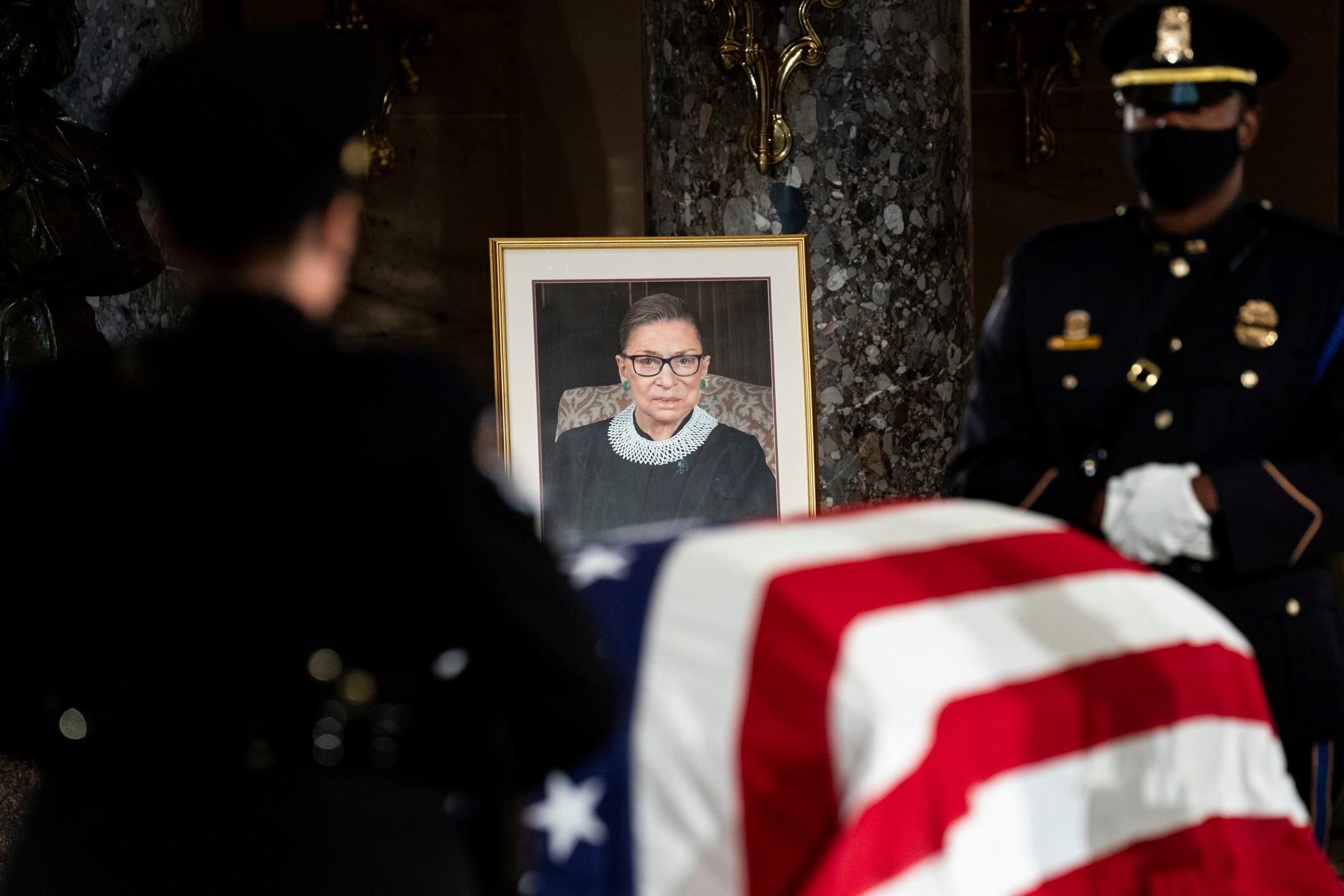
Supreme Court Justice Ruth Bader Ginsburg was buried Tuesday in a private ceremony at Arlington National Cemetery. She is the 14th justice to be buried at the cemetery.
The milestone, recorded by Johns Hopkins University, comes nine months into a crisis that has devastated the global economy, tested world leaders’ resolve, pitted science against politics and forced multitudes to change the way they live, learn and work.
President Donald Trump is expected to announce the shipment of millions of rapid coronavirus tests to states this week. He plans to urge governors to use them to reopen schools.
President Donald Trump paid just $750 in federal income taxes the year he ran for president and in his first year in the White House, according to a report Sunday in The New York Times.
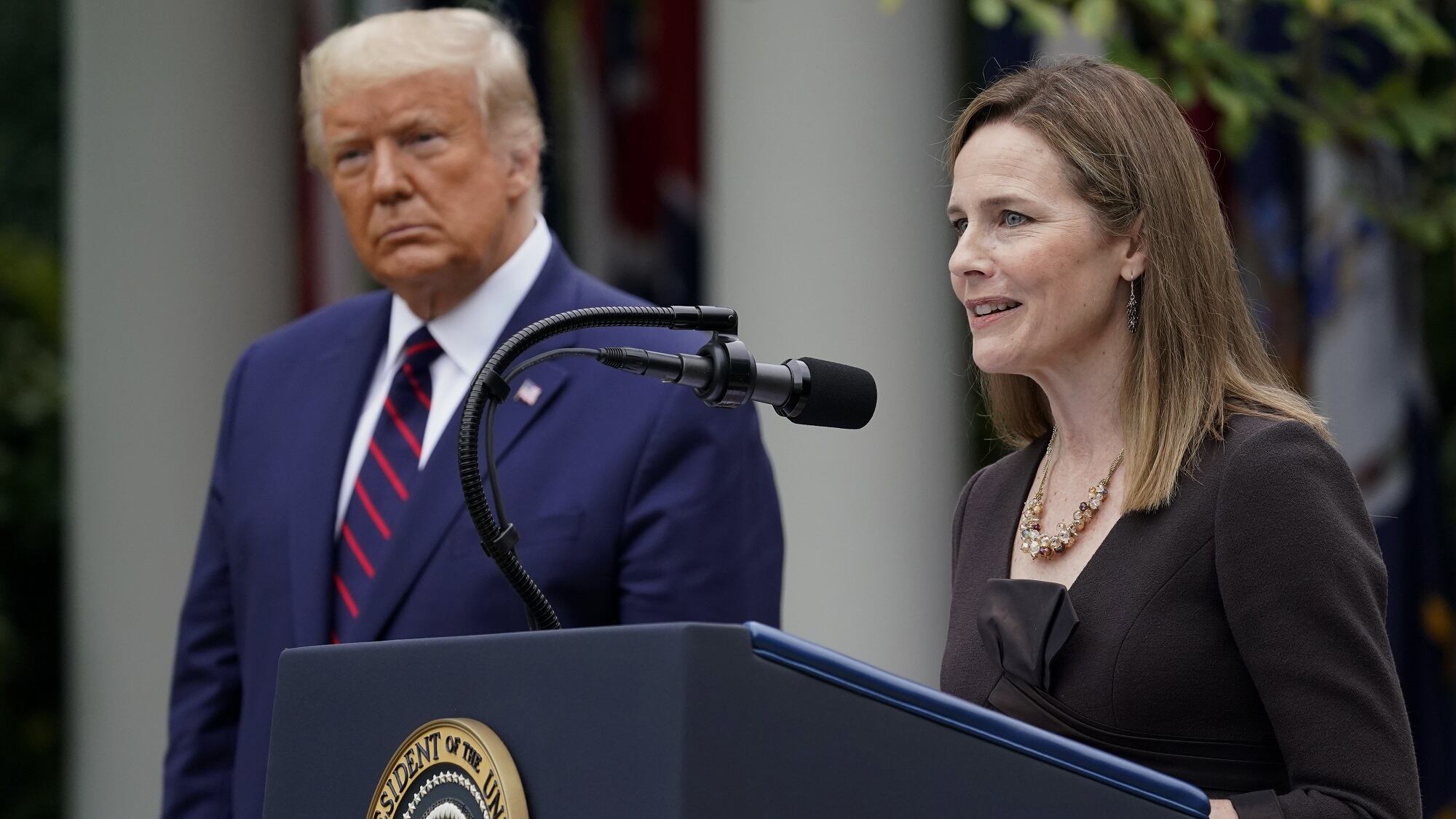
President Donald Trump nominated Judge Amy Coney Barrett to the Supreme Court on Saturday, capping a dramatic reshaping of the federal judiciary that will resonate for a generation and that he hopes will provide a needed boost to his reelection effort.