The Trump administration last week rescinded a Obama-era rule that asked HUD recipients to measure and consider fixes to racial segregation in their communities.
President Donald Trump then followed up the decision with a tweet that critics say was an explicit appeal to white, suburban voters.
"His tweet was aimed at a strategy of appealing to racial resentment and really people's worst ideas about how our communities should be structured," David Sanchez, director of research and development for the National Community Stabilization Trust, told Cheddar. "Attitudes like that are a big reason why we have such severe segregation by race, class, and opportunity in this country, and unfortunately the president is trying to use those fears to benefit himself politically."
The loss of the rule itself has gotten less attention, in part due to its low profile as more of a regulatory tweak than an aggressive federal policy.
The Affirmatively Furthering Fair Housing Rule that Trump's HUD eliminated asked municipalities and housing authorities to account for racial bias in their communities by writing a report and issuing recommendations, but it did not force municipalities to address segregation directly.
"It was about gathering data," Sanchez said. "It was about getting people talking about segregation. But it wasn't about forcing communities to do anything."
In the long-term, though, he added that cutting the rule will only contribute to the ongoing economic divide between the suburbs and cities.
"It's going to continue to concentrate economic resources, social privilege in certain people who can afford to live in high-opportunity communities," Sanchez said. "In the same way the COVID crisis has supercharged inequality in this country, this is just another step in that direction."
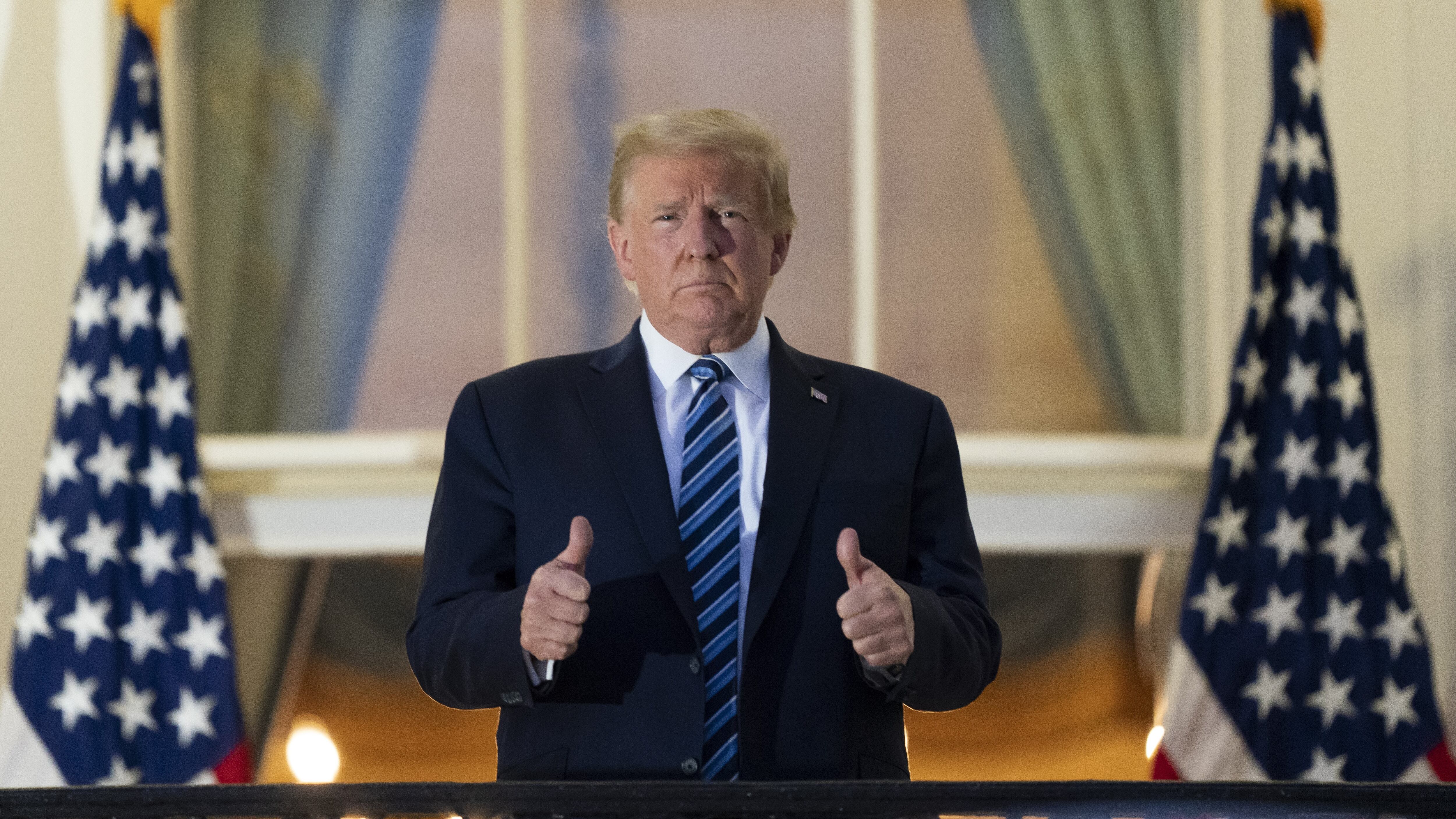
President Donald Trump is back at the White House after staging a dramatic return from the military hospital where he has been receiving an unprecedented level of care for COVID-19.
President Donald Trump says he will leave the military hospital and return to the White House Monday evening.
Former Obama officials say that the protocols in place are up to the task of preserving the continuity of the U.S. government in the event President Trump may be incapacitated.
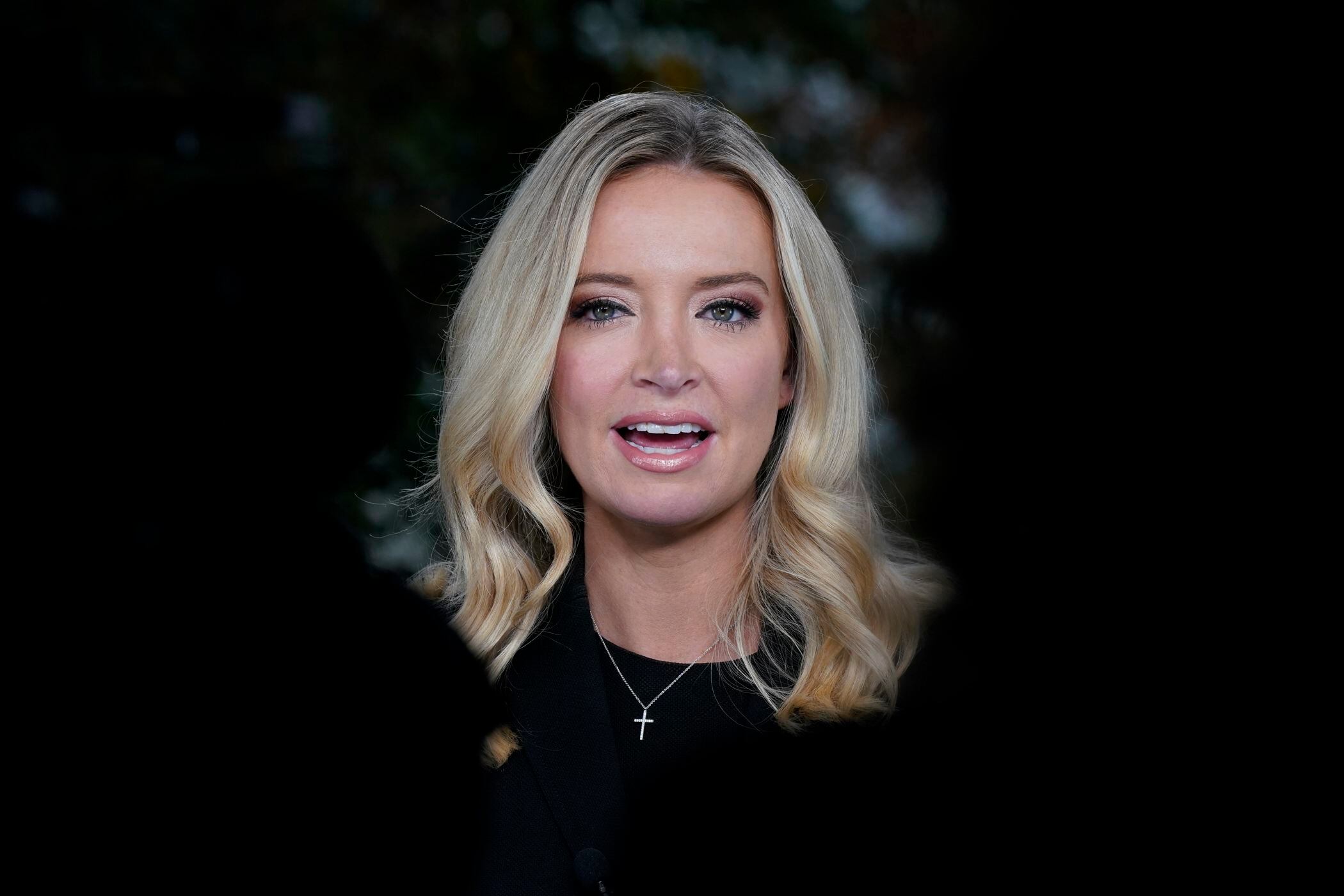
White House press secretary Kayleigh McEnany says she has tested positive for COVID 19 days after President Trump's diagnosis.
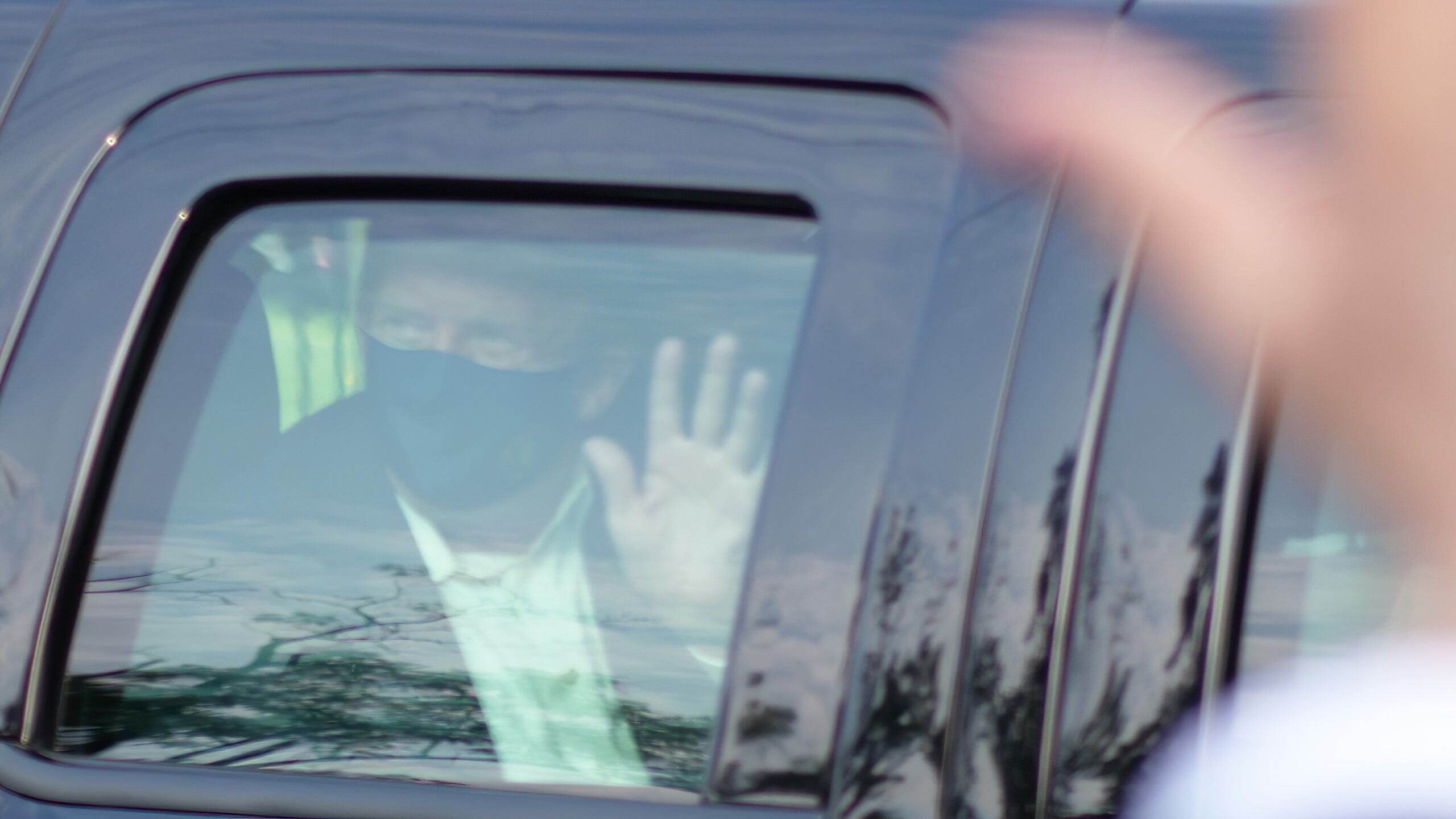
Two days after being hospitalized with COVID-19, President Donald Trump declared, “I get it,” in a message to the nation Sunday before briefly leaving the hospital to salute supporters from his motorcade.
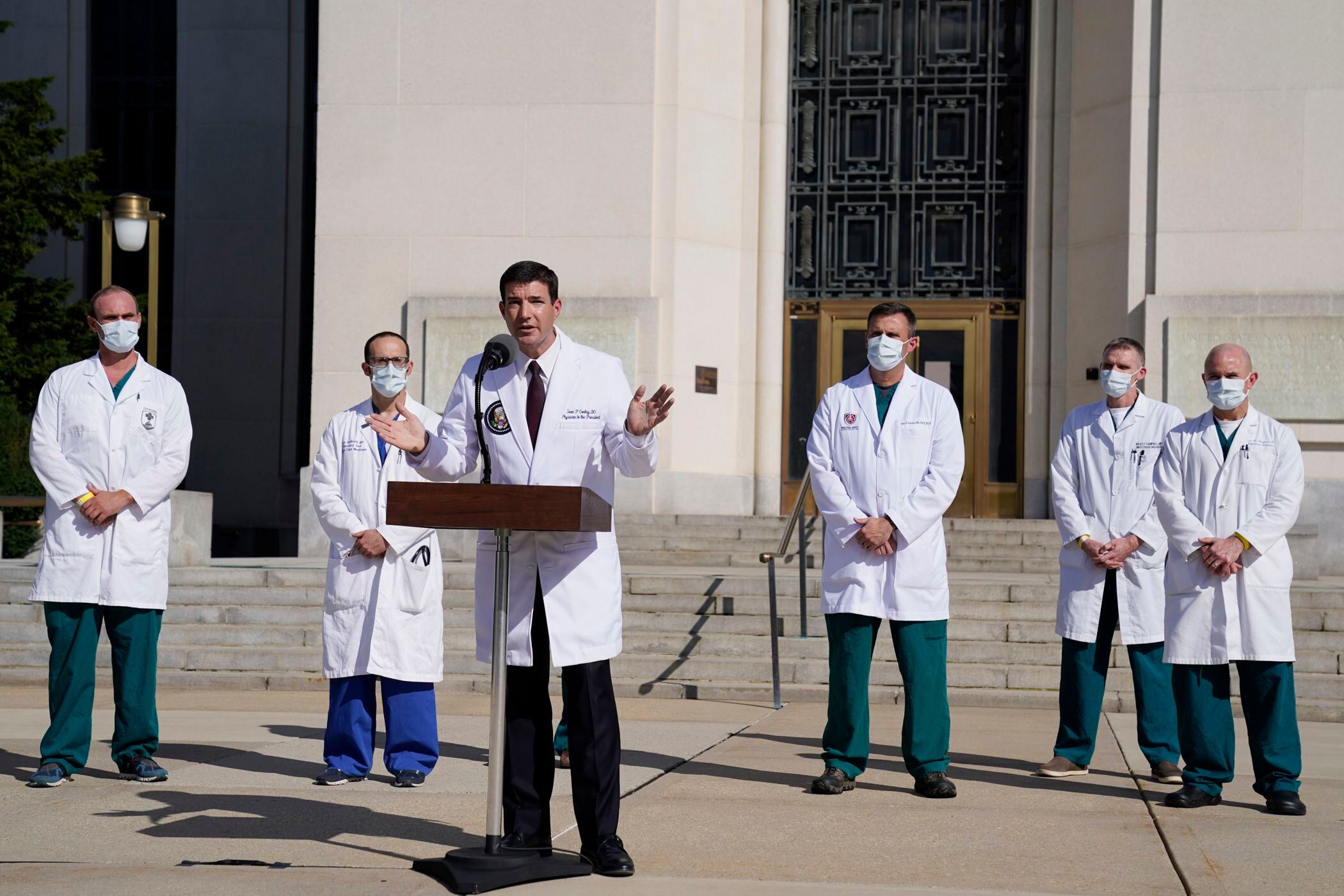
President Donald Trump faces “critical” coming days after a “very concerning” period in his fight against COVID-19 at a military hospital, his chief of staff said Saturday — in contrast to a rosier assessment moments earlier by Trump doctors, who took pains not to reveal the president had received supplemental oxygen at the White House before his hospital admission.
President Donald Trump went through a “very concerning” period Friday and faces a “critical” next two days in his fight against COVID-19 at a military hospital, his chief of staff said Saturday — in contrast to a rosier assessment moments earlier by Trump doctors, who took pains not to reveal the president had received supplemental oxygen at the White House before his hospital admission.
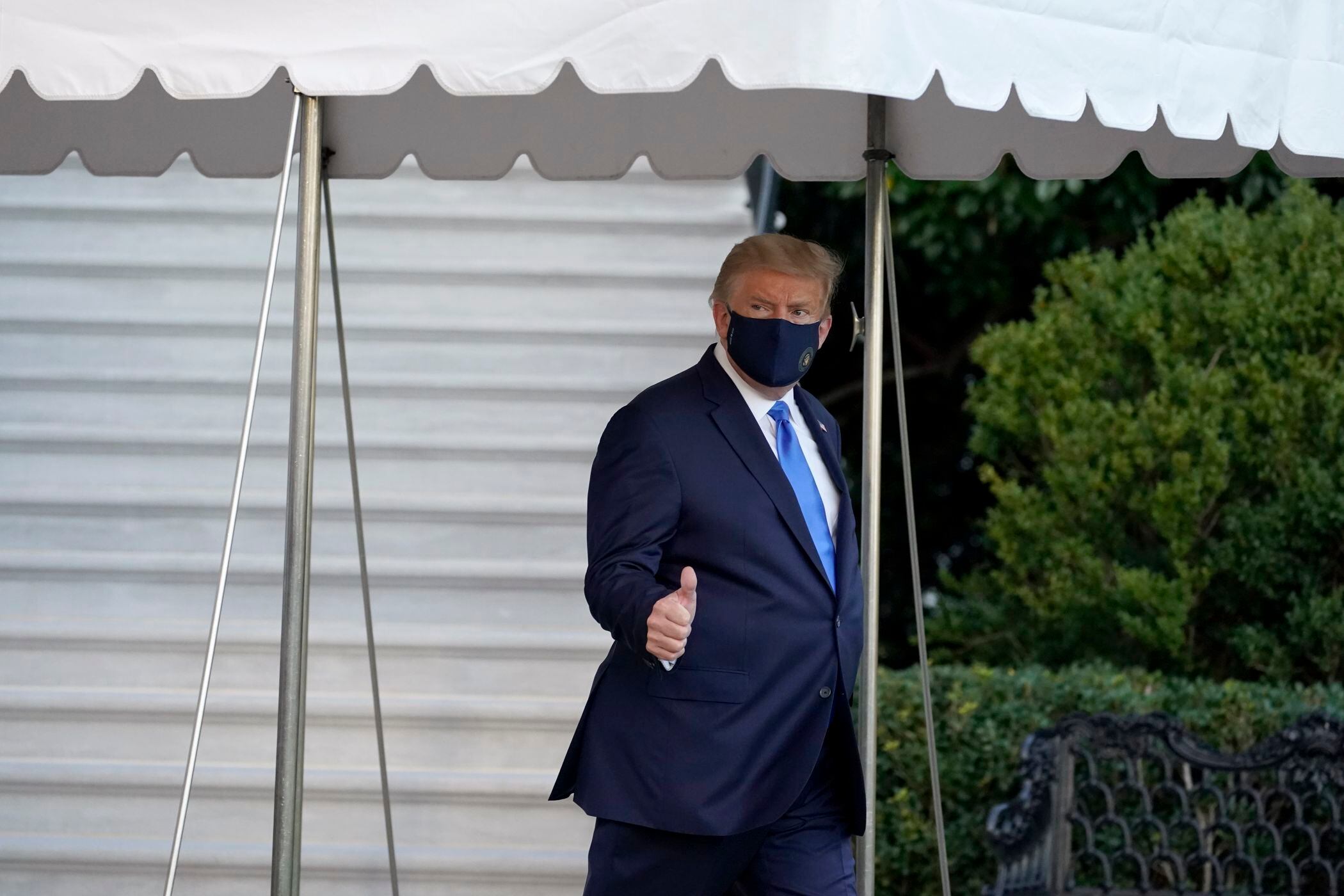
President Donald Trump appeared in public Friday evening for first time since testing positive for COVID-19 as he boarded Marine One for what was expected to be a stay of a “few days” at a military hospital.
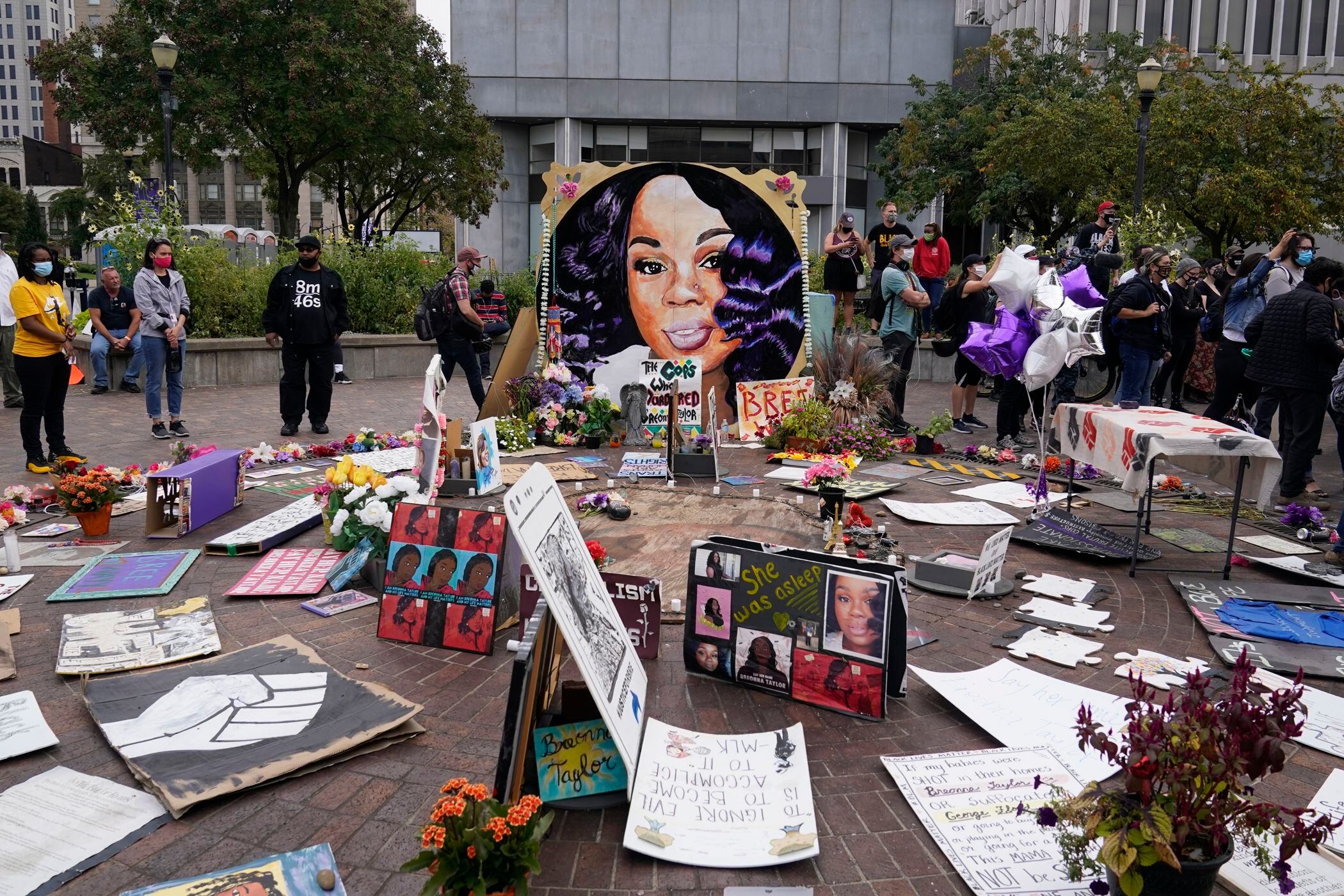
Police said they knocked and announced themselves for a minute or more before bursting into Breonna Taylor’s apartment, but her boyfriend said he did not hear officers identify themselves, according to Kentucky grand jury recordings released Friday.
White House chief economist Joe LaVorgna joined Cheddar to discuss the economy's current standing.