The Trump administration last week rescinded a Obama-era rule that asked HUD recipients to measure and consider fixes to racial segregation in their communities.
President Donald Trump then followed up the decision with a tweet that critics say was an explicit appeal to white, suburban voters.
"His tweet was aimed at a strategy of appealing to racial resentment and really people's worst ideas about how our communities should be structured," David Sanchez, director of research and development for the National Community Stabilization Trust, told Cheddar. "Attitudes like that are a big reason why we have such severe segregation by race, class, and opportunity in this country, and unfortunately the president is trying to use those fears to benefit himself politically."
The loss of the rule itself has gotten less attention, in part due to its low profile as more of a regulatory tweak than an aggressive federal policy.
The Affirmatively Furthering Fair Housing Rule that Trump's HUD eliminated asked municipalities and housing authorities to account for racial bias in their communities by writing a report and issuing recommendations, but it did not force municipalities to address segregation directly.
"It was about gathering data," Sanchez said. "It was about getting people talking about segregation. But it wasn't about forcing communities to do anything."
In the long-term, though, he added that cutting the rule will only contribute to the ongoing economic divide between the suburbs and cities.
"It's going to continue to concentrate economic resources, social privilege in certain people who can afford to live in high-opportunity communities," Sanchez said. "In the same way the COVID crisis has supercharged inequality in this country, this is just another step in that direction."
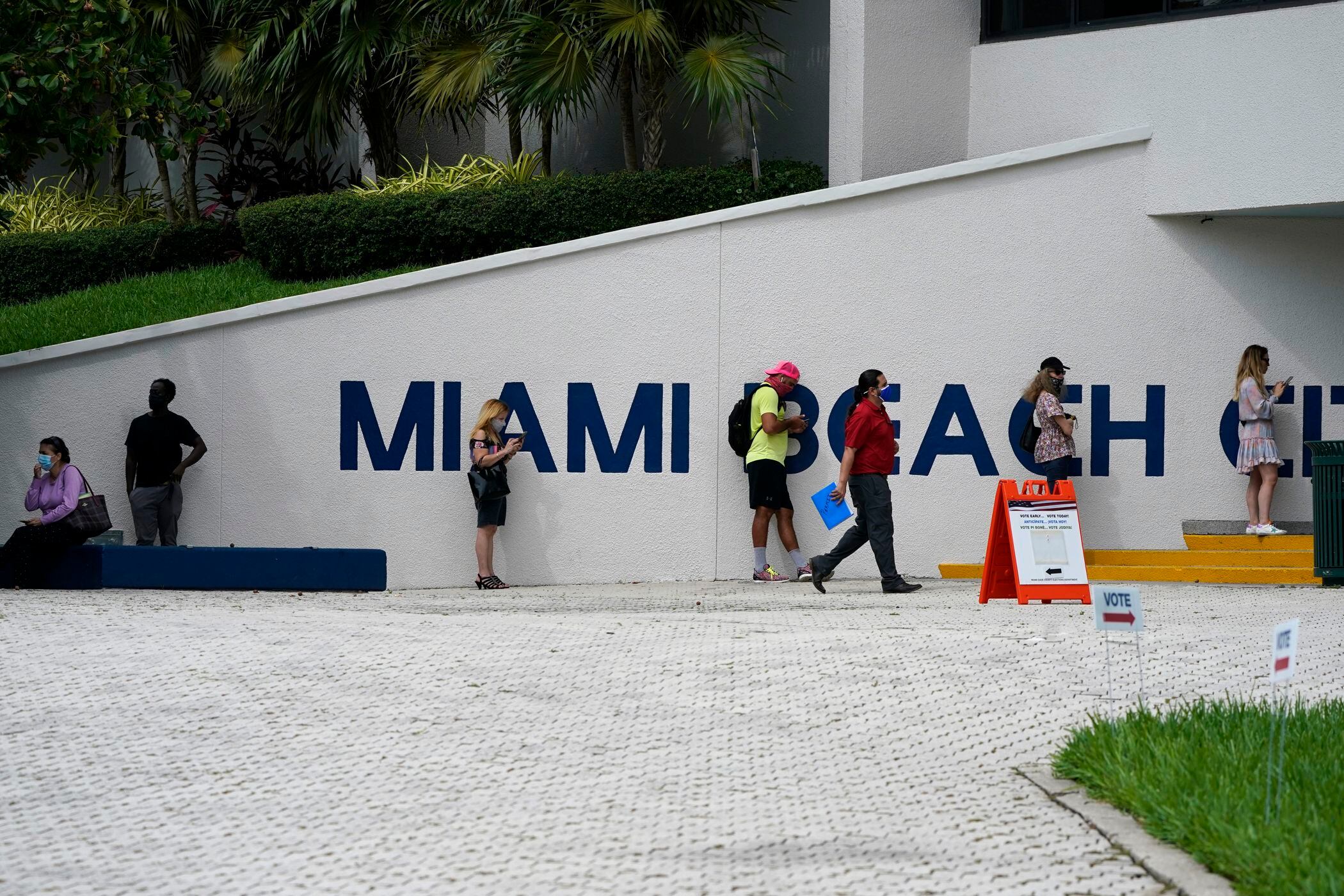
Non-profit, Equal Ground, is looking drive up Black voter turnout in Florida with a new initiative. Jasmine Burney-Clark, the Director of Equal Ground, joined Cheddar to discuss efforts to increase Black voter turnout.
According to the latest Cheddar/SurveyUSA poll, attitudes toward social media giants like Facebook and Twitter are largely mixed among Americans ahead of the 2020 election.
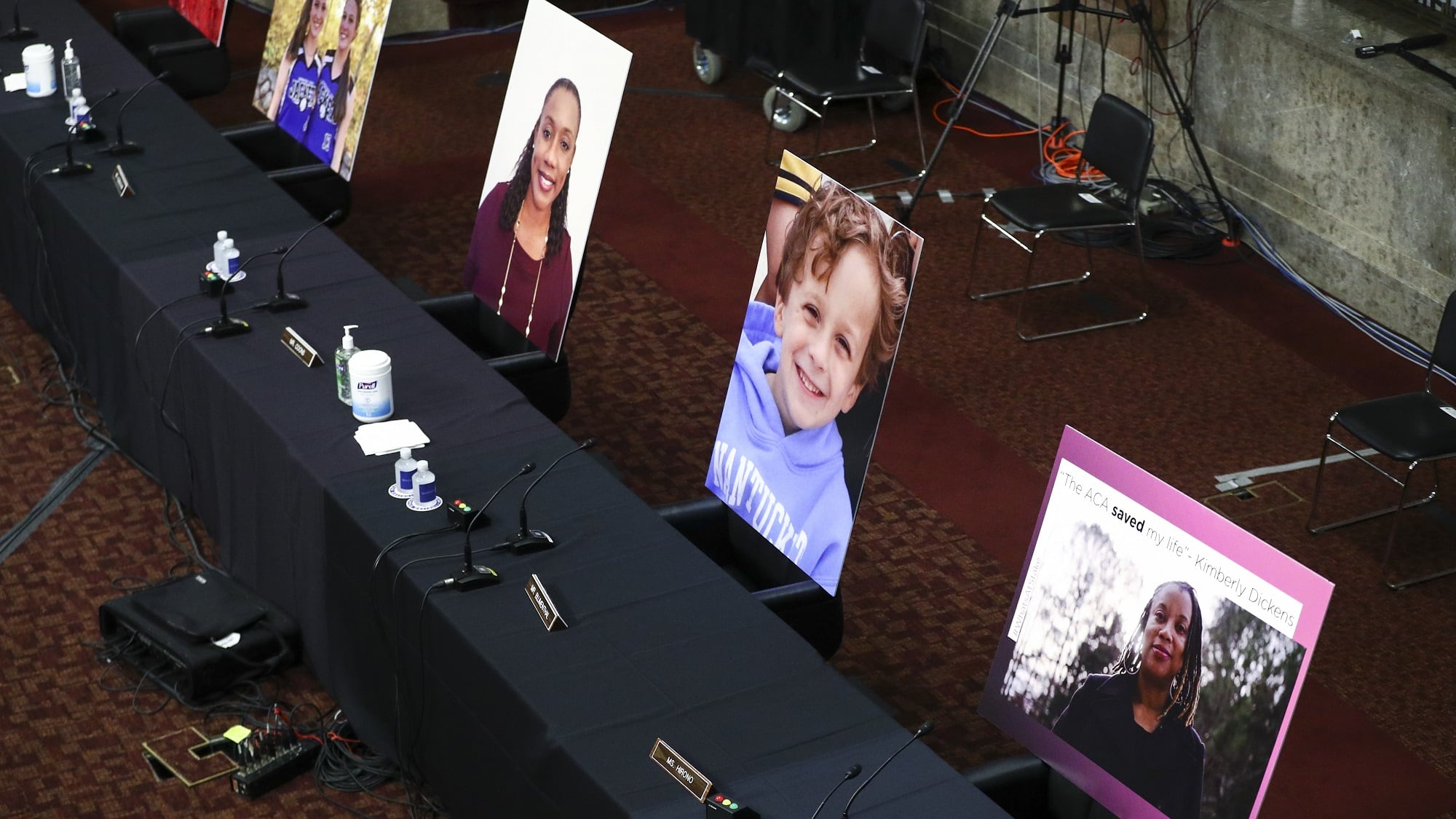
Senate Judiciary Committee Republicans powered past a Democratic boycott Thursday to advance Amy Coney Barrett's Supreme Court nomination to the full Senate, keeping President Donald Trump's pick on track for confirmation before Election Day.
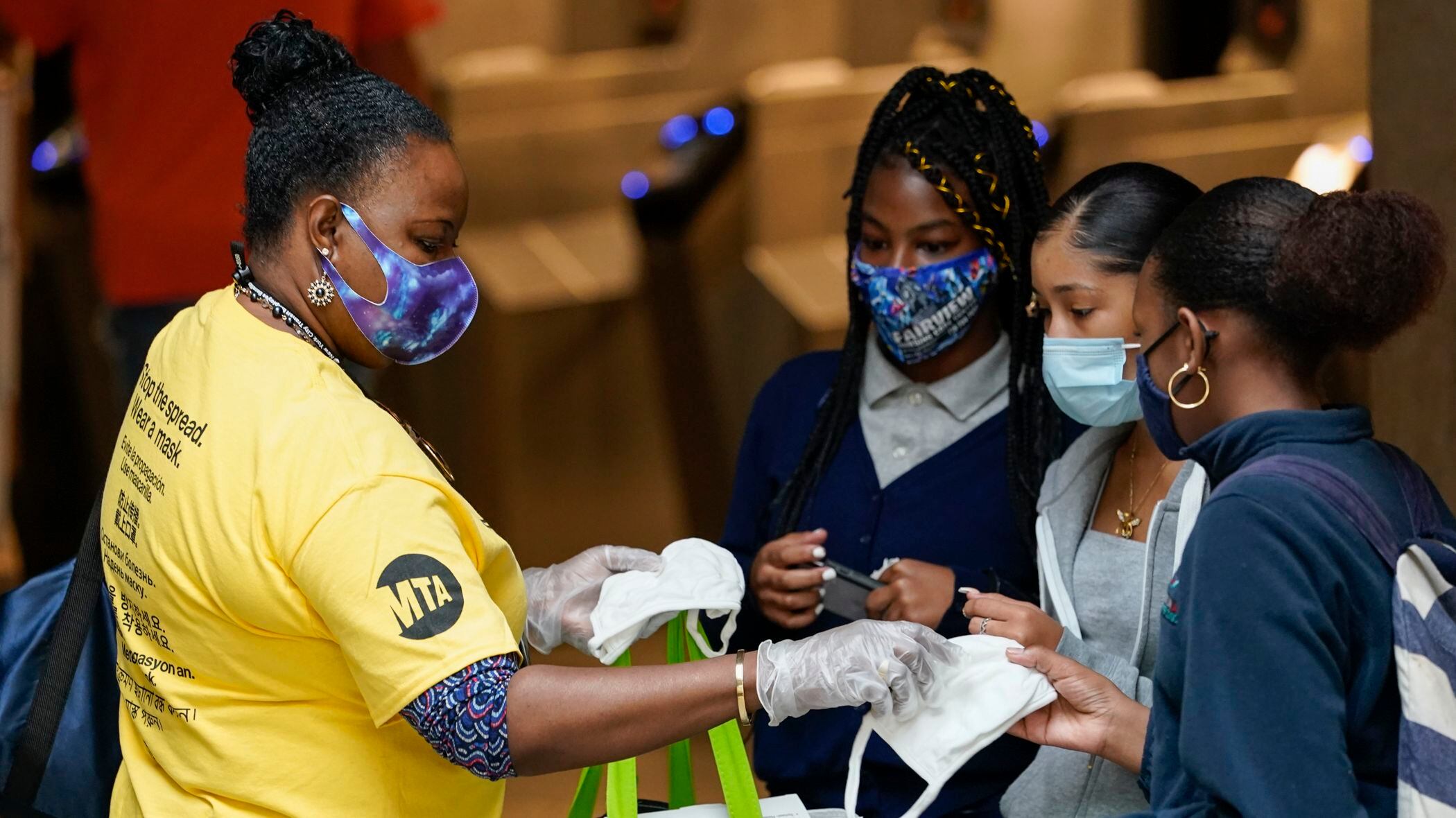
A pilot study from New York University found that over the summer a quarter of NYC transit workers reported testing positive for the coronavirus and that 90 percent of them still had fears of contracting COVID-19 on the job.
Justice Department officials told The Associated Press that Purdue Pharma, the company that makes OxyContin, will plead guilty to three federal criminal charges as part of a settlement of more than $8 billion.
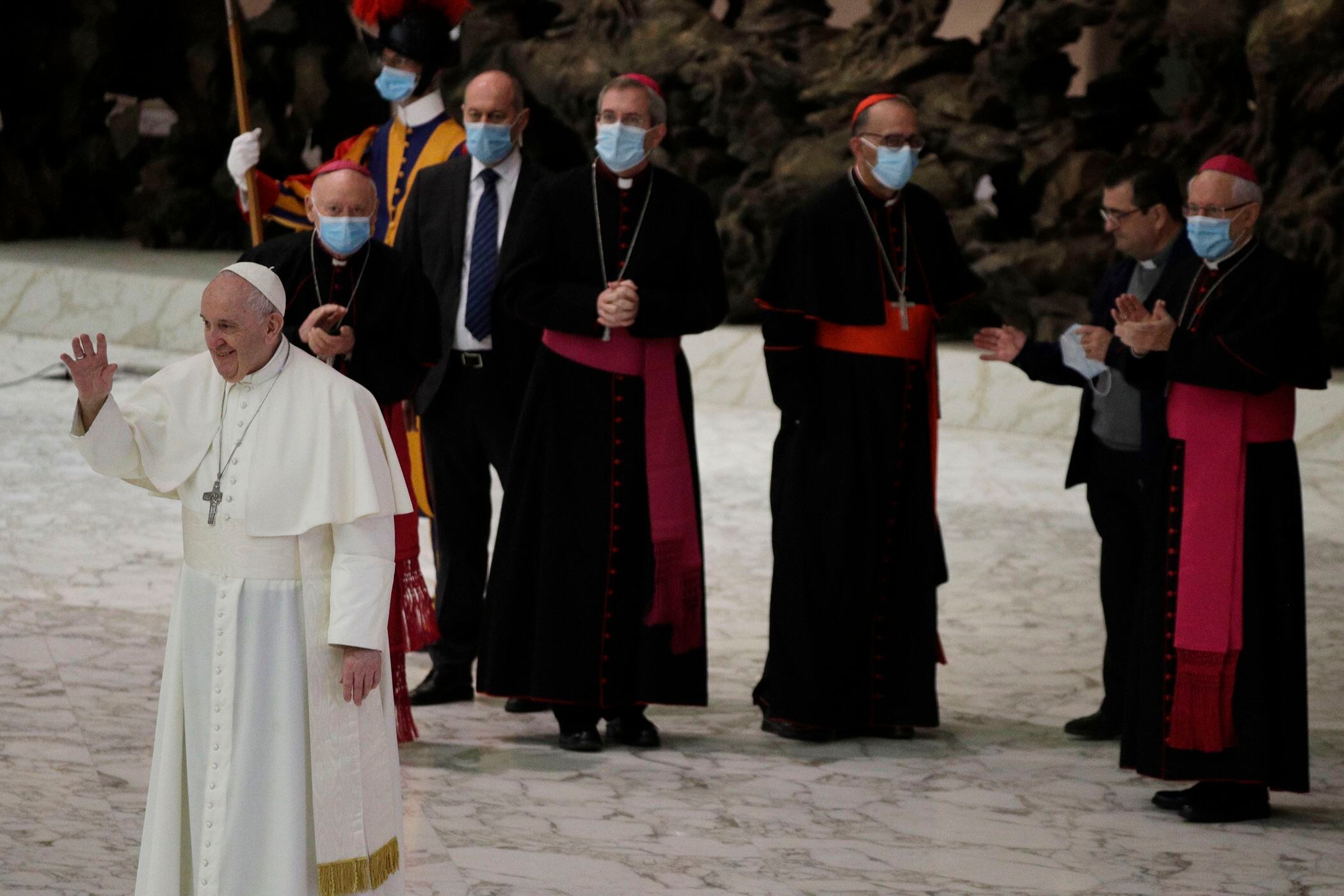
Pope Francis endorsed gay civil unions for the first time as pope while being interviewed for a feature-length documentary that made its premiere at the Rome Film Festival on Wednesday.
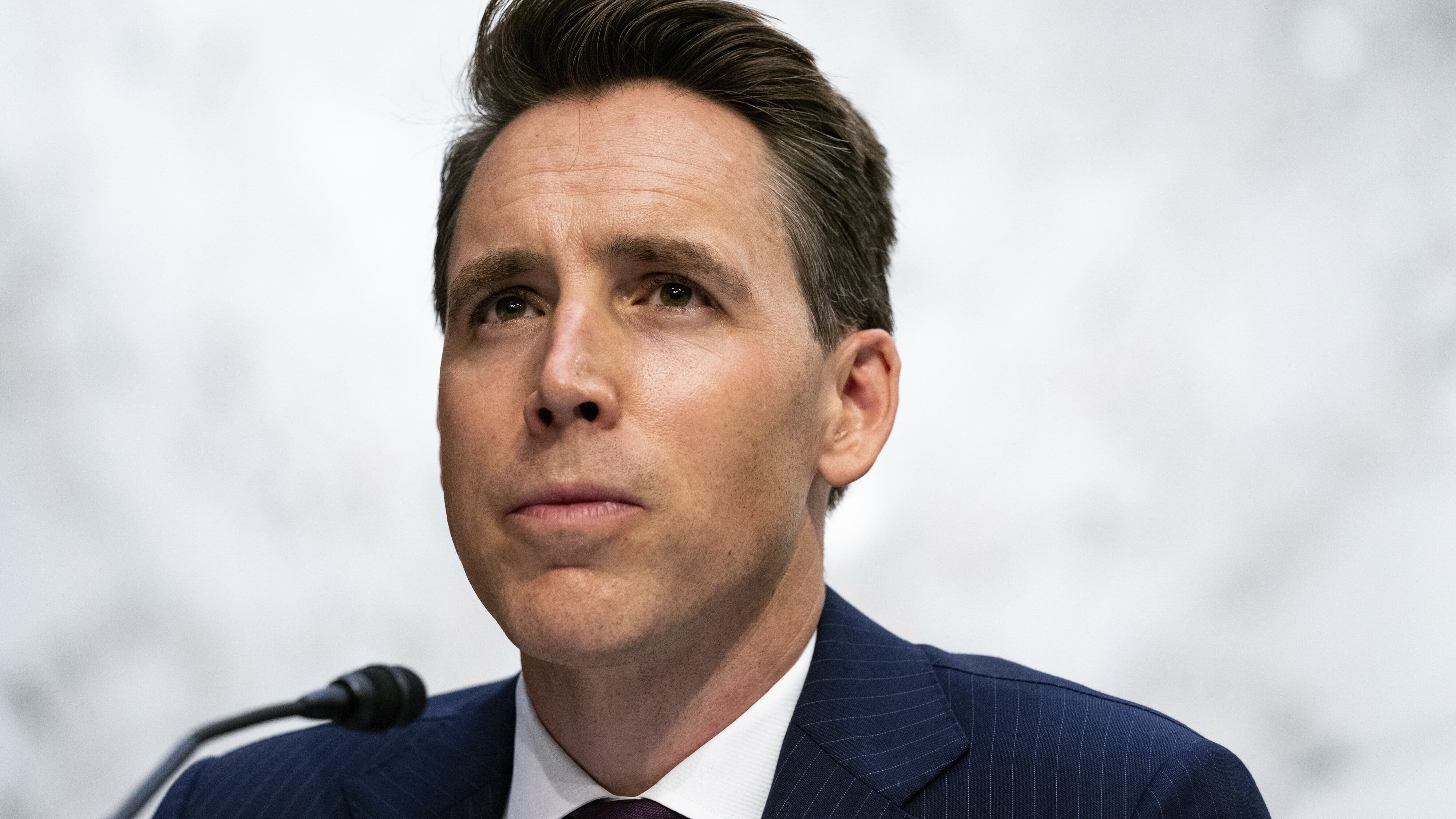
U.S. Senator Josh Hawley (R-Mo.), a vocal critic of big tech, said the antitrust lawsuit filed on Tuesday by the Department of Justice against Google has the potential to become the biggest strike against monopoly power since the Microsoft case settled in 2001.
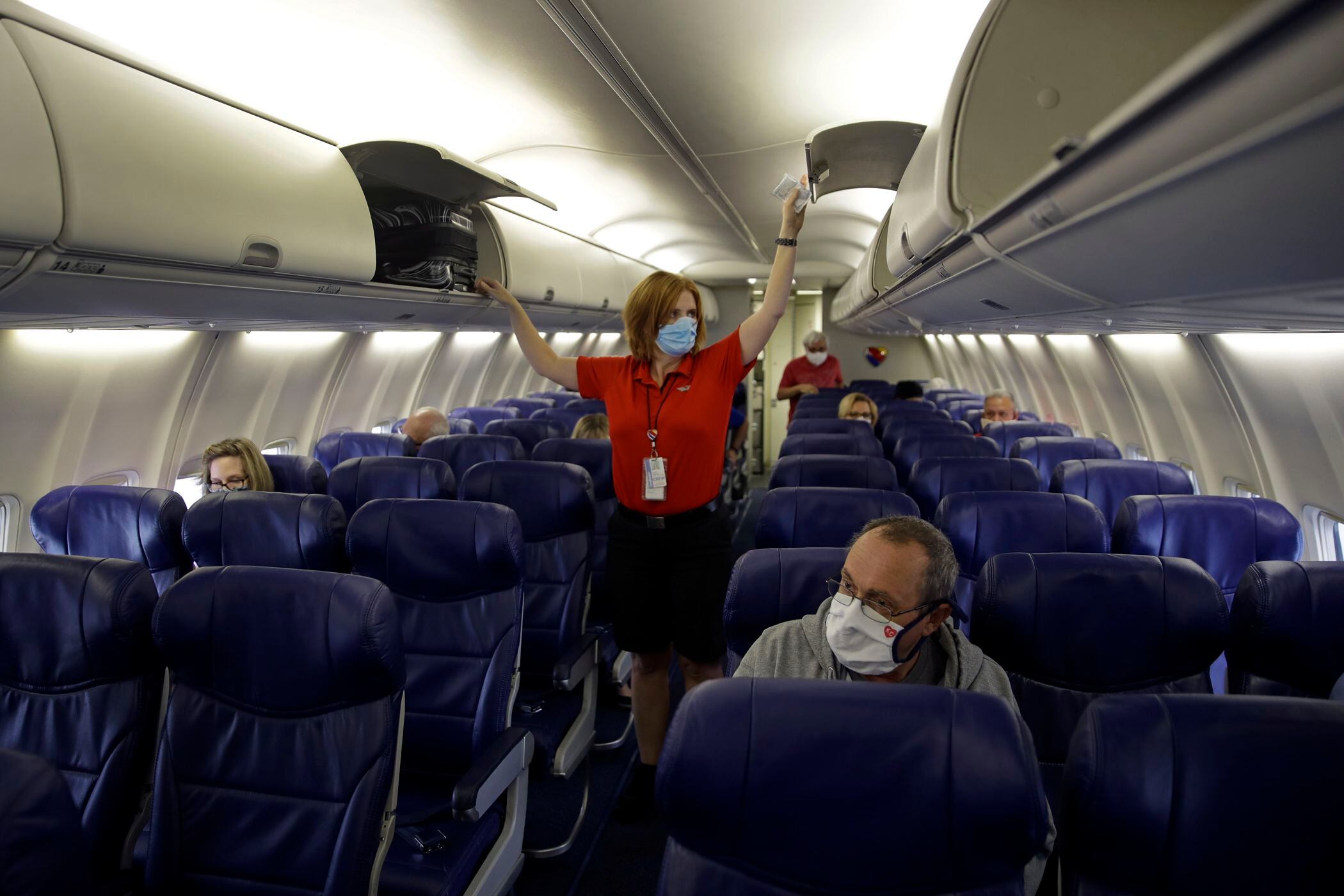
Sarah Nelson, president of the Flight Attendants Association, joined Cheddar to discuss the airline industry's need for renewed stimulus. Nelson also talks about the impact layoffs and furloughs have had on airline workers.
Social media is taking a particularly important role in this year's election as the platforms works to remove misinformation. Cheddar's Michelle Castillo reports.
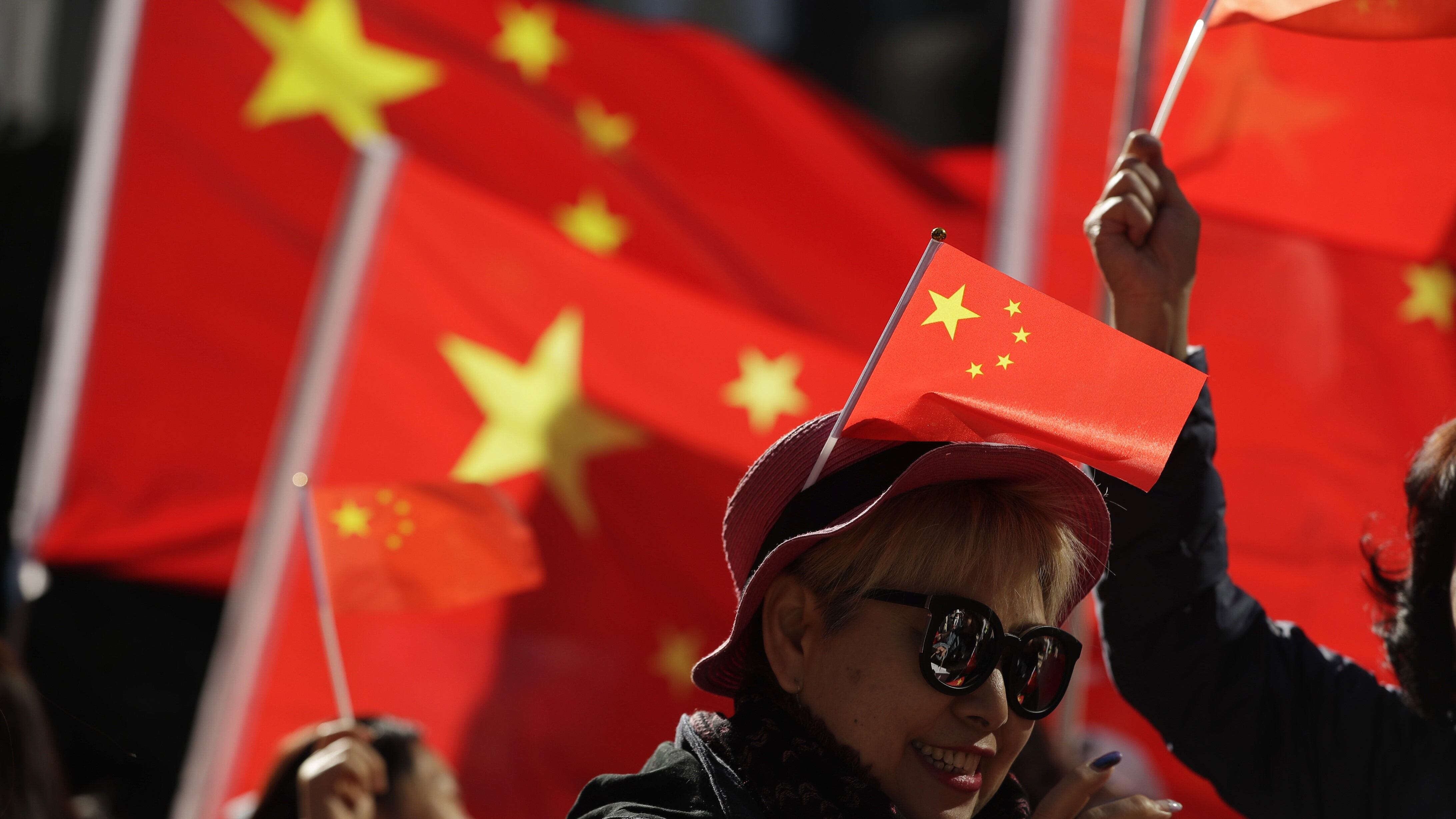
Former Trump administration National Security Advisor, Lt. Gen. H.R. McMaster, joined Cheddar to discuss the U.S.-China conflict and the threat the nation poses.