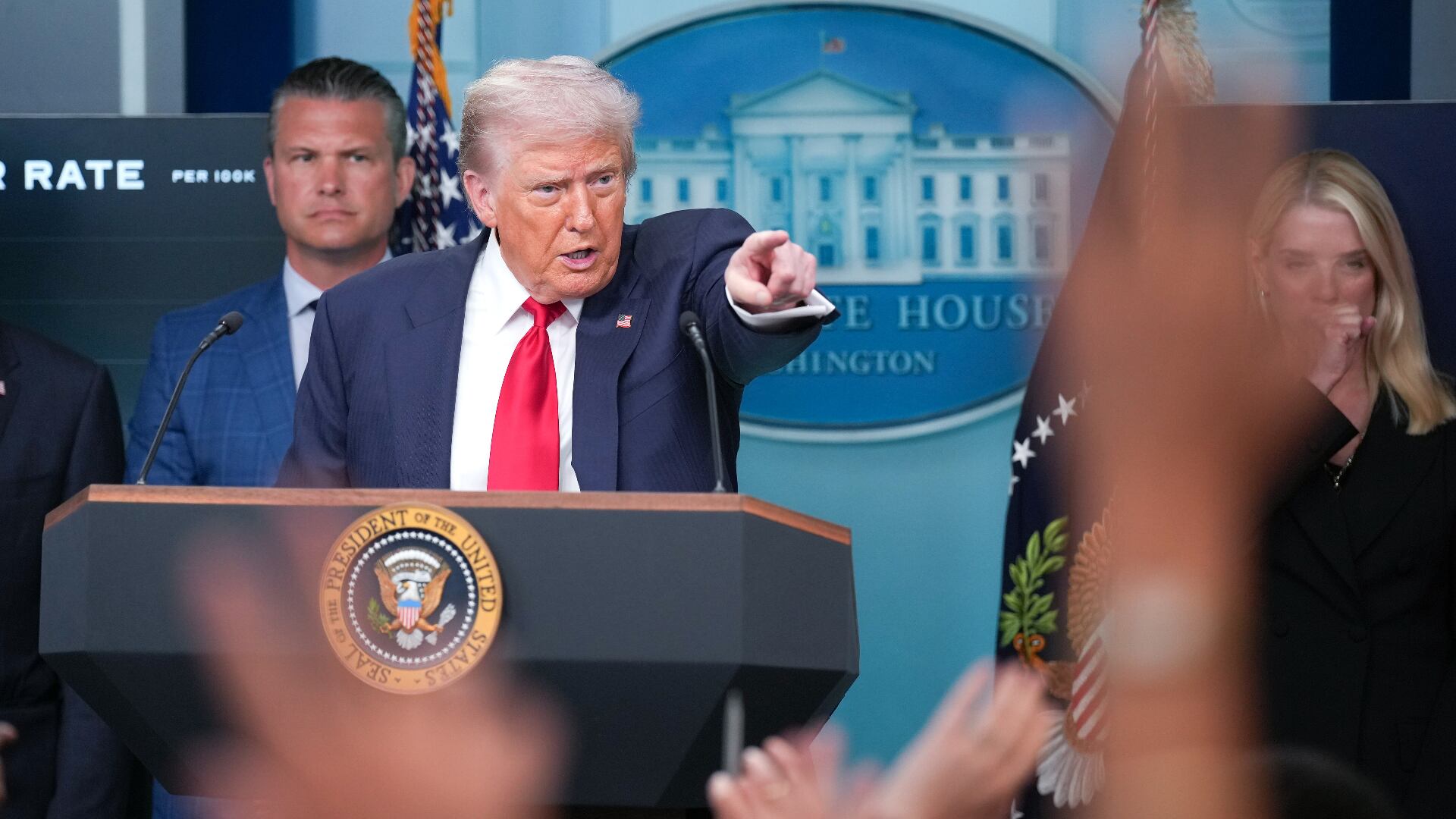
The Trump administration last week rescinded a Obama-era rule that asked HUD recipients to measure and consider fixes to racial segregation in their communities.
President Donald Trump then followed up the decision with a tweet that critics say was an explicit appeal to white, suburban voters.
"His tweet was aimed at a strategy of appealing to racial resentment and really people's worst ideas about how our communities should be structured," David Sanchez, director of research and development for the National Community Stabilization Trust, told Cheddar. "Attitudes like that are a big reason why we have such severe segregation by race, class, and opportunity in this country, and unfortunately the president is trying to use those fears to benefit himself politically."
The loss of the rule itself has gotten less attention, in part due to its low profile as more of a regulatory tweak than an aggressive federal policy.
The Affirmatively Furthering Fair Housing Rule that Trump's HUD eliminated asked municipalities and housing authorities to account for racial bias in their communities by writing a report and issuing recommendations, but it did not force municipalities to address segregation directly.
"It was about gathering data," Sanchez said. "It was about getting people talking about segregation. But it wasn't about forcing communities to do anything."
In the long-term, though, he added that cutting the rule will only contribute to the ongoing economic divide between the suburbs and cities.
"It's going to continue to concentrate economic resources, social privilege in certain people who can afford to live in high-opportunity communities," Sanchez said. "In the same way the COVID crisis has supercharged inequality in this country, this is just another step in that direction."
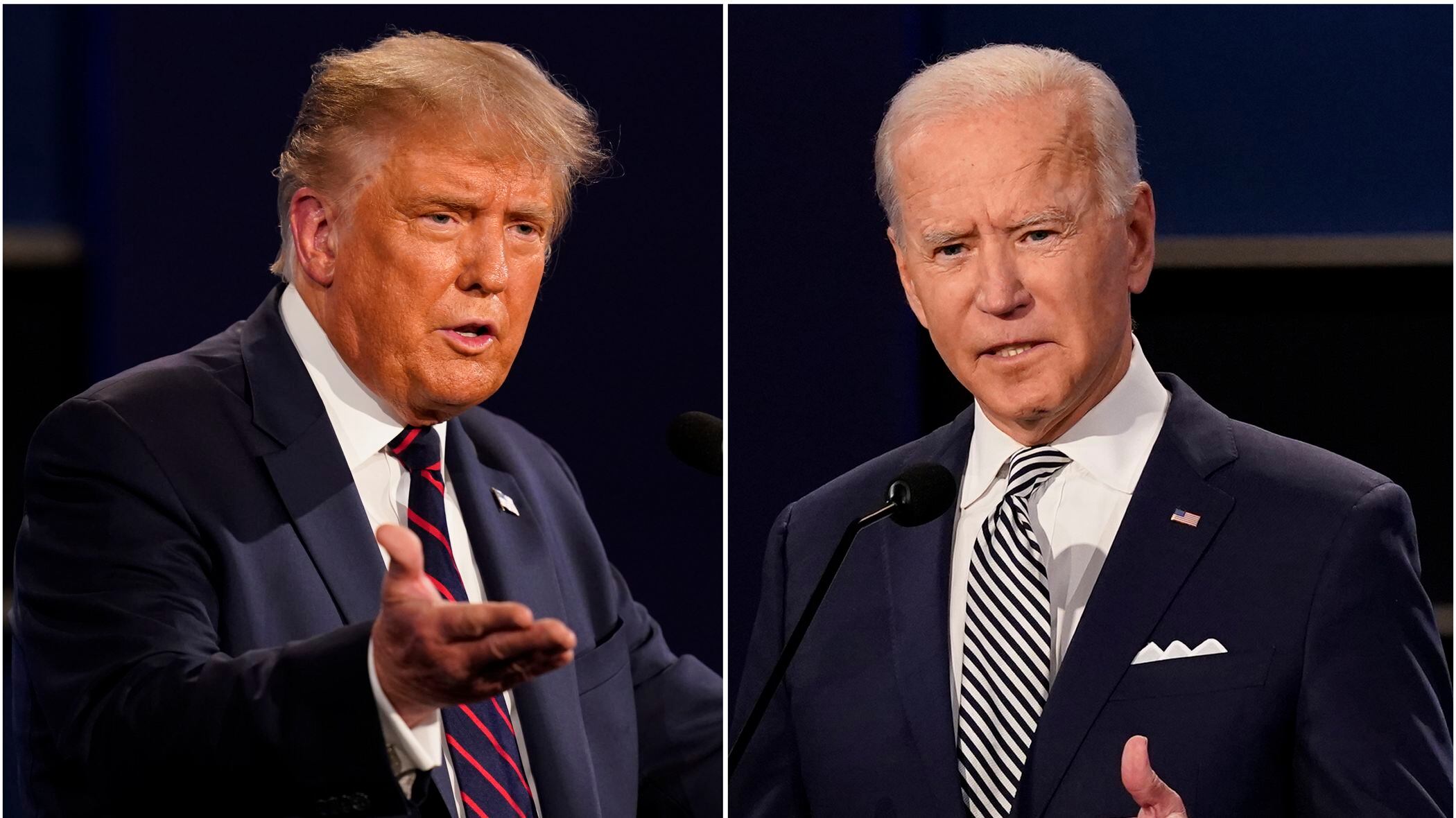
Government spending is at record levels under the Trump administration and its drawing attention to the U.S. tax code. Cheddar's Kristen Scholer breaks takes a look at how Trump and Biden tax plans compare.
For countries around the planet, the presidency of Donald Trump in its first term has been, it is safe to say, a singular experience to watch.
Former Vice President Joe Biden has been hoping to match Trump in the one area where the president dominates most — social media advertising.
The Republican and Democratic candidates for Utah's gubernatorial seat having linked arms for an unconventional campaign ad that shows despite conflicting ideas, civility is possible. Lt. Governor Spencer Cox and Democratic challenger, Chris Peterson joined Cheddar to discuss how civility among people and politicians can move the country forward.
With weekly jobless claims remaining high, voters might want to know more about what former Vice President Joe Biden and President Donald Trump intend to do on the issue of labor.
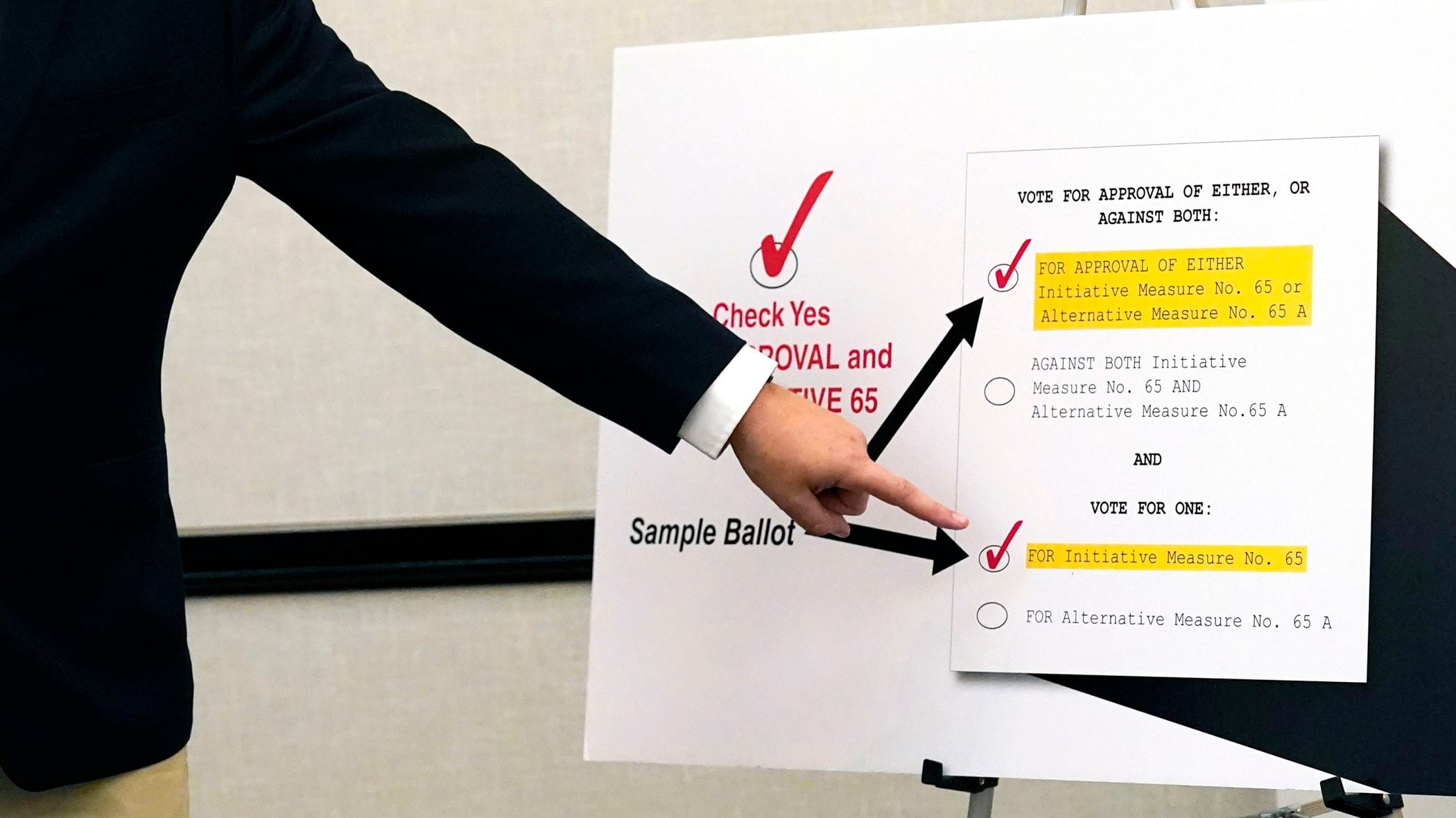
Voters in Arizona, Montana, and New Jersey will vote on adult-use cannabis legalization, while voters in Mississippi will decide on medical cannabis and South Dakota will consider both medical and adult-use simultaneously.
Digital political ads , while not the primary source for campaigns, are growing in popularity. Cheddar's Michelle Castillo takes a look at how Facebook's political ad policies are being implemented.
Police are investigating vandalism that left several headstones at a Jewish cemetery in Grand Rapids spray-painted with “TRUMP” and “MAGA” before President Donald Trump held his final campaign rally in the western Michigan city.
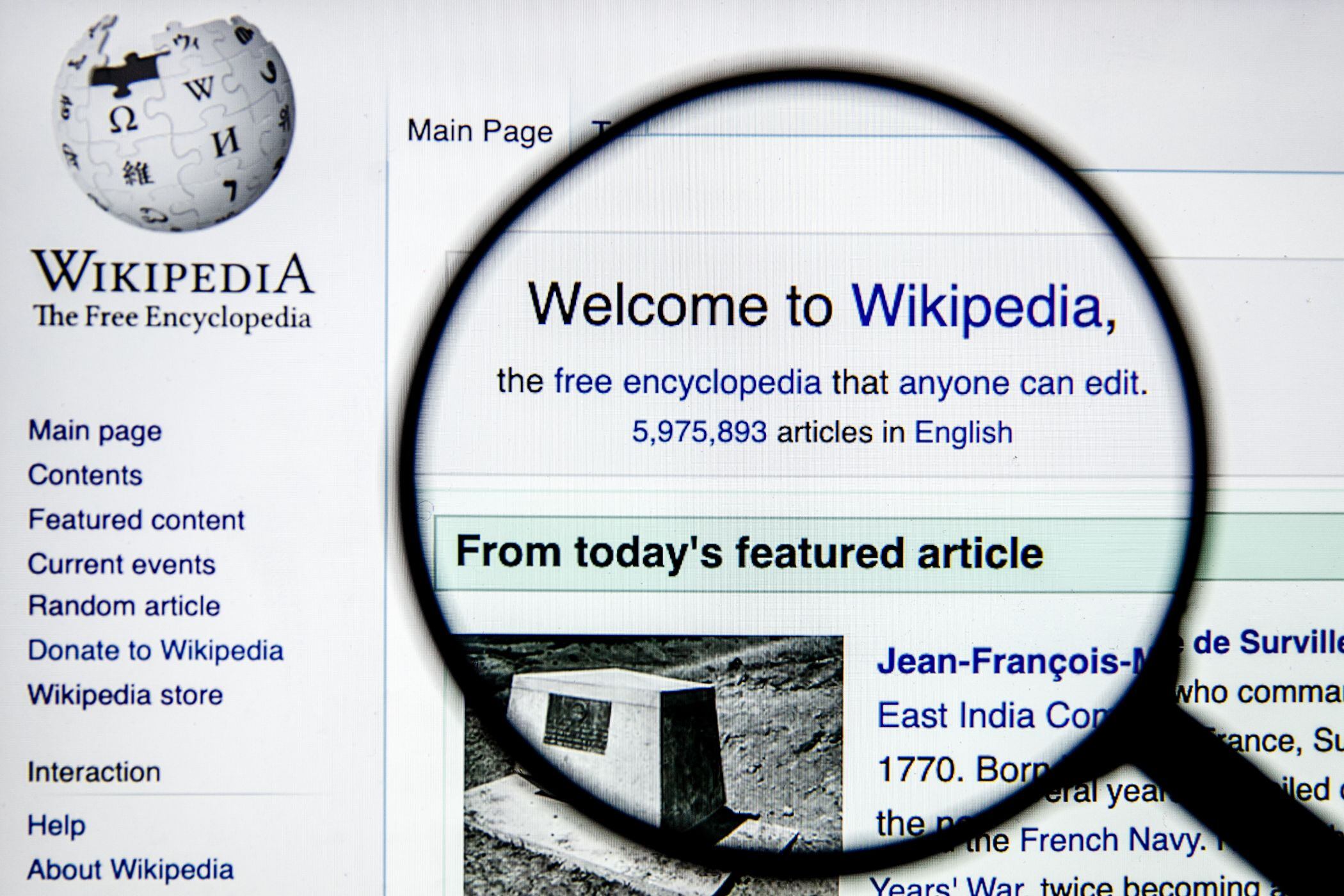
Ryan Merkley, Wikimedia Foundation's chief of staff, joined Cheddar to discuss how Wikipedia is combating the spread of misinformation on Election Day.
Ahead of Tuesday's election, we're breaking down the candidates proposals on the federal minimum wage, particularly as the cost of living rises.