The Trump administration last week rescinded a Obama-era rule that asked HUD recipients to measure and consider fixes to racial segregation in their communities.
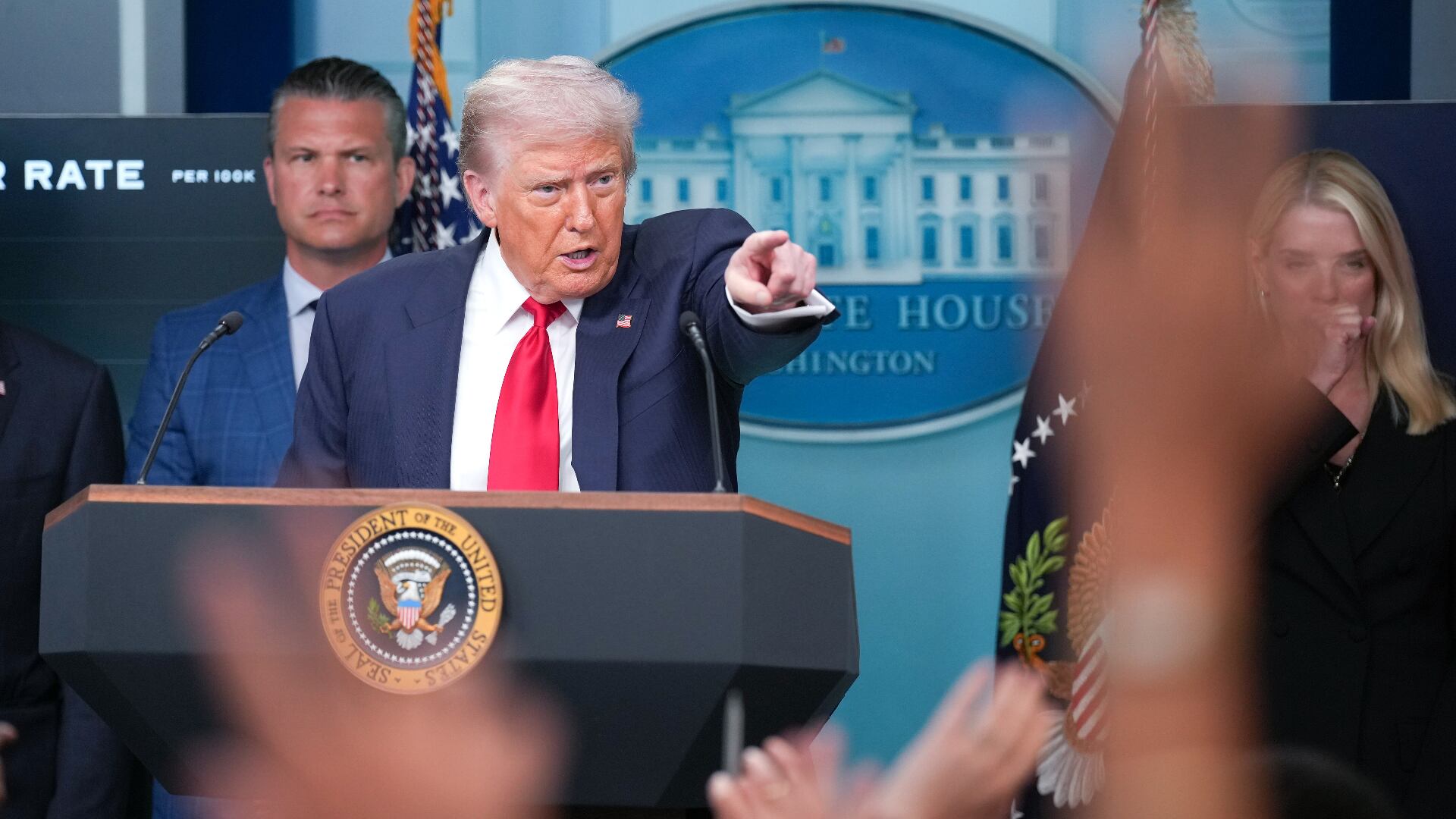
President Donald Trump then followed up the decision with a tweet that critics say was an explicit appeal to white, suburban voters.
"His tweet was aimed at a strategy of appealing to racial resentment and really people's worst ideas about how our communities should be structured," David Sanchez, director of research and development for the National Community Stabilization Trust, told Cheddar. "Attitudes like that are a big reason why we have such severe segregation by race, class, and opportunity in this country, and unfortunately the president is trying to use those fears to benefit himself politically."
The loss of the rule itself has gotten less attention, in part due to its low profile as more of a regulatory tweak than an aggressive federal policy.
The Affirmatively Furthering Fair Housing Rule that Trump's HUD eliminated asked municipalities and housing authorities to account for racial bias in their communities by writing a report and issuing recommendations, but it did not force municipalities to address segregation directly.
"It was about gathering data," Sanchez said. "It was about getting people talking about segregation. But it wasn't about forcing communities to do anything."
In the long-term, though, he added that cutting the rule will only contribute to the ongoing economic divide between the suburbs and cities.
"It's going to continue to concentrate economic resources, social privilege in certain people who can afford to live in high-opportunity communities," Sanchez said. "In the same way the COVID crisis has supercharged inequality in this country, this is just another step in that direction."
We'll be taking our feelings about this deeply divisive election to work with us. An expert weighs in on how to keep up company morale and coworker relationships when disagreements arise.
Voters in Arizona and New Jersey added their states to the list of places legalizing marijuana for adults. And Oregon became the first state to decriminalize possession of small amounts of hard drugs.
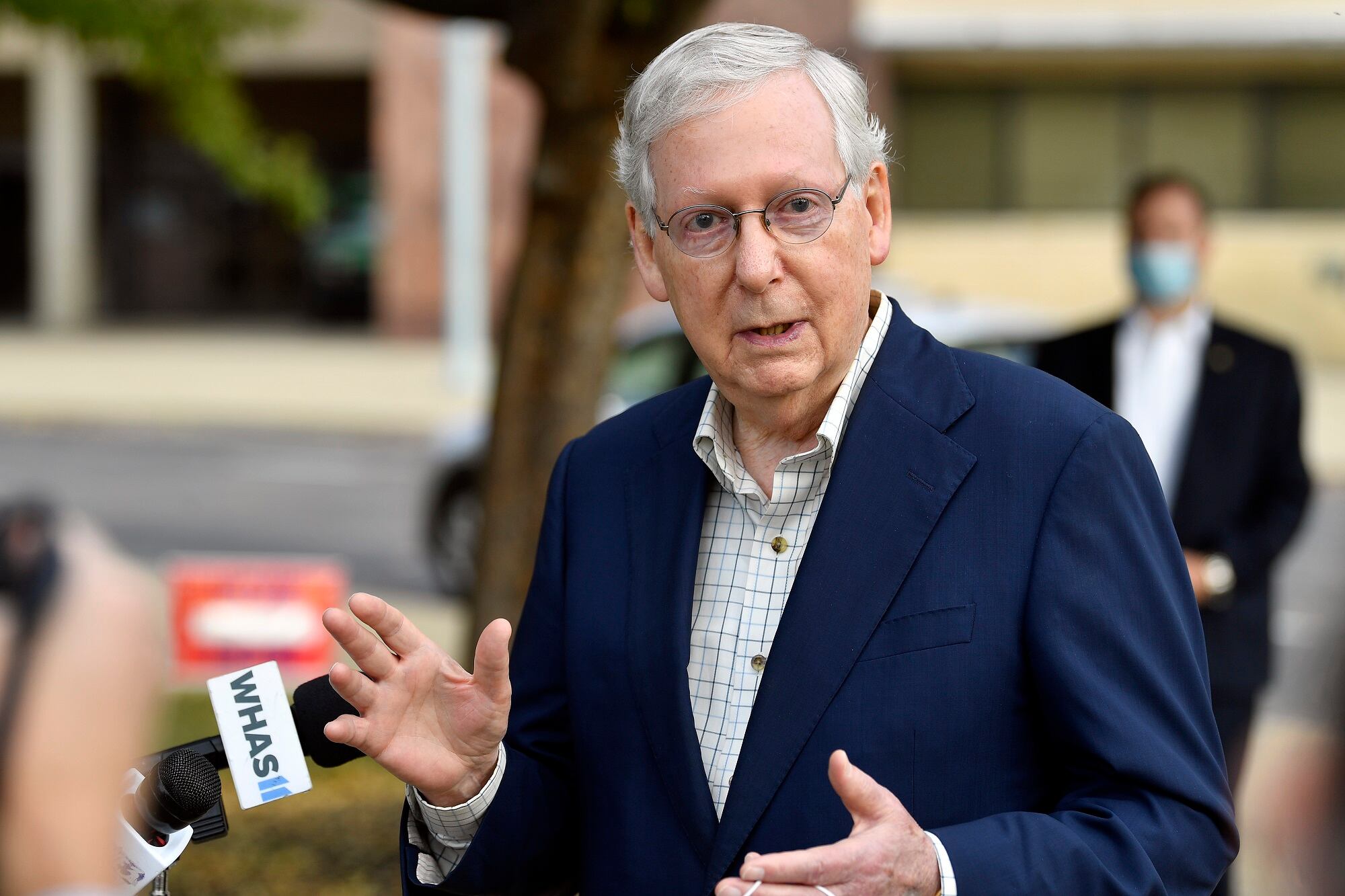
In Kentucky, Senate Majority Leader Mitch McConnell fended off Democrat Amy McGrath, a former fighter pilot in a costly campaign, but he acknowledged his GOP colleagues face tougher races.
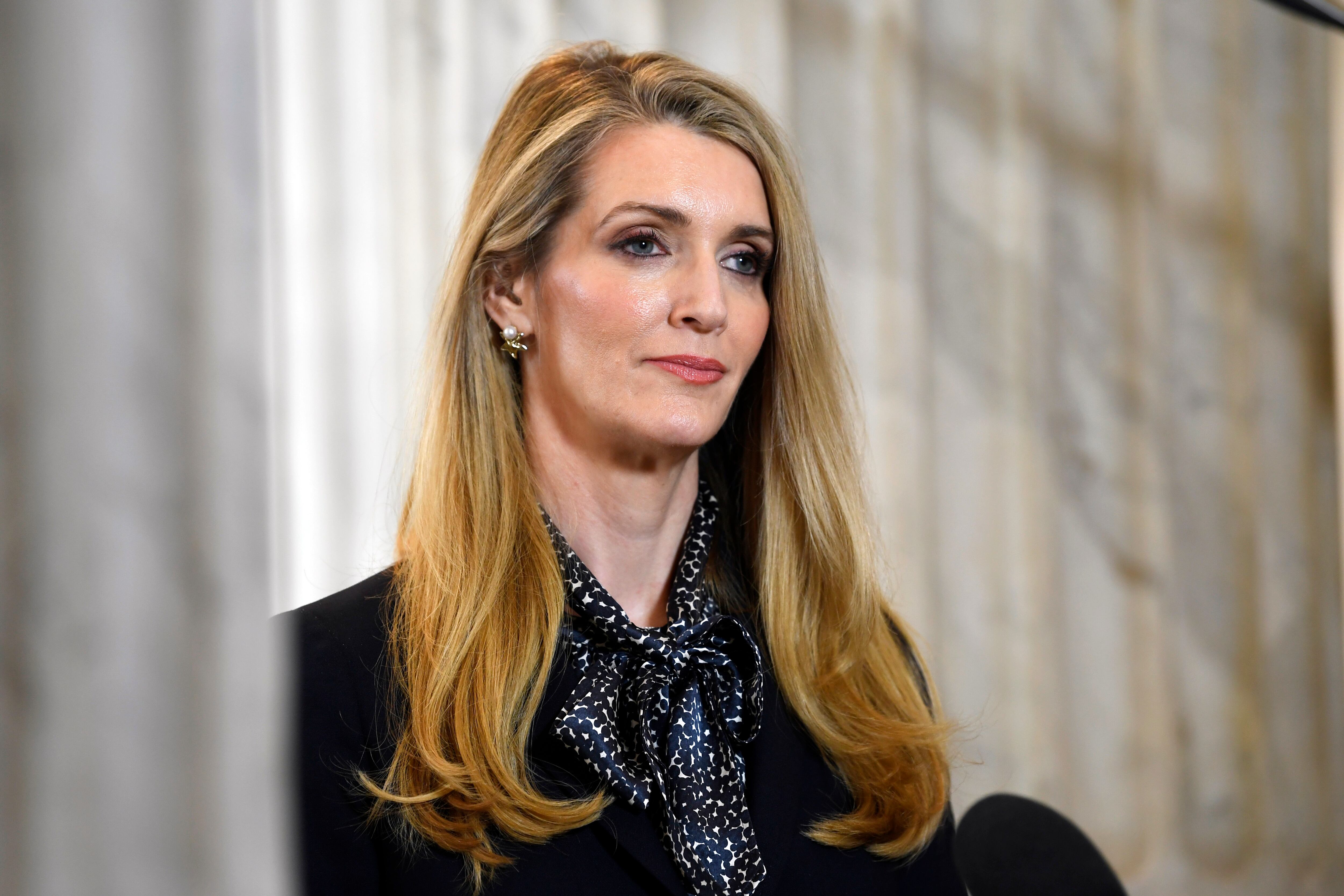
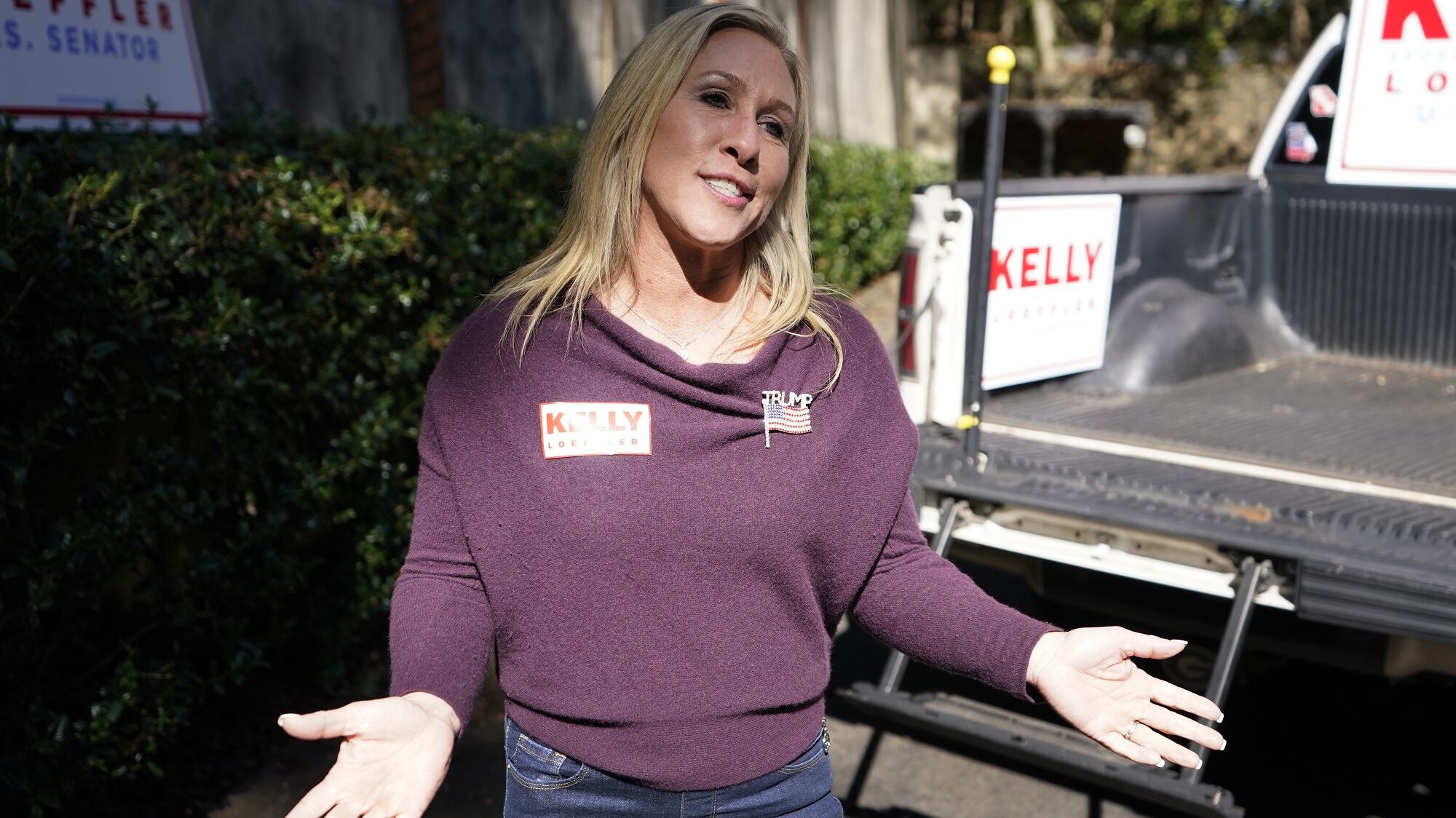
In Georgia, Republican Sen. Kelly Loeffler and Democrat Raphael Warnock have advanced to a Jan. 5 runoff in the special election for Loeffler’s Senate seat.
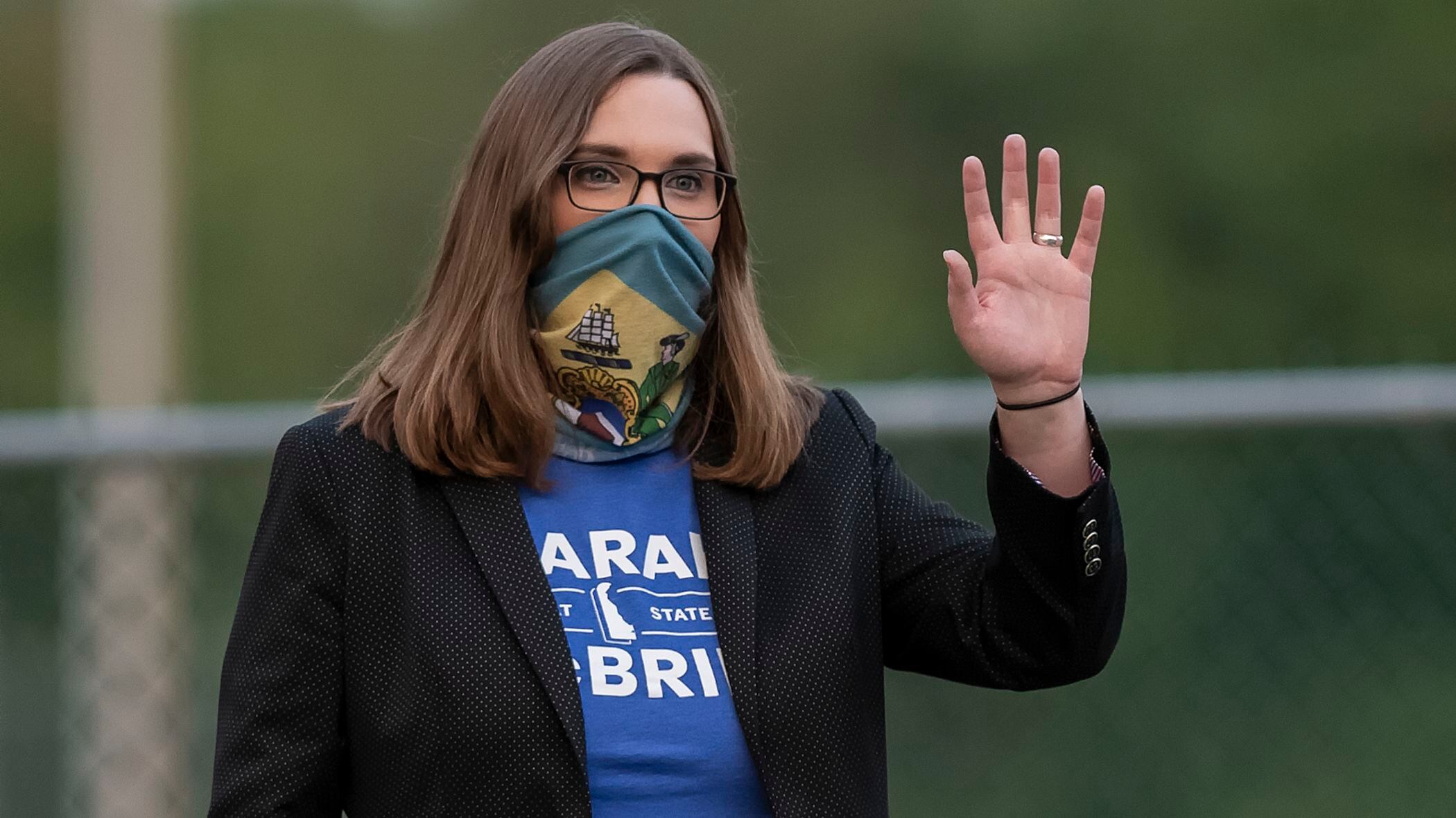
Democrat Sarah McBride has won a state Senate race in Delaware and would become the first openly transgender state senator in the country when sworn in.
Republican Marjorie Taylor Greene, who expressed racist views and support for QAnon conspiracy theories in a series of online videos, has won a U.S. House seat representing northwest Georgia.
With the coronavirus now surging anew, voters ranked the pandemic and the economy as top concerns in the race between President Donald Trump and Democratic rival Joe Biden, according to AP VoteCast, a national survey of the electorate.
As it has for more than 170 years, The Associated Press will count the vote and report the results on Nov. 3 and beyond.
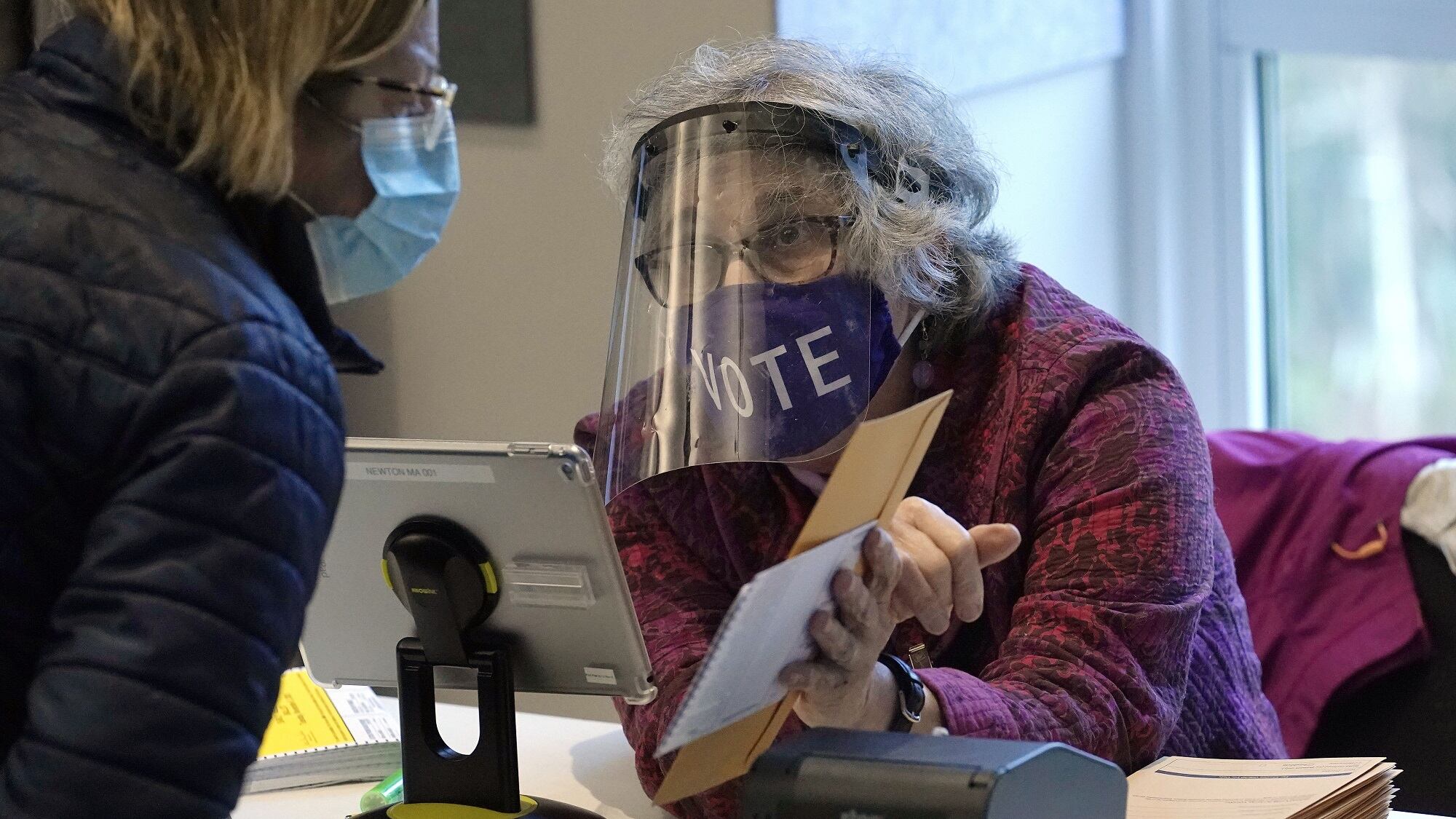
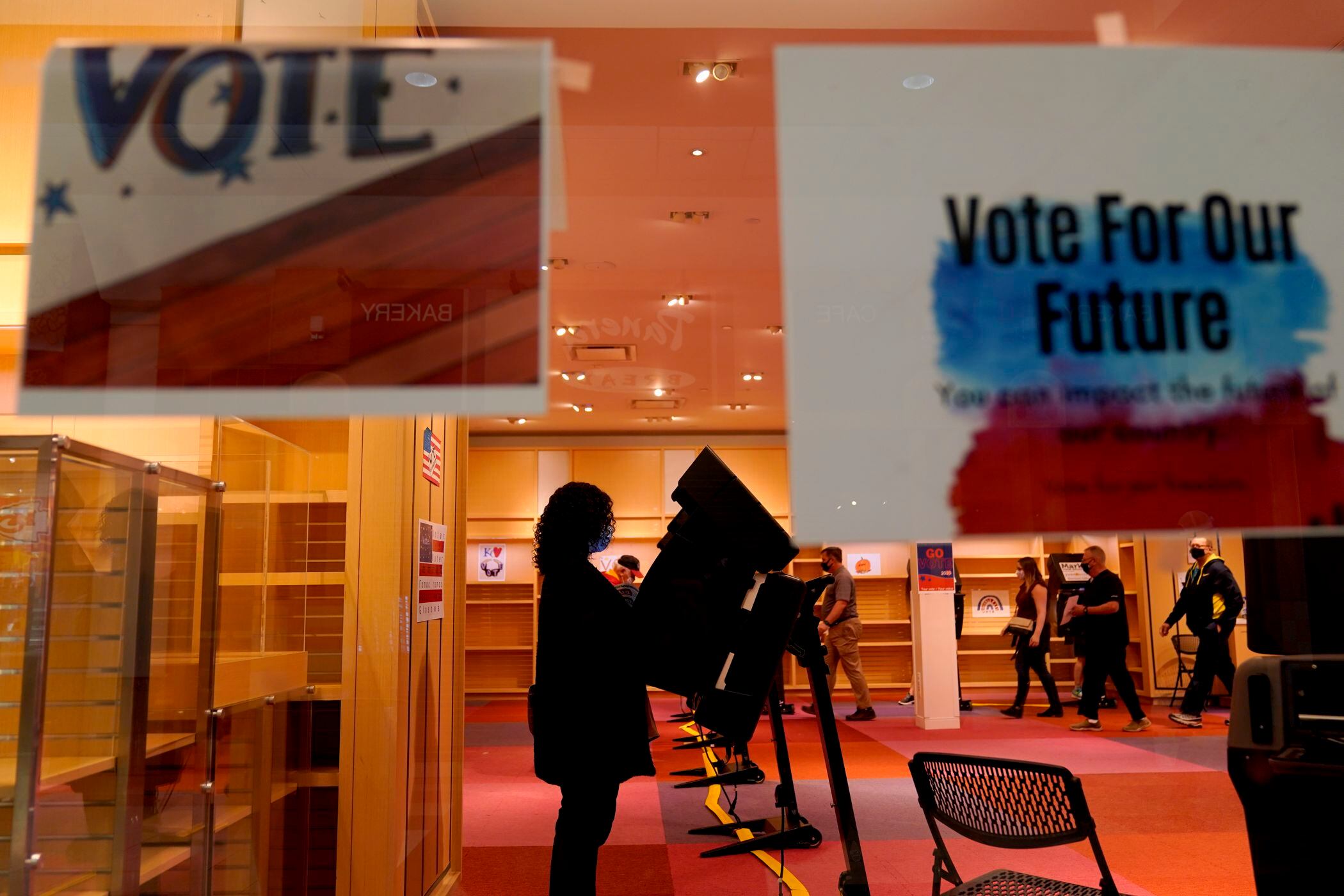
Voters in the U.S. are nearing the end of a fraught U.S. election season. They're casting the last of what will likely be a record-setting number of ballots.
Voters across the U.S. received anonymous robocalls in the lead up to Election Day urging them to “stay safe and stay home” - an ominous warning that election officials say could be an effort to scare voters.