The Trump administration last week rescinded a Obama-era rule that asked HUD recipients to measure and consider fixes to racial segregation in their communities.
President Donald Trump then followed up the decision with a tweet that critics say was an explicit appeal to white, suburban voters.
"His tweet was aimed at a strategy of appealing to racial resentment and really people's worst ideas about how our communities should be structured," David Sanchez, director of research and development for the National Community Stabilization Trust, told Cheddar. "Attitudes like that are a big reason why we have such severe segregation by race, class, and opportunity in this country, and unfortunately the president is trying to use those fears to benefit himself politically."
The loss of the rule itself has gotten less attention, in part due to its low profile as more of a regulatory tweak than an aggressive federal policy.
The Affirmatively Furthering Fair Housing Rule that Trump's HUD eliminated asked municipalities and housing authorities to account for racial bias in their communities by writing a report and issuing recommendations, but it did not force municipalities to address segregation directly.
"It was about gathering data," Sanchez said. "It was about getting people talking about segregation. But it wasn't about forcing communities to do anything."
In the long-term, though, he added that cutting the rule will only contribute to the ongoing economic divide between the suburbs and cities.
"It's going to continue to concentrate economic resources, social privilege in certain people who can afford to live in high-opportunity communities," Sanchez said. "In the same way the COVID crisis has supercharged inequality in this country, this is just another step in that direction."
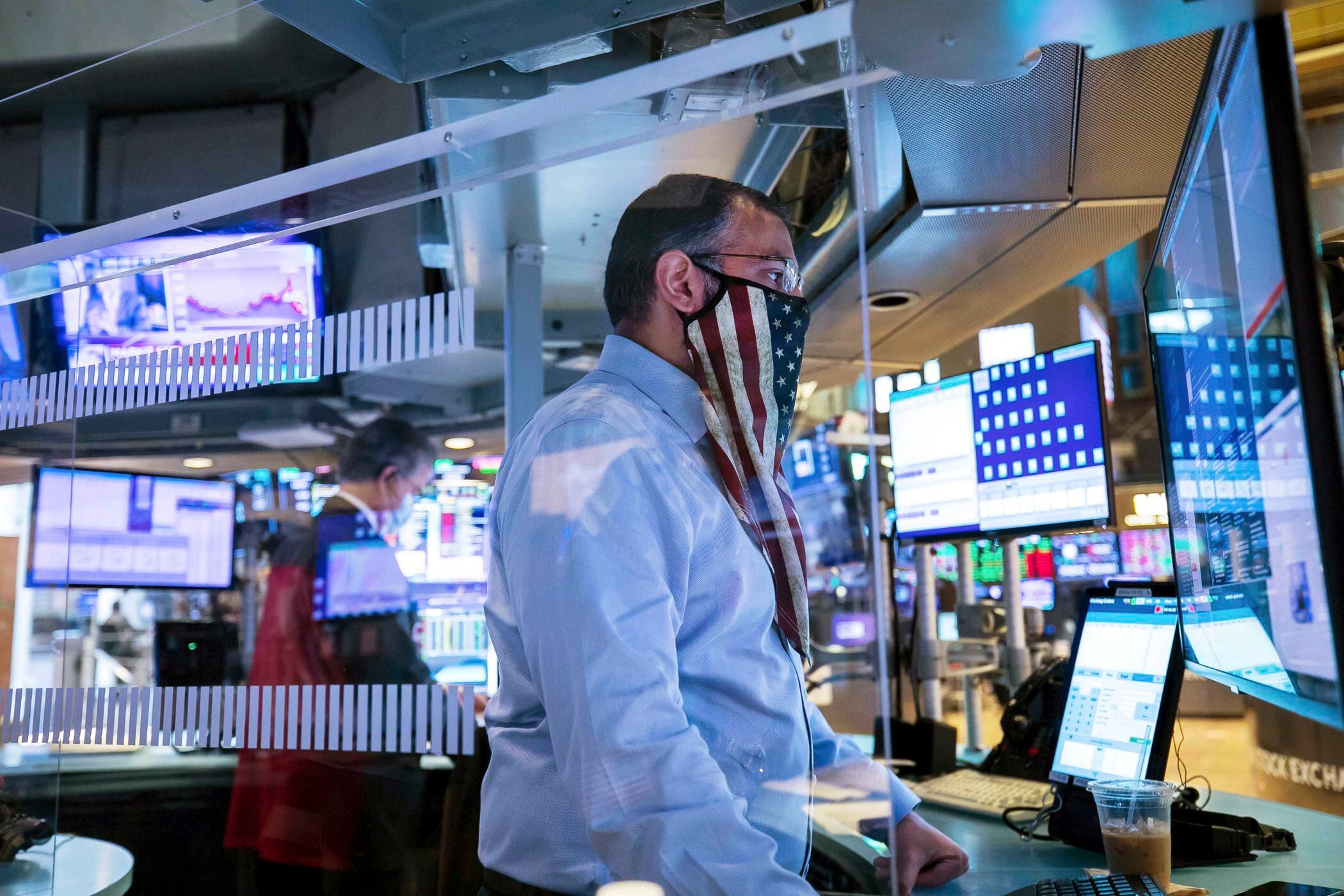
Despite uncertainty on who exactly will be in the White House, the Senate in GOP control, and the House in Democratic hands, Wall Street is riding high.
President Trump won support from about 8 in 10 white evangelical Protestant voters, according to the AP VoteCast. But Catholic voters split almost evenly between him and Joe Biden.
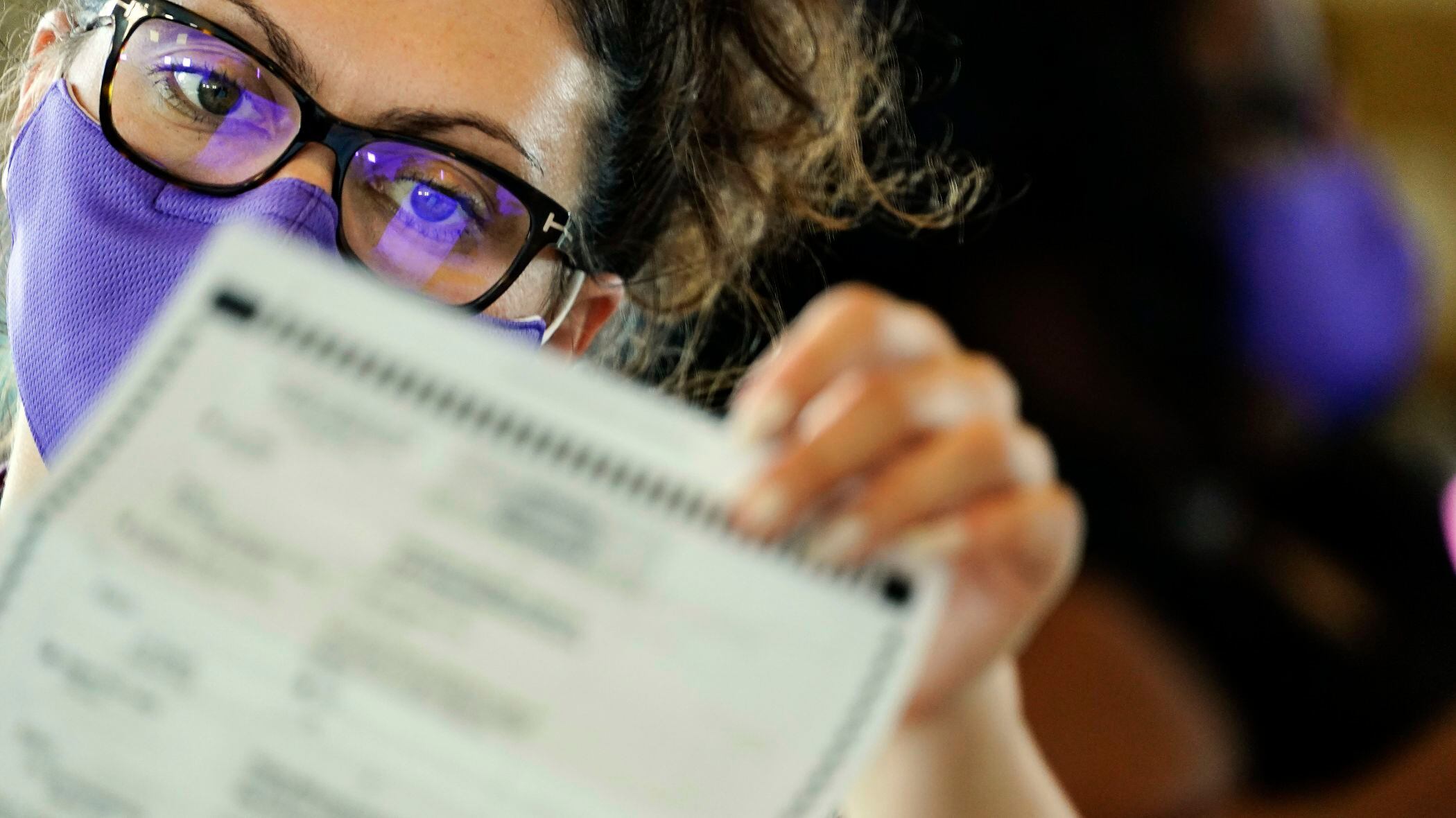
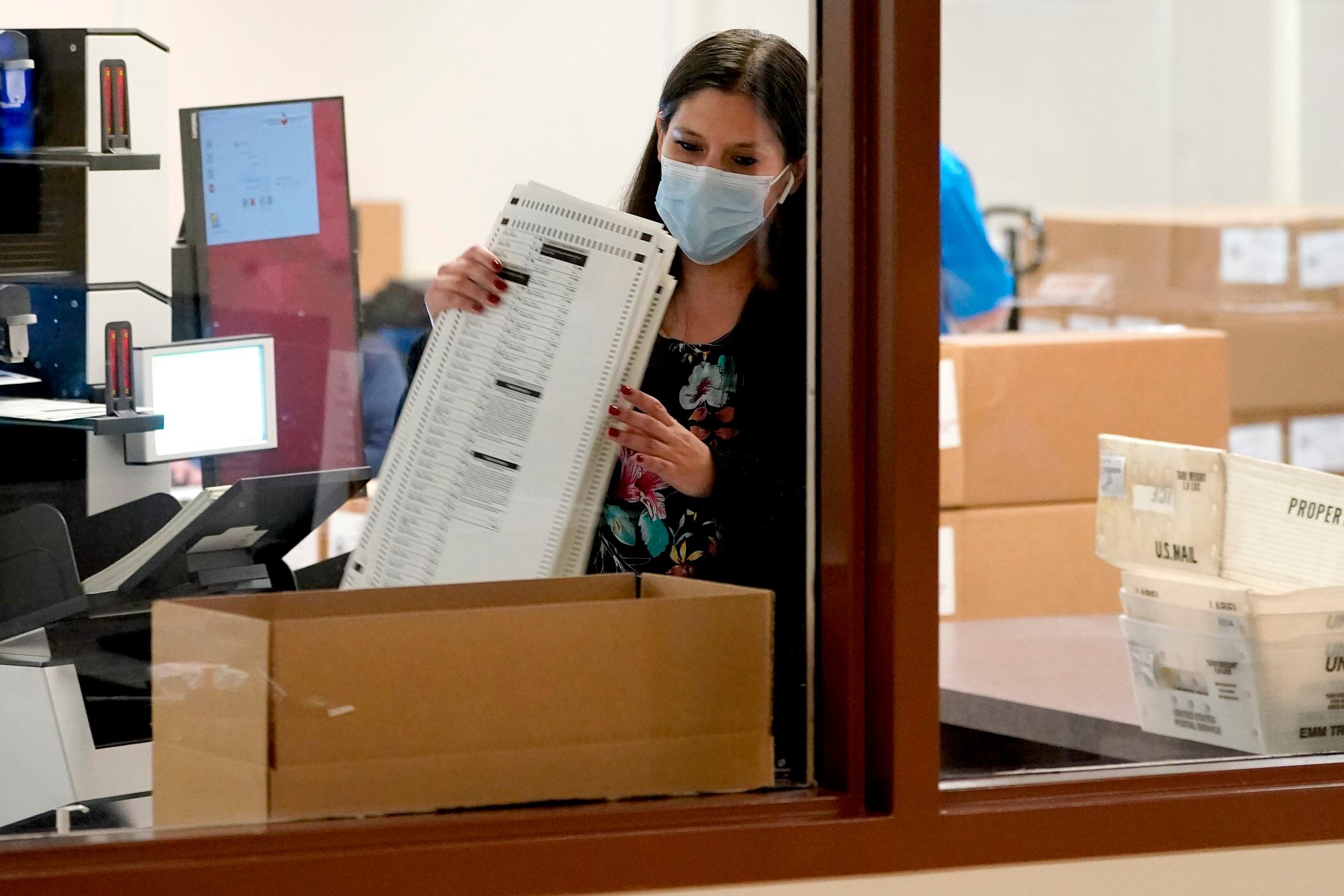
Election officials in key battlegrounds are pressing forward with vote counting, two days after Election Day. Democrat Joe Biden is urging patience, while President Donald Trump is pursuing legal options, insisting the processing of ballots should be stopped.
Katie Hobbs, Arizona's Secretary of State, joined Cheddar to discuss the safety of poll workers as President Trump levels accusations at the process and when Americans can expect an update.
Michigan Secretary of State, Jocelyn Benson joined Cheddar to discuss Trump's attempts to increase doubt in the election process and the state's security protocols that were taken to protect against such attacks.
The Fed announced no new actions after its latest policy meeting but left the door open to provide further assistance in the coming months.
As Democrat Joe Biden inches closer to the 270 Electoral College votes needed to win the White House, President Donald Trump’s campaign has put into action the legal strategy the president had signaled for weeks.
Joe Biden has won Michigan and Wisconsin, pushing him closer to 270 Electoral College votes and narrowing President Donald Trump’s path to reelection.
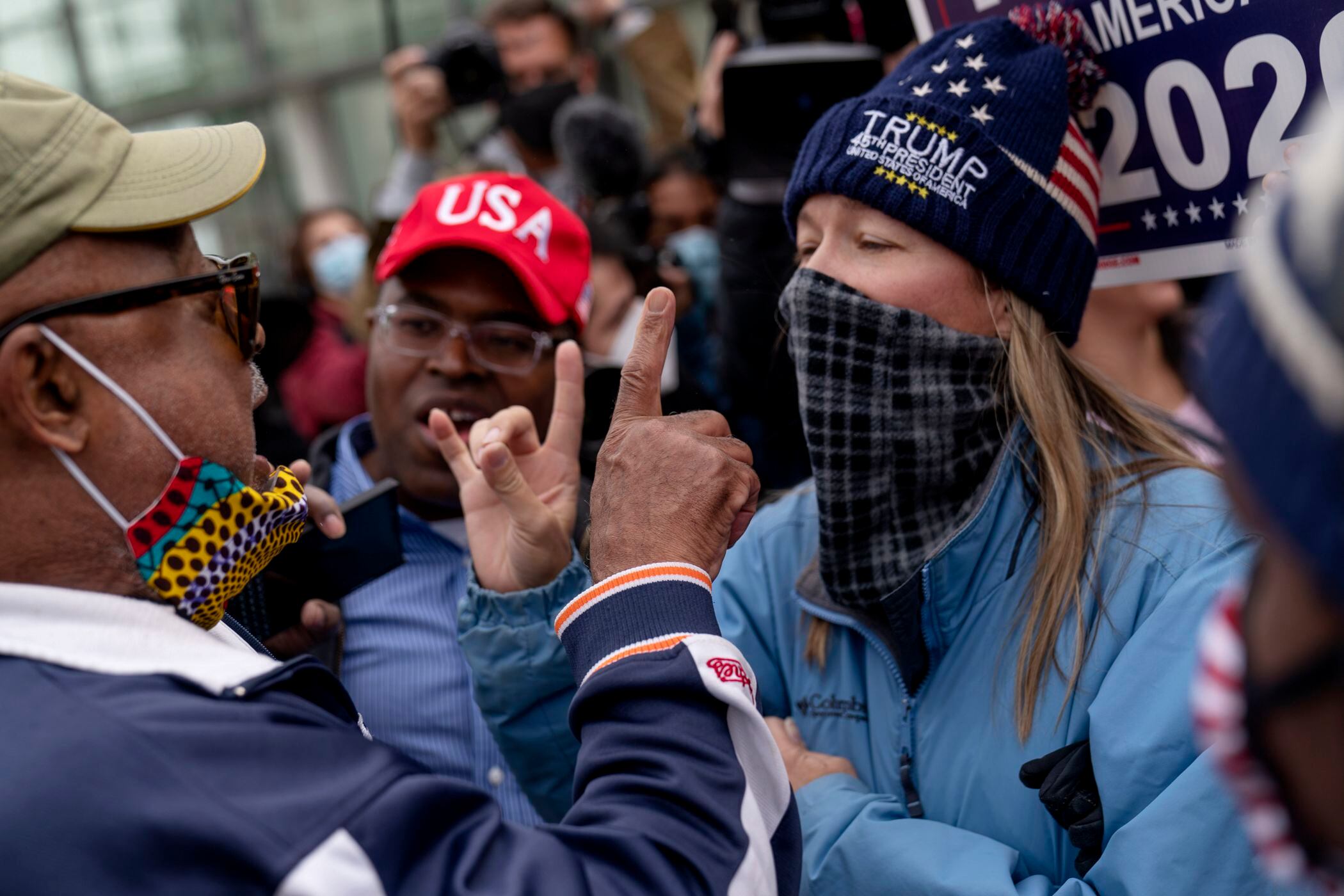
The Trump campaign says it has filed lawsuits Wednesday in Pennsylvania and Michigan, laying the groundwork for contesting the outcome in undecided battleground states.
Councilman Ritchie Torres became the first openly gay Black man to win a Congressional seat on Election Day. He will now represent New York's 15th District recently vacated by long-time Congressman José Serrano.