The Trump administration last week rescinded a Obama-era rule that asked HUD recipients to measure and consider fixes to racial segregation in their communities.
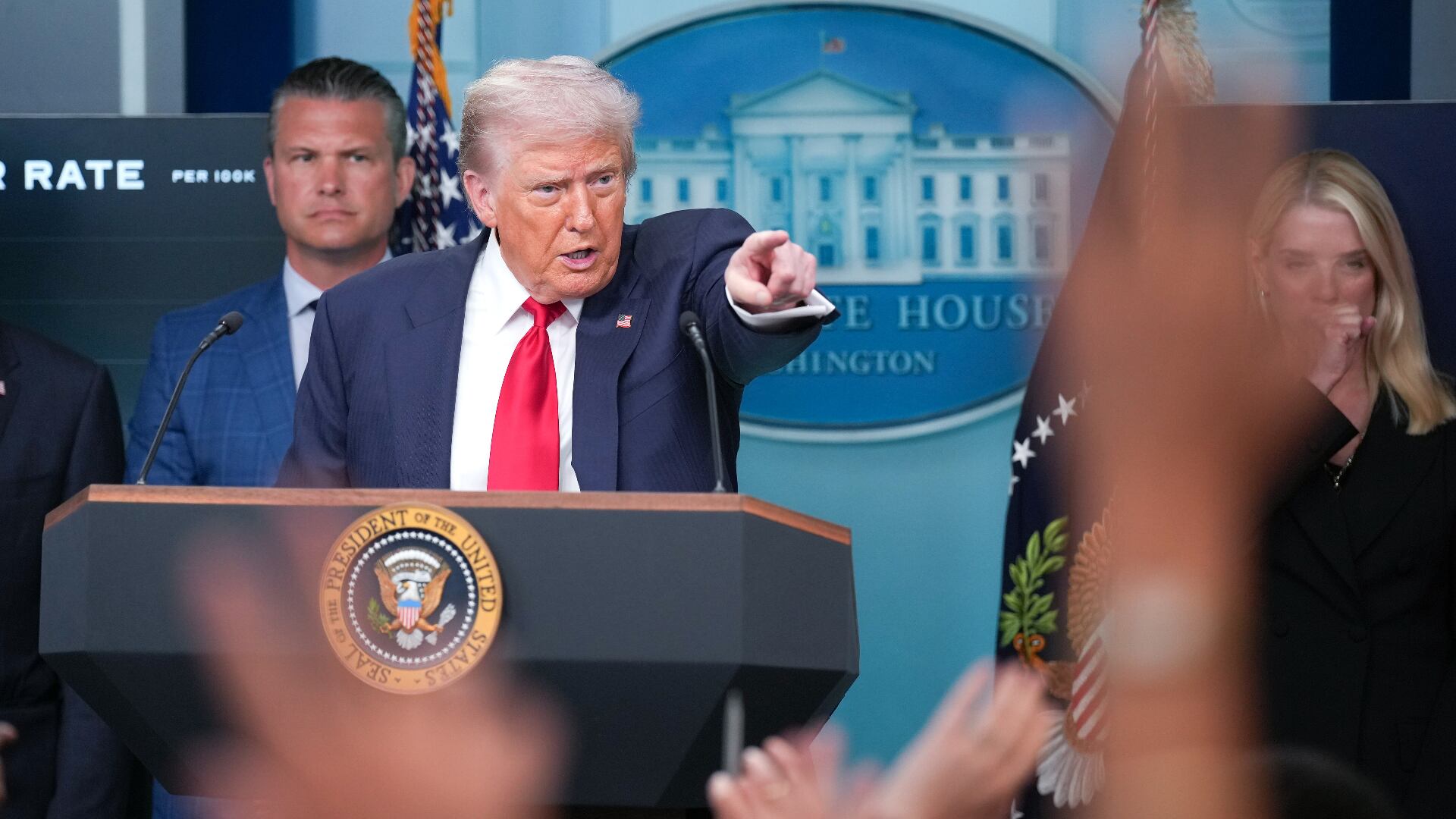
President Donald Trump then followed up the decision with a tweet that critics say was an explicit appeal to white, suburban voters.
"His tweet was aimed at a strategy of appealing to racial resentment and really people's worst ideas about how our communities should be structured," David Sanchez, director of research and development for the National Community Stabilization Trust, told Cheddar. "Attitudes like that are a big reason why we have such severe segregation by race, class, and opportunity in this country, and unfortunately the president is trying to use those fears to benefit himself politically."
The loss of the rule itself has gotten less attention, in part due to its low profile as more of a regulatory tweak than an aggressive federal policy.
The Affirmatively Furthering Fair Housing Rule that Trump's HUD eliminated asked municipalities and housing authorities to account for racial bias in their communities by writing a report and issuing recommendations, but it did not force municipalities to address segregation directly.
"It was about gathering data," Sanchez said. "It was about getting people talking about segregation. But it wasn't about forcing communities to do anything."
In the long-term, though, he added that cutting the rule will only contribute to the ongoing economic divide between the suburbs and cities.
"It's going to continue to concentrate economic resources, social privilege in certain people who can afford to live in high-opportunity communities," Sanchez said. "In the same way the COVID crisis has supercharged inequality in this country, this is just another step in that direction."
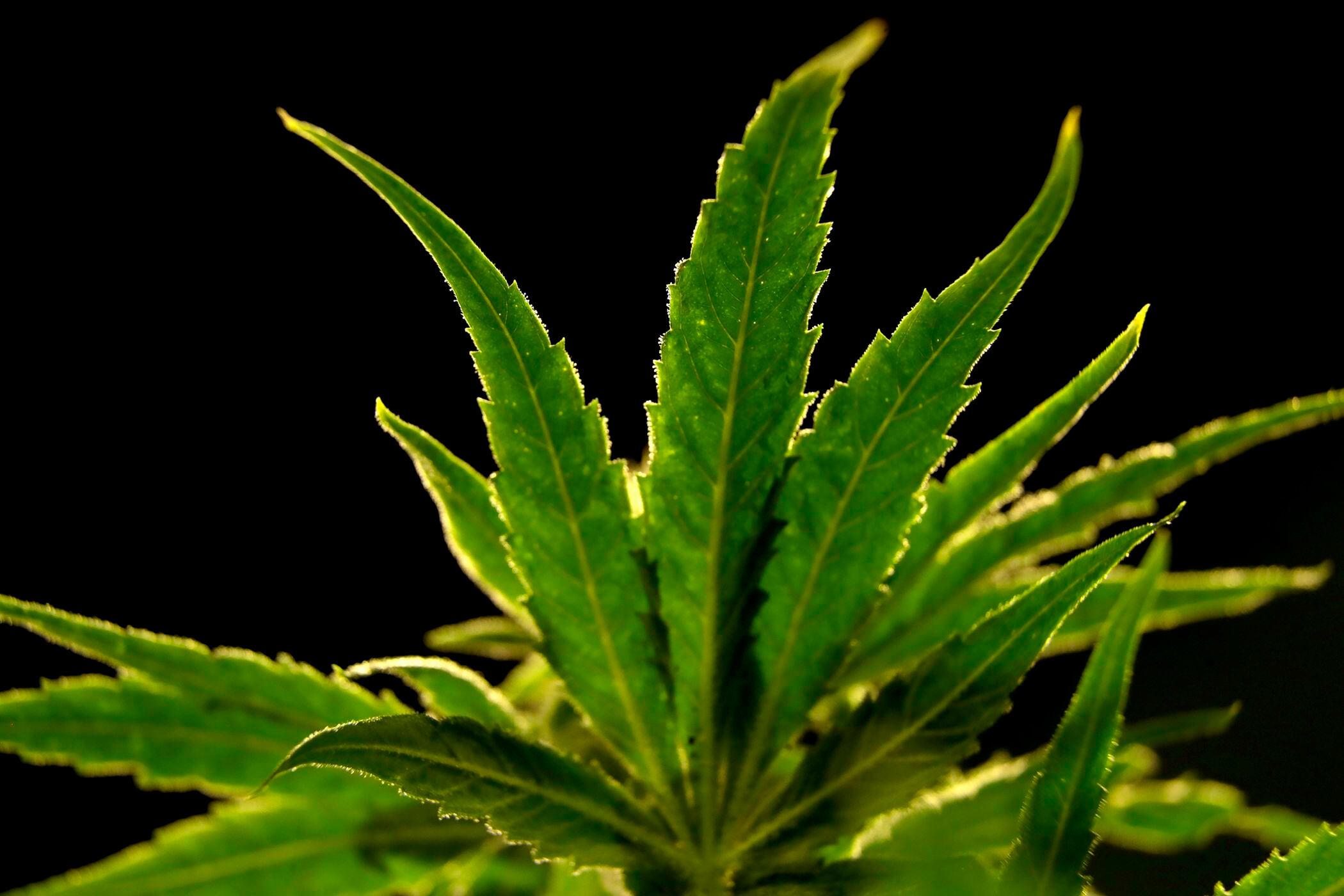
Voters in all five states with cannabis-related initiatives on the ballot approved those measures by wide margins, representing a clean sweep for the industry — and significant upside for the U.S.-focused cannabis companies.
President-elect Joe Biden is cheering news about the promising development of a coronavirus vaccine, but cautioned Americans need to be aggressive about mask wearing and social distancing as infections continue to surge around the country.
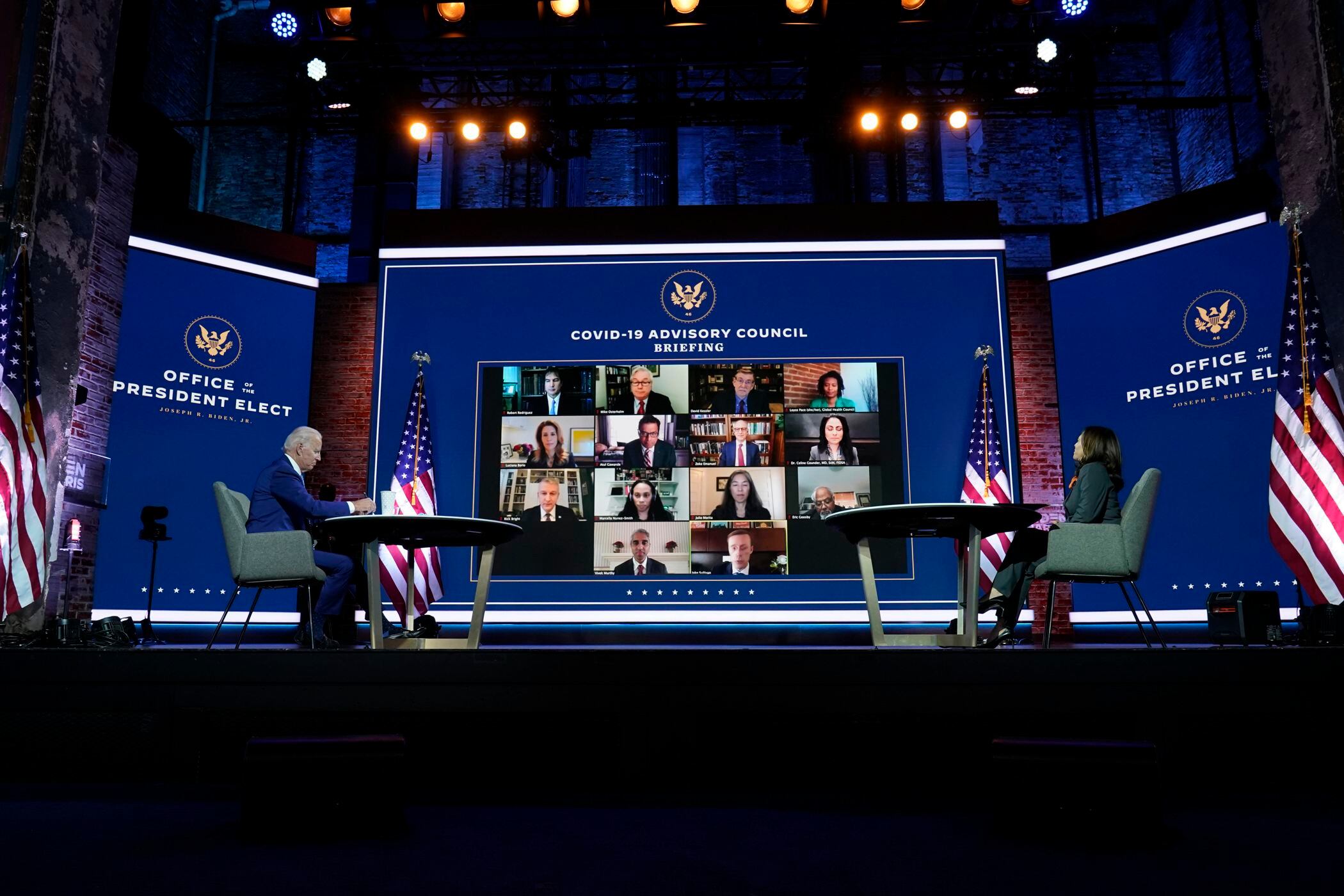
President-elect Joe Biden on Monday named the members of a team of public health and science experts to develop a blueprint for fighting the coronavirus.
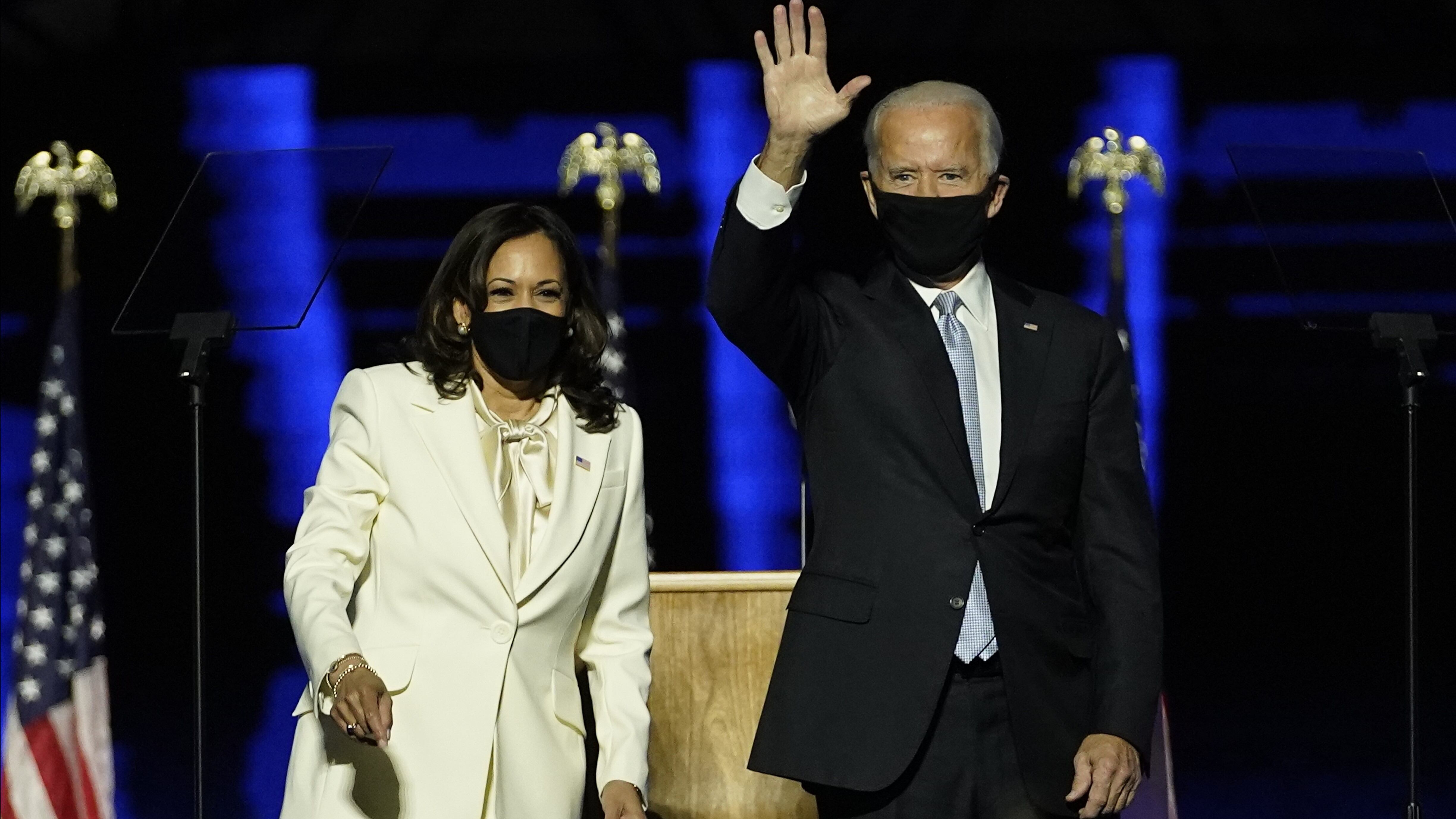
President-elect Joe Biden and Vice President-elect Kamala Harris made their victory speeches Saturday night.
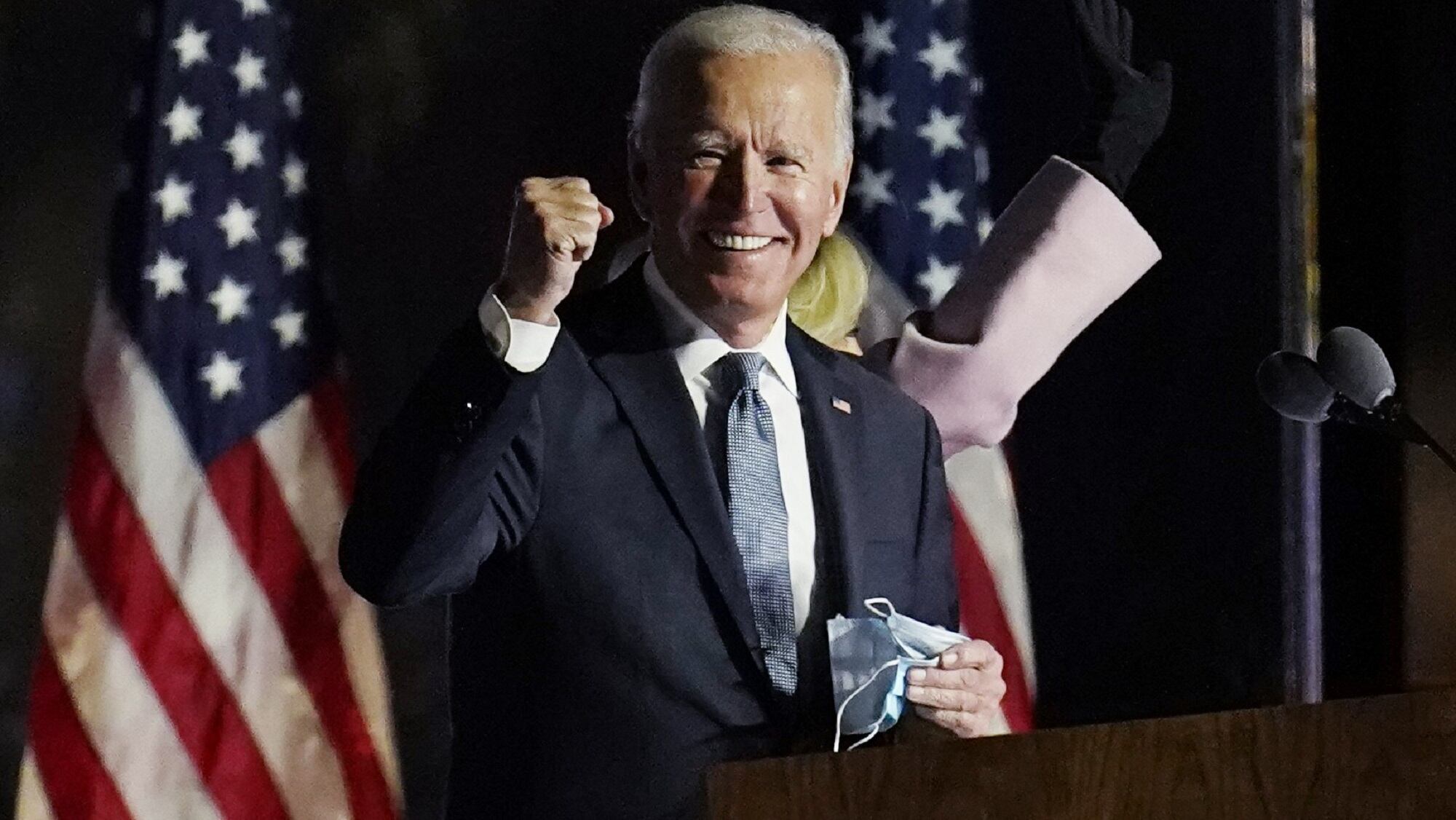
Democrat Joe Biden defeated President Donald Trump to become the 46th president of the United States on Saturday, positioning himself to lead a nation gripped by historic pandemic and a confluence of economic and social turmoil.
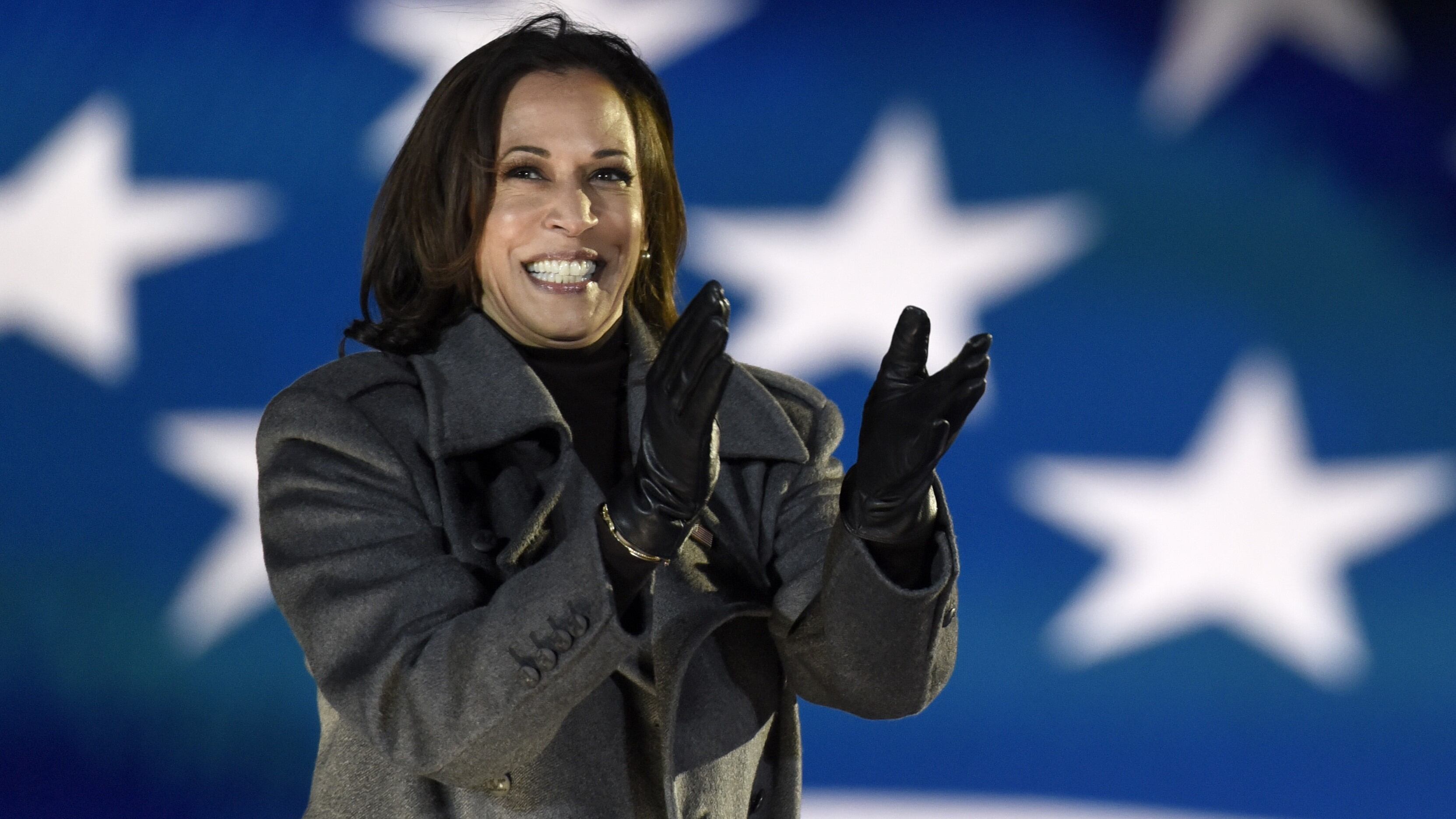
Kamala Harris made history Saturday as the first Black woman elected as vice president of the United States, shattering barriers that have kept men — almost all of them white — entrenched at the highest levels of American politics for more than two centuries.
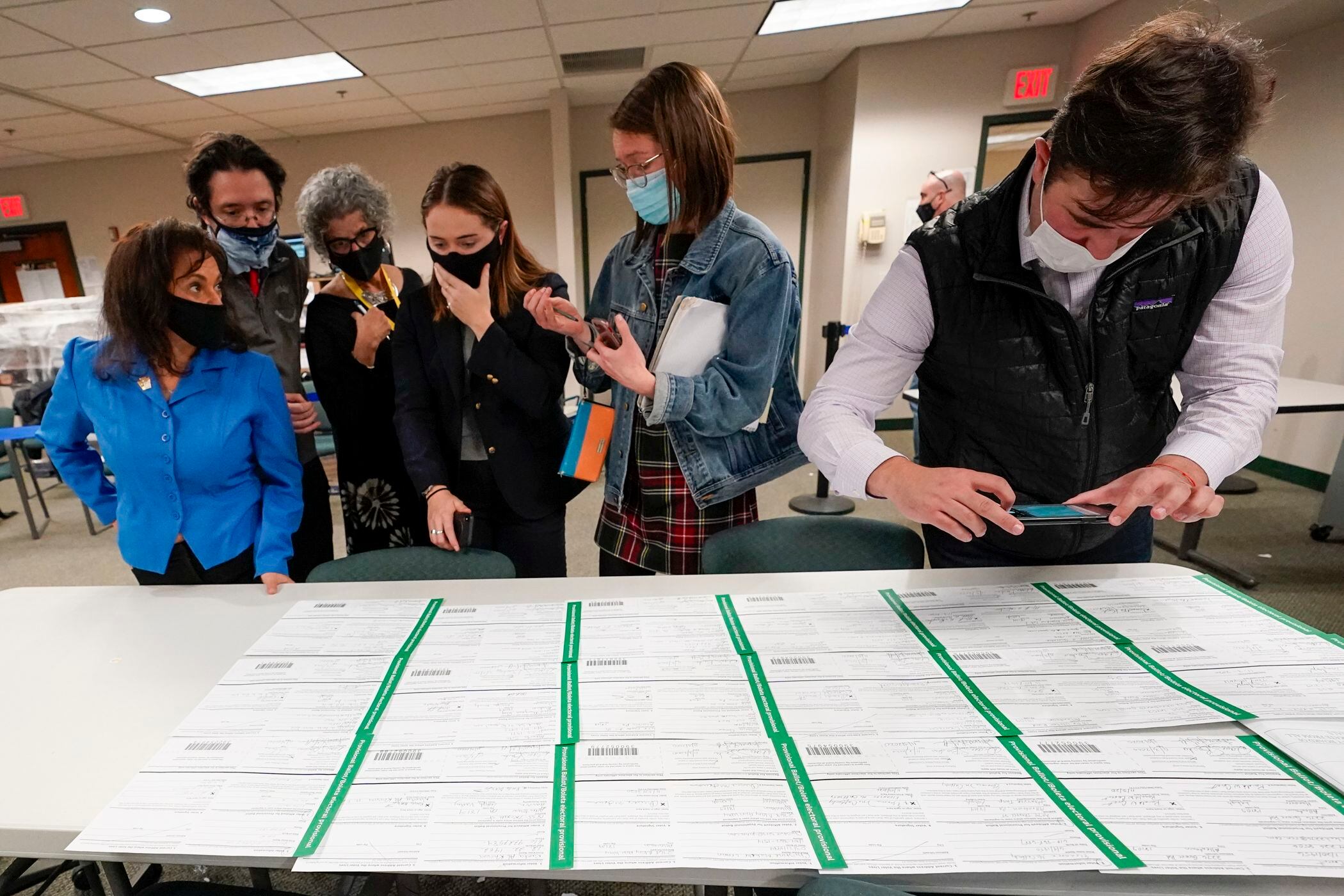
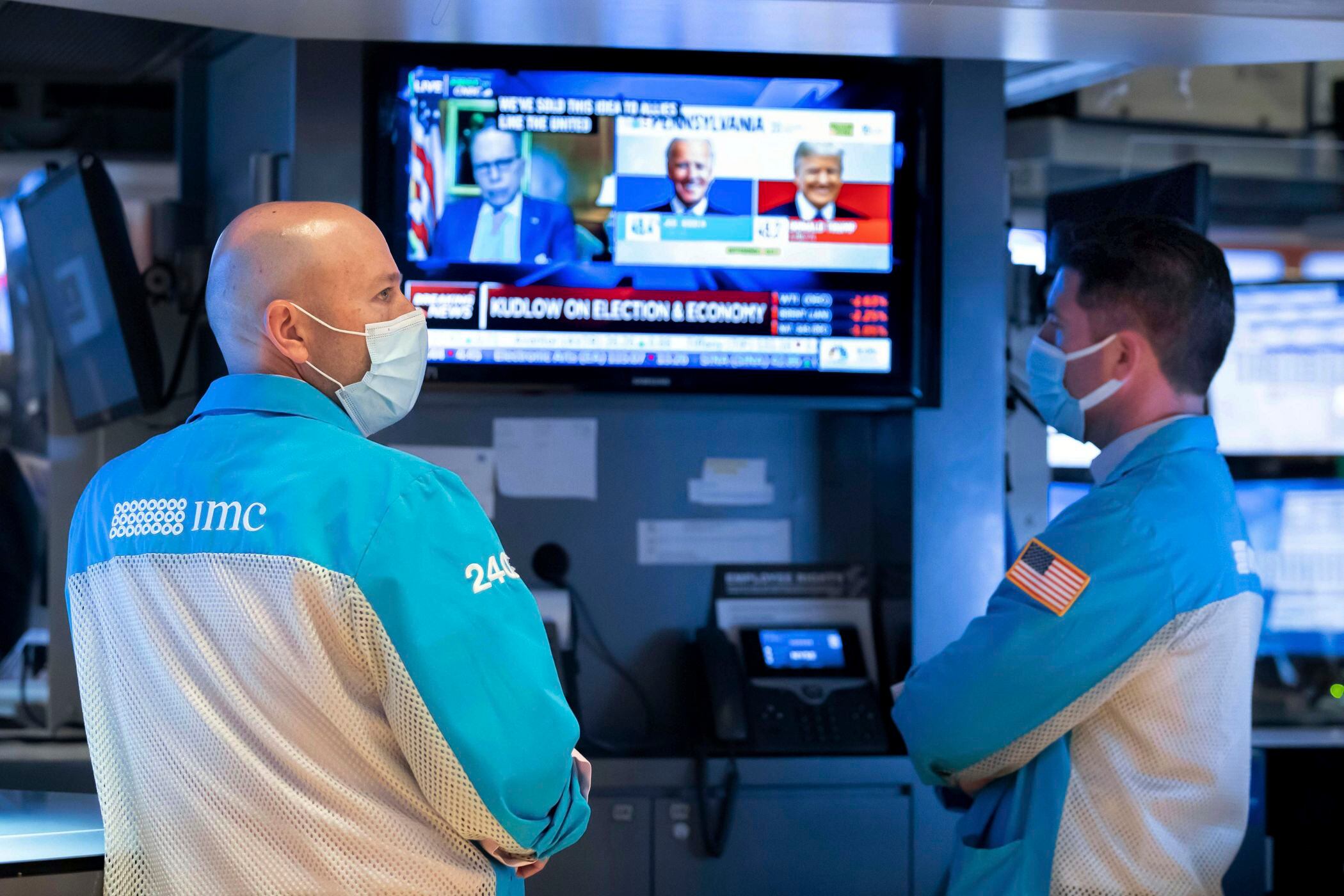
Democrat Joe Biden has overtaken President Donald Trump in Pennsylvania and Georgia. That puts Biden on the cusp of winning the presidency since the election hinges on the outcome of tight contests in those battleground states.
The outcome of contests in Georgia, North Carolina, Pennsylvania, and Nevada will determine whether Democrat Joe Biden or President Donald Trump wins.
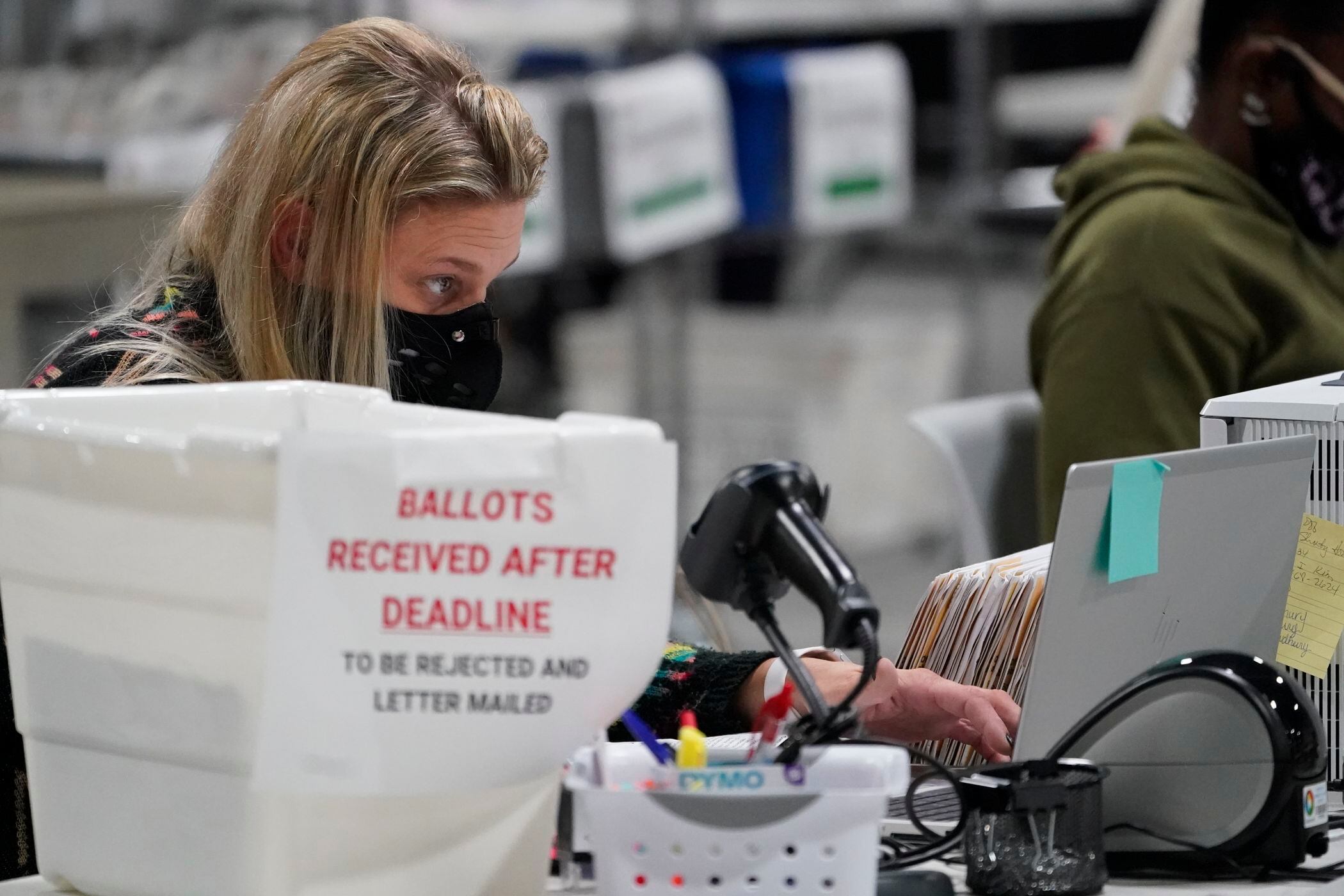
Former Missouri Secretary of State, Robin Carnahan, joined Cheddar to discuss the 'Count Every Vote' initiative that was started by the National Council on Election Integrity. Carnahan also talks about the record vote-by-mail numbers this year.
From Wall Street to Silicon Valley, these are the top stories that moved markets and had investors, business leaders, and entrepreneurs talking this week on Cheddar.