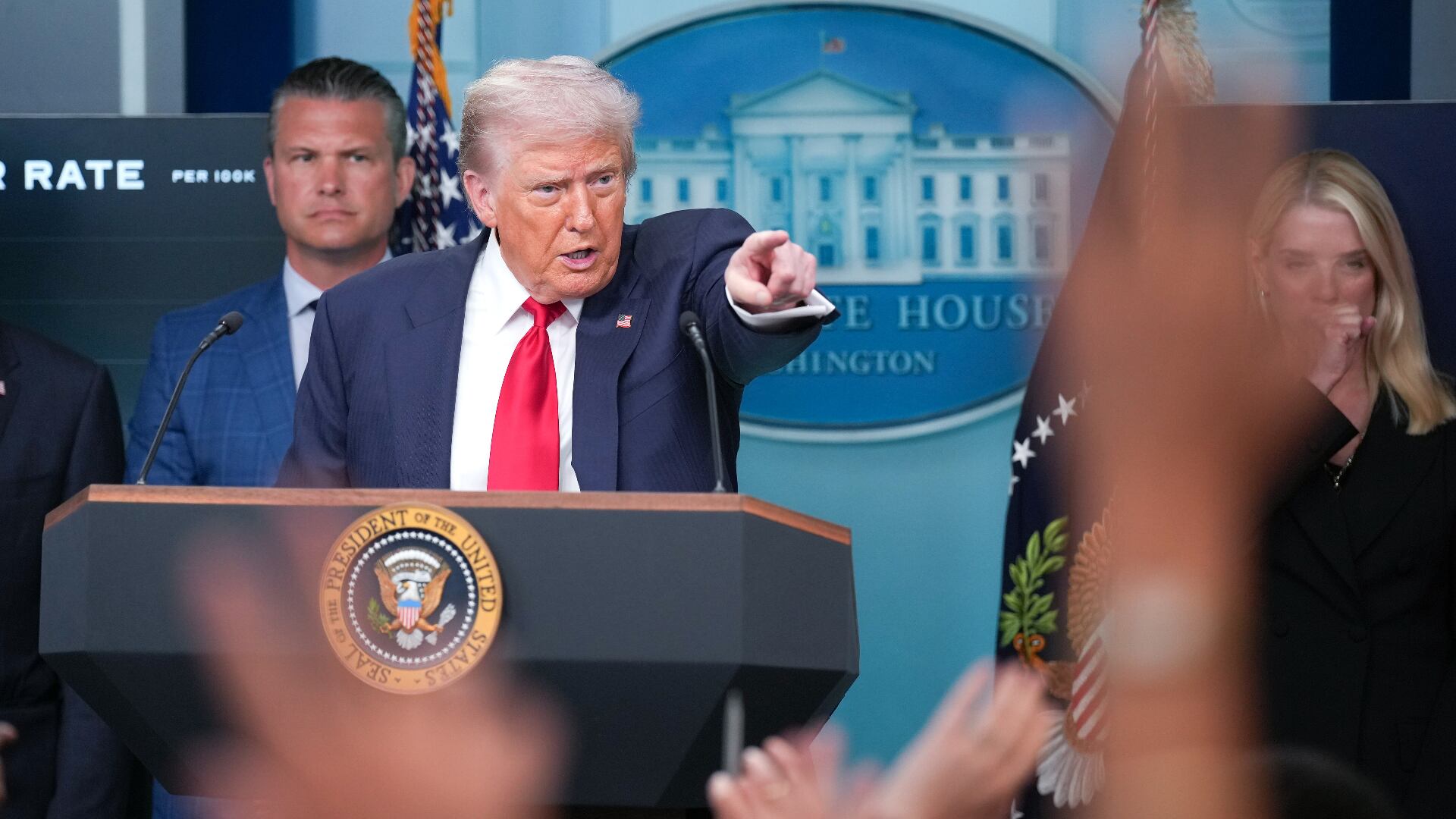
The Trump administration last week rescinded a Obama-era rule that asked HUD recipients to measure and consider fixes to racial segregation in their communities.
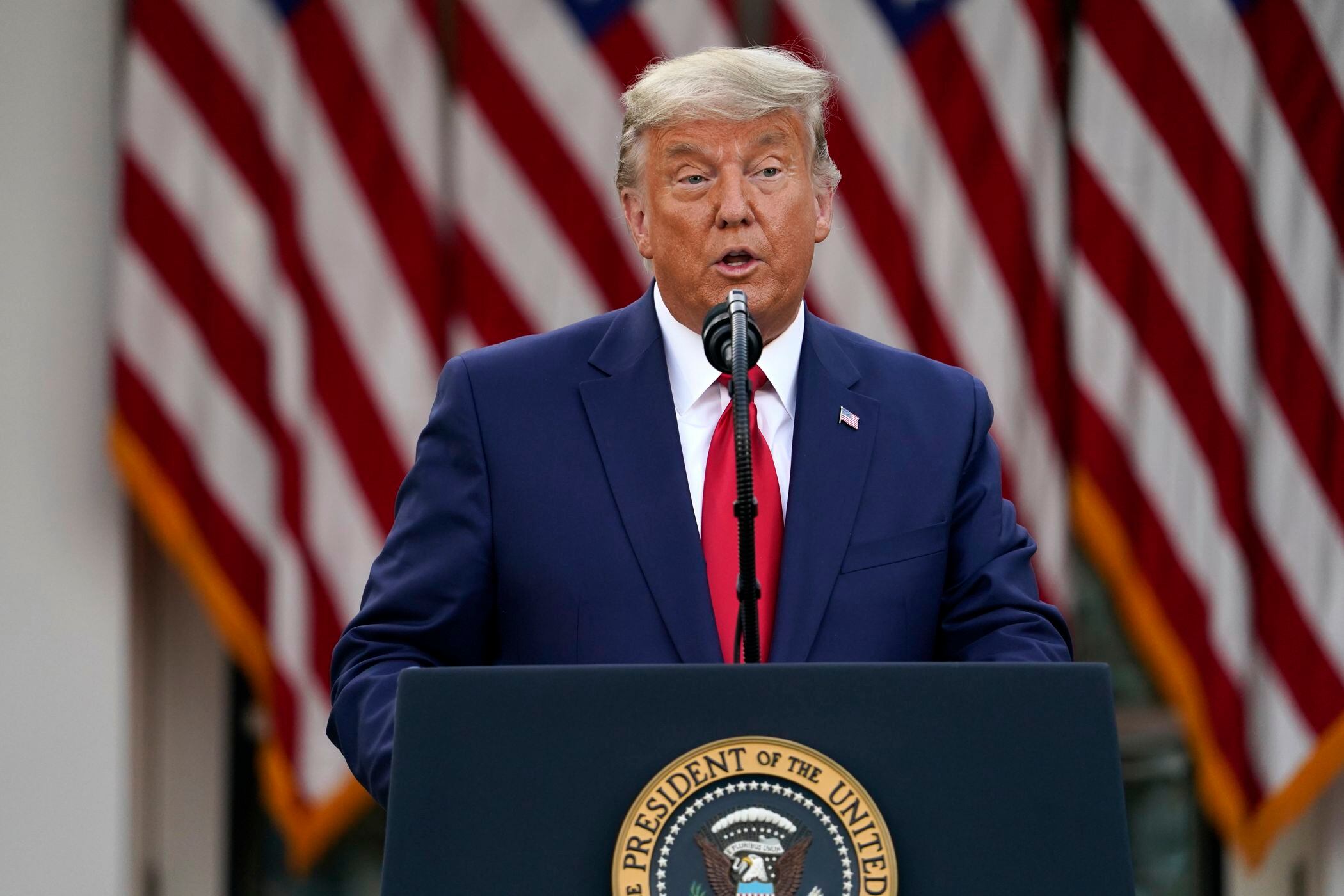
President Donald Trump then followed up the decision with a tweet that critics say was an explicit appeal to white, suburban voters.
"His tweet was aimed at a strategy of appealing to racial resentment and really people's worst ideas about how our communities should be structured," David Sanchez, director of research and development for the National Community Stabilization Trust, told Cheddar. "Attitudes like that are a big reason why we have such severe segregation by race, class, and opportunity in this country, and unfortunately the president is trying to use those fears to benefit himself politically."
The loss of the rule itself has gotten less attention, in part due to its low profile as more of a regulatory tweak than an aggressive federal policy.
The Affirmatively Furthering Fair Housing Rule that Trump's HUD eliminated asked municipalities and housing authorities to account for racial bias in their communities by writing a report and issuing recommendations, but it did not force municipalities to address segregation directly.
"It was about gathering data," Sanchez said. "It was about getting people talking about segregation. But it wasn't about forcing communities to do anything."
In the long-term, though, he added that cutting the rule will only contribute to the ongoing economic divide between the suburbs and cities.
"It's going to continue to concentrate economic resources, social privilege in certain people who can afford to live in high-opportunity communities," Sanchez said. "In the same way the COVID crisis has supercharged inequality in this country, this is just another step in that direction."
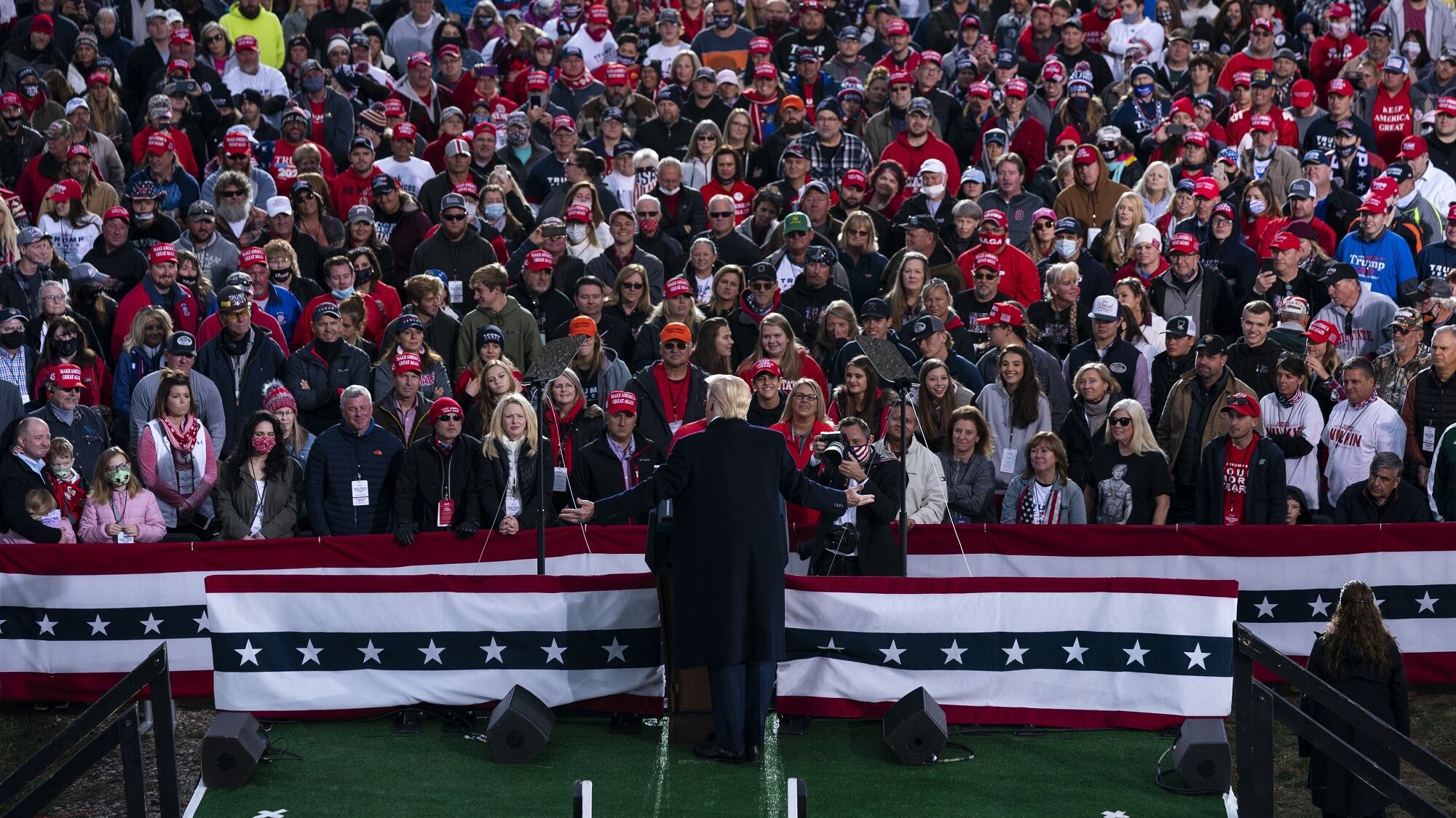
President Donald Trump’s 2020 reelection campaign was powered by a cell phone app that allowed staff to monitor the movements of his millions of supporters, and offered intimate access to their social networks.
Rep. Chris Pappas is optimistic that President Donald Trump will sign the bipartisan Veterans COMPACT Act to provide mental health care and prevent veteran suicides.
the Trump administration’s unwillingness to begin steps to transition power to President-elect Joe Biden is preventing him from creating a national response, said Kathleen Sebelius, former United States Secretary of Health and Human Services under President Barack Obama.
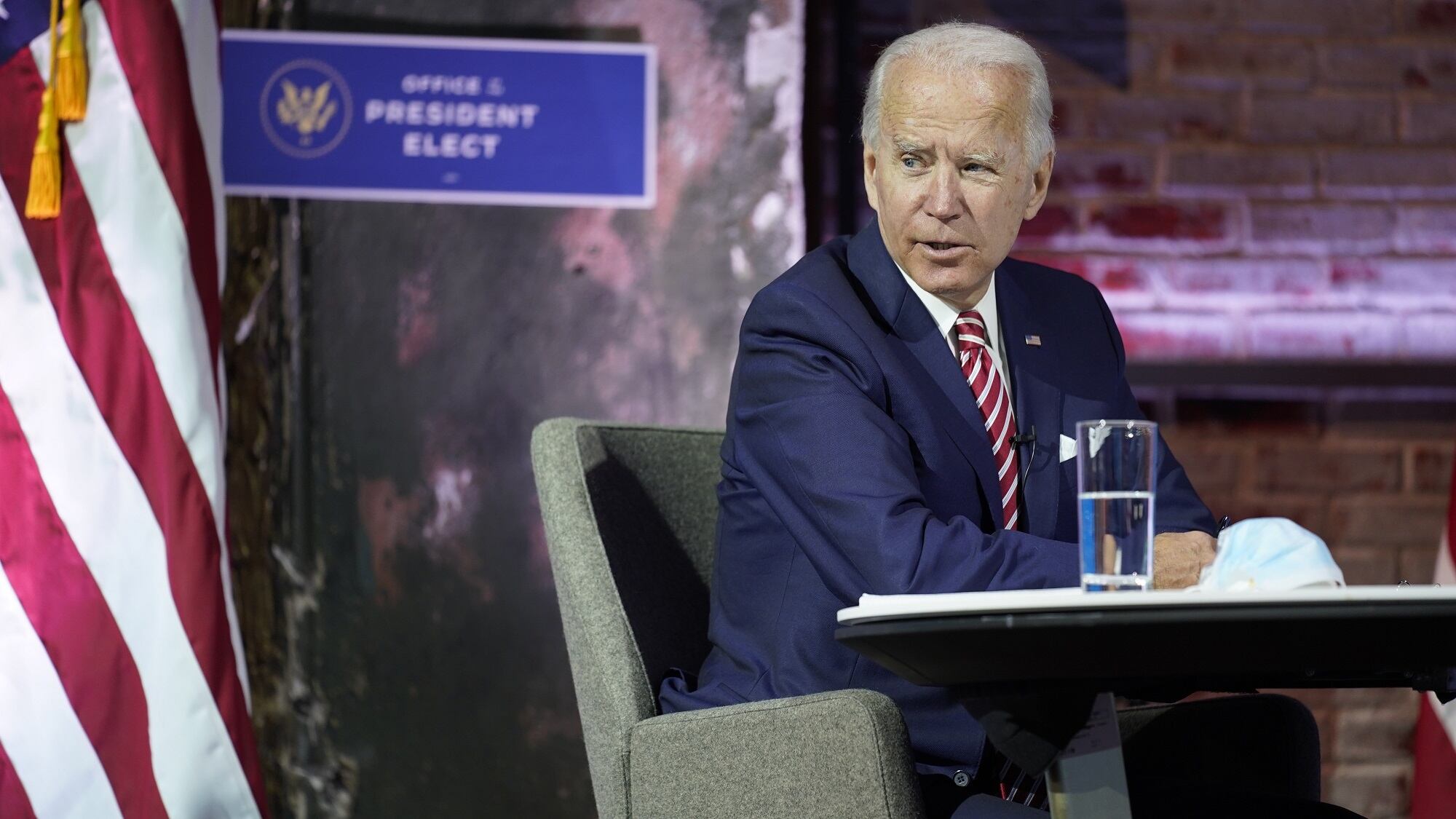
President-elect Joe Biden on Monday said his administration would strengthen the country's vulnerable economy despite the exploding pandemic as he pushed forward with the business of preparing to assume the presidency.
President Donald Trump has hailed developments in the race for a vaccine for the resurgent coronavirus. He delivered his first public remarks Friday since his defeat by President-elect Joe Biden, even as he refuses to concede the election.
The reason for such calm is that Wall Street doesn't see Trump's anger, tweets or legal actions changing the results. And encouraging data about a potential COVID-19 vaccine has renewed investors' optimism even though virus cases are on the rise.
Just days following the presidential election, Twitter has stepped up its efforts to crackdown on misinformation, but questions are being raised about how marketers and users will interact with social media platforms going forward. Cheddar's Michelle Castillo reports.
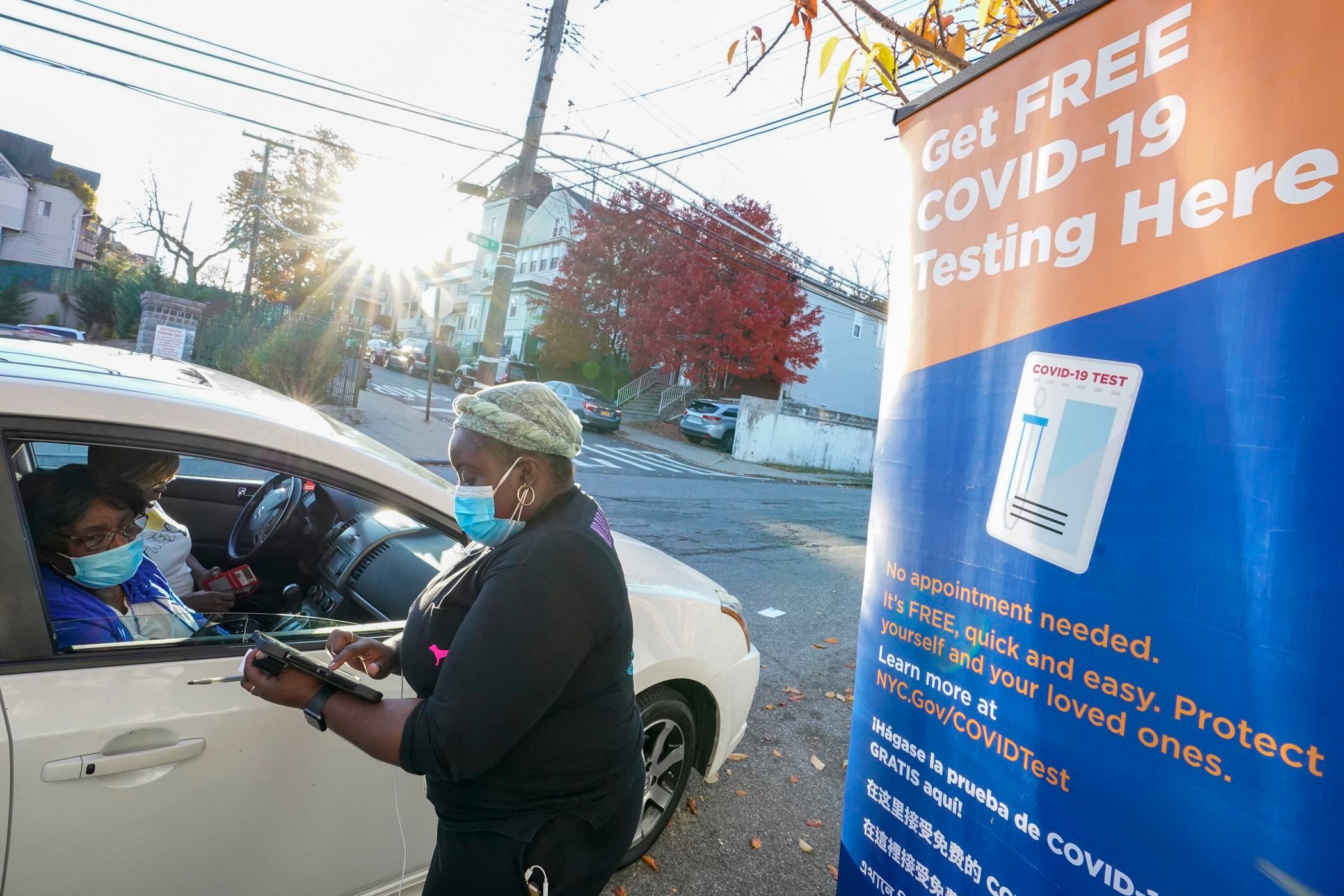
New York's Lieutenant Governor, Kathy Hochul, joined Cheddar to discuss new state guidelines set to take effect as COVID-19 cases spike nationwide.
The report by Deutsche Bank proposed a 5% daily tax on each employee that continues to work from home.
California Rep. Ami Bera joined Cheddar to discuss what a transition to the Biden administration could look like for Americans in regards to the coronavirus pandemic. Bera also discusses how a Biden administration will tackle COVID-19 with science.