The Trump administration last week rescinded a Obama-era rule that asked HUD recipients to measure and consider fixes to racial segregation in their communities.
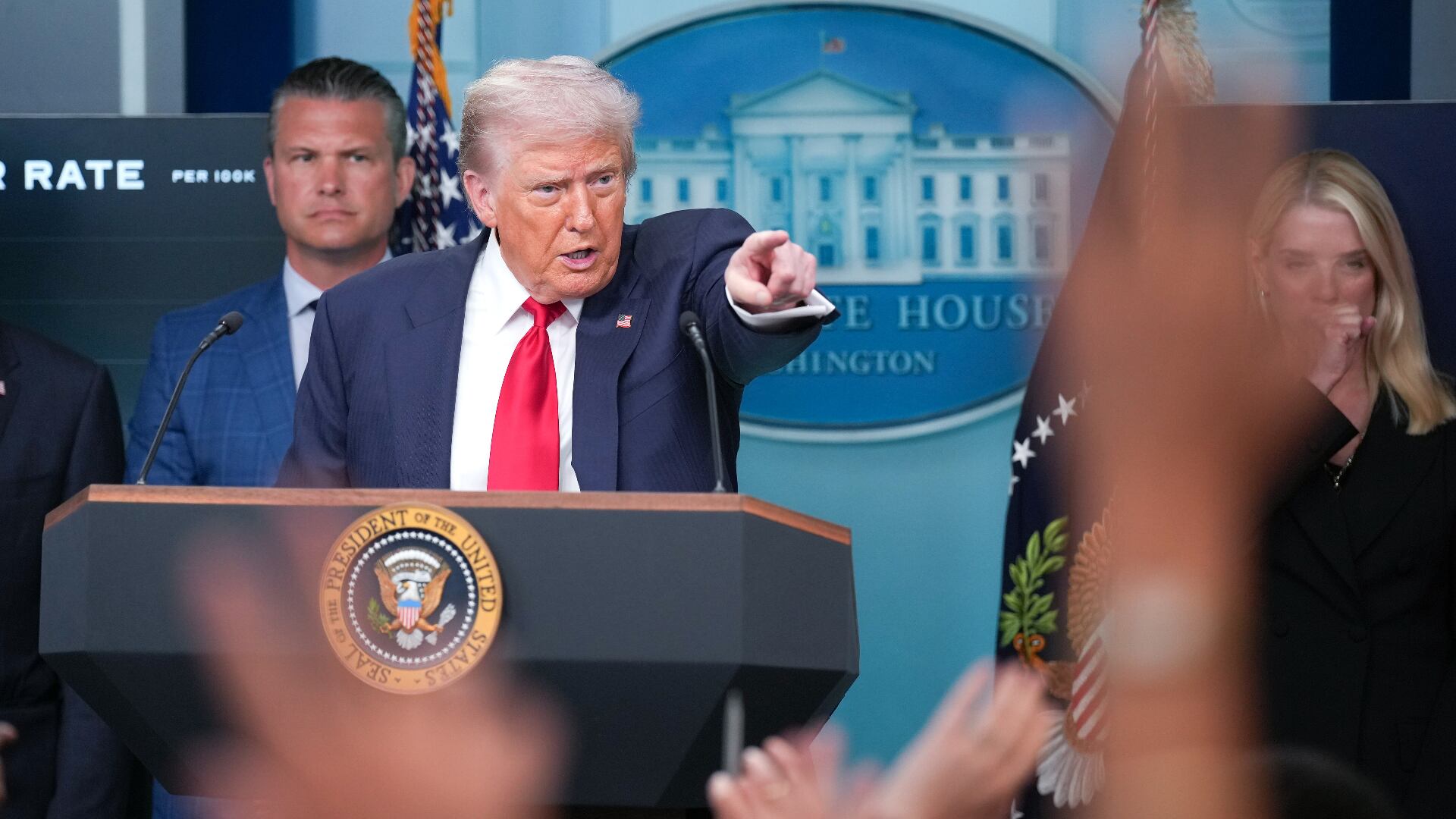
President Donald Trump then followed up the decision with a tweet that critics say was an explicit appeal to white, suburban voters.
"His tweet was aimed at a strategy of appealing to racial resentment and really people's worst ideas about how our communities should be structured," David Sanchez, director of research and development for the National Community Stabilization Trust, told Cheddar. "Attitudes like that are a big reason why we have such severe segregation by race, class, and opportunity in this country, and unfortunately the president is trying to use those fears to benefit himself politically."
The loss of the rule itself has gotten less attention, in part due to its low profile as more of a regulatory tweak than an aggressive federal policy.
The Affirmatively Furthering Fair Housing Rule that Trump's HUD eliminated asked municipalities and housing authorities to account for racial bias in their communities by writing a report and issuing recommendations, but it did not force municipalities to address segregation directly.
"It was about gathering data," Sanchez said. "It was about getting people talking about segregation. But it wasn't about forcing communities to do anything."
In the long-term, though, he added that cutting the rule will only contribute to the ongoing economic divide between the suburbs and cities.
"It's going to continue to concentrate economic resources, social privilege in certain people who can afford to live in high-opportunity communities," Sanchez said. "In the same way the COVID crisis has supercharged inequality in this country, this is just another step in that direction."
Peter Rawlinson, CEO of electric vehicle maker Lucid Motors, joined Cheddar to discuss its new plant in Arizona and hopes for a more supportive policy on EVs from the incoming Biden administration.
The health agency also announced new guidelines that shorten recommended quarantines after close contact with someone infected with coronavirus. Now people can resume normal activity after 10 days, or seven days if they receive a negative test result.
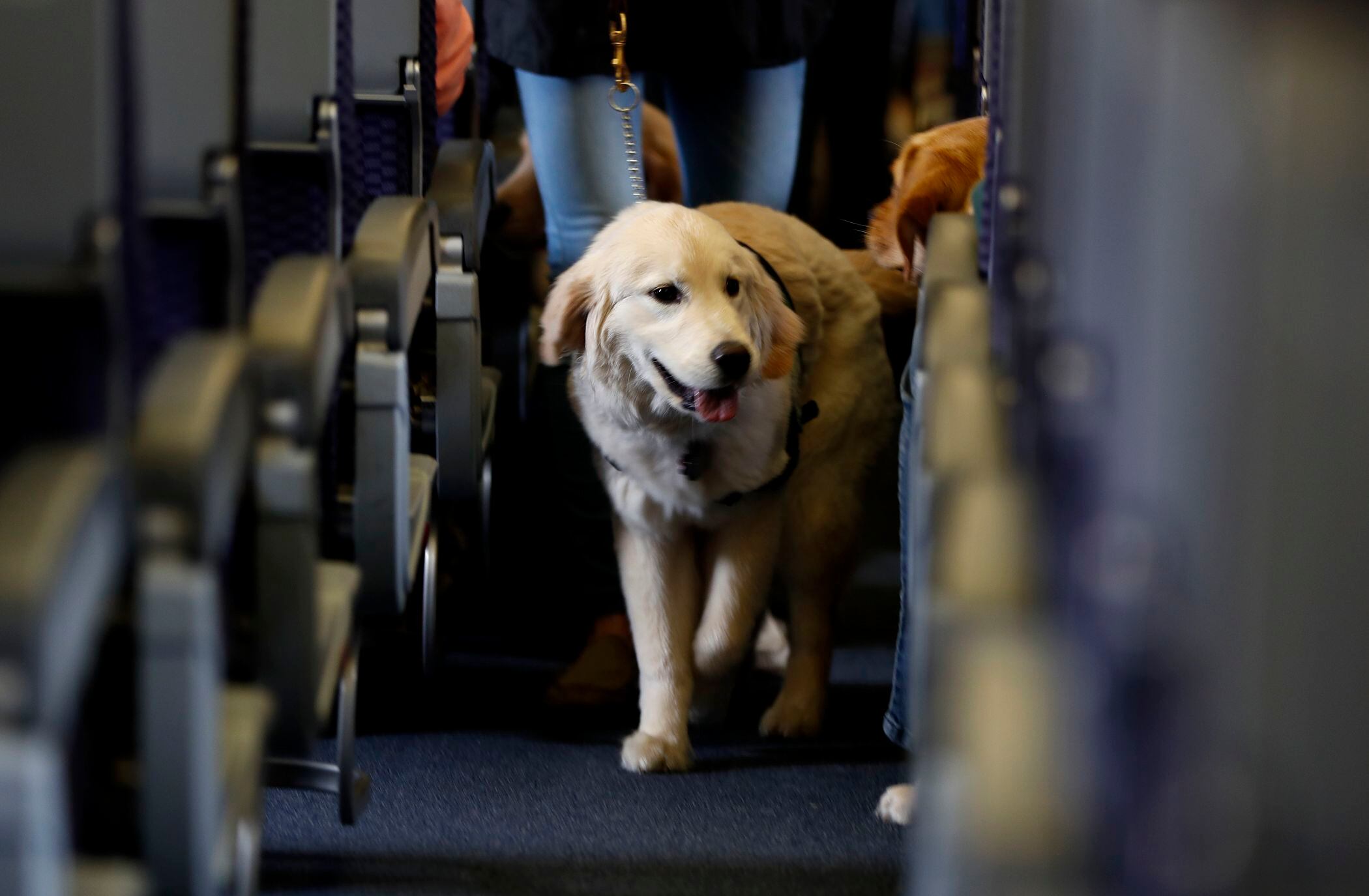
The Transportation Department issued a final rule Wednesday covering service animals. The rule says only dogs can qualify, and they have to be specially trained to help a person with disabilities.
The head of the United Nations is calling on countries to end what he calls a war on nature and instead embrace a future without carbon pollution triggering global warming.
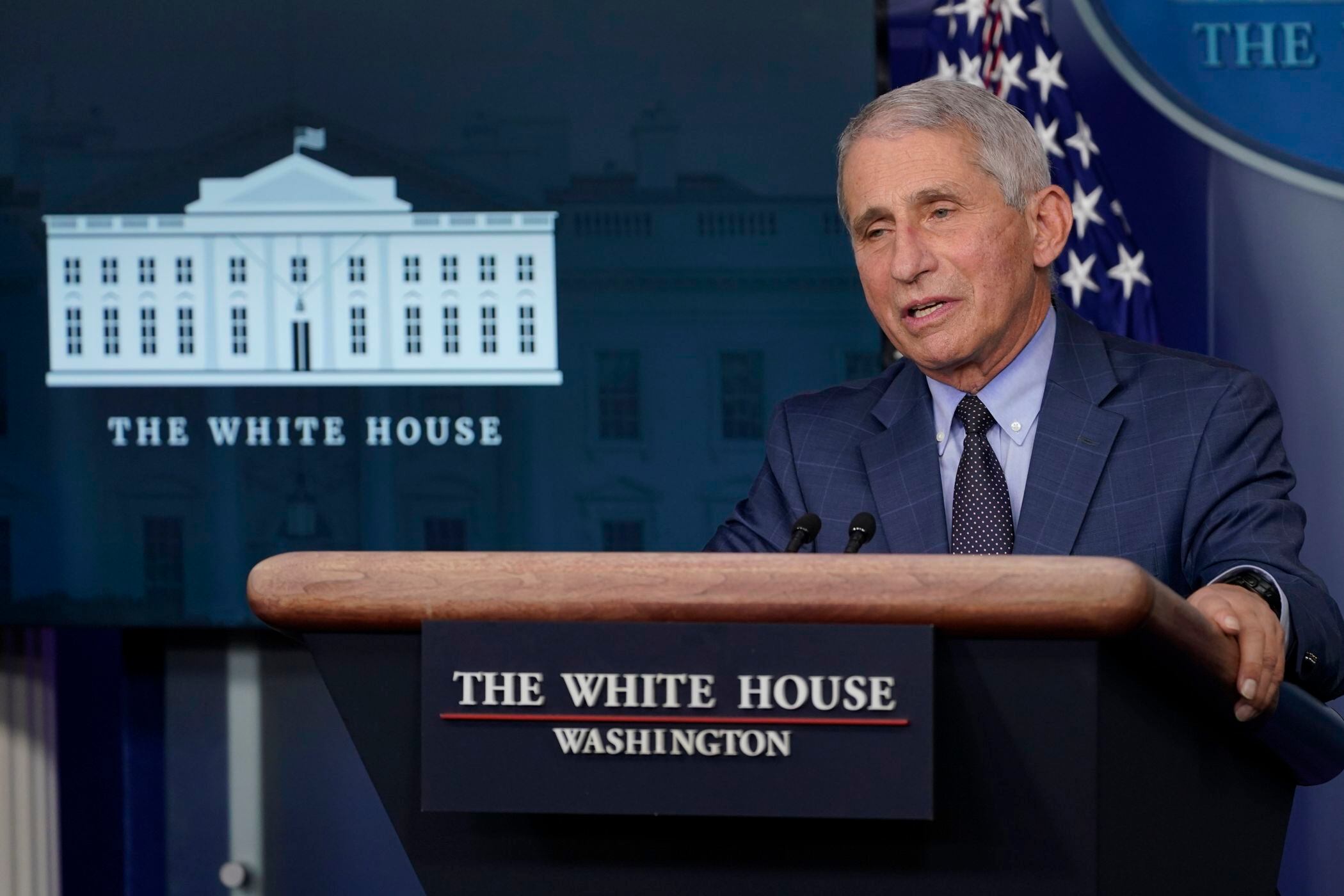
Dr. Anthony Fauci, director of the National Institute of Allergy and Infectious Diseases, discusses a wide range of current topics regarding the COVID-19 pandemic with Cheddar.
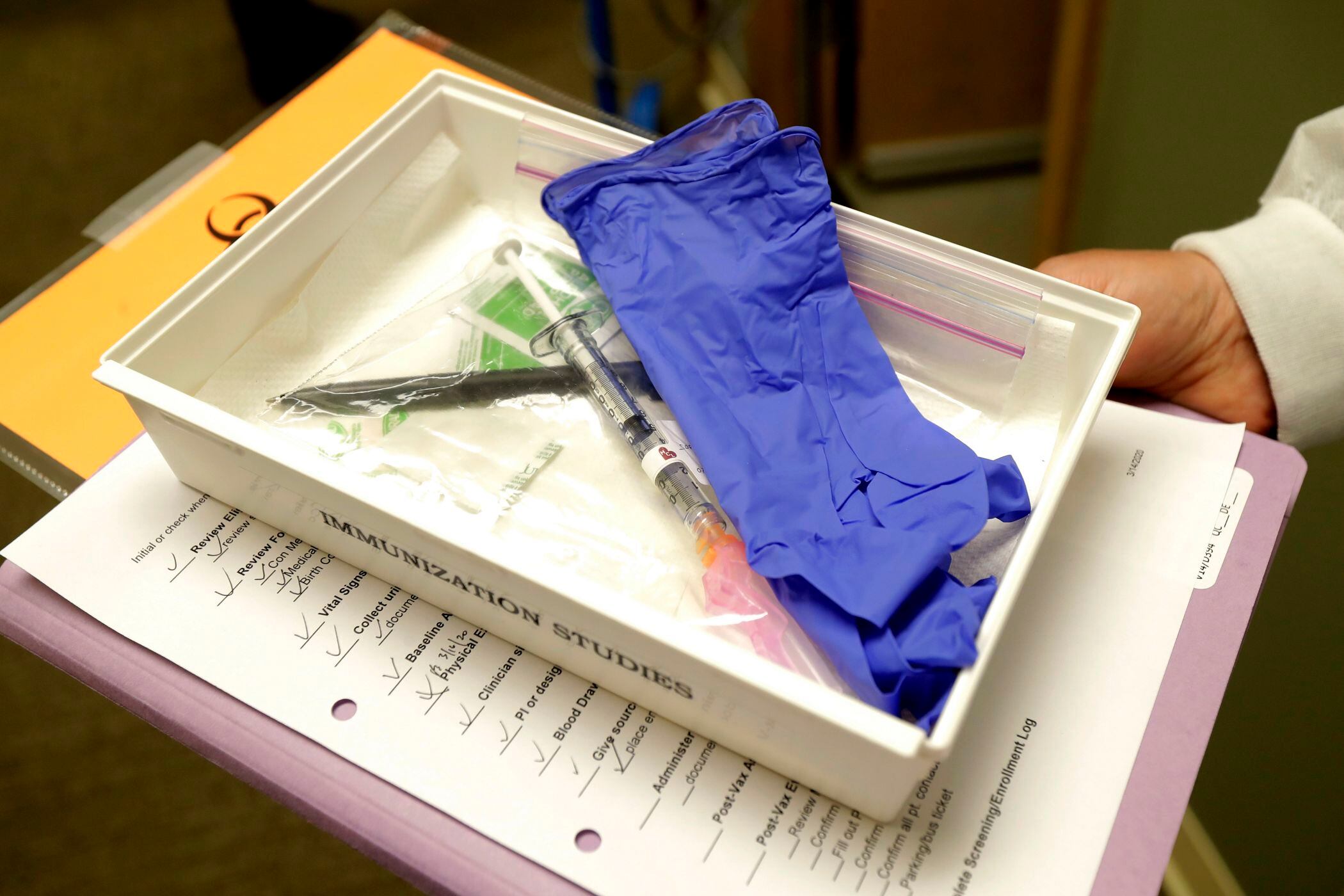
An influential government advisory panel says health care workers and nursing home residents should be at the front of the line when the first coronavirus vaccine shots become available.
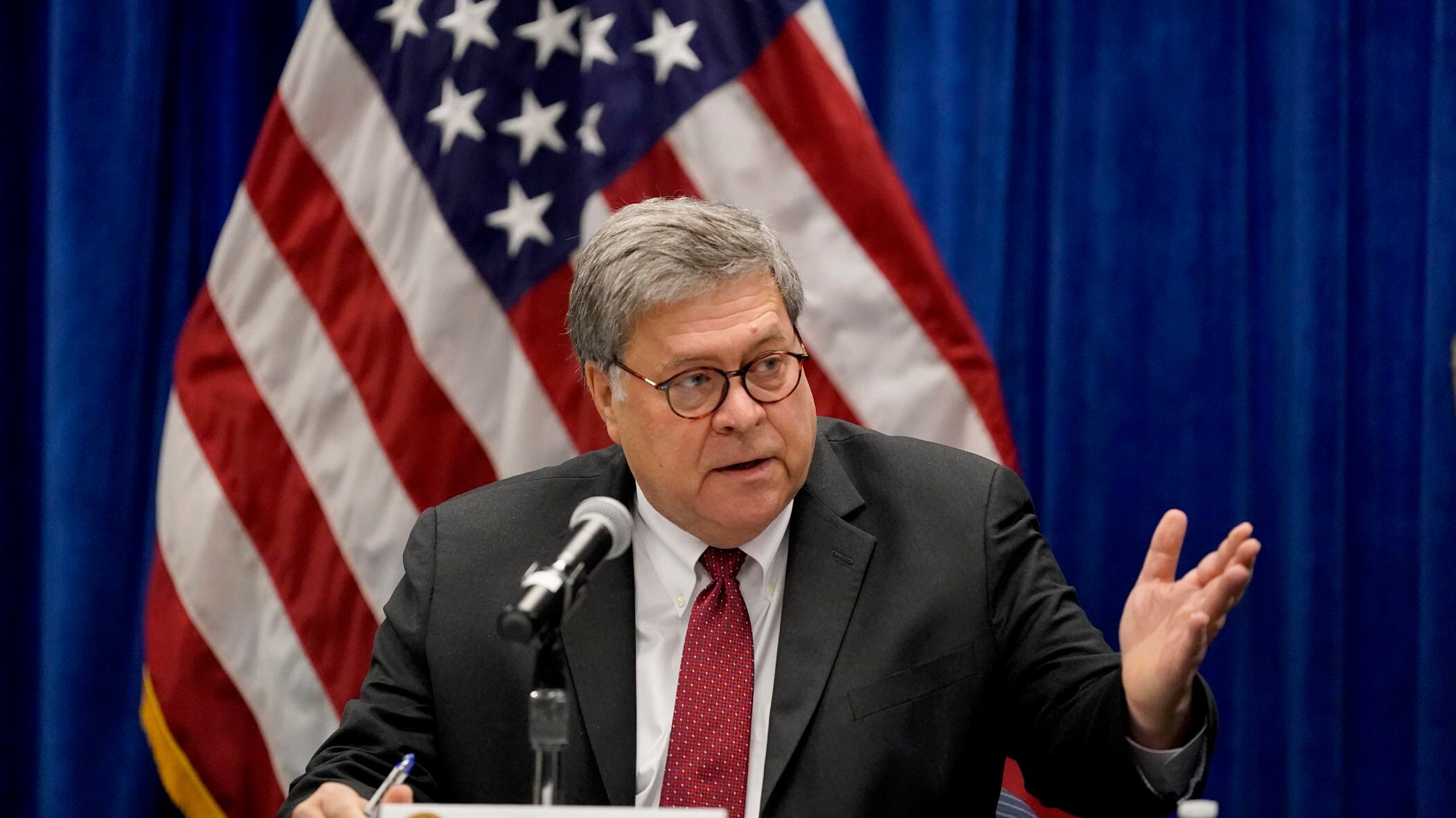
Attorney General William Barr said Tuesday that the Justice Department has not uncovered evidence of widespread voter fraud and has seen nothing that would change the outcome of the 2020 presidential election.
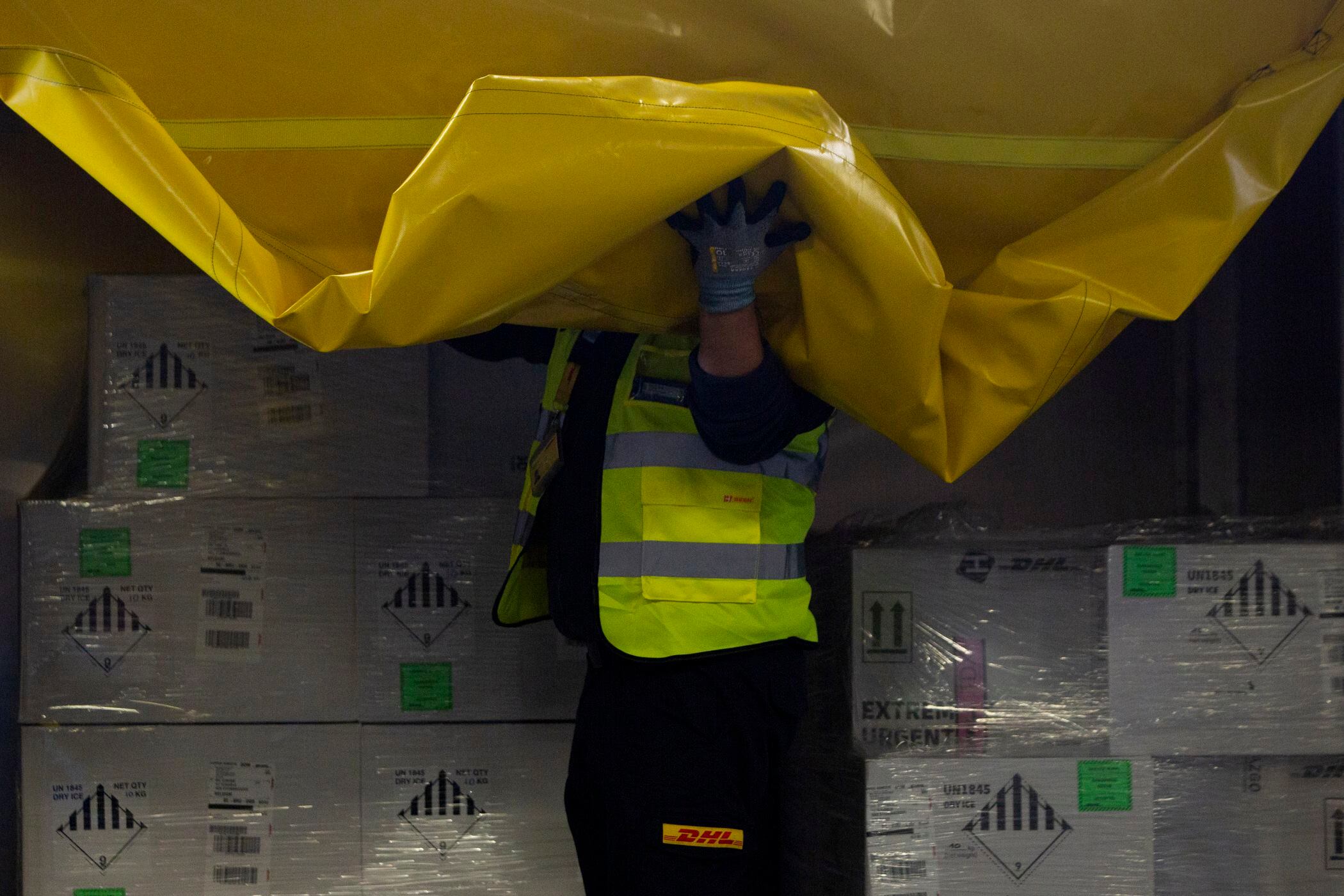
European regulators say they may approve a coronavirus vaccine developed by drugmakers Pfizer and BioNTech within four weeks.
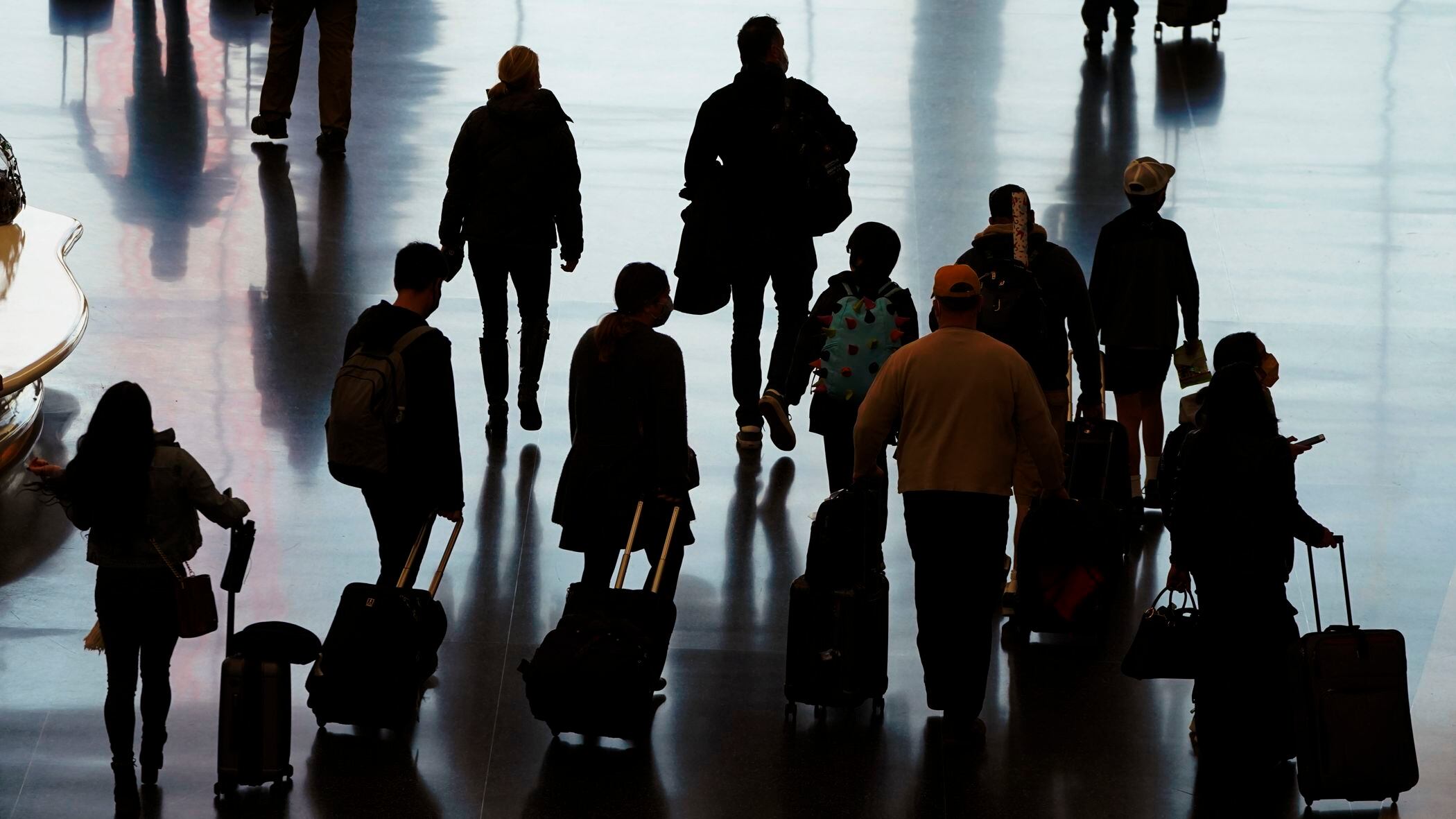
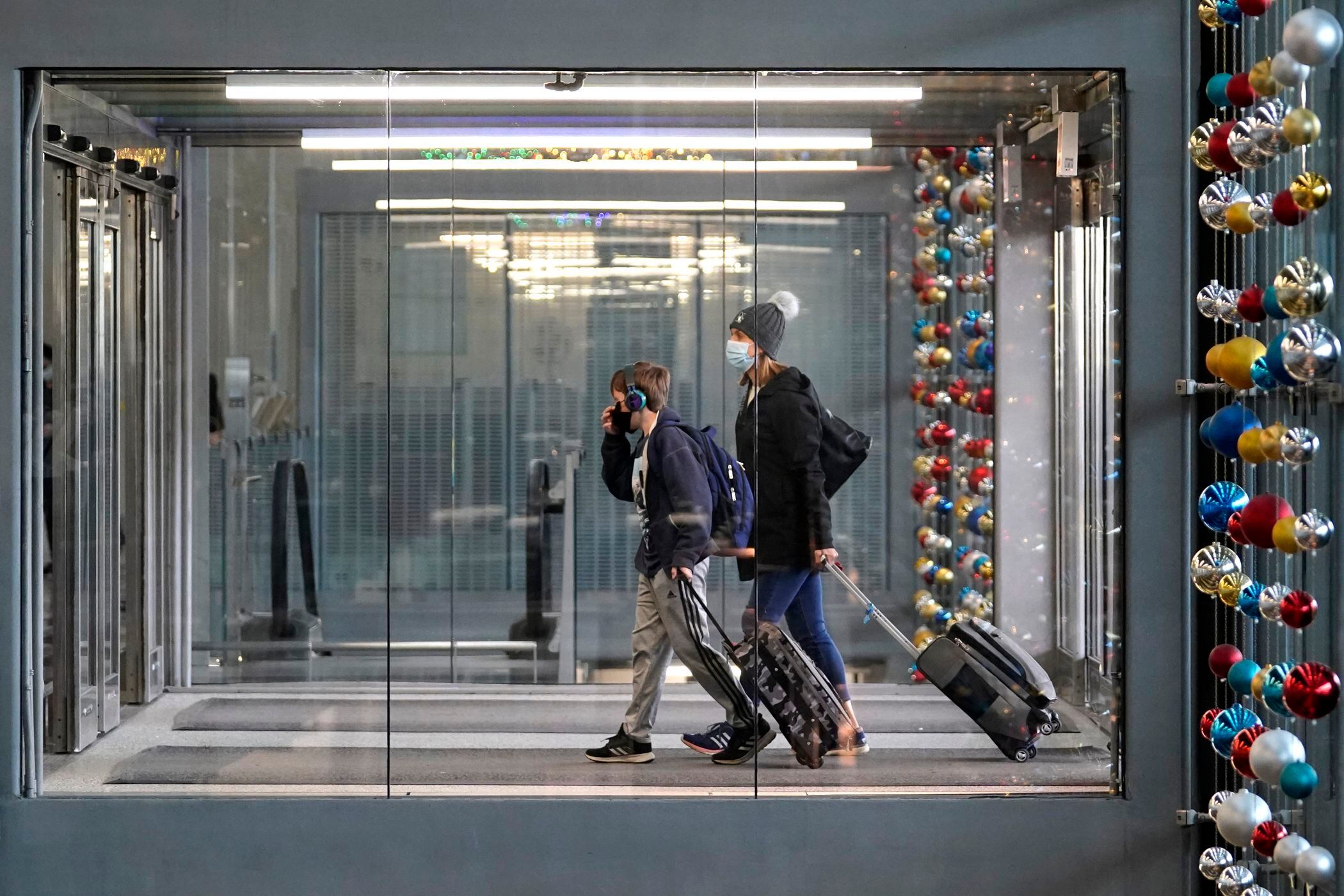
Americans returning home from Thanksgiving break are facing strict new coronavirus measures around the country as health officials brace for a disastrous worsening of the out-of-control surge because of holiday gatherings over the long weekend.
Federal Communications Commission Chairman Ajit Pai, a Republican, says he is leaving the telecommunications regulator on Inauguration Day.