The Trump administration last week rescinded a Obama-era rule that asked HUD recipients to measure and consider fixes to racial segregation in their communities.
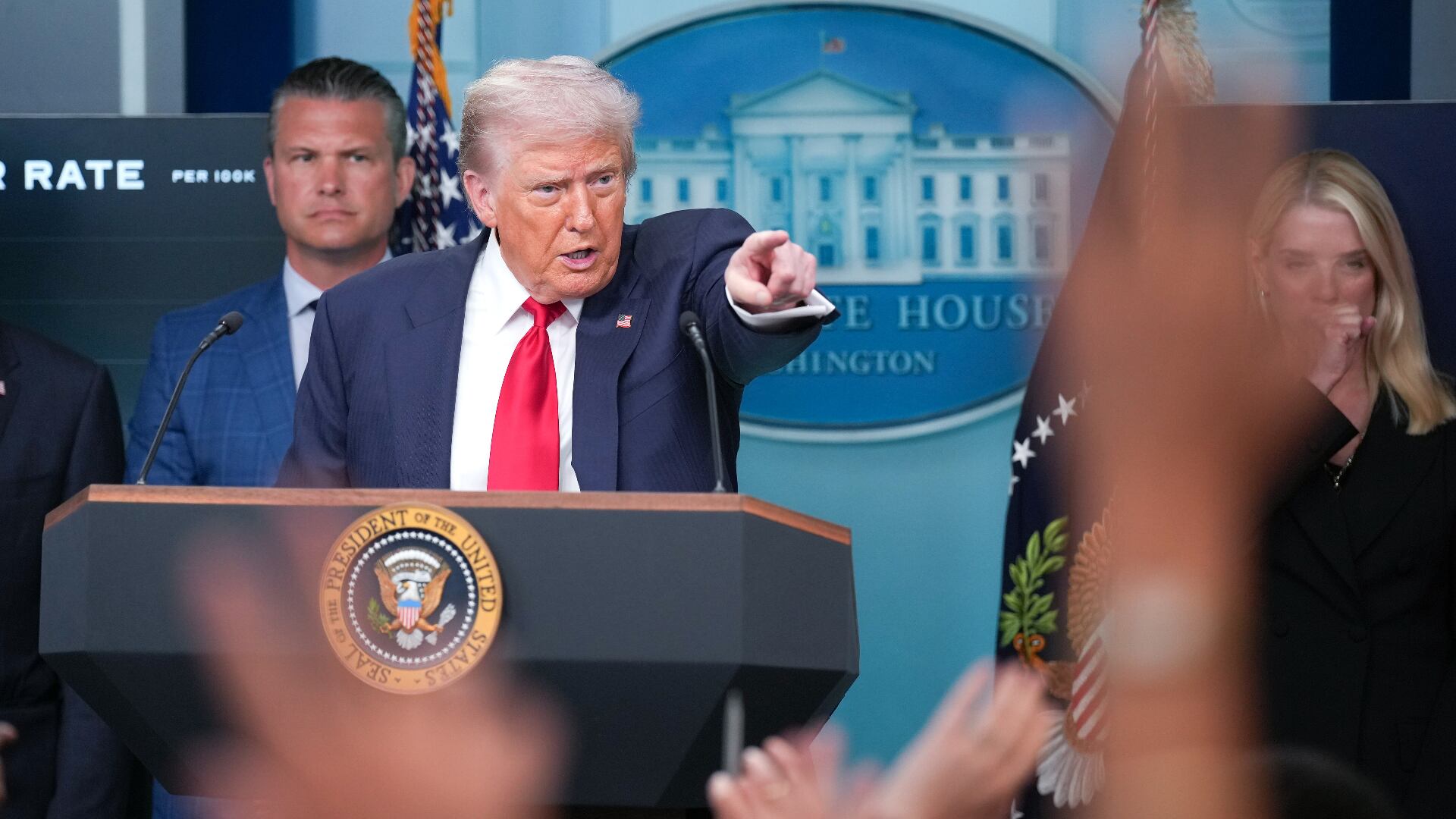
President Donald Trump then followed up the decision with a tweet that critics say was an explicit appeal to white, suburban voters.
"His tweet was aimed at a strategy of appealing to racial resentment and really people's worst ideas about how our communities should be structured," David Sanchez, director of research and development for the National Community Stabilization Trust, told Cheddar. "Attitudes like that are a big reason why we have such severe segregation by race, class, and opportunity in this country, and unfortunately the president is trying to use those fears to benefit himself politically."
The loss of the rule itself has gotten less attention, in part due to its low profile as more of a regulatory tweak than an aggressive federal policy.
The Affirmatively Furthering Fair Housing Rule that Trump's HUD eliminated asked municipalities and housing authorities to account for racial bias in their communities by writing a report and issuing recommendations, but it did not force municipalities to address segregation directly.
"It was about gathering data," Sanchez said. "It was about getting people talking about segregation. But it wasn't about forcing communities to do anything."
In the long-term, though, he added that cutting the rule will only contribute to the ongoing economic divide between the suburbs and cities.
"It's going to continue to concentrate economic resources, social privilege in certain people who can afford to live in high-opportunity communities," Sanchez said. "In the same way the COVID crisis has supercharged inequality in this country, this is just another step in that direction."
The U.S. House of Representatives made history on Friday, after voting to pass a sweeping cannabis decriminalization and social equity bill.
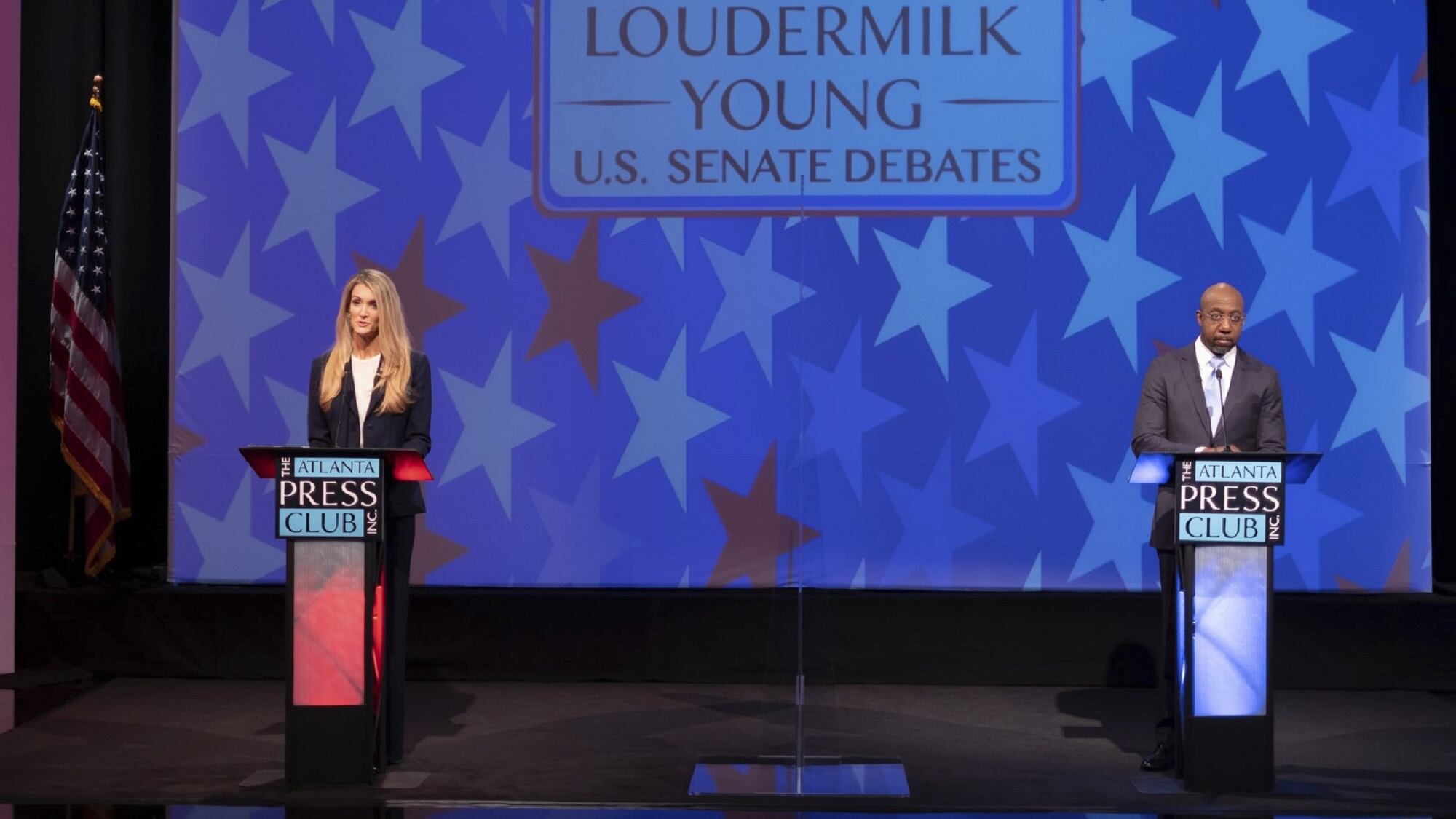
Sen. Kelly Loeffler debated her Democratic opponent, Rev. Raphael Warnock, Sunday night, while challenger Jon Ossoff debated an empty podium when incumbent Sen. David Perdue refused to debate ahead of the January Senate runoffs in Georgia.
Joe LaVorgna, the chief economist for the White House National Economic Council, talked to Cheddar about the economy and the recently released jobs report'.
From Wall Street to Silicon Valley, these are the top stories that moved markets and had investors, business leaders, and entrepreneurs talking this week on Cheddar.
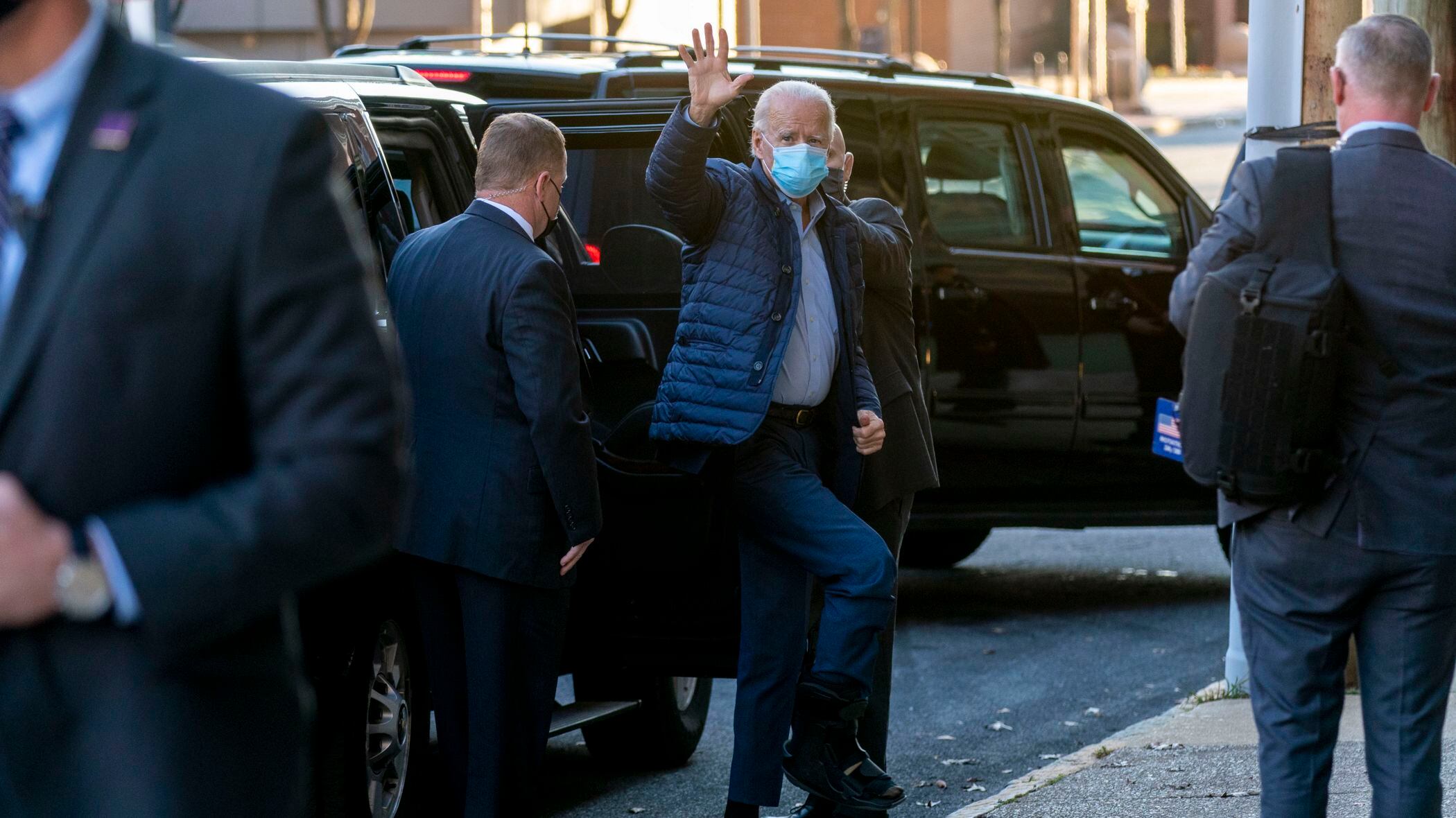
Biden stopped just short Thursday of the nationwide mandate he’s pushed before to stop the spread of the coronavirus.
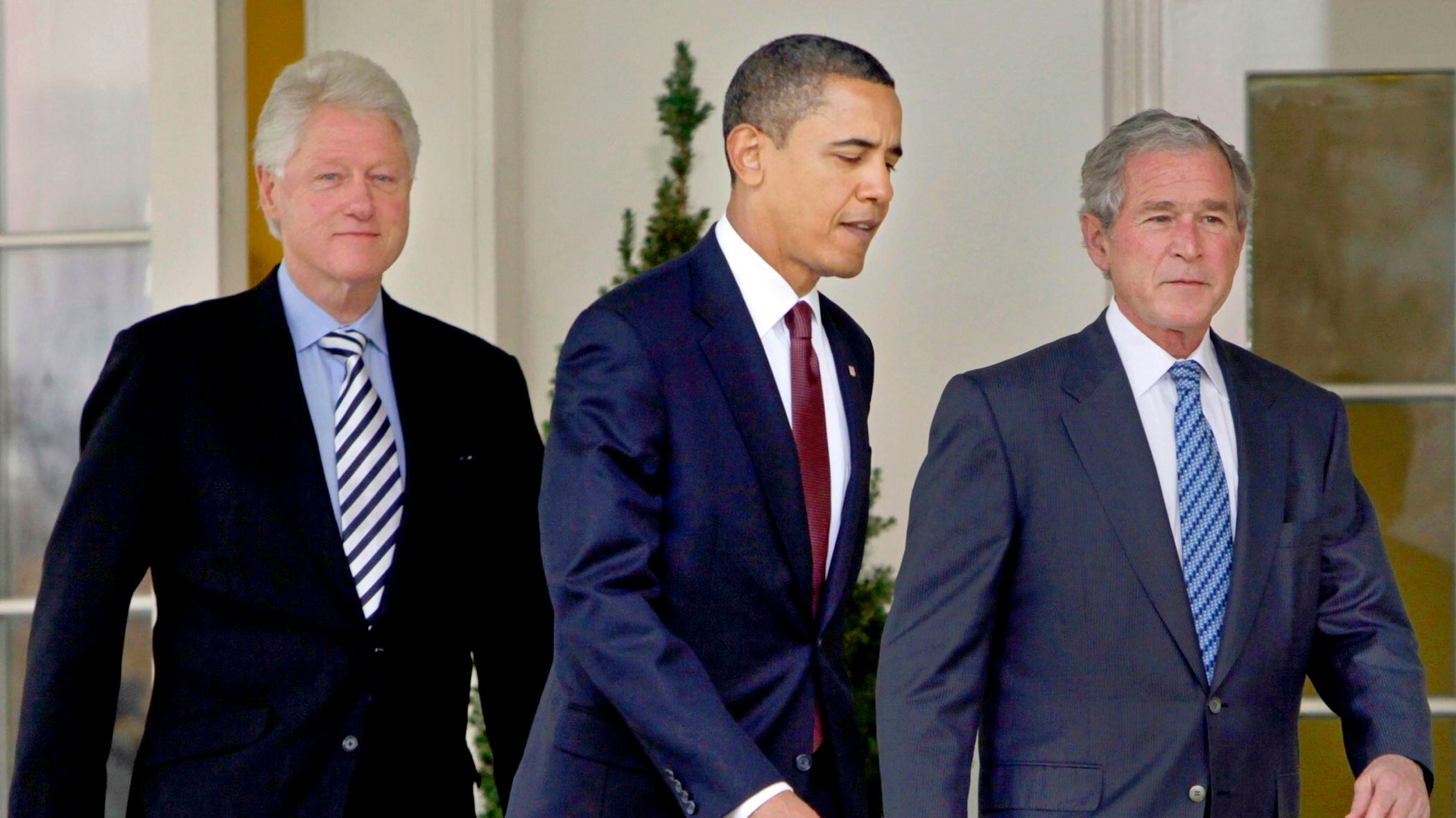
Three former presidents say they’d be willing to publicly take a coronavirus vaccine, once one becomes available, to encourage all Americans to get inoculated against a disease that has already killed more than 273,000 people nationwide.
The U.S. has recorded over 3,100 COVID-19 deaths in a single day, obliterating the record set last spring.
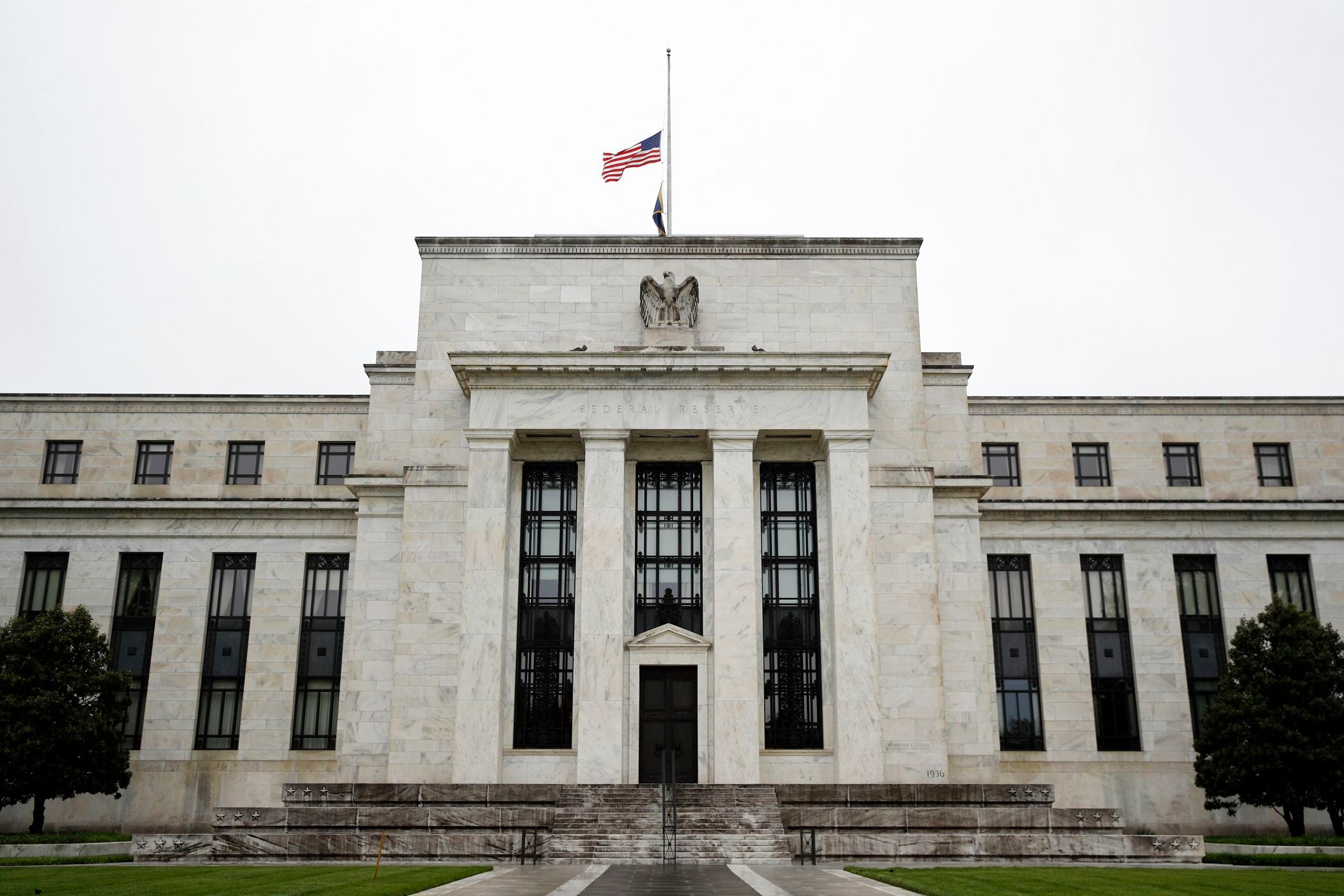
The Senate on Thursday narrowly confirmed the nomination of Christopher Waller for the Federal Reserve’s Board of Governors, placing another of President Donald Trump’s picks on the Fed’s influential board after a string of high-profile rejections.
IBM security researchers say they have detected a cyberespionage effort that used targeted phishing emails to try to collect vital information associated with a U.N. initiative for distributing coronavirus vaccine to developing countries.
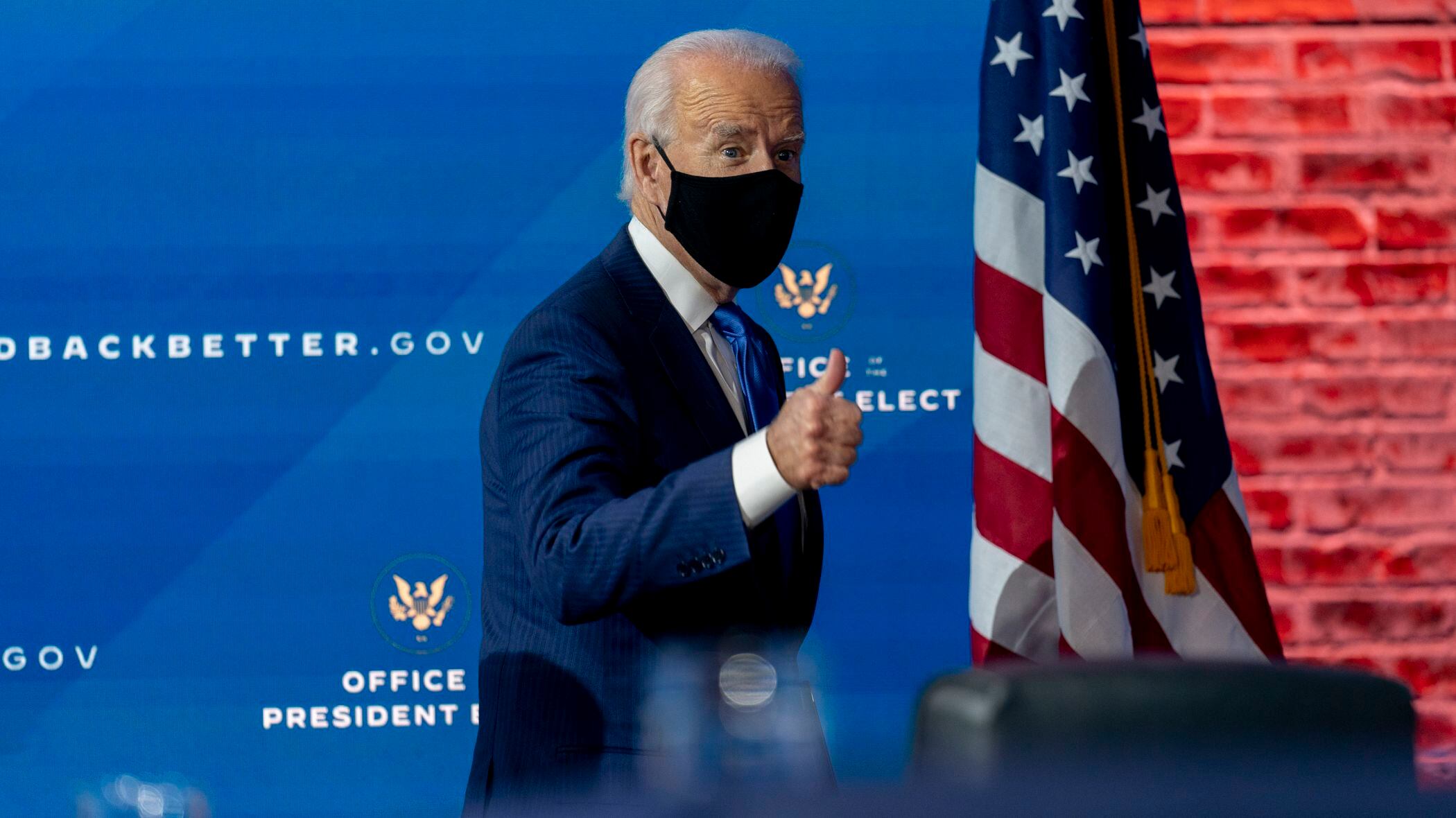
President-elect Joe Biden has swung behind a bipartisan COVID-19 relief effort. That comes as his top Capitol Hill allies cut their demands for a $2 trillion-plus measure by more than half.