The Trump administration last week rescinded a Obama-era rule that asked HUD recipients to measure and consider fixes to racial segregation in their communities.
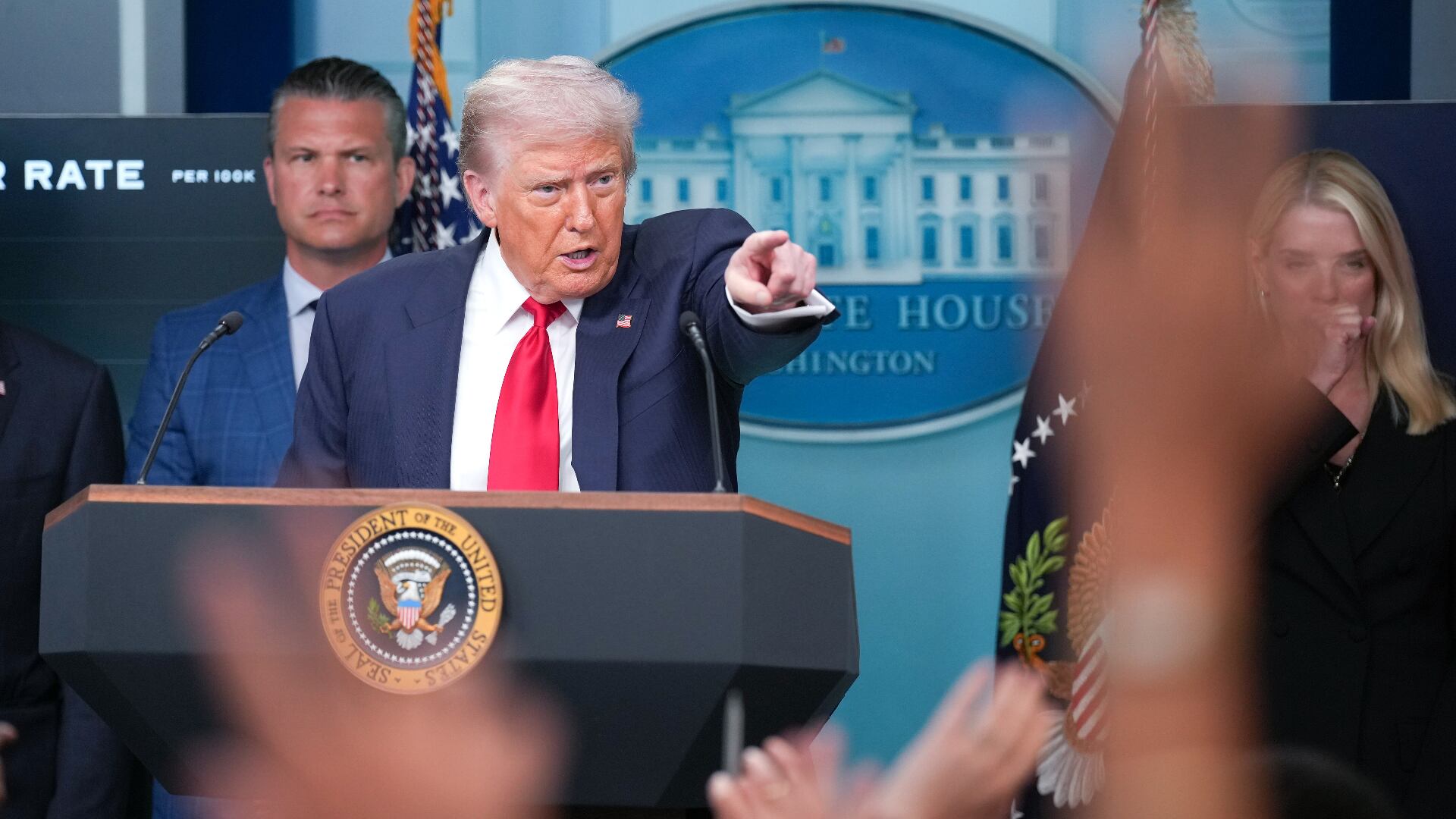
President Donald Trump then followed up the decision with a tweet that critics say was an explicit appeal to white, suburban voters.
"His tweet was aimed at a strategy of appealing to racial resentment and really people's worst ideas about how our communities should be structured," David Sanchez, director of research and development for the National Community Stabilization Trust, told Cheddar. "Attitudes like that are a big reason why we have such severe segregation by race, class, and opportunity in this country, and unfortunately the president is trying to use those fears to benefit himself politically."
The loss of the rule itself has gotten less attention, in part due to its low profile as more of a regulatory tweak than an aggressive federal policy.
The Affirmatively Furthering Fair Housing Rule that Trump's HUD eliminated asked municipalities and housing authorities to account for racial bias in their communities by writing a report and issuing recommendations, but it did not force municipalities to address segregation directly.
"It was about gathering data," Sanchez said. "It was about getting people talking about segregation. But it wasn't about forcing communities to do anything."
In the long-term, though, he added that cutting the rule will only contribute to the ongoing economic divide between the suburbs and cities.
"It's going to continue to concentrate economic resources, social privilege in certain people who can afford to live in high-opportunity communities," Sanchez said. "In the same way the COVID crisis has supercharged inequality in this country, this is just another step in that direction."
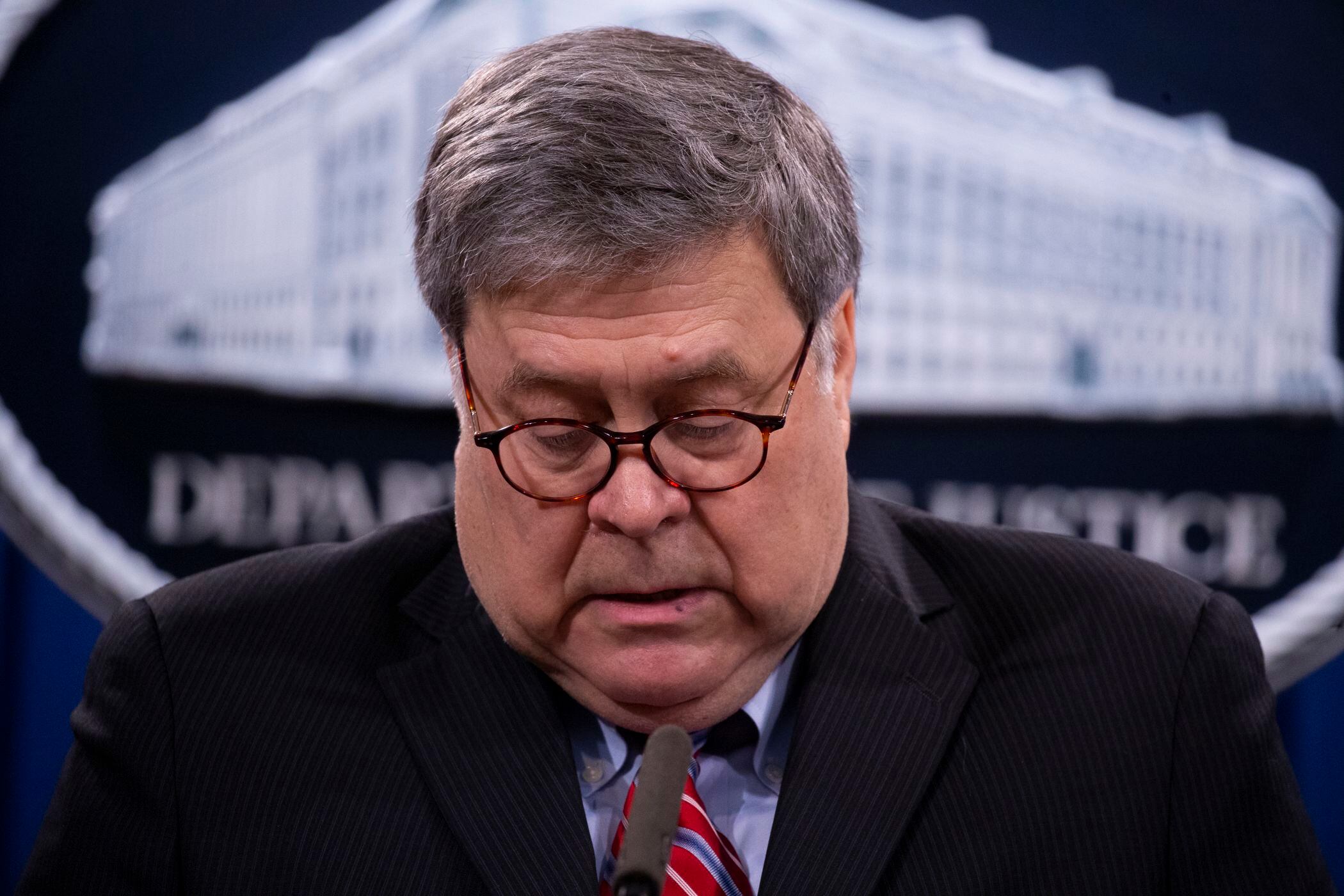
Breaking with President Donald Trump, outgoing Attorney General William Barr says he sees “no reason” to appoint a special counsel on potential election fraud or the tax investigation into the son of President-elect Joe Biden.
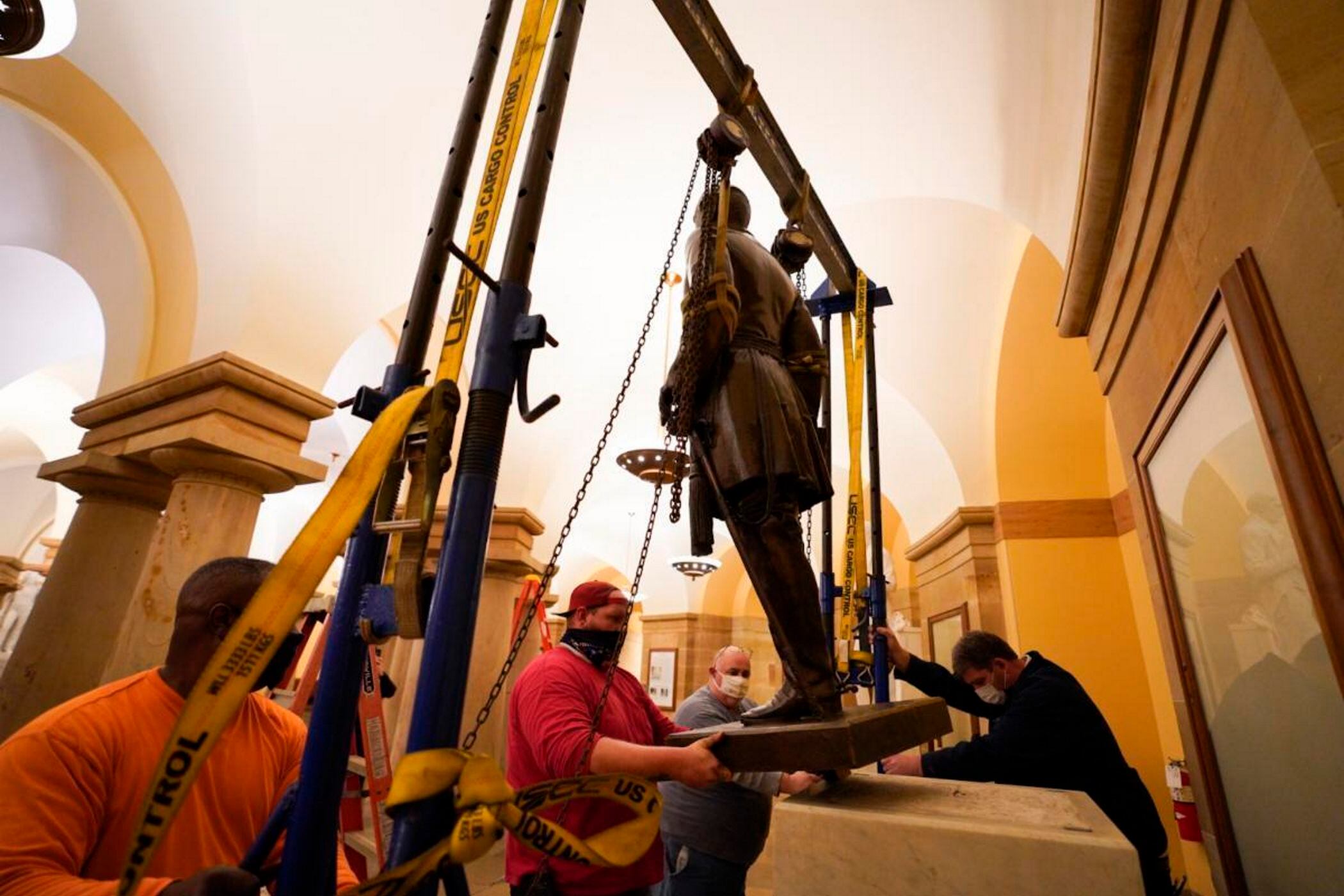
A statue of Confederate Gen. Robert E. Lee that represented Virginia in the U.S. Capitol has been removed. Virginia Gov. Ralph Northam said in a statement that workers removed the statue from the National Statuary Hall Collection early Monday.
Congressional leaders have hashed out a massive, year-end catchall bill that combines $900 billion in COVID-19 aid with a $1.4 trillion omnibus spending bill.
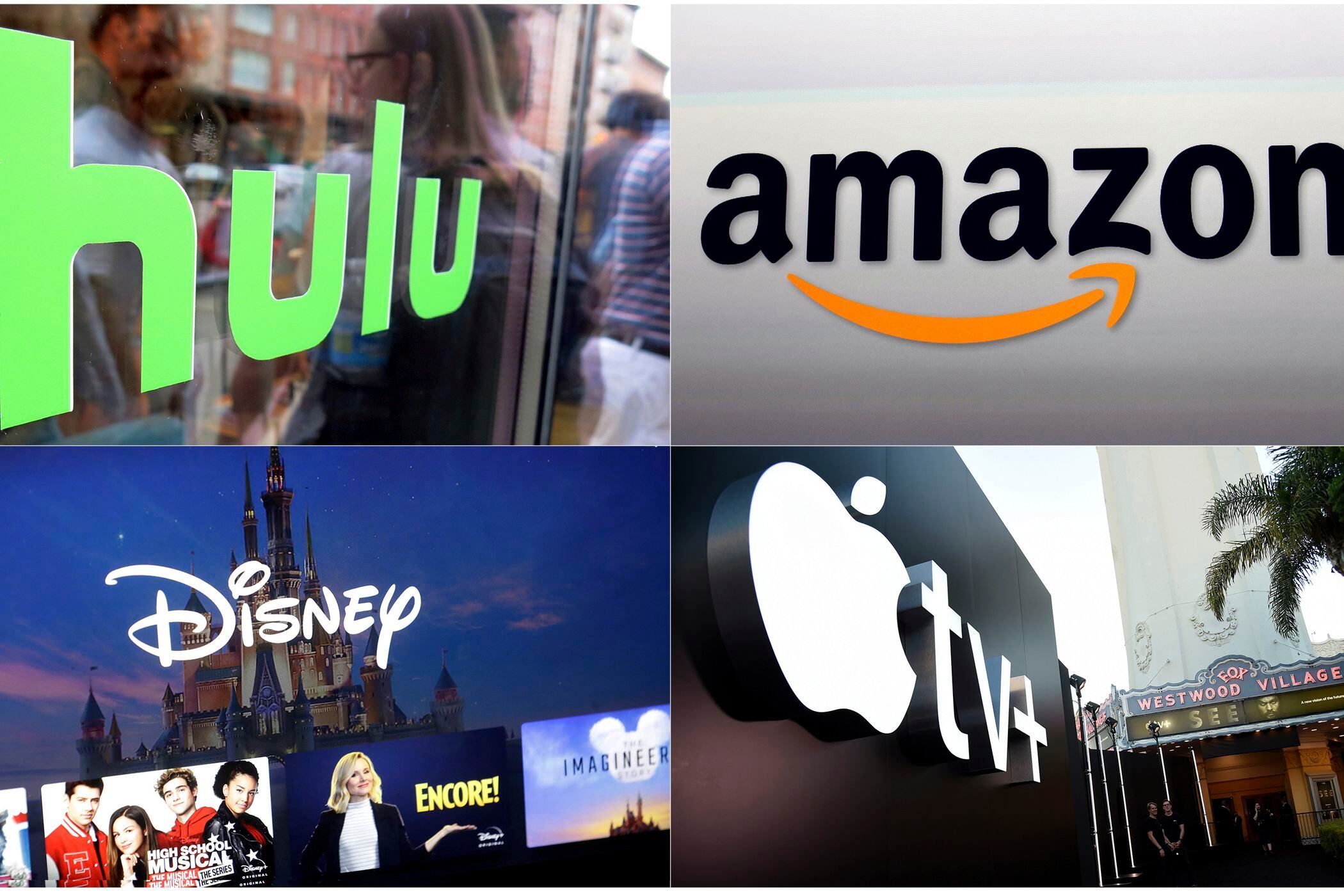
Sen. Angus King (I-Maine) sent a last-minute Christmas request this week to the leaders of six major streaming services on behalf of the American public.
From Wall Street to Silicon Valley, these are the top stories that moved markets and had investors, business leaders, and entrepreneurs talking this week on Cheddar.
Top negotiators on a must-pass, almost $1 trillion COVID-19 economic relief package are committed to sealing an agreement in hopes of passing the legislation this weekend.
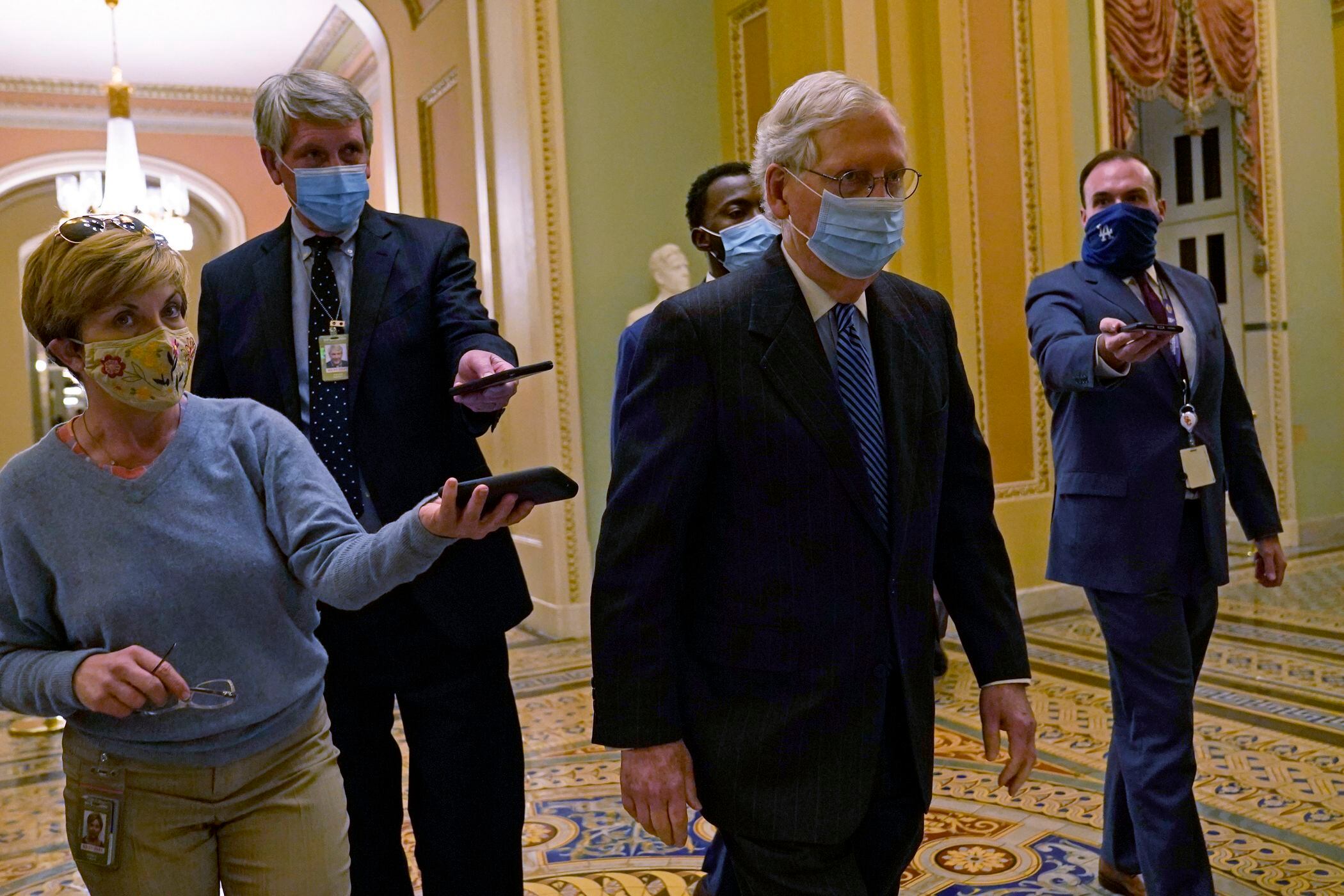
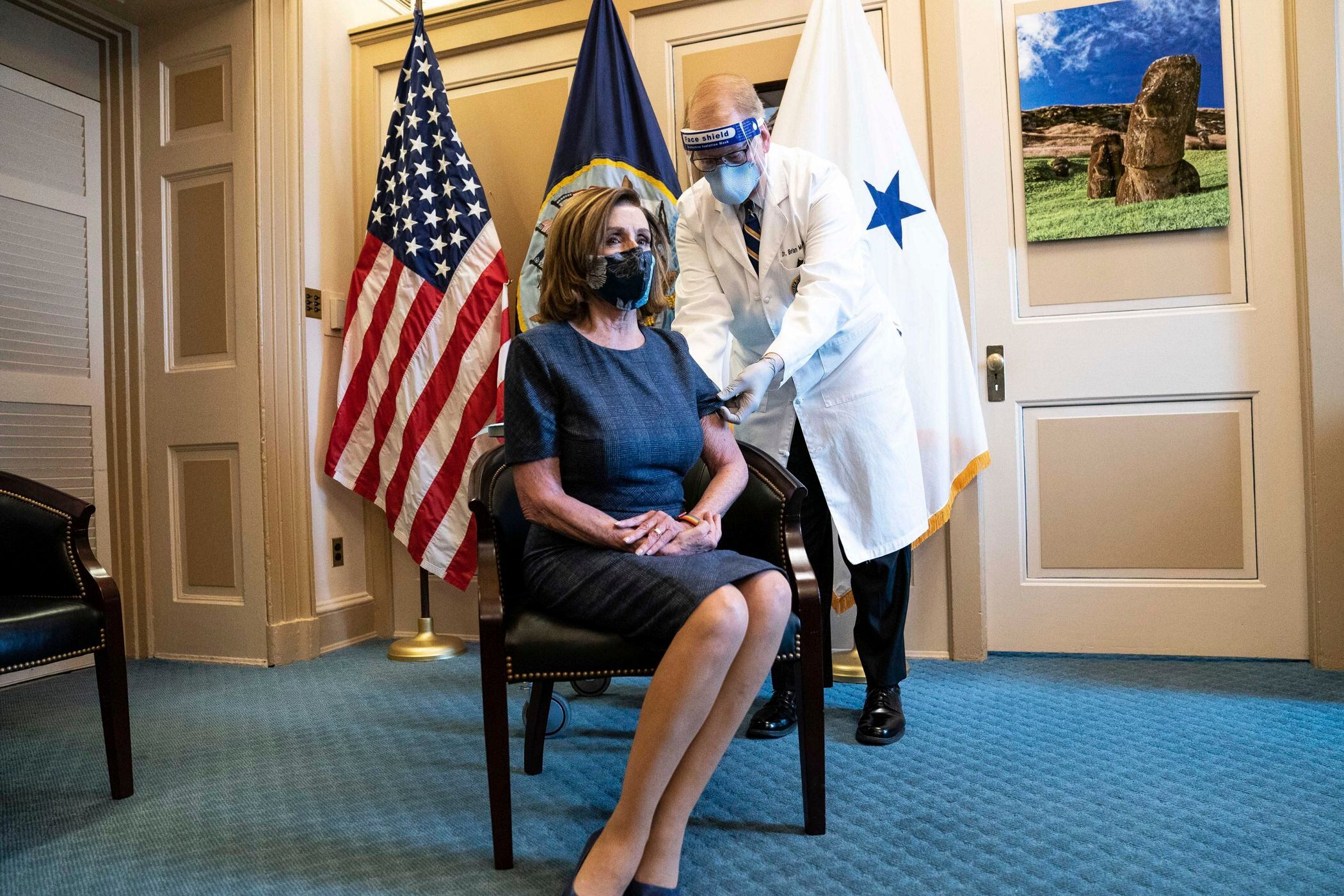
The legislative branch of government is rapidly moving to receive the coronavirus vaccine, with both House Speaker Nancy Pelosi and Senate Majority Leader Mitch McConnell getting the shot on Friday.
As the second wave of COVID-19 sweeps the U.S., frontline doctors are reliving the worst of the pandemic. Cheddar's Michelle Castillo finds out how doctors are coping.
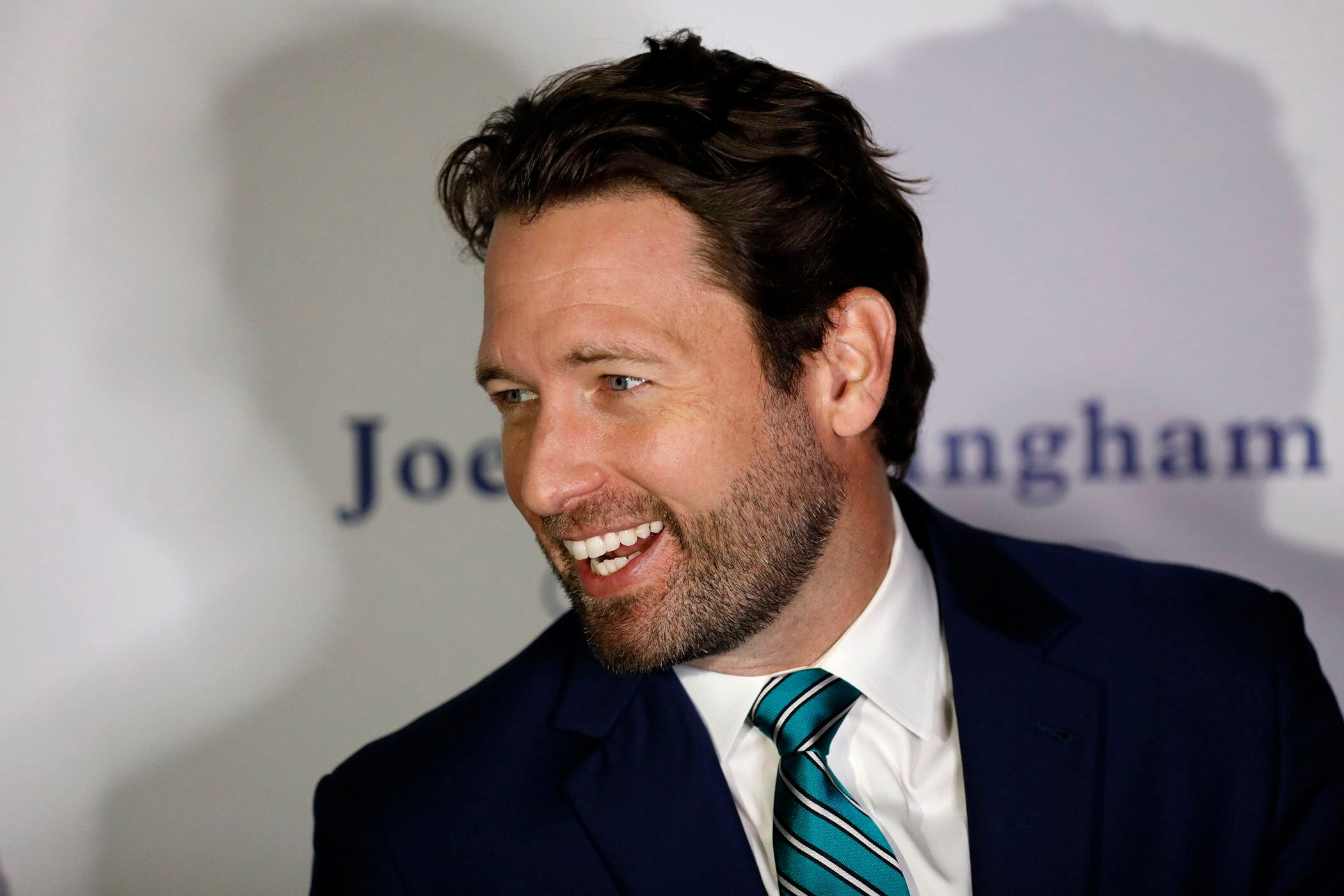
Outgoing freshman Representative Joe Cunningham (D-S.C. 1st District) capped his farewell speech today with an unorthodox — and prohibited — gesture on the House floor.
Dozens of states filed an anti-trust lawsuit against Google on Thursday, alleging that the search giant has an illegal monopoly over the online search market that hurts consumers and advertisers.