The Trump administration last week rescinded a Obama-era rule that asked HUD recipients to measure and consider fixes to racial segregation in their communities.
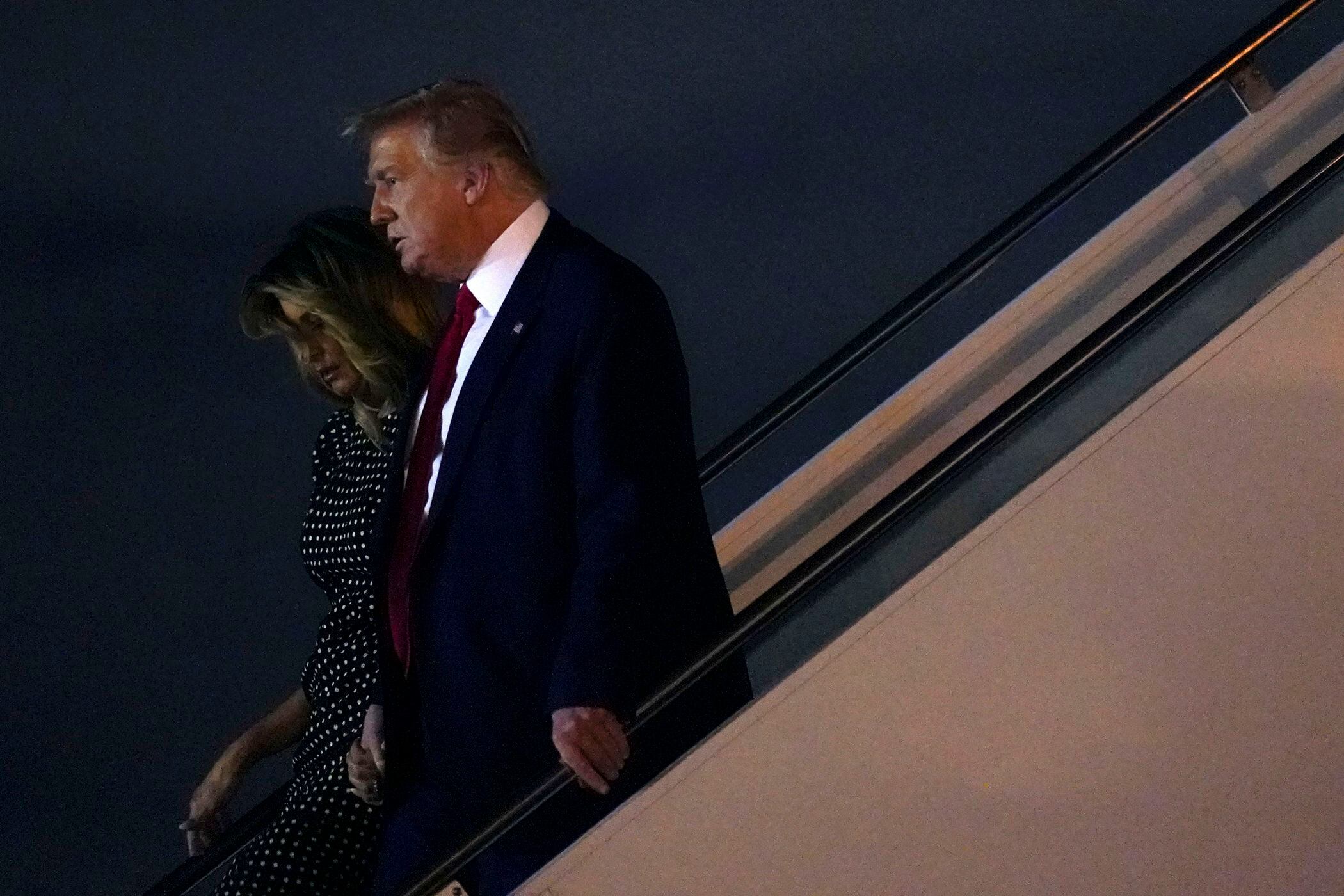
President Donald Trump then followed up the decision with a tweet that critics say was an explicit appeal to white, suburban voters.
"His tweet was aimed at a strategy of appealing to racial resentment and really people's worst ideas about how our communities should be structured," David Sanchez, director of research and development for the National Community Stabilization Trust, told Cheddar. "Attitudes like that are a big reason why we have such severe segregation by race, class, and opportunity in this country, and unfortunately the president is trying to use those fears to benefit himself politically."
The loss of the rule itself has gotten less attention, in part due to its low profile as more of a regulatory tweak than an aggressive federal policy.
The Affirmatively Furthering Fair Housing Rule that Trump's HUD eliminated asked municipalities and housing authorities to account for racial bias in their communities by writing a report and issuing recommendations, but it did not force municipalities to address segregation directly.
"It was about gathering data," Sanchez said. "It was about getting people talking about segregation. But it wasn't about forcing communities to do anything."
In the long-term, though, he added that cutting the rule will only contribute to the ongoing economic divide between the suburbs and cities.
"It's going to continue to concentrate economic resources, social privilege in certain people who can afford to live in high-opportunity communities," Sanchez said. "In the same way the COVID crisis has supercharged inequality in this country, this is just another step in that direction."
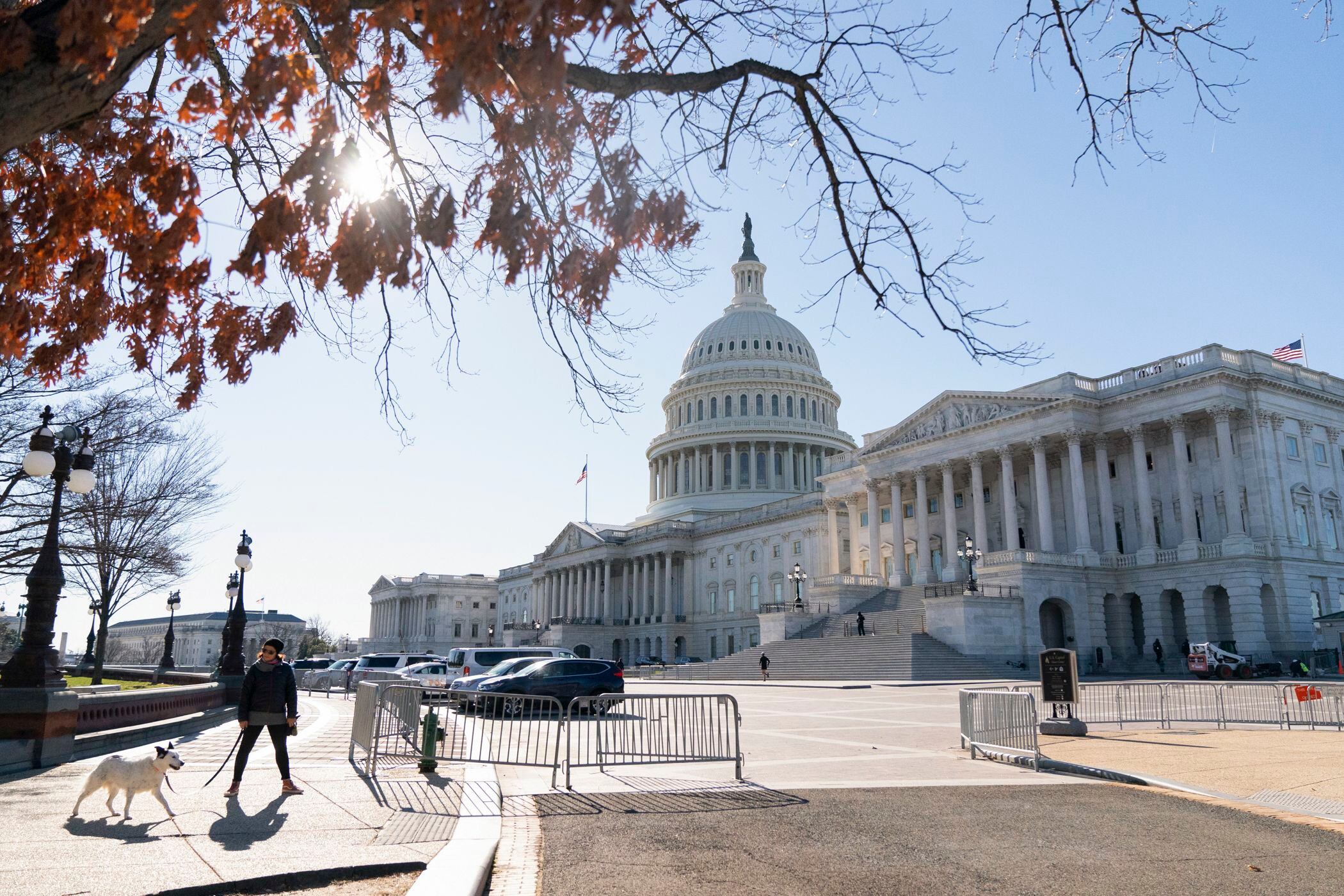
Senate Majority Leader Mitch McConnell has blocked Democrats’ push to immediately bring President Donald Trump’s demand for bigger $2,000 COVID-19 relief checks up for a vote.
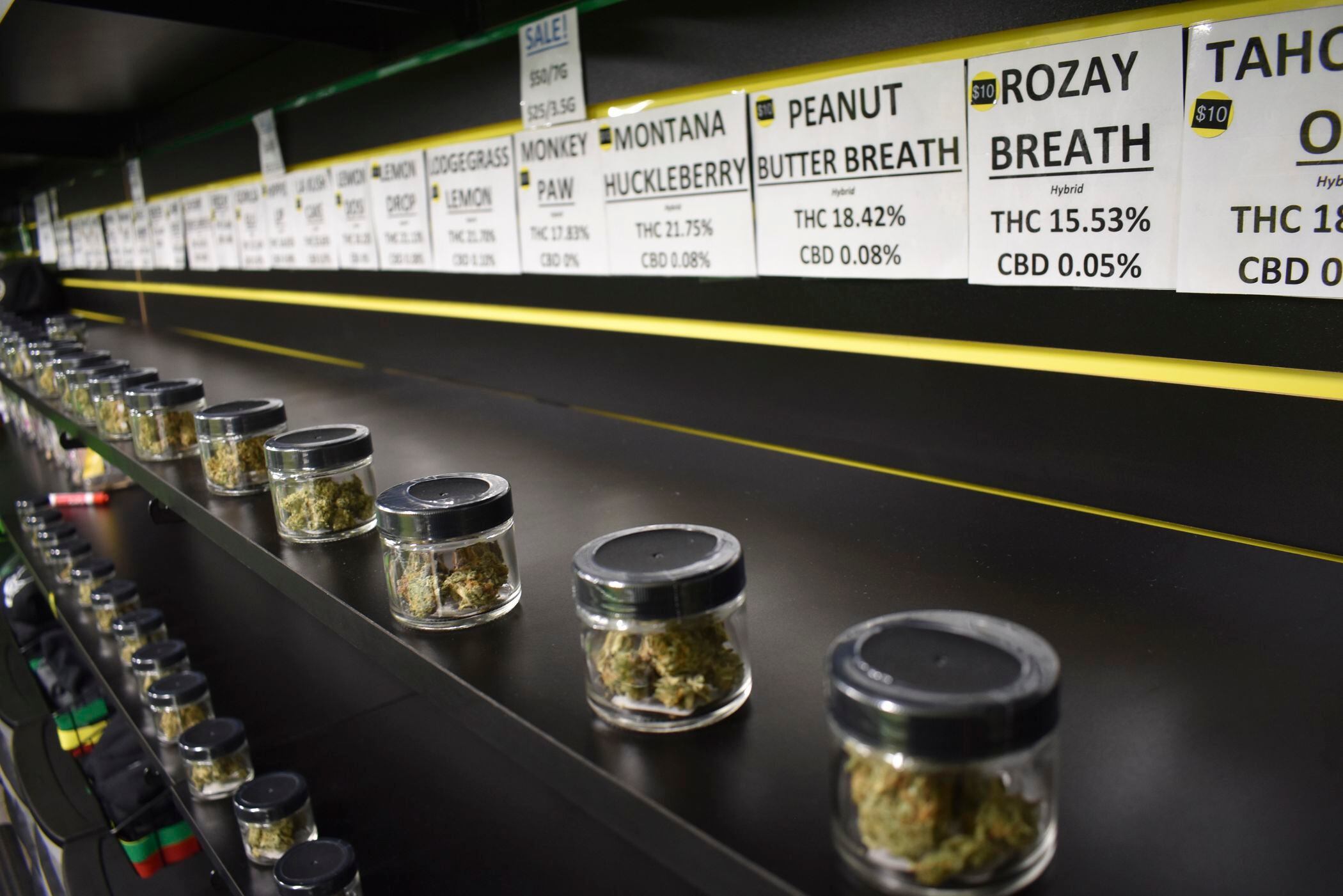
As 2020 winds to a close, the industry will head into 2021 propelled by titanic shifts in the perception of cannabis in the U.S. and unprecedented political tailwinds.
The House voted Monday to increase COVID-19 relief checks to $2,000, meeting President Donald Trump’s demand for bigger payments and sending the bill to the GOP-controlled Senate, where the outcome is uncertain.
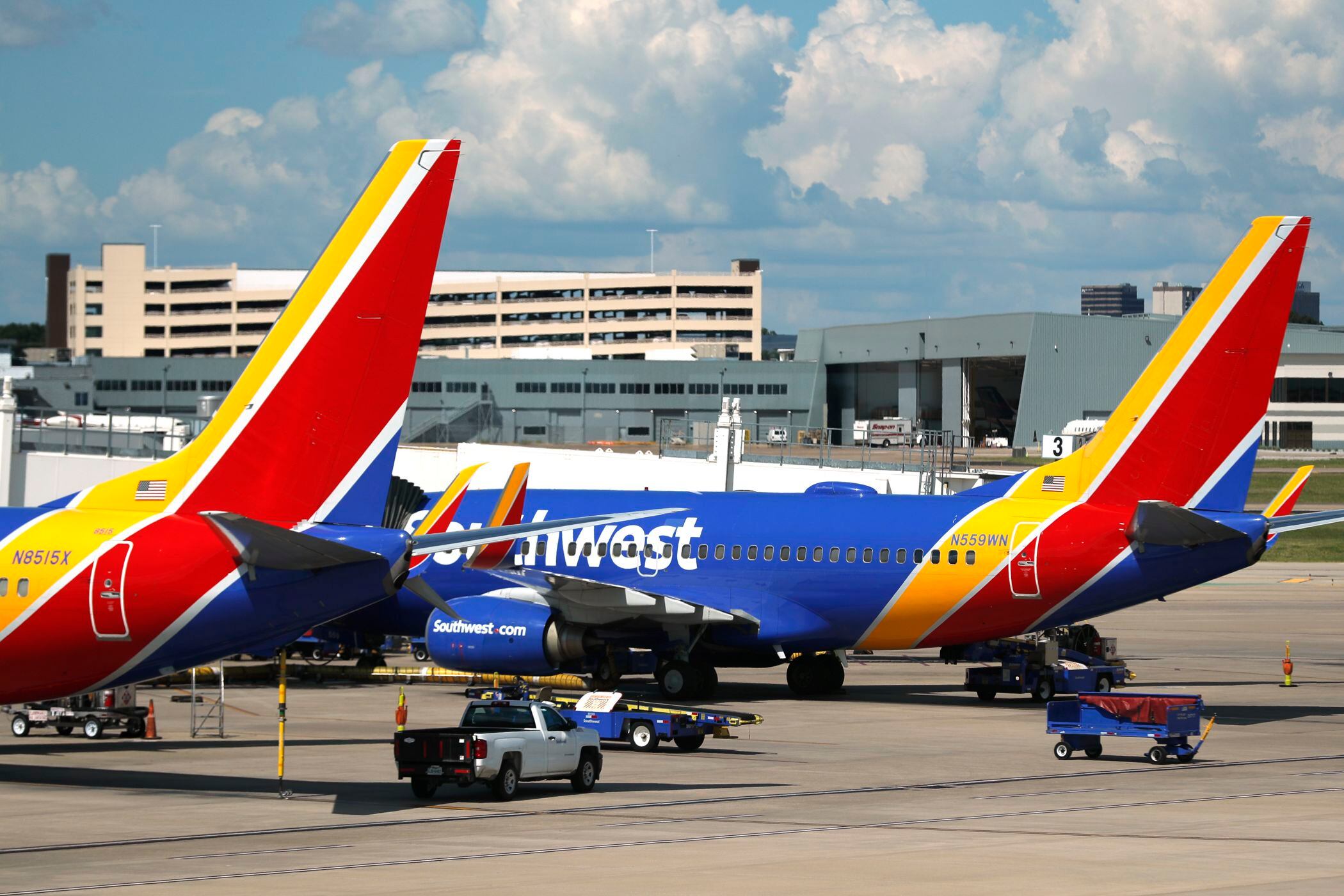
Southwest Airlines says it's not going to furlough workers in 2021 after all. The airline's CEO says that with Washington's approval of $15 billion in new federal aid to airlines, furloughs or pay cuts aren't needed.
President Donald Trump’s last-minute demand for $2,000 checks for most Americans has thrown the yea-end COVID relief into chaos. House Republicans on Thursday swiftly rejected the demand.
From Wall Street to Silicon Valley, these are the top stories that moved markets and had investors, business leaders, and entrepreneurs talking this week on Cheddar.
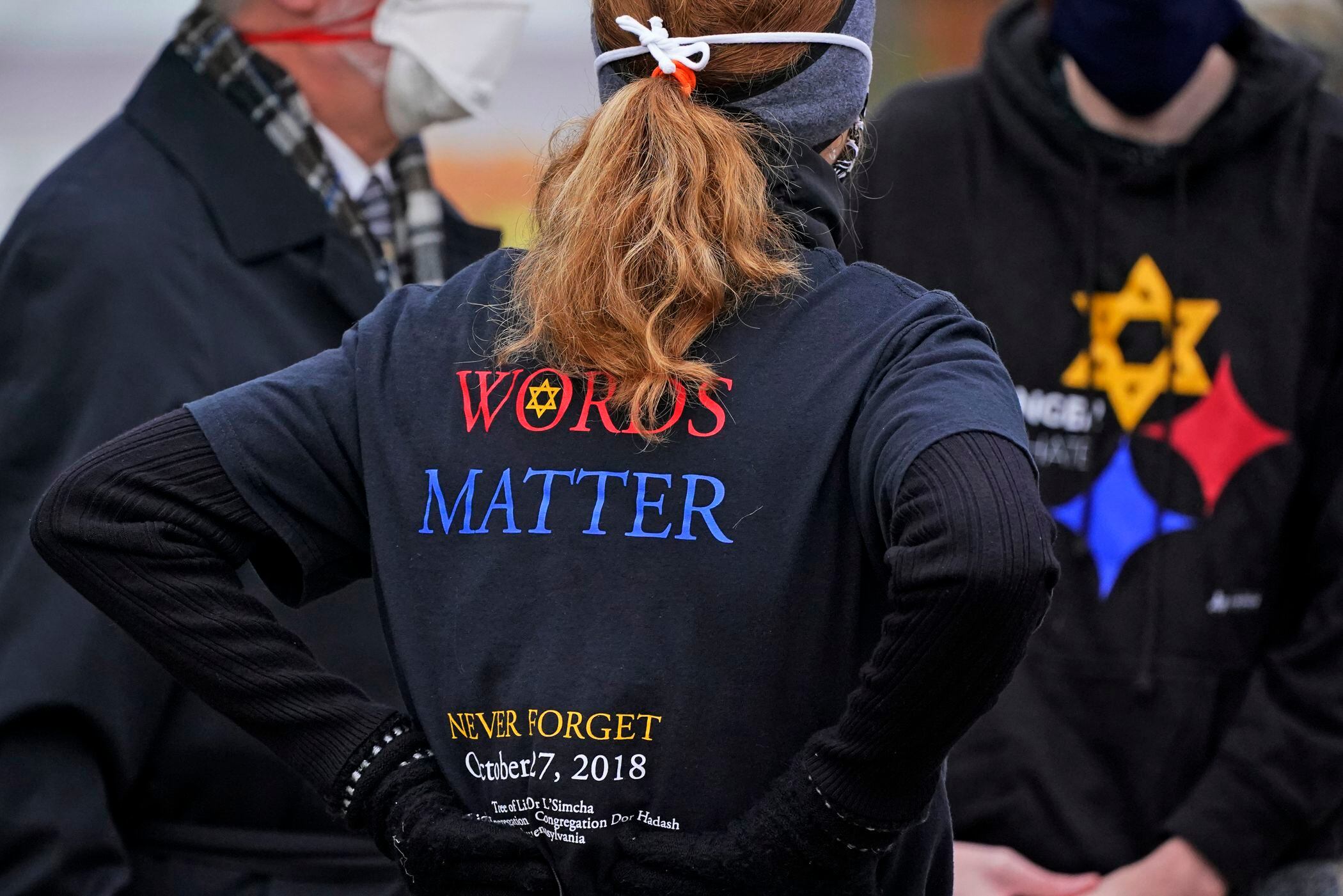
Following 2020's Hanukkah celebration, Cheddar's Jill Wagner looks into the often overlooked issue of antisemitism still plaguing the United States.
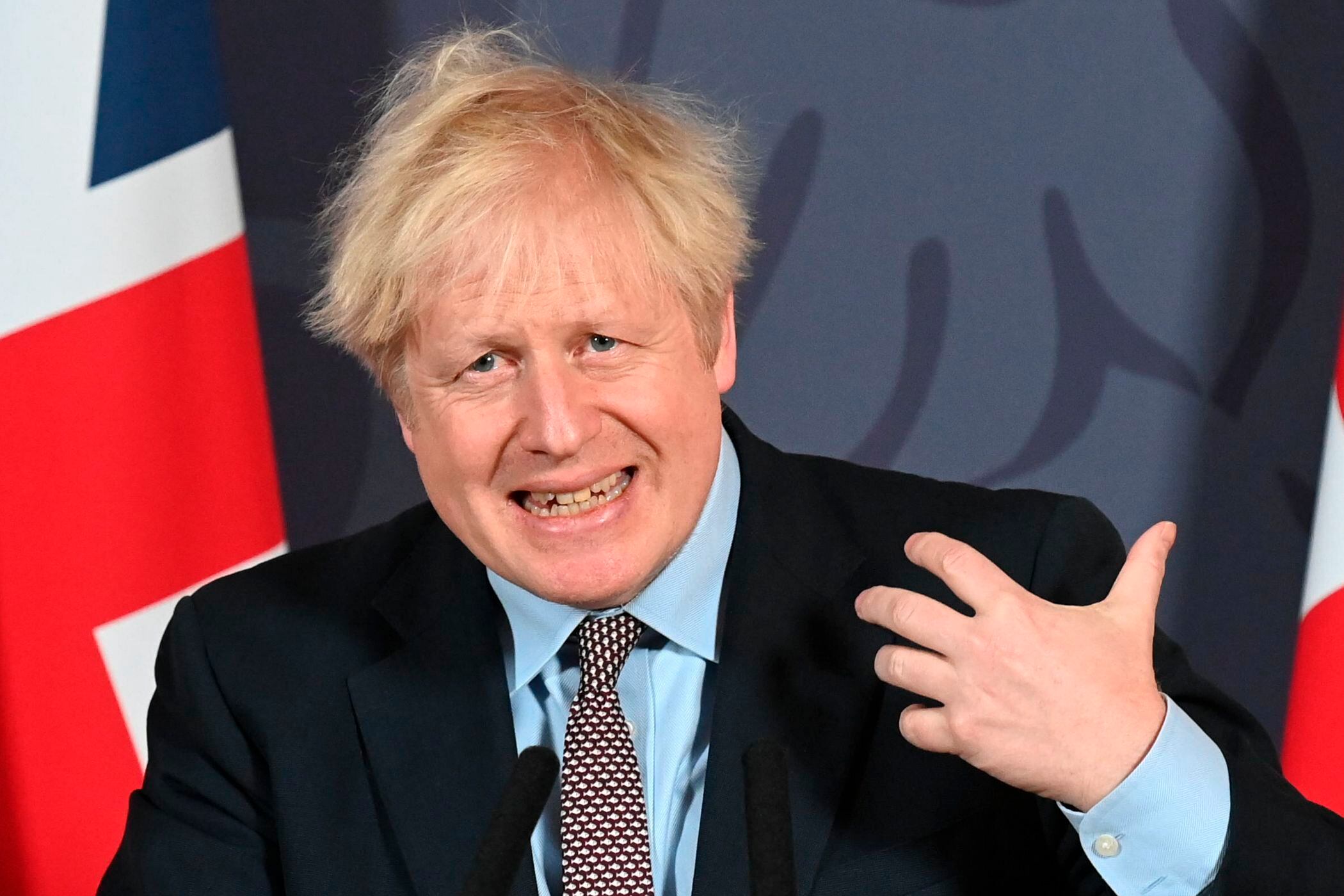
Britain and the European Union have struck a provisional free-trade agreement that should avert New Year’s chaos for cross-border commerce and bring a measure of certainty to businesses after years of Brexit turmoil.
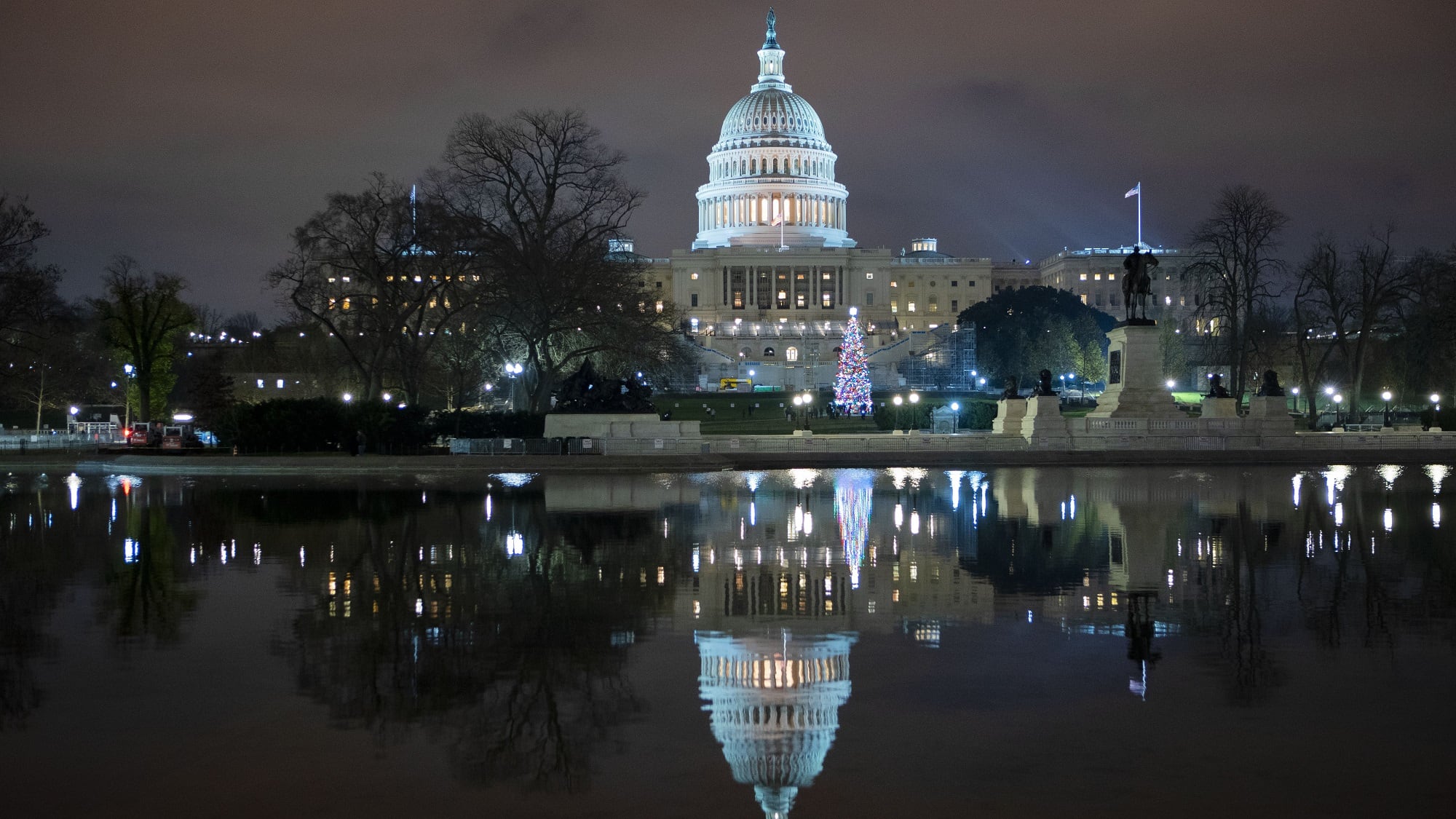
President Donald Trump has plunged Washington into chaos once more by mounting another desperate attempt to cling to power while leaving lawmakers scrambling to respond to his threat to detonate Congress’ massive COVID-19 relief and year-end package.
President Donald Trump has vetoed the annual defense policy bill, following through on threats to veto a measure that has broad bipartisan support in Congress and potentially setting up the first override vote of his presidency.