The Trump administration last week rescinded a Obama-era rule that asked HUD recipients to measure and consider fixes to racial segregation in their communities.
President Donald Trump then followed up the decision with a tweet that critics say was an explicit appeal to white, suburban voters.
"His tweet was aimed at a strategy of appealing to racial resentment and really people's worst ideas about how our communities should be structured," David Sanchez, director of research and development for the National Community Stabilization Trust, told Cheddar. "Attitudes like that are a big reason why we have such severe segregation by race, class, and opportunity in this country, and unfortunately the president is trying to use those fears to benefit himself politically."
The loss of the rule itself has gotten less attention, in part due to its low profile as more of a regulatory tweak than an aggressive federal policy.
The Affirmatively Furthering Fair Housing Rule that Trump's HUD eliminated asked municipalities and housing authorities to account for racial bias in their communities by writing a report and issuing recommendations, but it did not force municipalities to address segregation directly.
"It was about gathering data," Sanchez said. "It was about getting people talking about segregation. But it wasn't about forcing communities to do anything."
In the long-term, though, he added that cutting the rule will only contribute to the ongoing economic divide between the suburbs and cities.
"It's going to continue to concentrate economic resources, social privilege in certain people who can afford to live in high-opportunity communities," Sanchez said. "In the same way the COVID crisis has supercharged inequality in this country, this is just another step in that direction."
In the 1920s, an army of real estate boosters set out to redefine Florida from an economic backwater to a ritzy vacation destination, sparking a land boom — and bust — the likes of which America had never seen before.
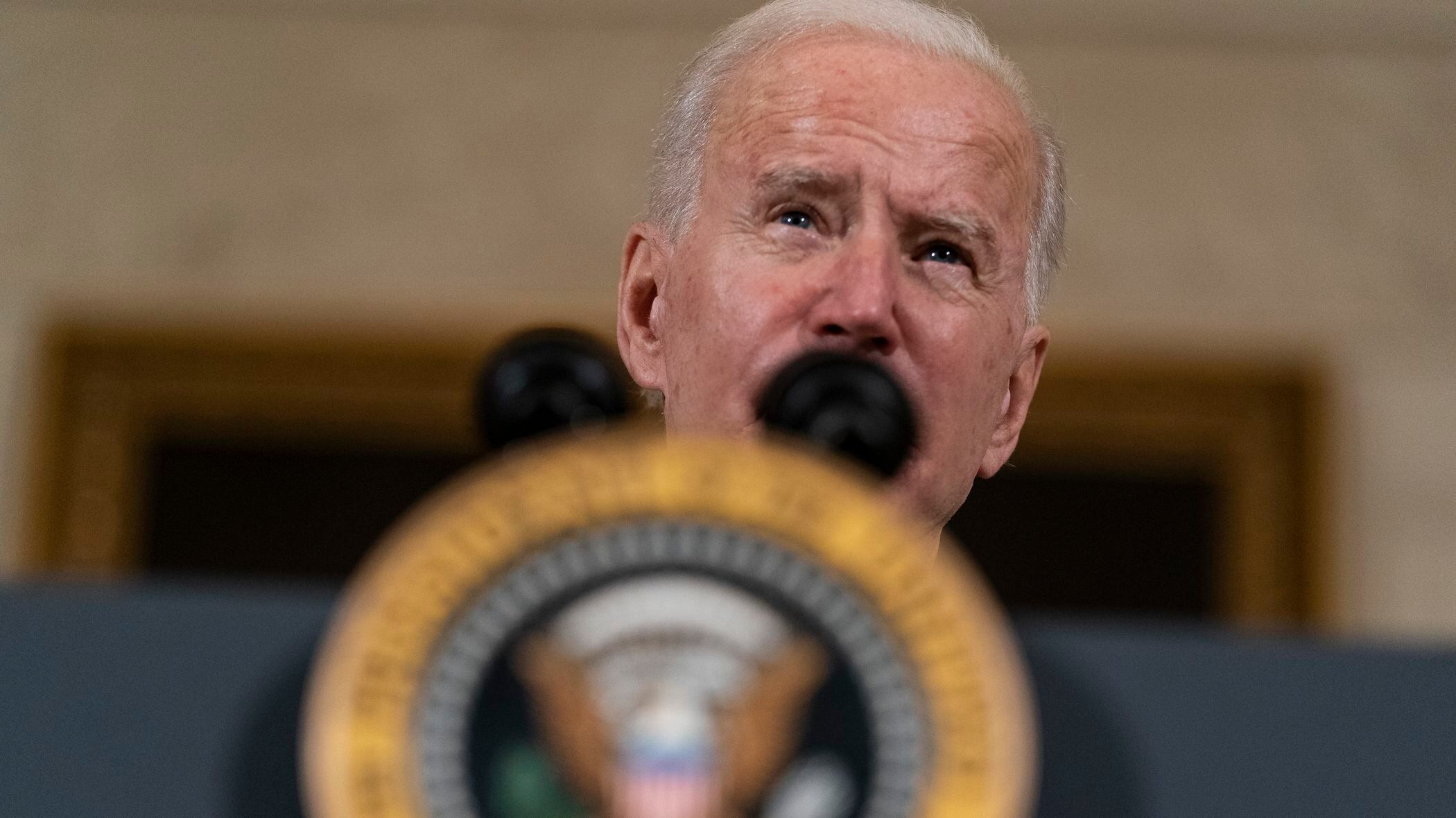
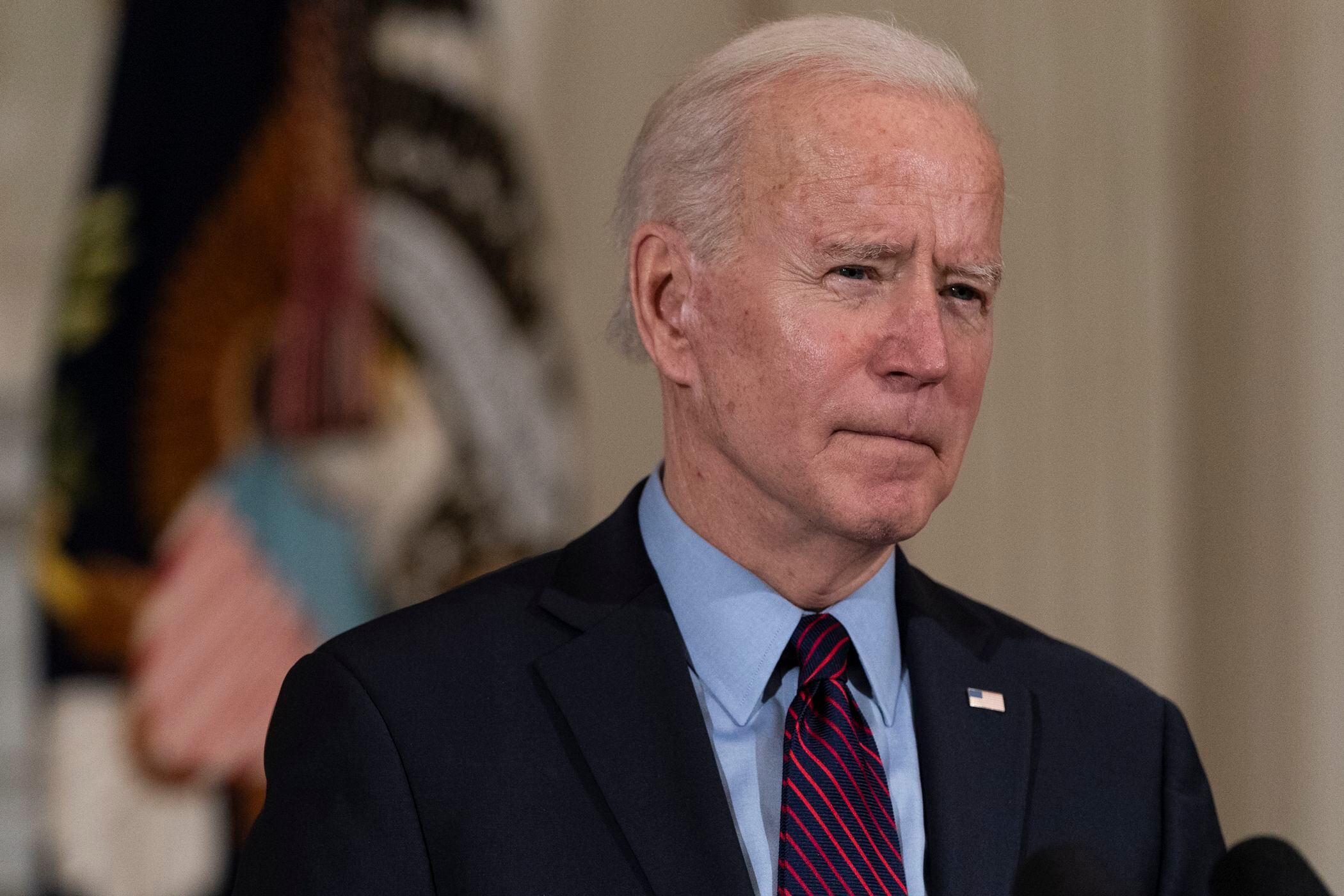
President Joe Biden is meeting with the House Democratic committee chairs who aim to put his $1.9 trillion coronavirus relief package on a fast track to becoming law.
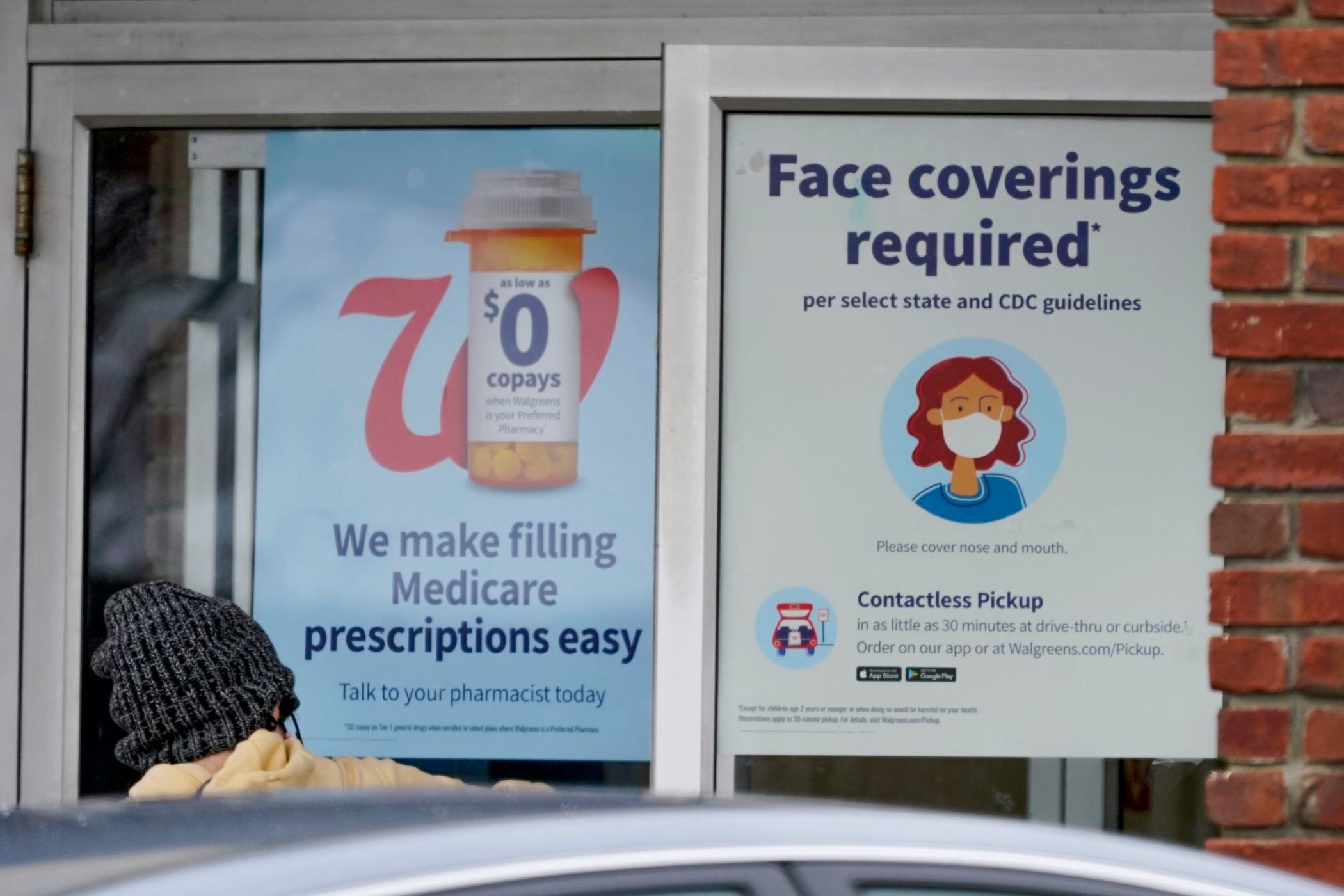
Nate Boutte, pharmacy manager for Walgreens, talked about the readiness of the pharmacy chain in getting COVID vaccines out in the White House's new distribution plan.
From Wall Street to Silicon Valley, these are the top stories that moved markets and had investors, business leaders, and entrepreneurs talking this week on Cheddar.
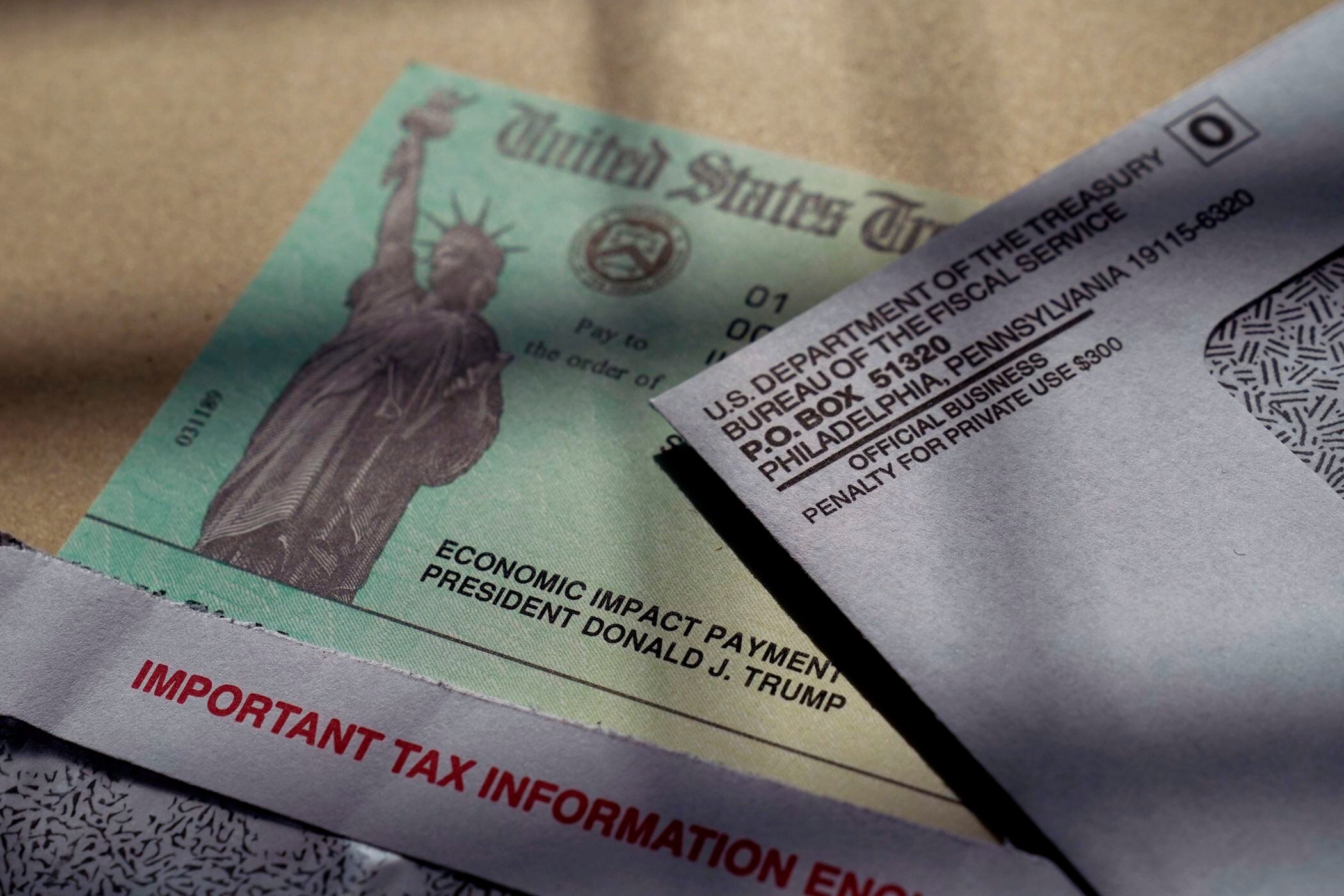
The IRS is offering eligible taxpayers who did not receive their full federal stimulus checks a chance to claim a Recovery Rebate Credit on their 2020 tax return.
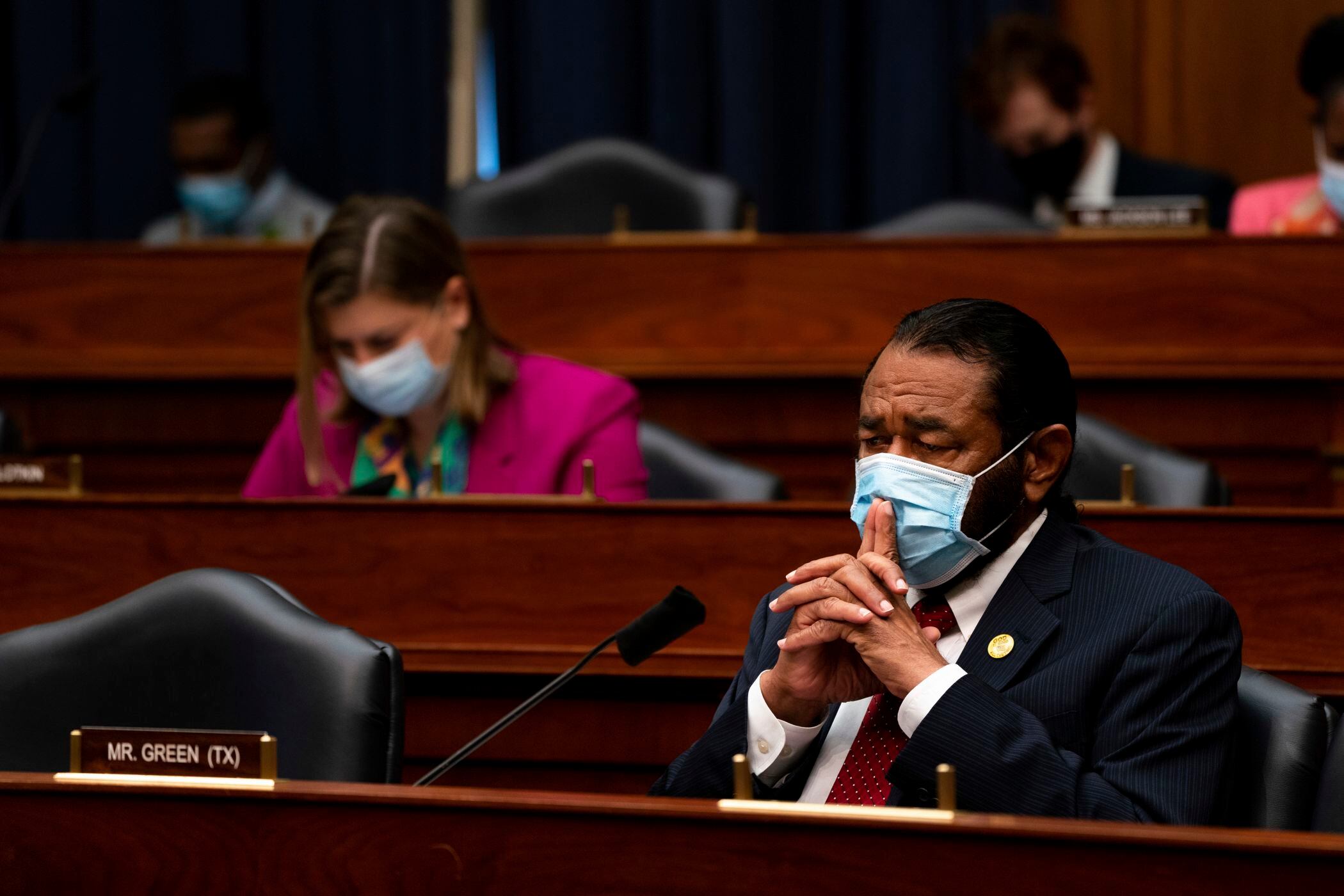
Rep. Al Green (D-Texas 9th District), spoke with Cheddar about the possibility of raising the federal minimum wage as part of the current COVID relief package.
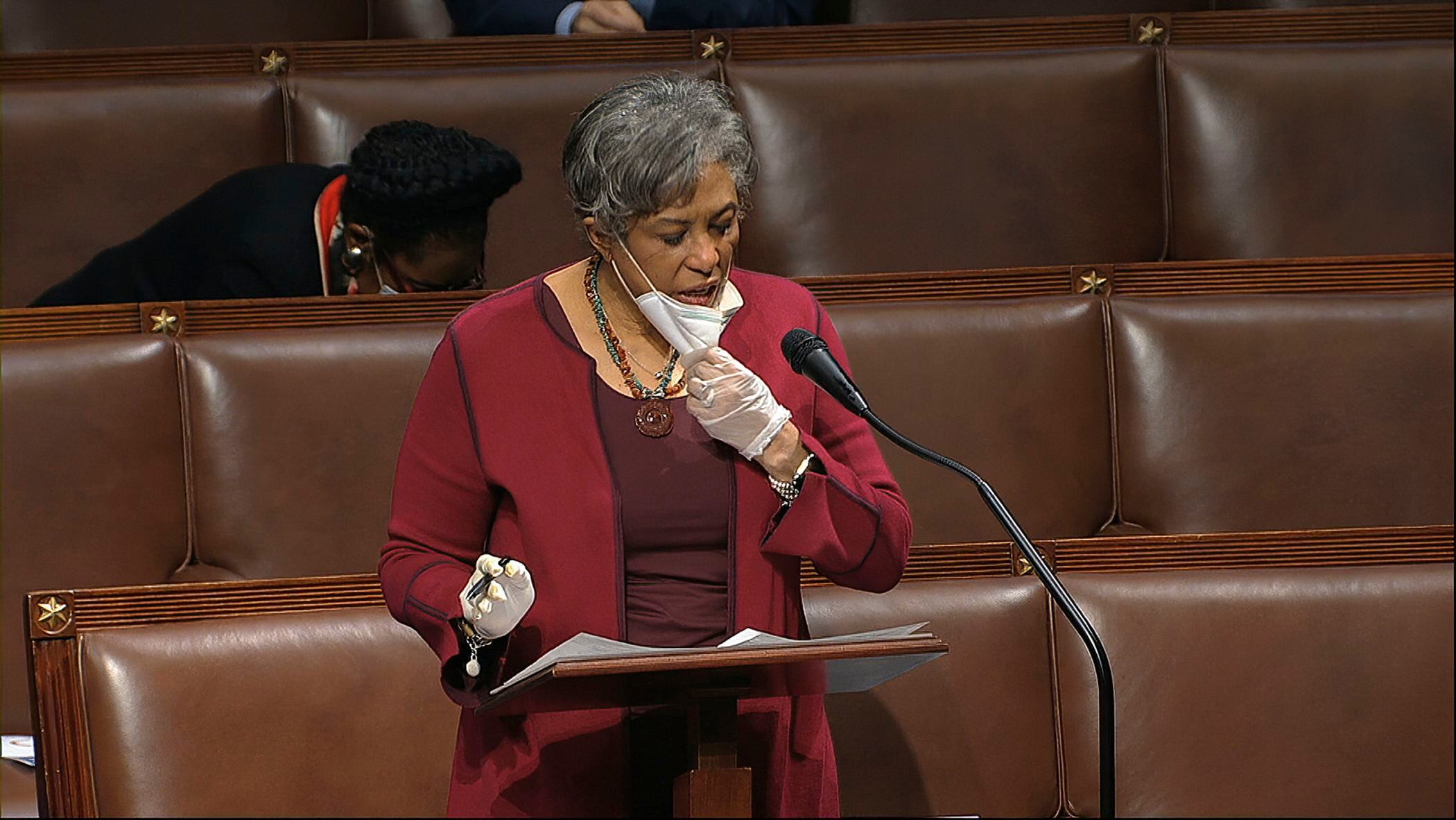
Rep. Brenda Lawrence (D-Mich. 14th. District) said that Trump must be held accountable for his possible role in egging on supporters to invade the Capitol Building on January 6.
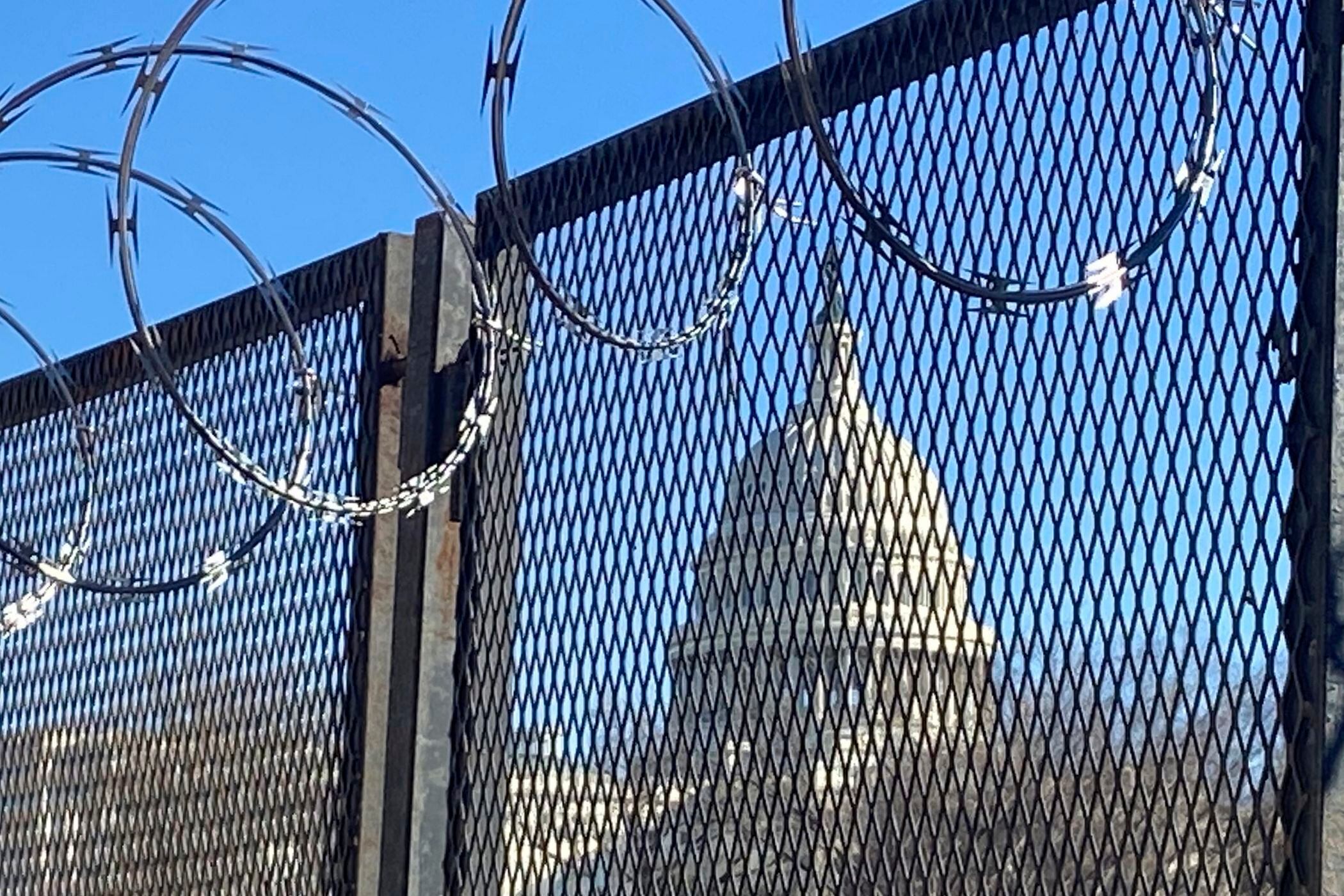
Rep. Sara Jacobs (D-Calif. 53rd District) spoke to Cheddar about how those accused of provoking the January 6 attack on Capitol Hill, such as Rep. Greene and former President Trump, need to be held accountable.
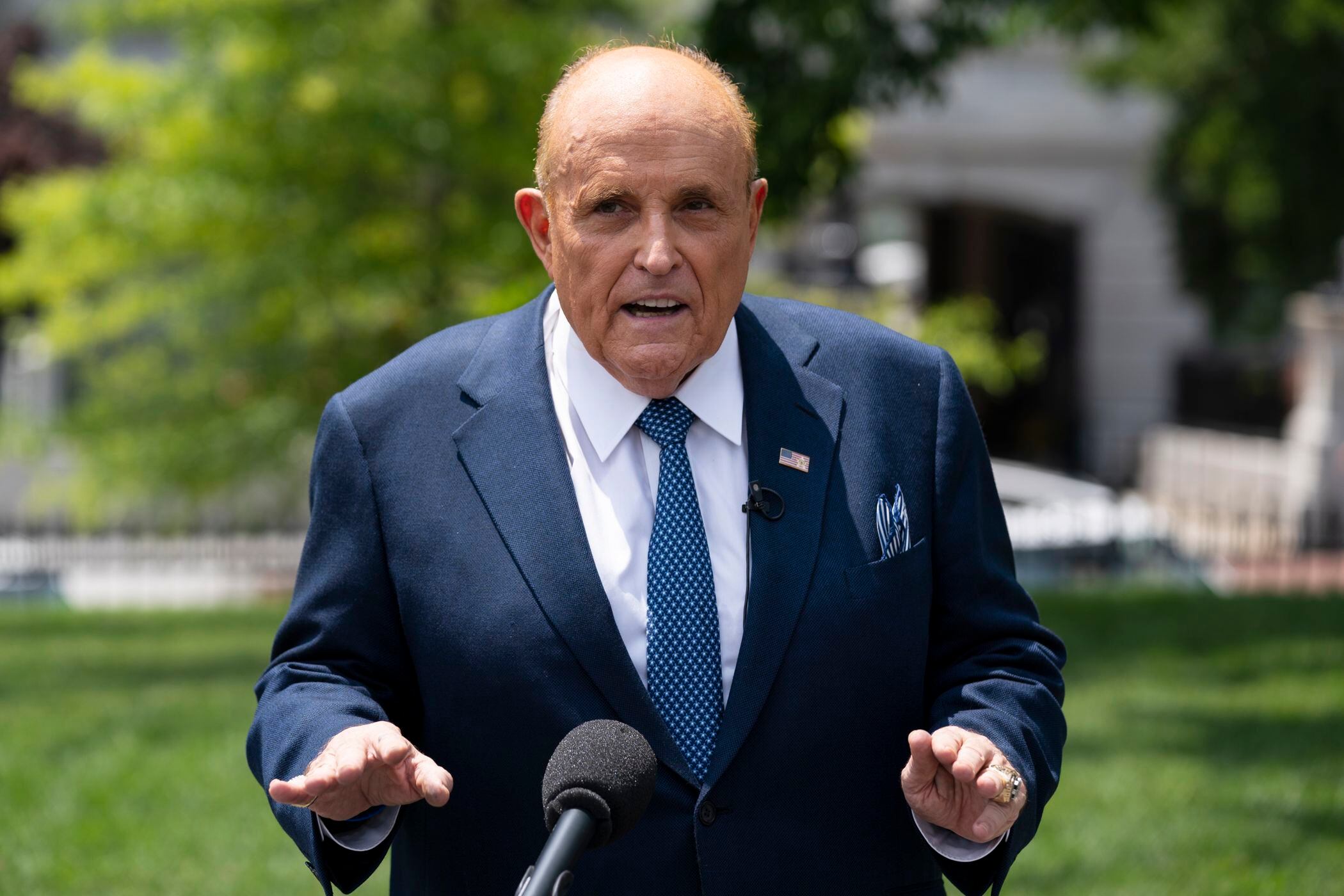
Smartmatic is suing Fox News, three of its top hosts, Rudy Giuliani and Sidney Powell for $2.7 billion, charging that the defendants conspired to spread false claims it helped steal the presidential election from Trump.
The number of Americans seeking unemployment benefits fell to 779,000 last week, a historically high total that shows that a sizable number of people are still losing jobs to the viral pandemic.