The Trump administration last week rescinded a Obama-era rule that asked HUD recipients to measure and consider fixes to racial segregation in their communities.
President Donald Trump then followed up the decision with a tweet that critics say was an explicit appeal to white, suburban voters.
"His tweet was aimed at a strategy of appealing to racial resentment and really people's worst ideas about how our communities should be structured," David Sanchez, director of research and development for the National Community Stabilization Trust, told Cheddar. "Attitudes like that are a big reason why we have such severe segregation by race, class, and opportunity in this country, and unfortunately the president is trying to use those fears to benefit himself politically."
The loss of the rule itself has gotten less attention, in part due to its low profile as more of a regulatory tweak than an aggressive federal policy.
The Affirmatively Furthering Fair Housing Rule that Trump's HUD eliminated asked municipalities and housing authorities to account for racial bias in their communities by writing a report and issuing recommendations, but it did not force municipalities to address segregation directly.
"It was about gathering data," Sanchez said. "It was about getting people talking about segregation. But it wasn't about forcing communities to do anything."
In the long-term, though, he added that cutting the rule will only contribute to the ongoing economic divide between the suburbs and cities.
"It's going to continue to concentrate economic resources, social privilege in certain people who can afford to live in high-opportunity communities," Sanchez said. "In the same way the COVID crisis has supercharged inequality in this country, this is just another step in that direction."
From Wall Street to Silicon Valley, these are the top stories that moved markets and had investors, business leaders, and entrepreneurs talking this week on Cheddar.
It’s been Immigration Week on Capitol Hill but now it’s time to move on. So what will drive headlines in the week ahead? Here’s a look at the Washington Week Ahead.
The Secure and Fair Enforcement (SAFE) Banking Act is expected to pass the Democrat-controlled House, where it passed before in 2019 and 2020, but could face a tougher battle in the split Senate.
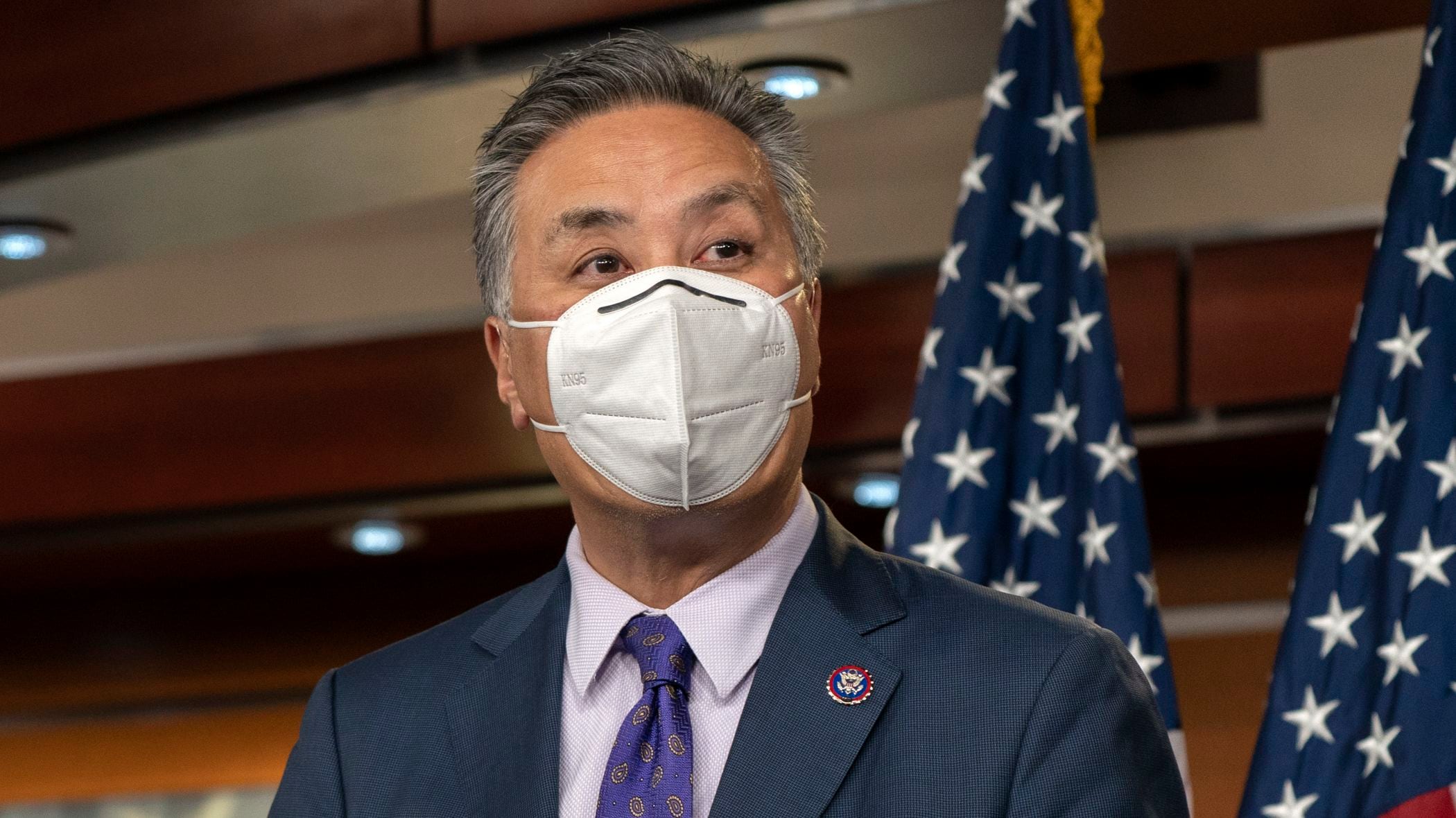
Rep. Mark Takano (D- Calif. 41st District) discusses the need to pass the COVID-19 Hate Crimes Act especially in the wake of the shooting deaths of eight people in Atlanta area spas, six of them being women of Asian descent.
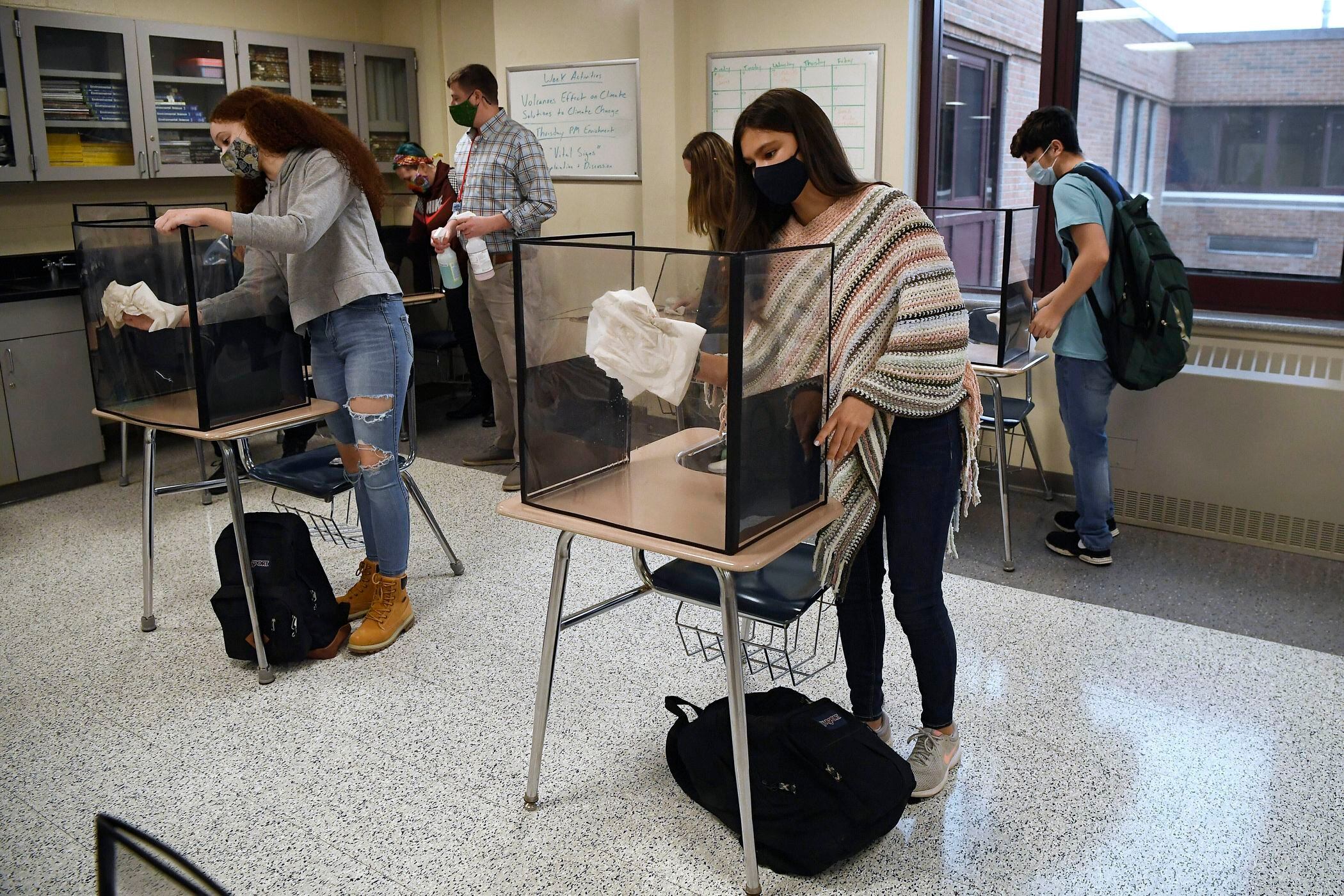
U.S. health officials are relaxing social distancing recommendations for schools, now saying students can sit as close as 3 feet to each other in classrooms.
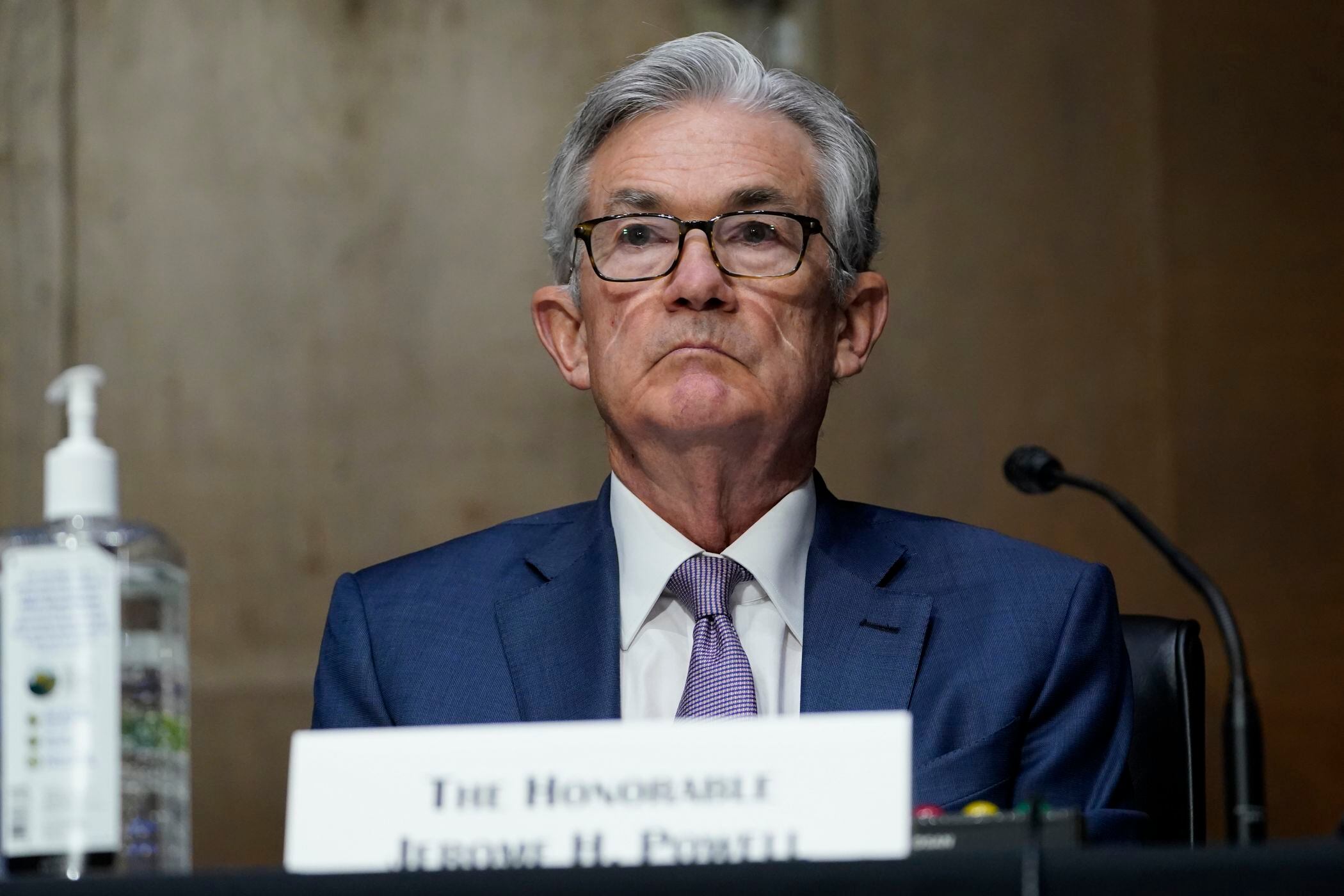
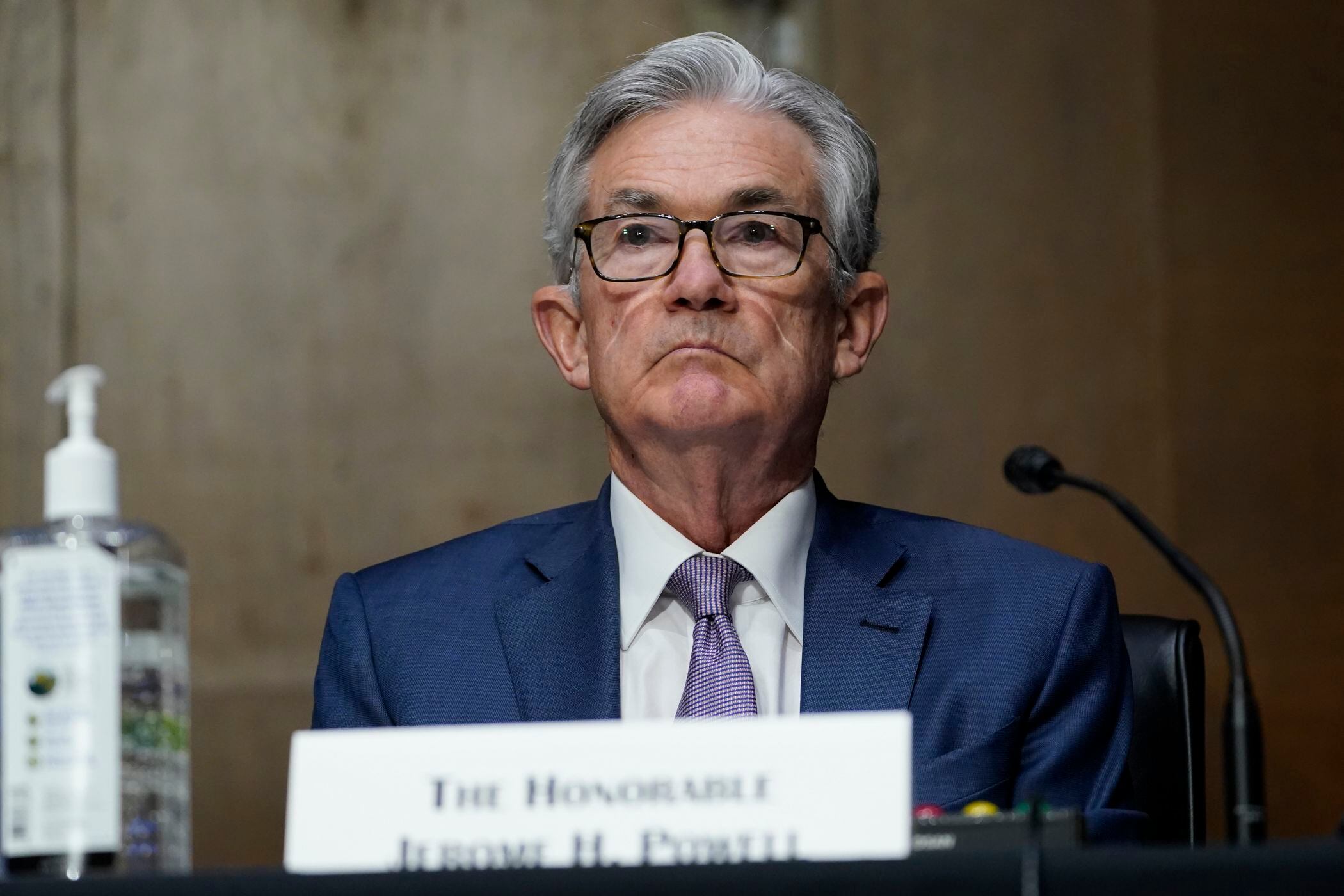
The Federal Reserve says it will restore capital requirements for large banks that were relaxed as part of the Fed’s efforts to shore up the financial system during the early days of the pandemic.
Rep. Marilyn Strickland (D-Wash. 10th District), one of four Korean Americans to be elected to Congress, talked about the need for urgency and accountability following the killing of eight people, including six Asian women.
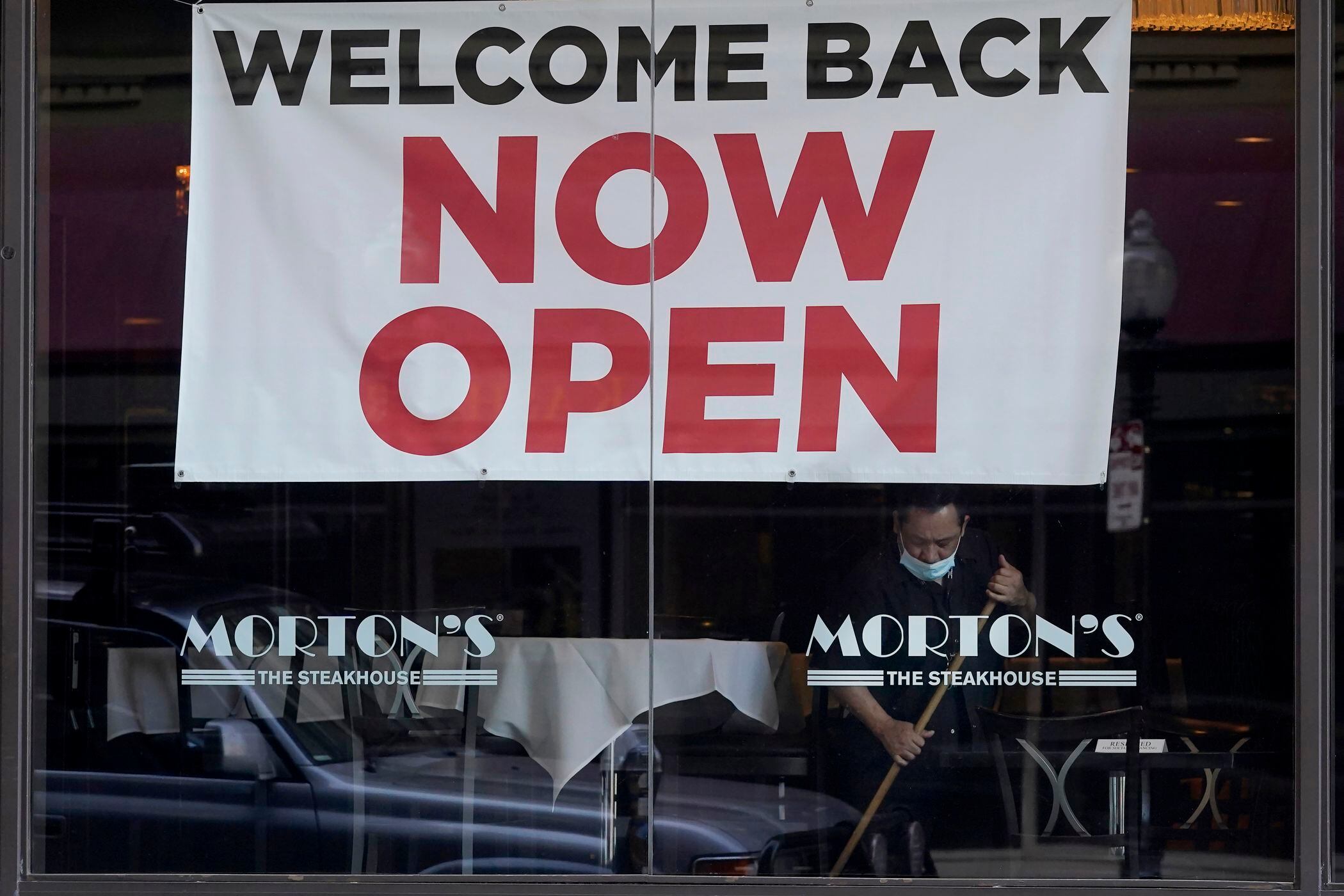
The number of Americans seeking unemployment benefits rose last week to 770,000, a sign that layoffs remain high even as much of the U.S. economy is steadily recovering from the coronavirus recession.
Federal Reserve Chairman Jerome Powell once again doubled down on the easy money policies that have defined the central bank's response to the pandemic-fueled economic downturn.
Stop AAPI Hate co-founder Cynthia Choi joined Cheddar to discuss anti-Asian hate crime reporting and what Americans can do to combat incidents of racial discrimination against Asian and Pacific Islander Americans.