The Trump administration last week rescinded a Obama-era rule that asked HUD recipients to measure and consider fixes to racial segregation in their communities.
President Donald Trump then followed up the decision with a tweet that critics say was an explicit appeal to white, suburban voters.
"His tweet was aimed at a strategy of appealing to racial resentment and really people's worst ideas about how our communities should be structured," David Sanchez, director of research and development for the National Community Stabilization Trust, told Cheddar. "Attitudes like that are a big reason why we have such severe segregation by race, class, and opportunity in this country, and unfortunately the president is trying to use those fears to benefit himself politically."
The loss of the rule itself has gotten less attention, in part due to its low profile as more of a regulatory tweak than an aggressive federal policy.
The Affirmatively Furthering Fair Housing Rule that Trump's HUD eliminated asked municipalities and housing authorities to account for racial bias in their communities by writing a report and issuing recommendations, but it did not force municipalities to address segregation directly.
"It was about gathering data," Sanchez said. "It was about getting people talking about segregation. But it wasn't about forcing communities to do anything."
In the long-term, though, he added that cutting the rule will only contribute to the ongoing economic divide between the suburbs and cities.
"It's going to continue to concentrate economic resources, social privilege in certain people who can afford to live in high-opportunity communities," Sanchez said. "In the same way the COVID crisis has supercharged inequality in this country, this is just another step in that direction."
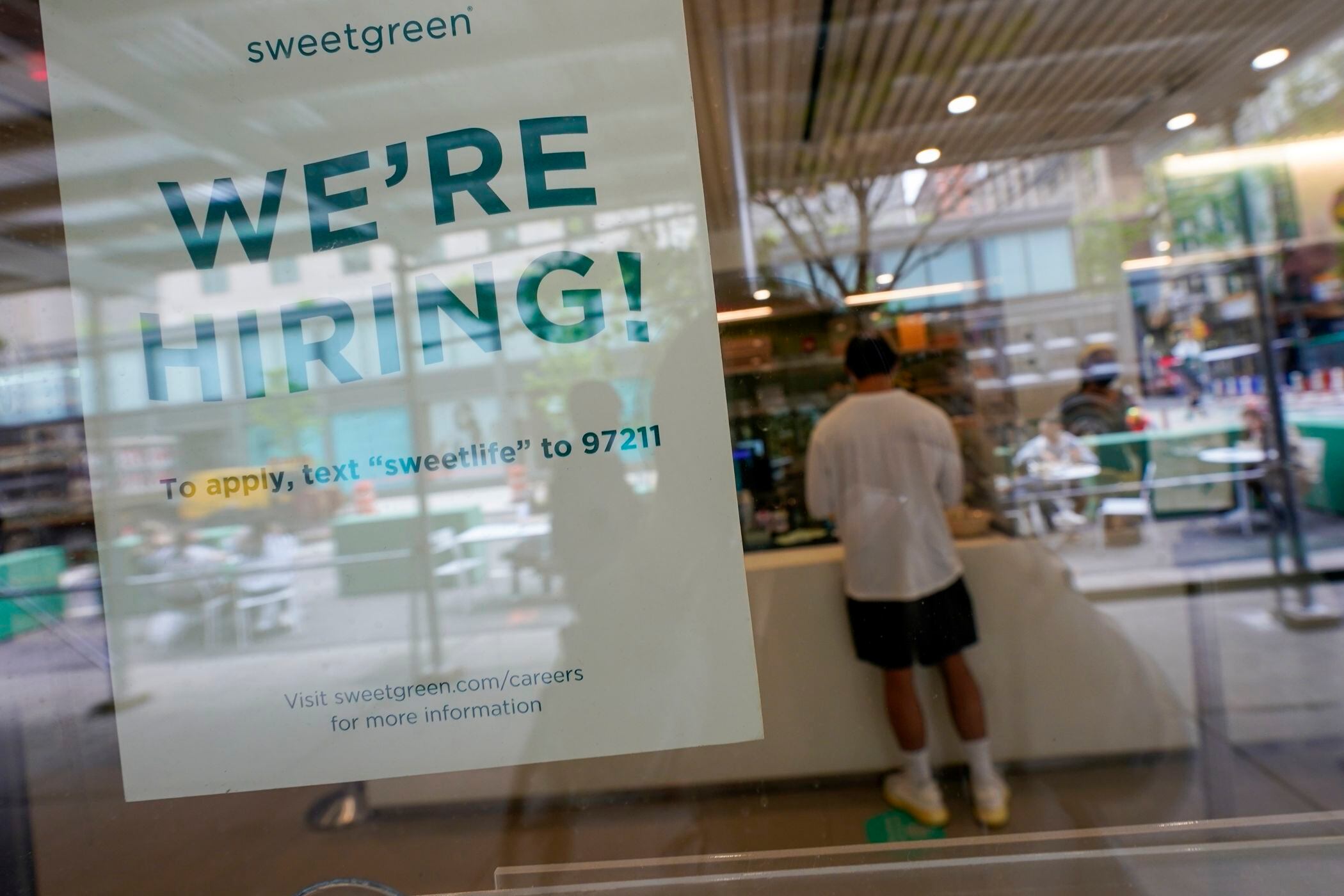
The recovery of America’s job market hit a pause last month as many businesses — from restaurants and hotels to factories and construction companies — struggled to find enough workers to catch up with a rapidly strengthening economic rebound.
Amusement park regulation varies from state to state, but no American amusement park receives federal oversight. In fact, the largest parks are free to regulate themselves.
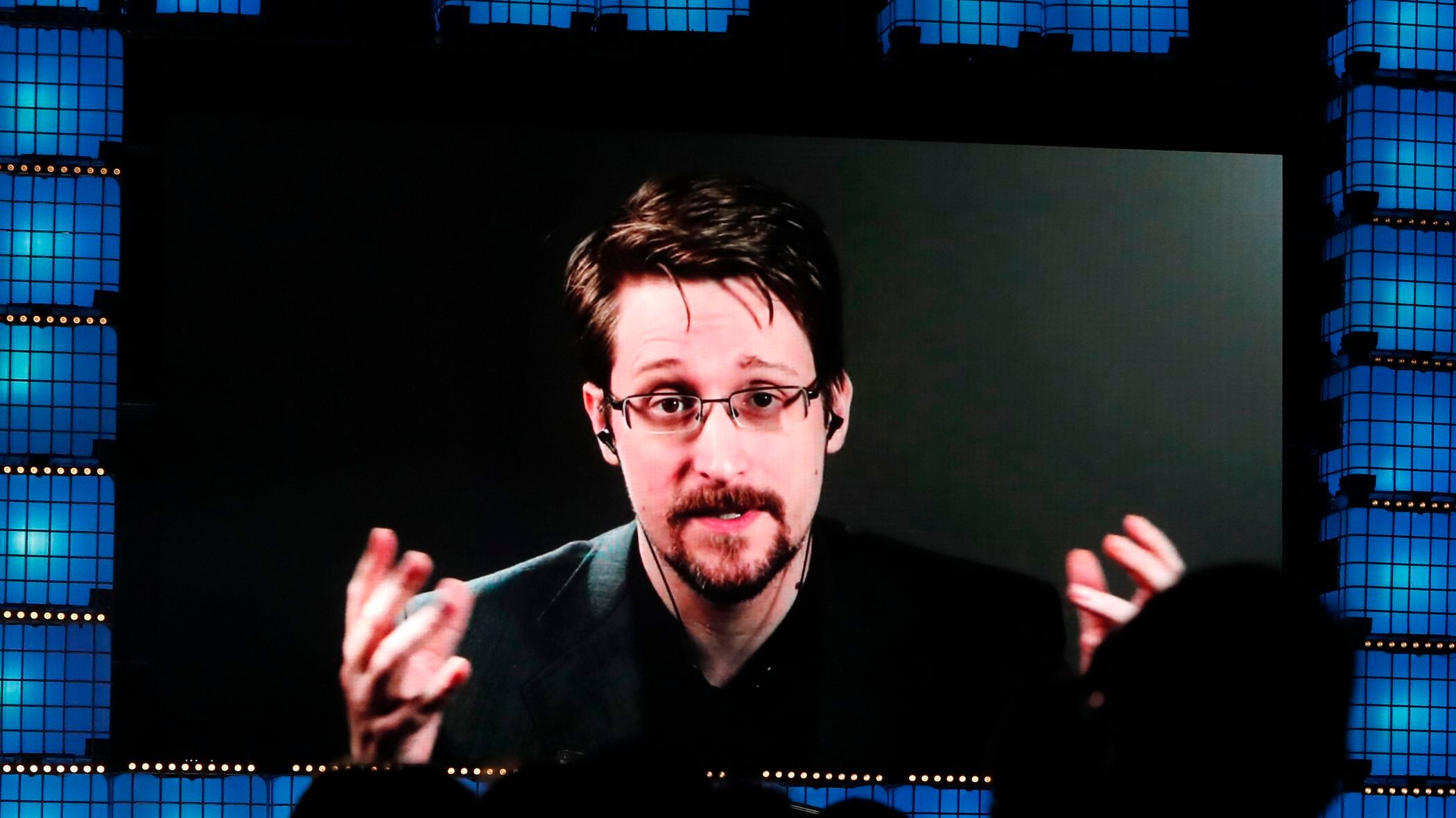
Edward Snowden, a former U.S. National Security Agency and CIA contractor-turned whistleblower, on Thursday criticized what he called bitcoin's lack of privacy protections.
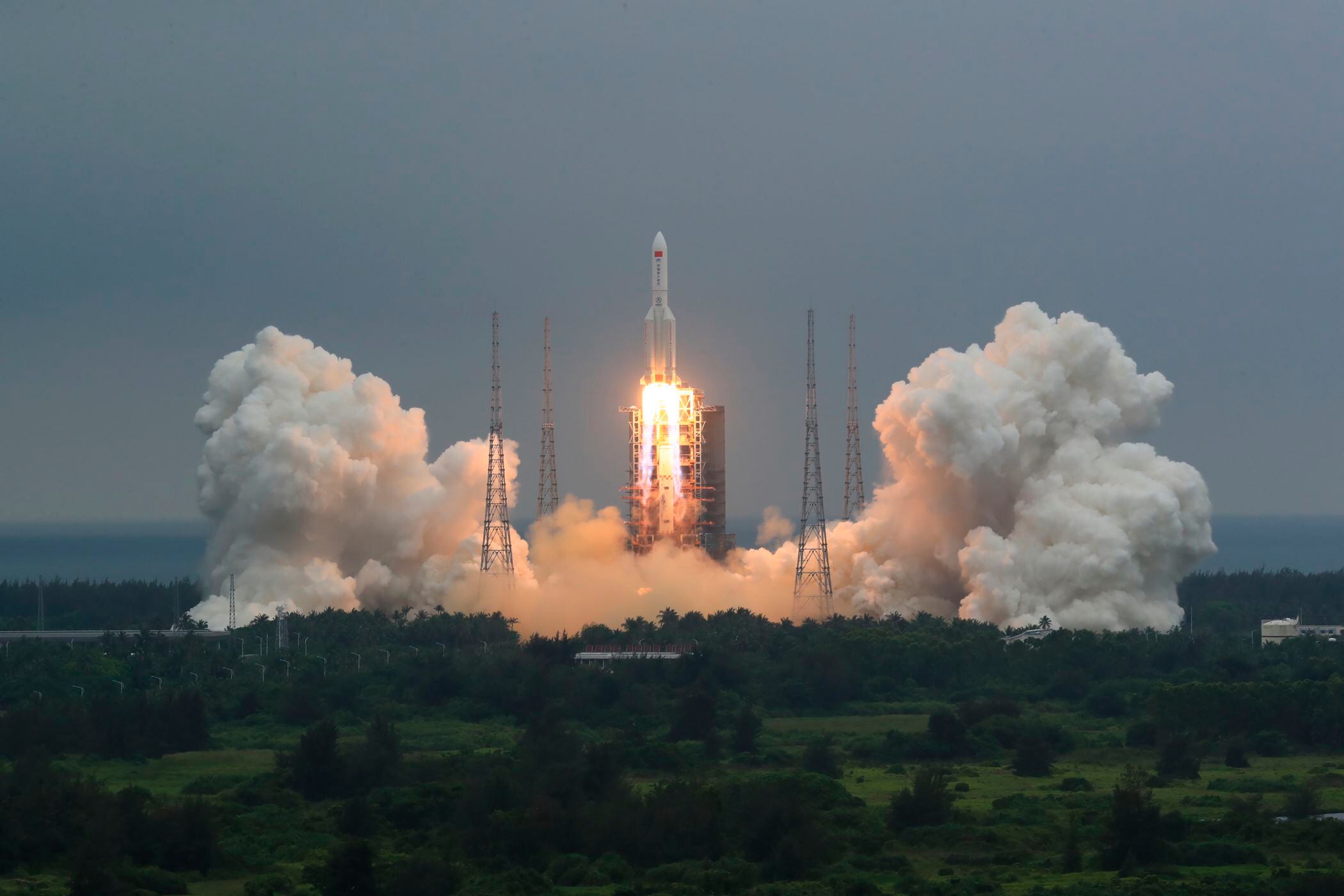
The largest section of the rocket that launched the main module of China’s first permanent space station into orbit is expected to plunge back to Earth as early as Saturday at an unknown location.
The number of Americans seeking unemployment aid fell last week to 498,000, the lowest point since the viral pandemic struck 14 months ago
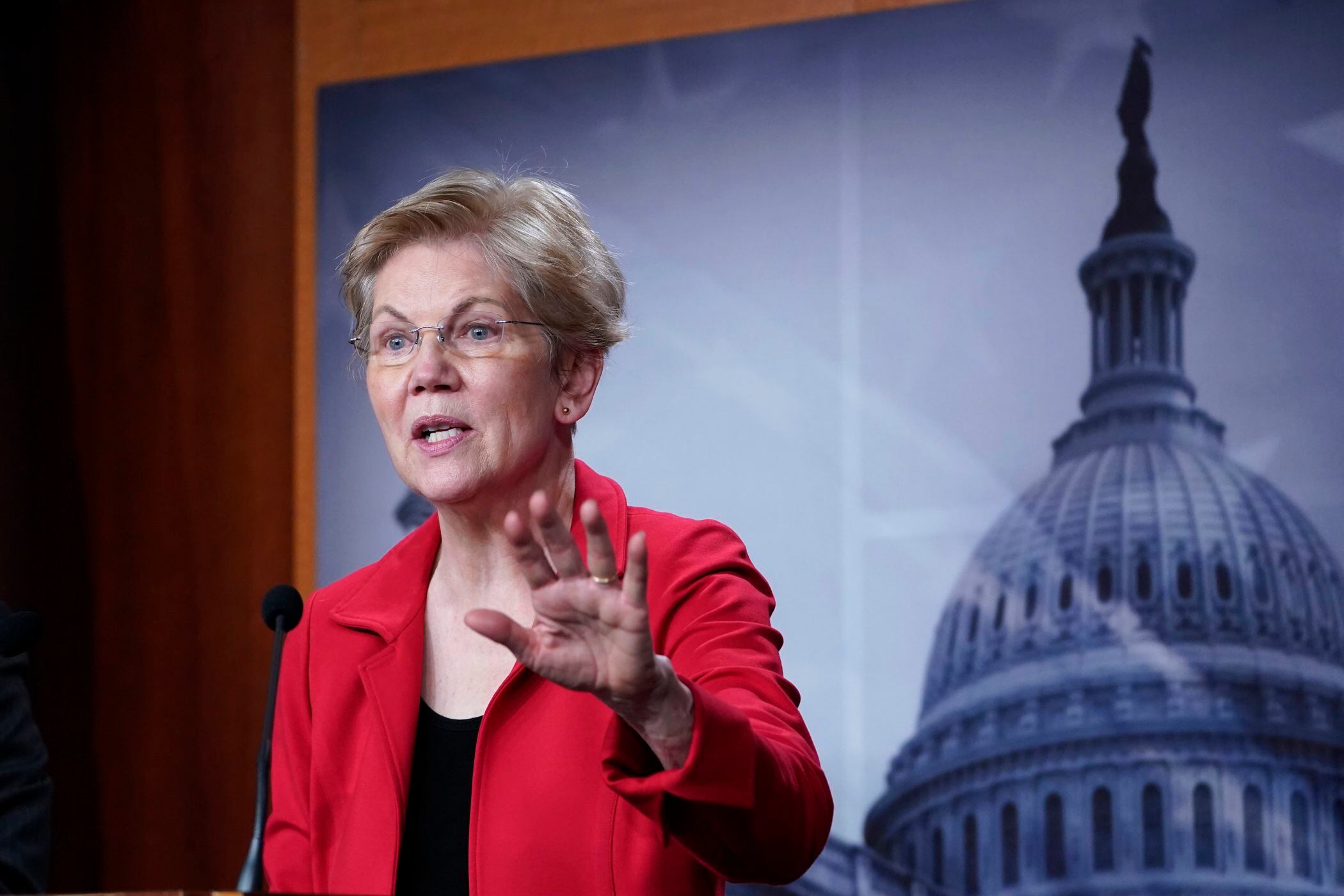
Sen. Elizabeth Warren (D-Mass.), who stopped by Cheddar to discuss her new memoir "Persist," touched on topics ranging from Facebook's ban of former President Trump to dismissing worries over inflation.
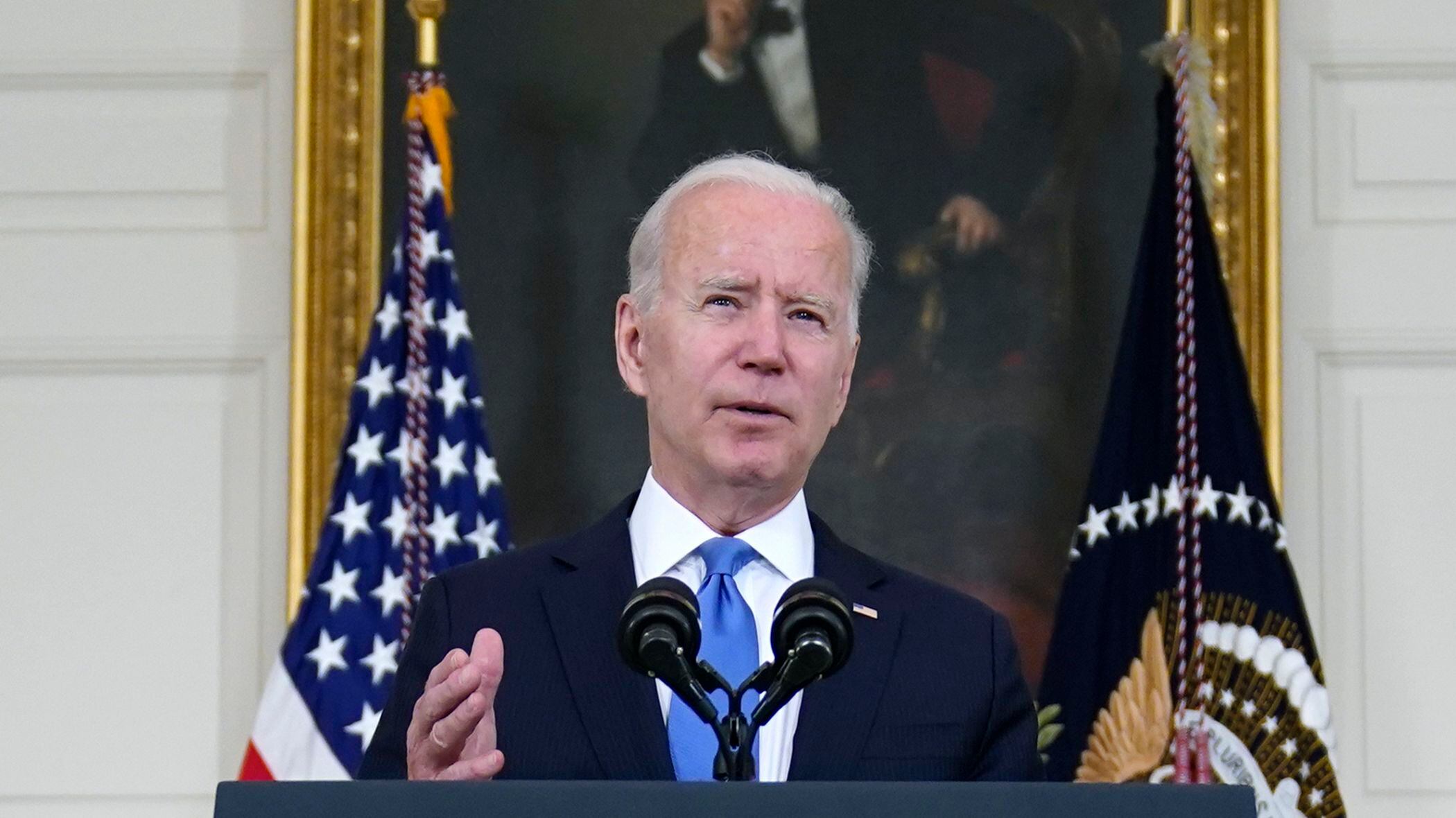
President Joe Biden has made a Cinco de Mayo taco and enchilada run to highlight his administration’s $28.6 billion program to help eateries that lost business because of the coronavirus pandemic.
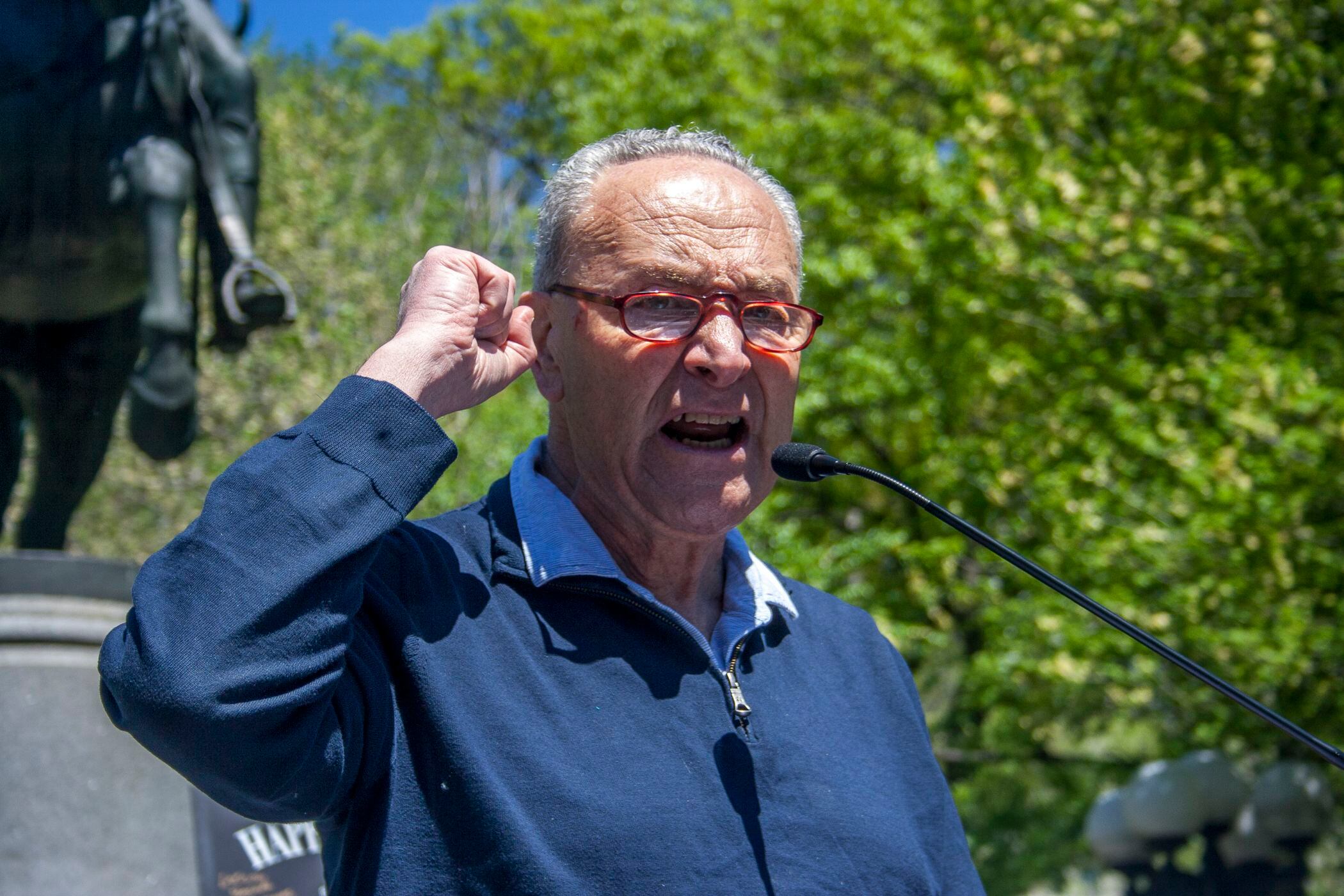
Sen. Chuck Schumer (D-N.Y.) joined the NYC Cannabis Parade, the first since the Empire State legalized marijuana. The senator promised to continue to fight for "fair, just, and full legalization" on a federal level.
Former President Donald Trump won’t return to Facebook. The social network’s quasi-independent Oversight Board has voted to permanently ban his account after it was suspended four months ago for inciting violence that led to the deadly Jan. 6 Capitol riot.
President Joe Biden has set a new vaccination goal to deliver at least one dose to 70% of American adults by July Fourth.