The Trump administration last week rescinded a Obama-era rule that asked HUD recipients to measure and consider fixes to racial segregation in their communities.
President Donald Trump then followed up the decision with a tweet that critics say was an explicit appeal to white, suburban voters.
"His tweet was aimed at a strategy of appealing to racial resentment and really people's worst ideas about how our communities should be structured," David Sanchez, director of research and development for the National Community Stabilization Trust, told Cheddar. "Attitudes like that are a big reason why we have such severe segregation by race, class, and opportunity in this country, and unfortunately the president is trying to use those fears to benefit himself politically."
The loss of the rule itself has gotten less attention, in part due to its low profile as more of a regulatory tweak than an aggressive federal policy.
The Affirmatively Furthering Fair Housing Rule that Trump's HUD eliminated asked municipalities and housing authorities to account for racial bias in their communities by writing a report and issuing recommendations, but it did not force municipalities to address segregation directly.
"It was about gathering data," Sanchez said. "It was about getting people talking about segregation. But it wasn't about forcing communities to do anything."
In the long-term, though, he added that cutting the rule will only contribute to the ongoing economic divide between the suburbs and cities.
"It's going to continue to concentrate economic resources, social privilege in certain people who can afford to live in high-opportunity communities," Sanchez said. "In the same way the COVID crisis has supercharged inequality in this country, this is just another step in that direction."
Israel and Hamas have announced a cease-fire to end a bruising 11-day war that caused widespread destruction in the Gaza Strip and brought life in much of Israel to a standstill.
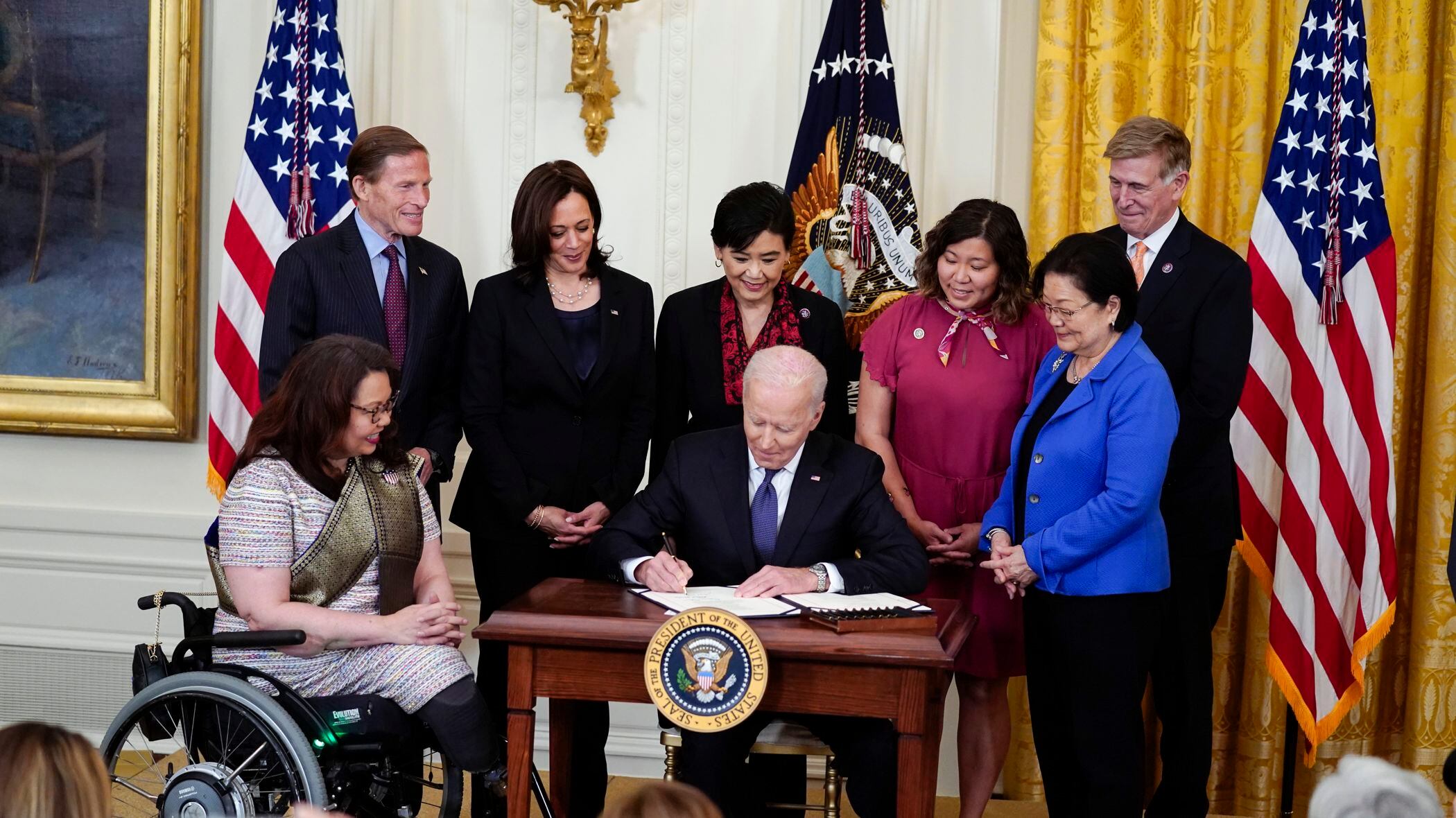
President Joe Biden signed legislation Thursday designed to curtail a dramatic rise in hate crimes against Asian Americans and Pacific Islanders.
Anyone who gets vaccinated at select state-run vaccination sites in New York next week will receive a lottery scratch ticket with prizes potentially worth millions, as the state tries to boost slowing vaccination rates.
Amazon says it will extend its ban on police use of its face-recognition technology beyond the one-year pause it announced last year.
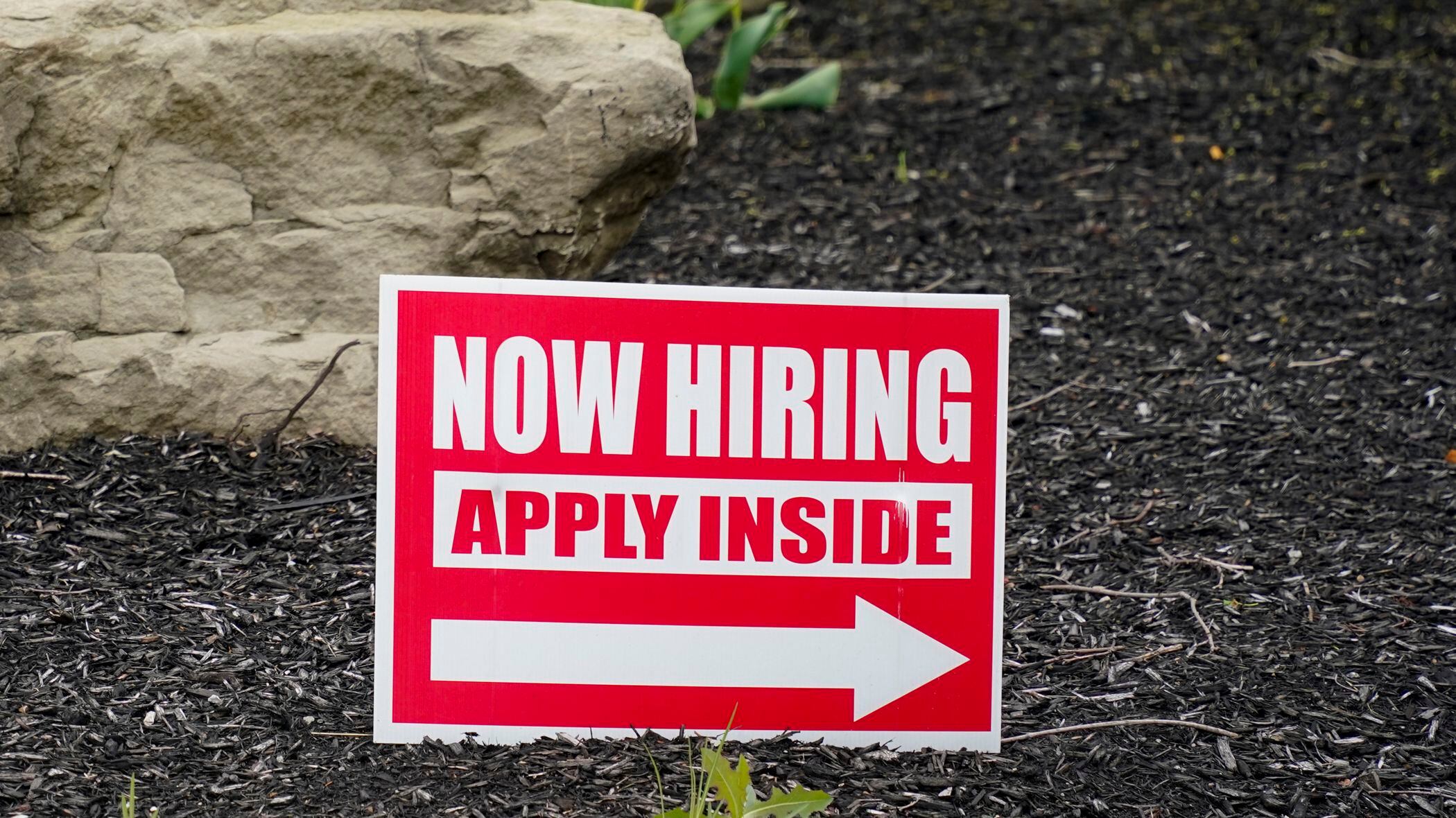
The number of Americans seeking unemployment aid fell last week to 444,000, a new pandemic low and a sign that the job market keeps strengthening as consumers spend freely again, viral infections drop and business restrictions ease.
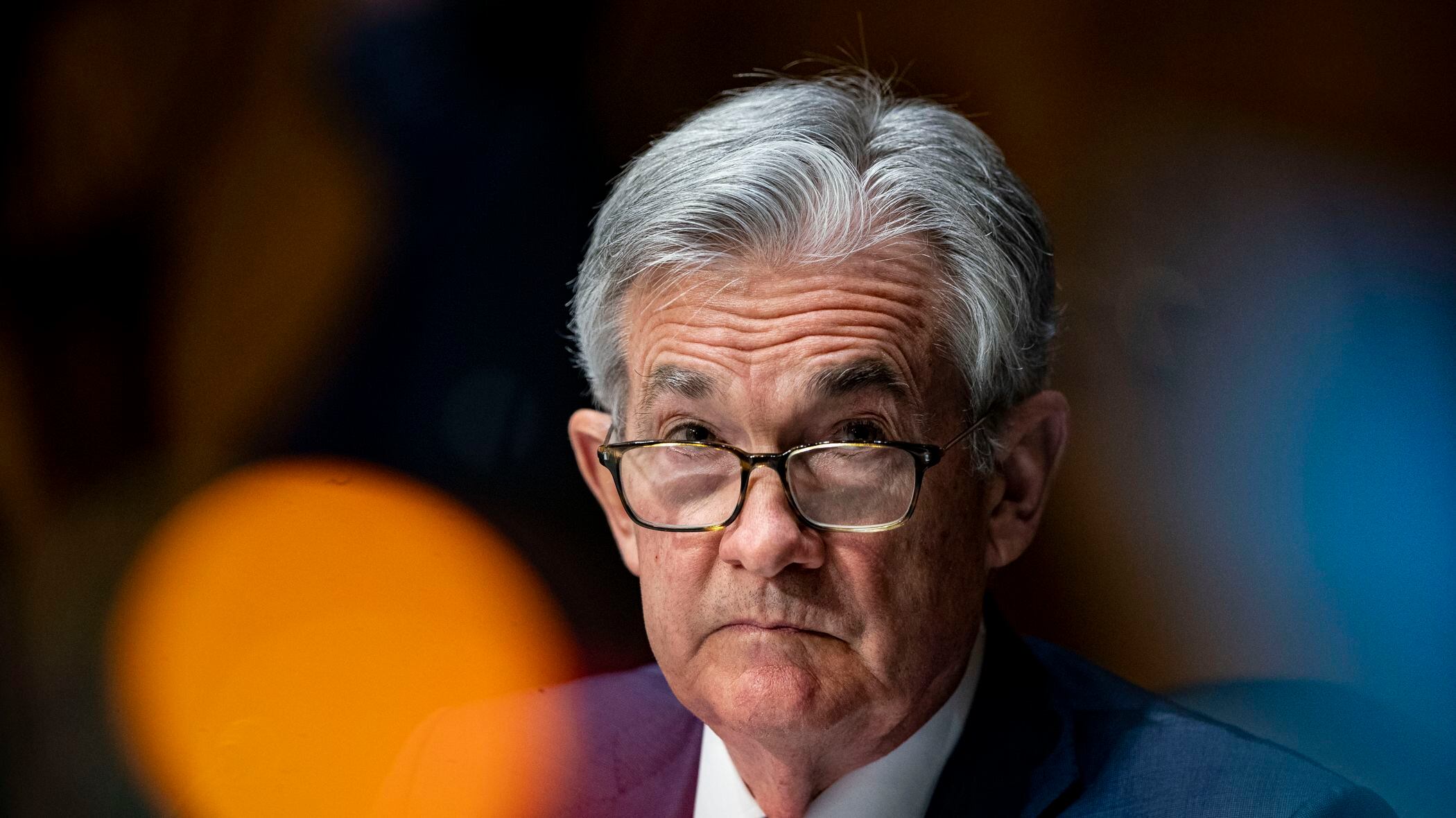
The U.S. economy’s faster-than-expected reawakening had some Federal Reserve officials discussing whether it might be time to start planning for easing back on one of the central bank’s levers for keeping interest rates low.
The European Union has taken a step toward relaxing travel for visitors from outside the bloc, with EU ambassadors agreeing on measures to make it easier for fully vaccinated visitors to get in.
Congress has passed legislation aimed at combating hate crimes against Asian Americans and Pacific Islanders. It would expedite federal reviews of hate crimes and provide grants to local law enforcement.
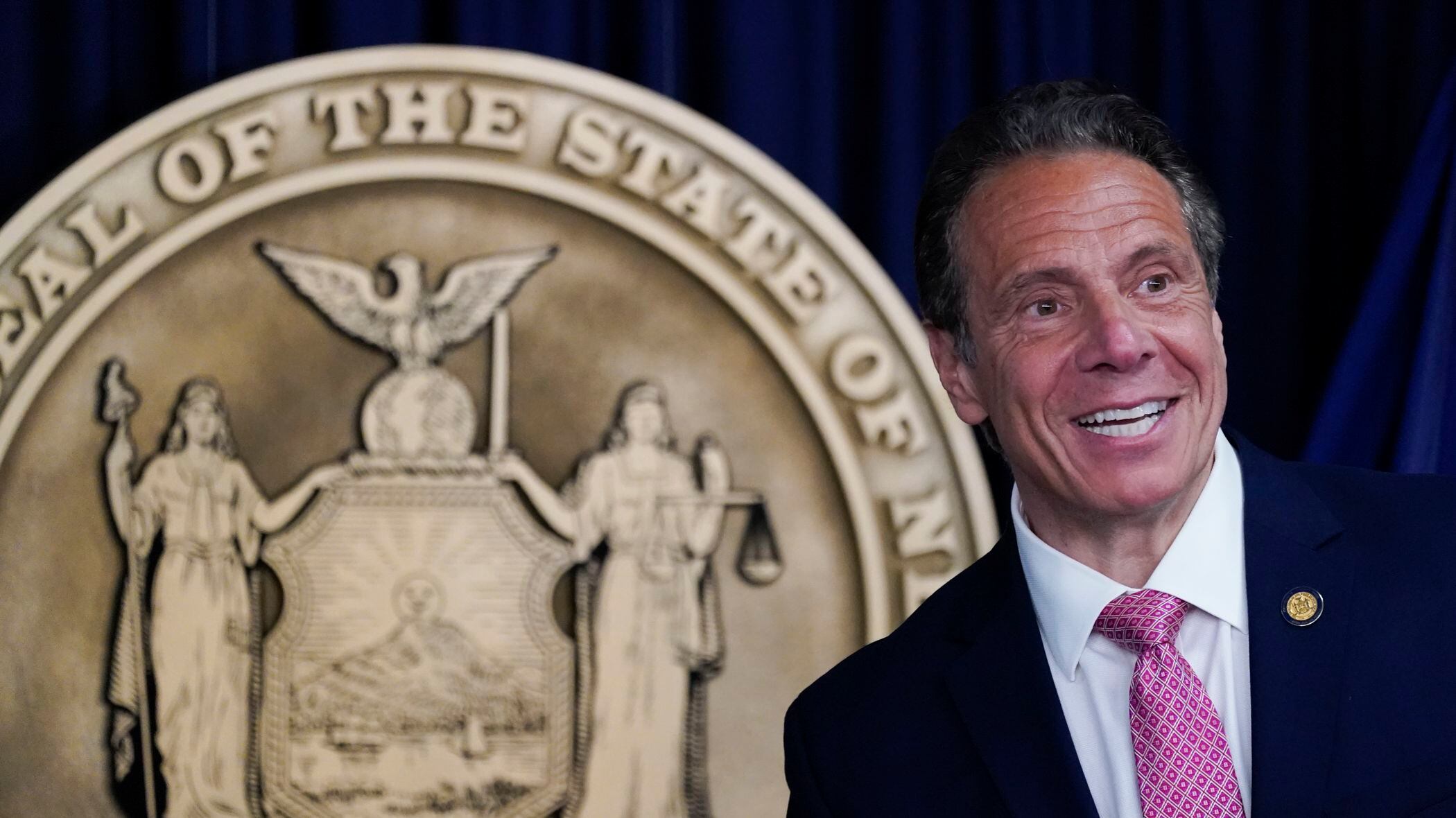
NY Gov. Andrew Cuomo has disclosed that he was paid a $3.1 million advance to write his COVID-19 leadership book last year and will make another $2 million on the memoir over the next two years.
President Joe Biden says the U.S. will share an additional 20 million doses of COVID-19 vaccines with the world in the coming six weeks.