The Trump administration last week rescinded a Obama-era rule that asked HUD recipients to measure and consider fixes to racial segregation in their communities.
President Donald Trump then followed up the decision with a tweet that critics say was an explicit appeal to white, suburban voters.
"His tweet was aimed at a strategy of appealing to racial resentment and really people's worst ideas about how our communities should be structured," David Sanchez, director of research and development for the National Community Stabilization Trust, told Cheddar. "Attitudes like that are a big reason why we have such severe segregation by race, class, and opportunity in this country, and unfortunately the president is trying to use those fears to benefit himself politically."
The loss of the rule itself has gotten less attention, in part due to its low profile as more of a regulatory tweak than an aggressive federal policy.
The Affirmatively Furthering Fair Housing Rule that Trump's HUD eliminated asked municipalities and housing authorities to account for racial bias in their communities by writing a report and issuing recommendations, but it did not force municipalities to address segregation directly.
"It was about gathering data," Sanchez said. "It was about getting people talking about segregation. But it wasn't about forcing communities to do anything."
In the long-term, though, he added that cutting the rule will only contribute to the ongoing economic divide between the suburbs and cities.
"It's going to continue to concentrate economic resources, social privilege in certain people who can afford to live in high-opportunity communities," Sanchez said. "In the same way the COVID crisis has supercharged inequality in this country, this is just another step in that direction."
Australia says it will fight against plans to downgrade the Great Barrier Reef’s World Heritage status due to climate change, while environmentalists are applauding the U.N. World Heritage Committee’s proposal.
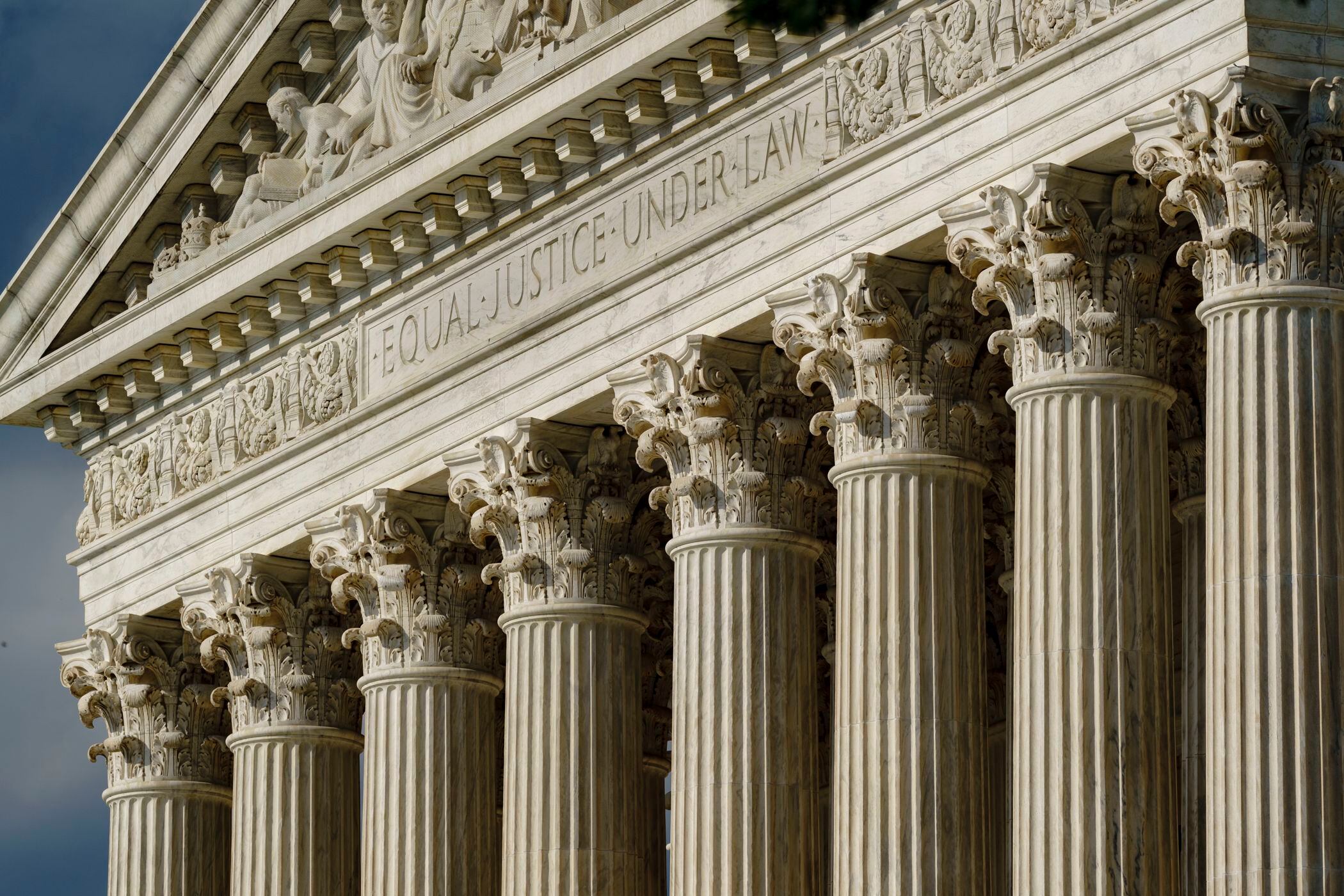
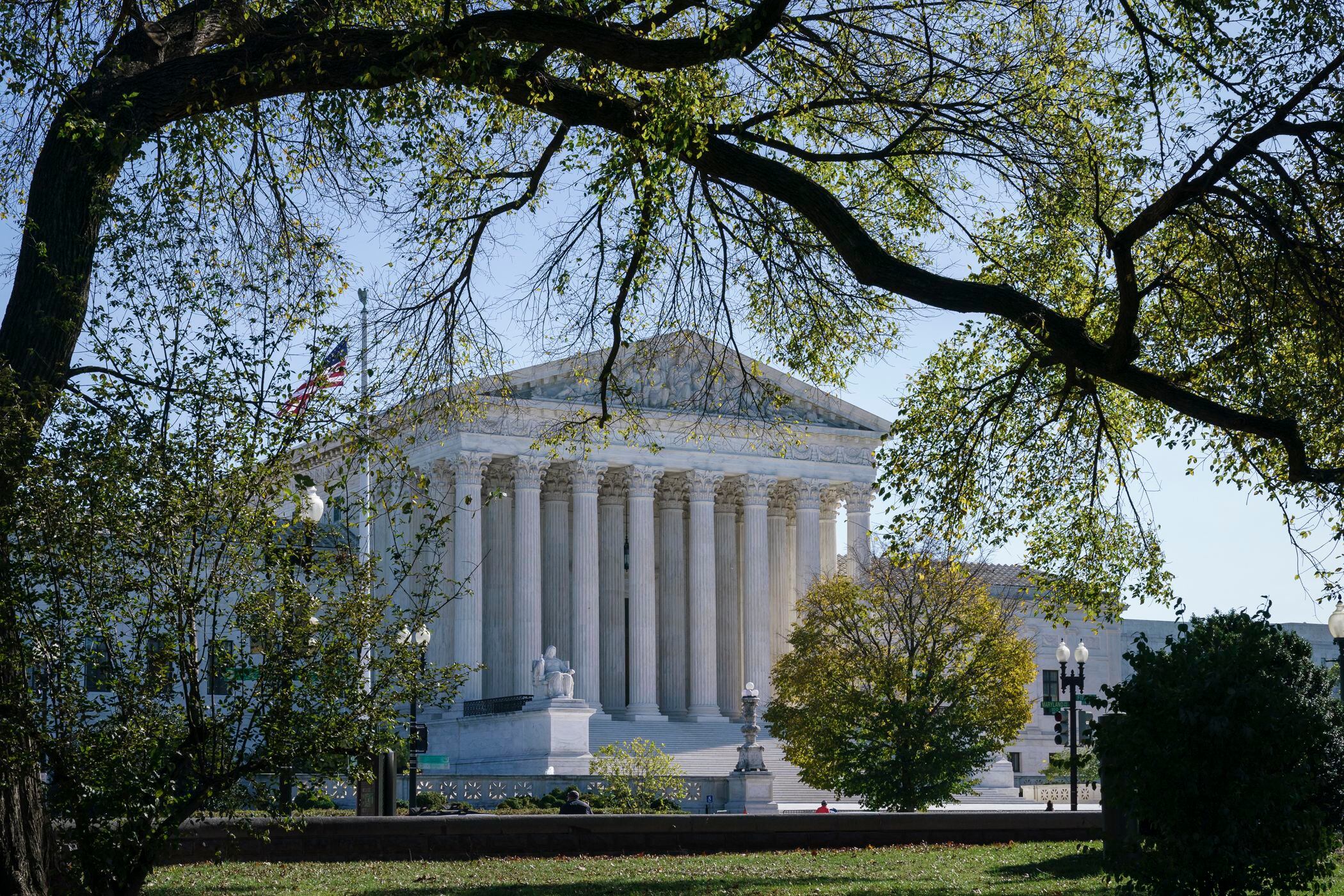
he Supreme Court has decided unanimously that the NCAA cannot enforce rules limiting education-related benefits that colleges offer to student athletes — things like computers and paid internships.
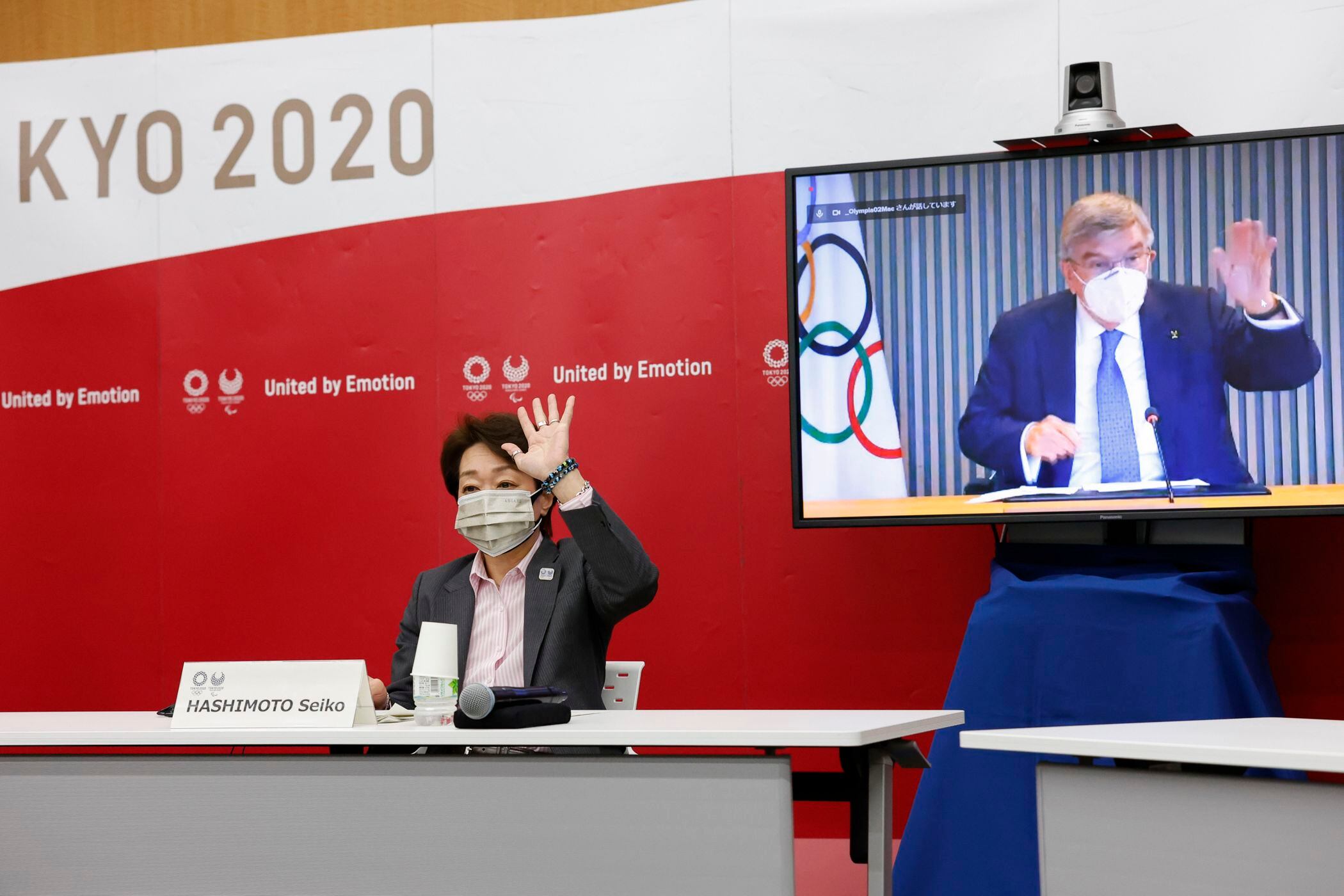
A sharply limited number of fans will be allowed to attend the Tokyo Olympics. The decision announced Monday comes as organizers try to save some of the spirit of the Games where even cheering has been banned.
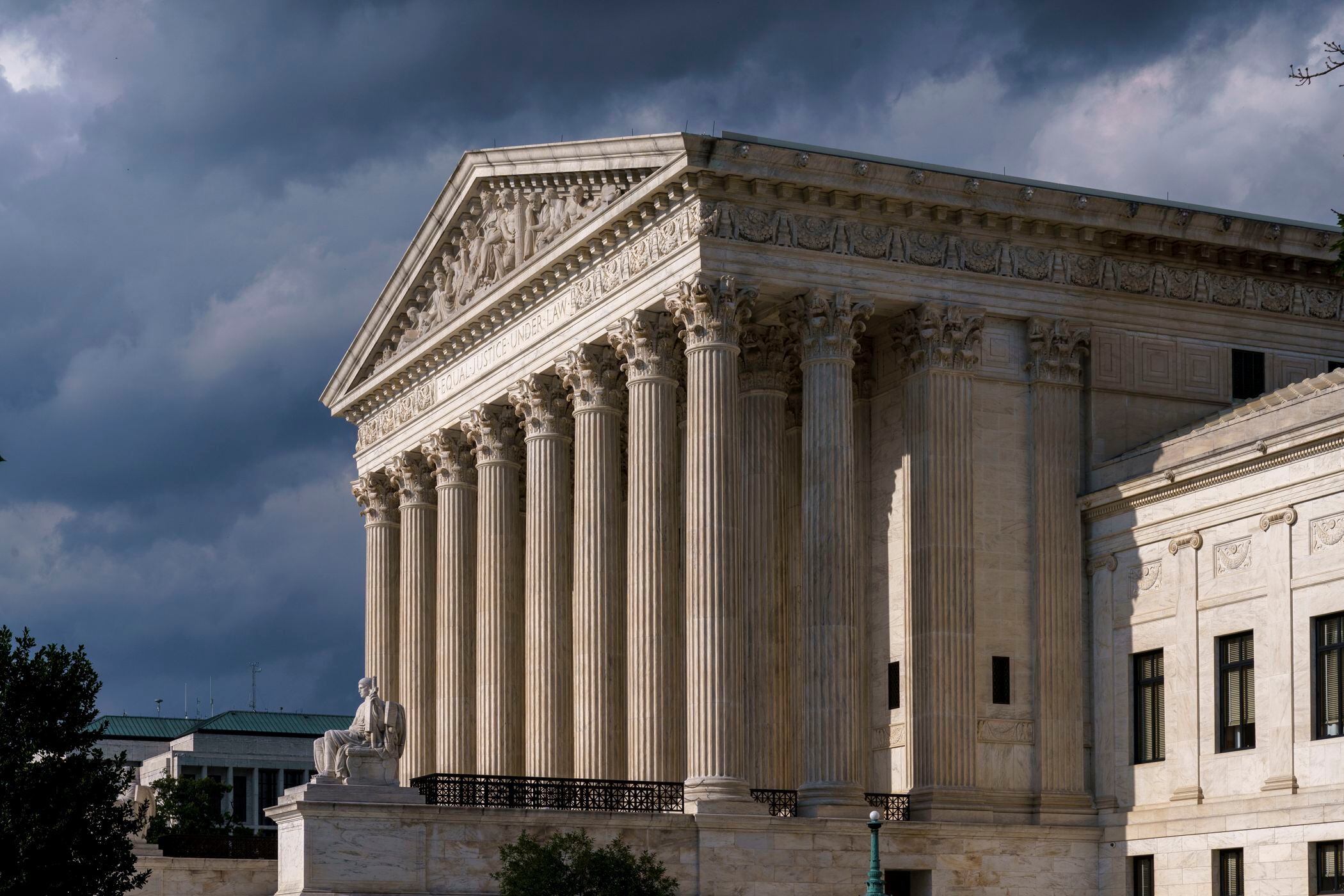
The Supreme Court has dismissed a challenge to the Obama era health care law, preserving insurance coverage for millions of Americans.
The Supreme Court has ruled that the city of Philadelphia violated the Constitution by limiting its relationship with a Catholic foster care agency over that group's refusal to certify same-sex couples as foster parents.
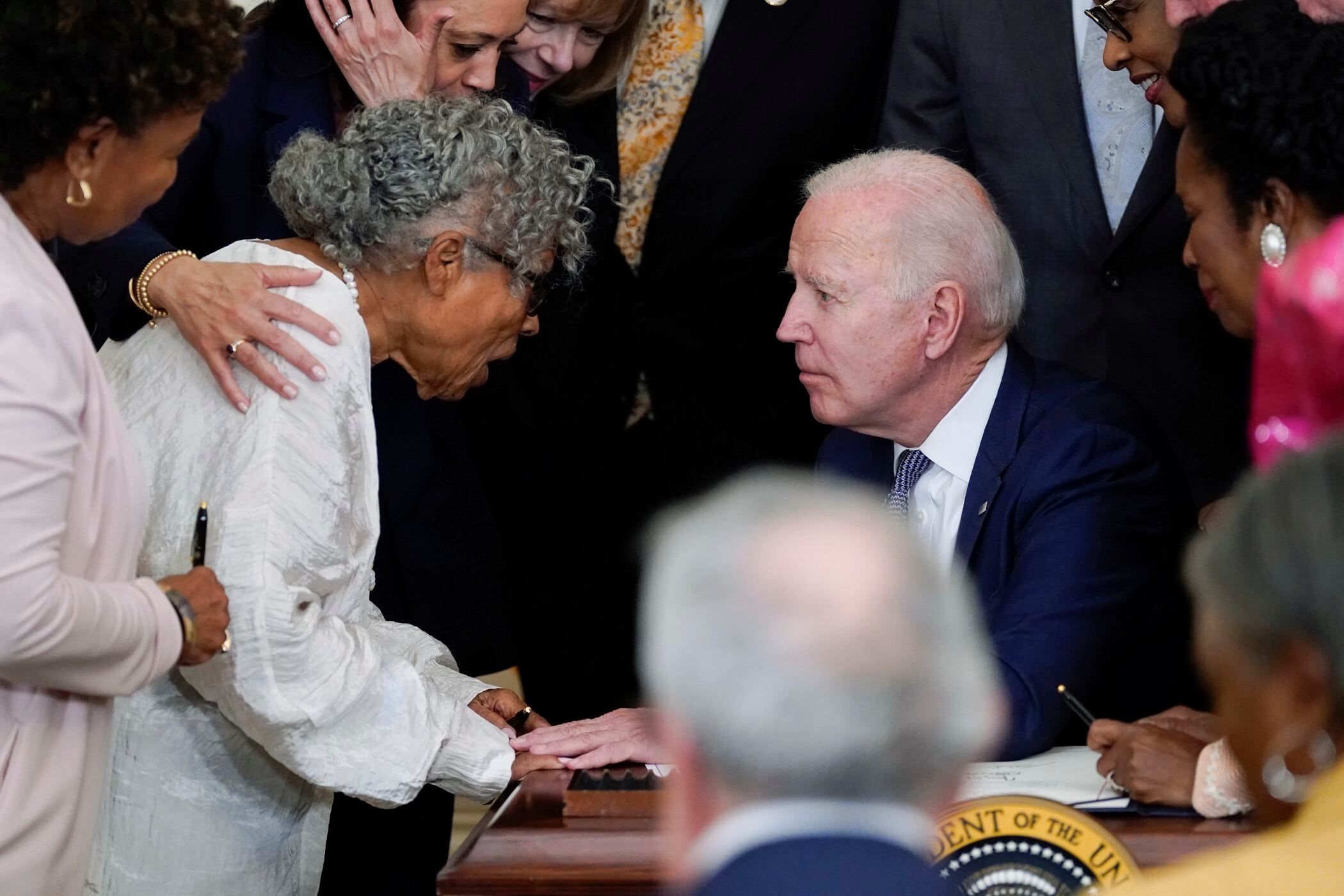
President Joe Biden has signed legislation Thursday establishing a new federal holiday commemorating the end of slavery, saying he believes it will go down as one of the greatest honors he has as president.
The number of Americans applying for unemployment benefits rose last week for the first time since April despite widespread evidence that the economy and the job market are rebounding steadily from the pandemic recession.
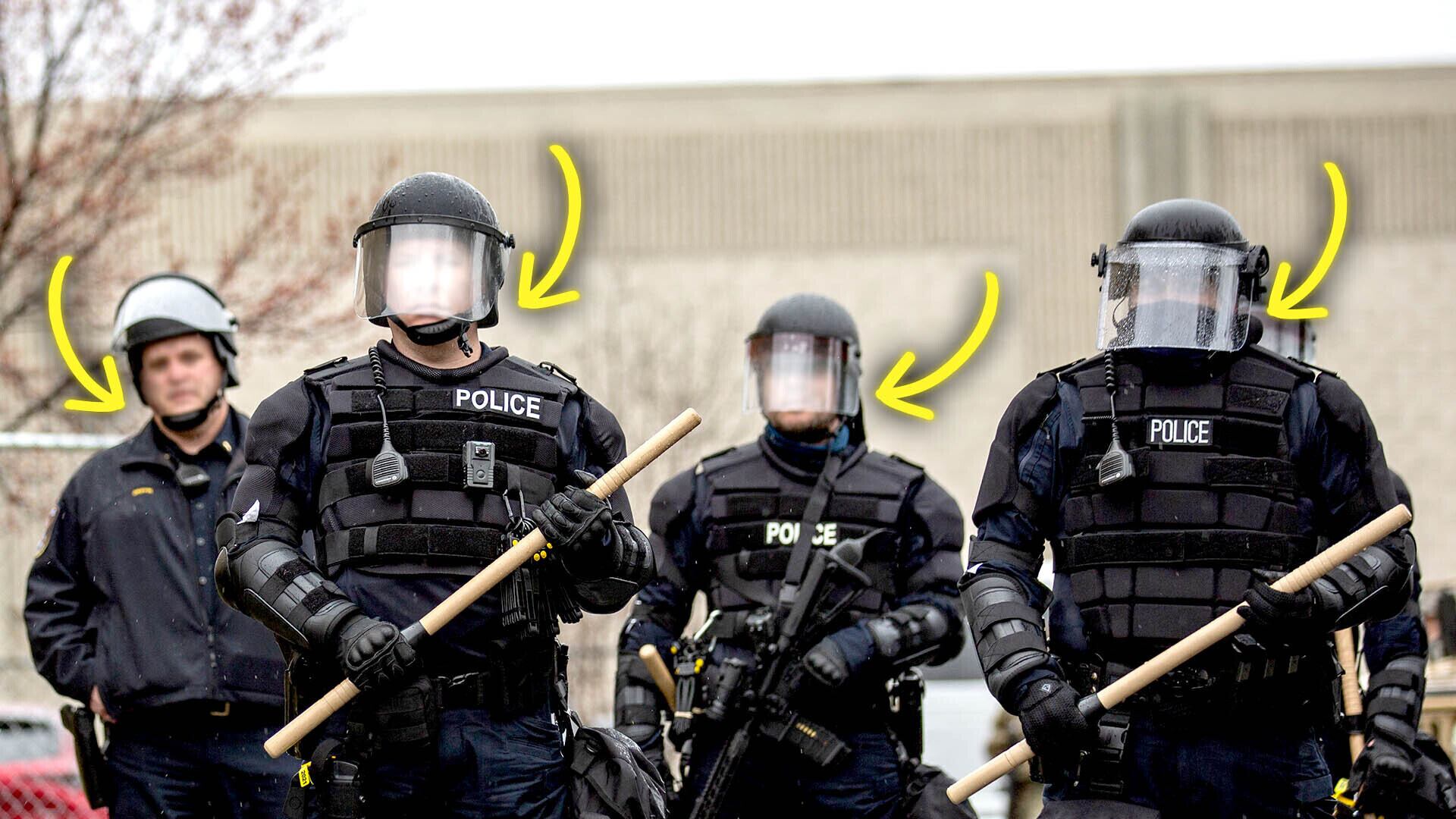
How much do you think cops make? A few hundred thousand per year? It sounds extreme, but this is the case in many cities across the country thanks to a slew of financial perks in ironclad union contracts.
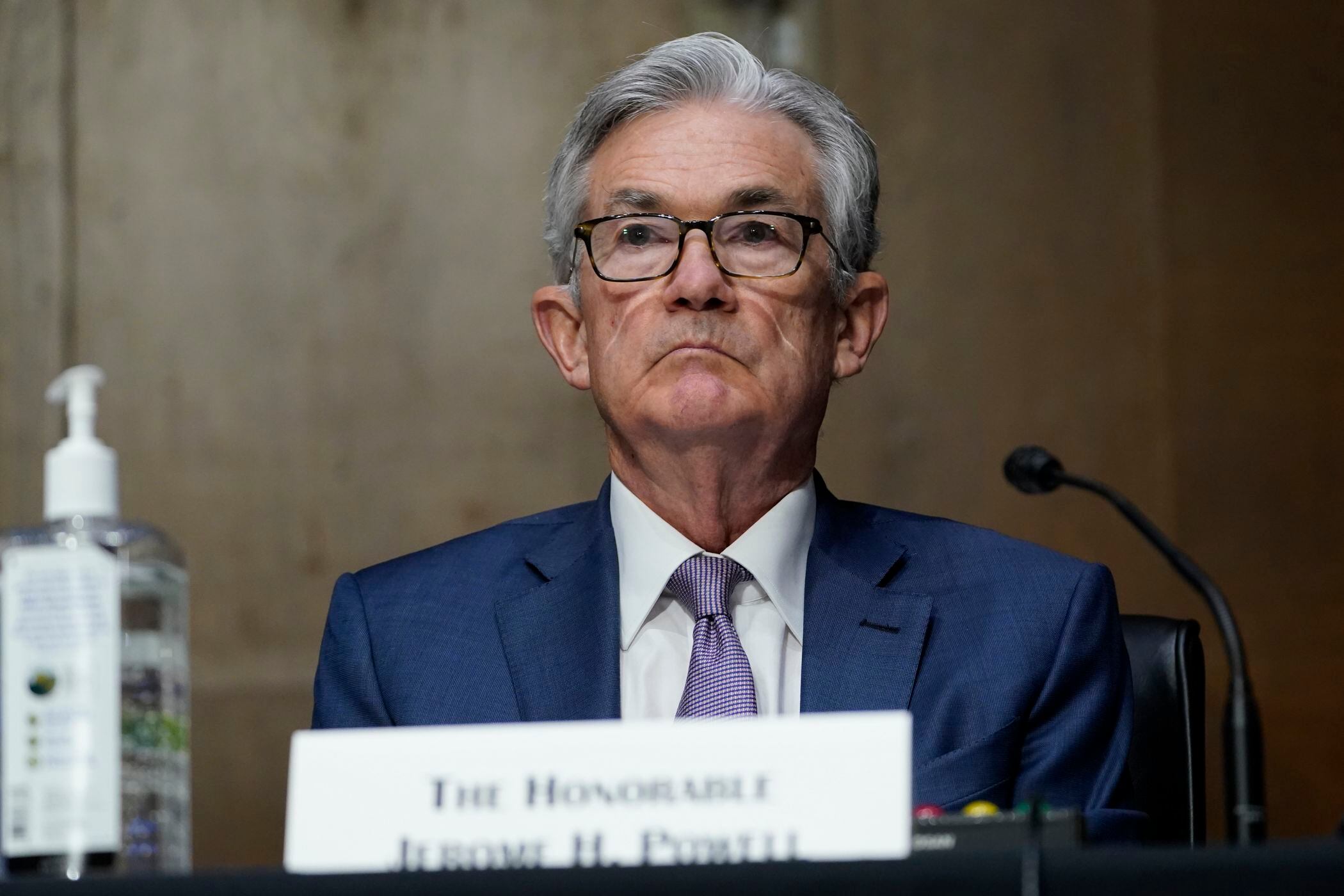
The Federal Reserve is holding steady on the dovish policy stance that it's maintained since the beginning of the pandemic but not without a hat-tip to those worried about rising inflation.
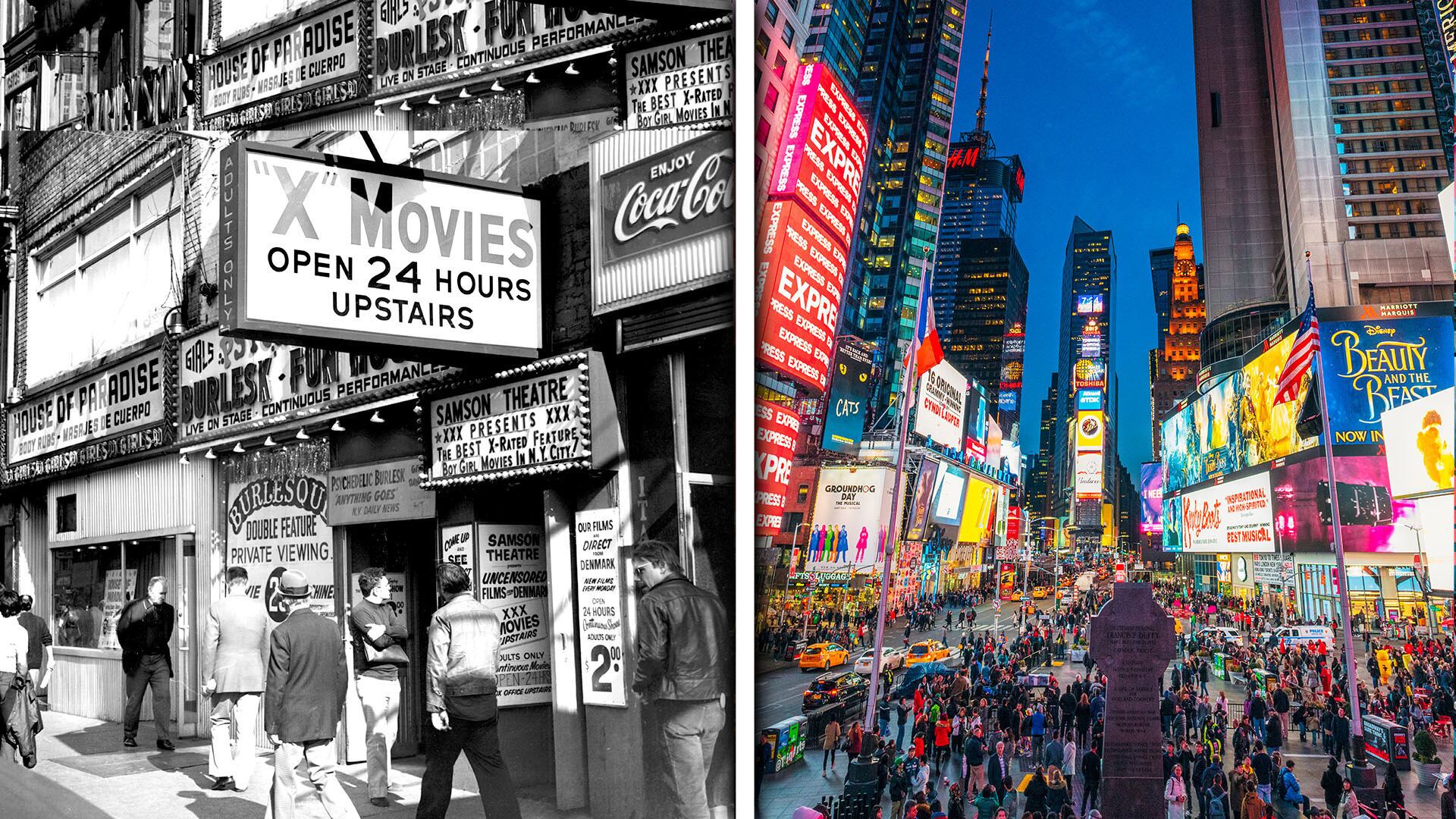
Just 40 years ago, New York City's Times Square was a very different place: crime-ridden and adult theaters as the main source of entertainment. Cheddar explains how it went from this to one of the top tourist attractions in the world.