The Trump administration last week rescinded a Obama-era rule that asked HUD recipients to measure and consider fixes to racial segregation in their communities.
President Donald Trump then followed up the decision with a tweet that critics say was an explicit appeal to white, suburban voters.
"His tweet was aimed at a strategy of appealing to racial resentment and really people's worst ideas about how our communities should be structured," David Sanchez, director of research and development for the National Community Stabilization Trust, told Cheddar. "Attitudes like that are a big reason why we have such severe segregation by race, class, and opportunity in this country, and unfortunately the president is trying to use those fears to benefit himself politically."
The loss of the rule itself has gotten less attention, in part due to its low profile as more of a regulatory tweak than an aggressive federal policy.
The Affirmatively Furthering Fair Housing Rule that Trump's HUD eliminated asked municipalities and housing authorities to account for racial bias in their communities by writing a report and issuing recommendations, but it did not force municipalities to address segregation directly.
"It was about gathering data," Sanchez said. "It was about getting people talking about segregation. But it wasn't about forcing communities to do anything."
In the long-term, though, he added that cutting the rule will only contribute to the ongoing economic divide between the suburbs and cities.
"It's going to continue to concentrate economic resources, social privilege in certain people who can afford to live in high-opportunity communities," Sanchez said. "In the same way the COVID crisis has supercharged inequality in this country, this is just another step in that direction."
The number of Americans seeking unemployment benefits fell last week to 340,000, a pandemic low, another sign that the job market is steadily rebounding from the economic collapse caused by the coronavirus pandemic.
A group of Democratic senators quietly put forth a bill that could reshape domestic manufacturing in the United States.
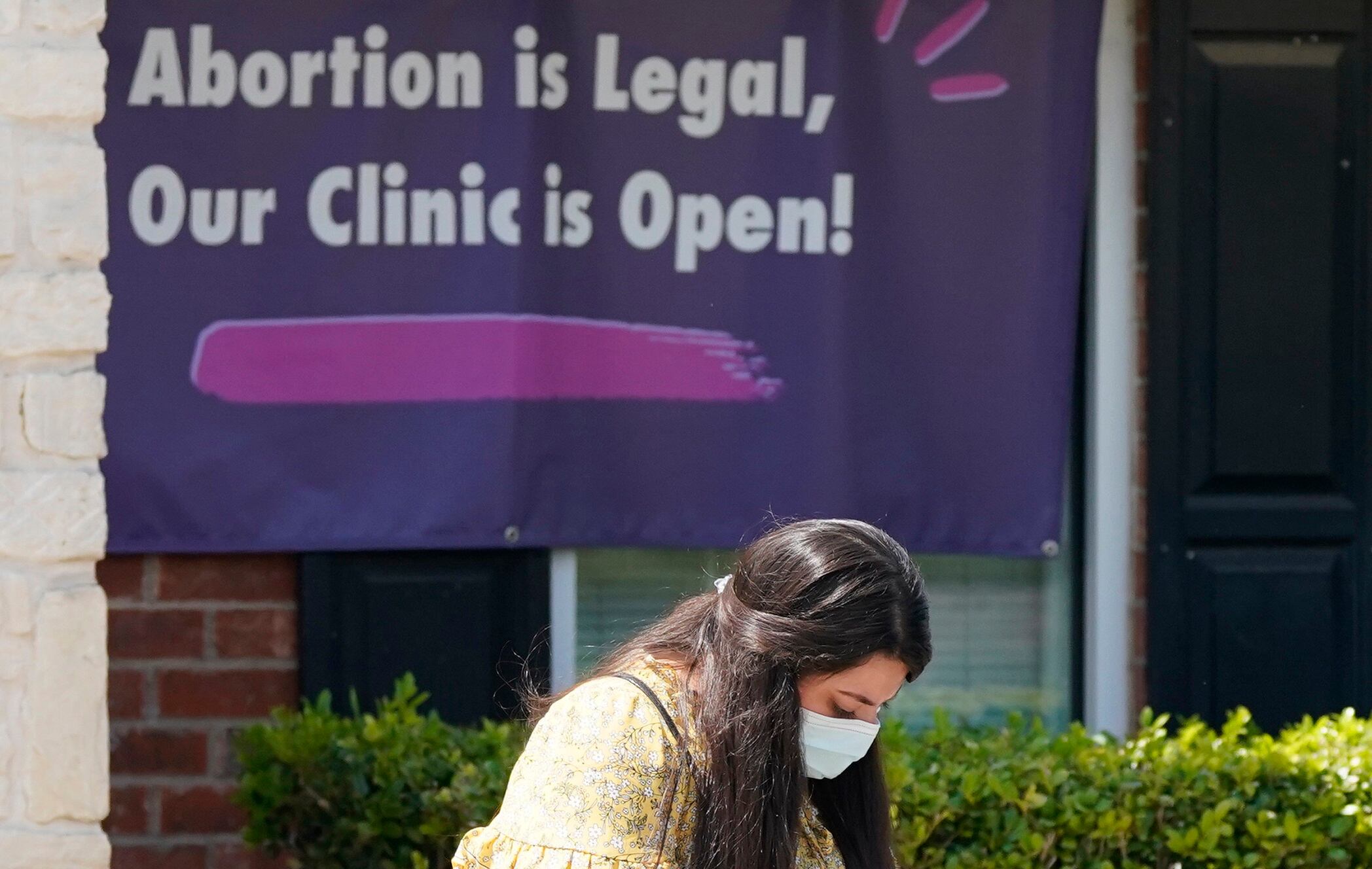
The nation’s most far-reaching curb on abortions has taken effect in Texas, with the Supreme Court silent so far on an emergency appeal to put the law on hold.
Cheddar asked its Gen Z and Millennial-aged Facebook and Instagram users about several topics including how they use social media, buying cryptocurrency, and the future job market.
Social Security and Medicare, the government’s two biggest benefit programs, remain under intense financial pressure with the retirement of millions of baby boomers and a devastating pandemic putting increased pressures on the two programs’ finances.
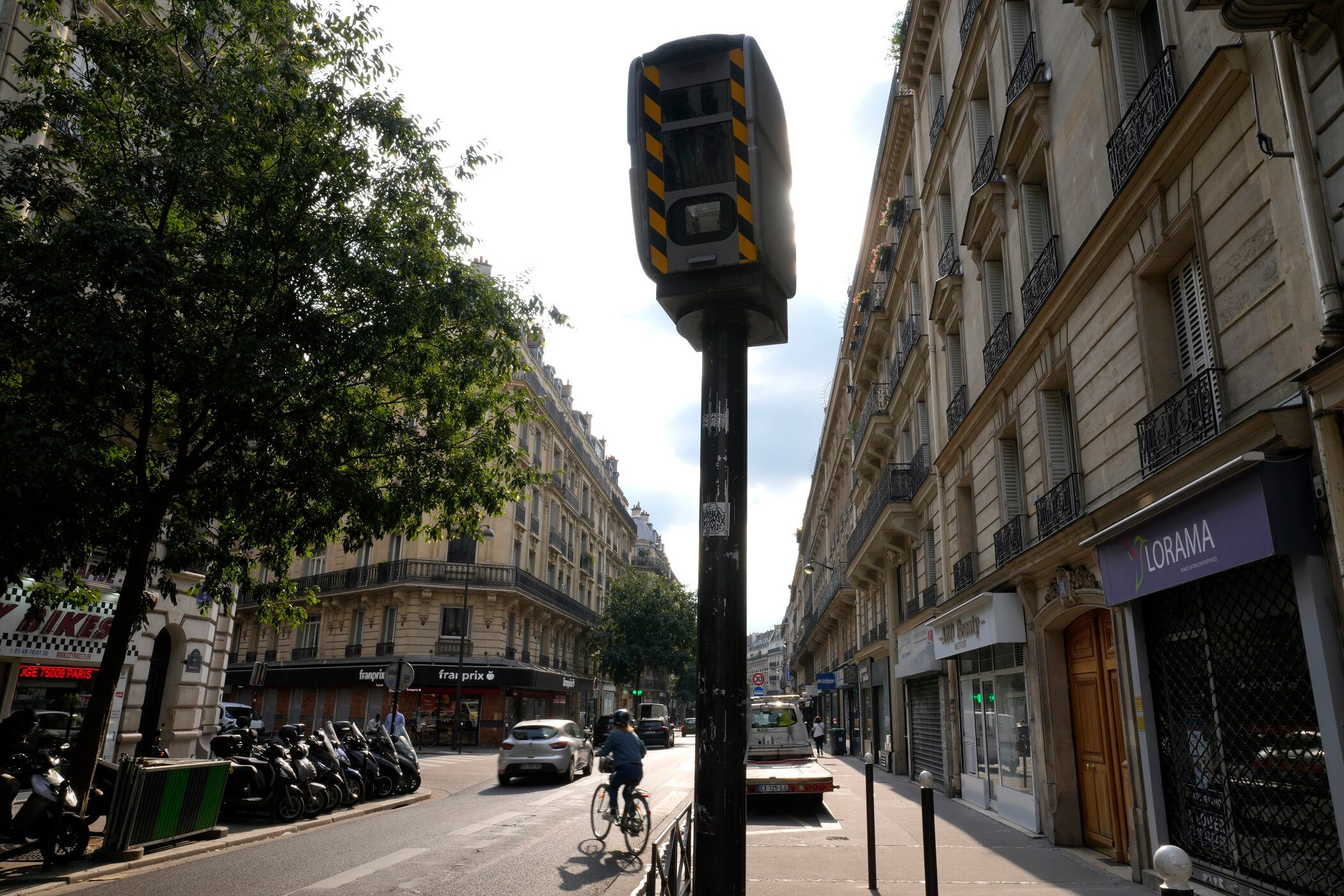
The speed limit for most of Paris is now 30 kilometers per hour (less than 19 miles per hour). The new rule takes effect Monday almost everywhere in the city except for a few wide avenues like the Champs-Elysees and the bypass circling the capital.
Cheddar's Chloe Aiello reports on Queens residents who mostly are voicing support for keeping the Open Streets program in New York City even after the pandemic.
Brazil, the country with the most freshwater resources in the world, has lost 15% of its surface water over the last three decades.
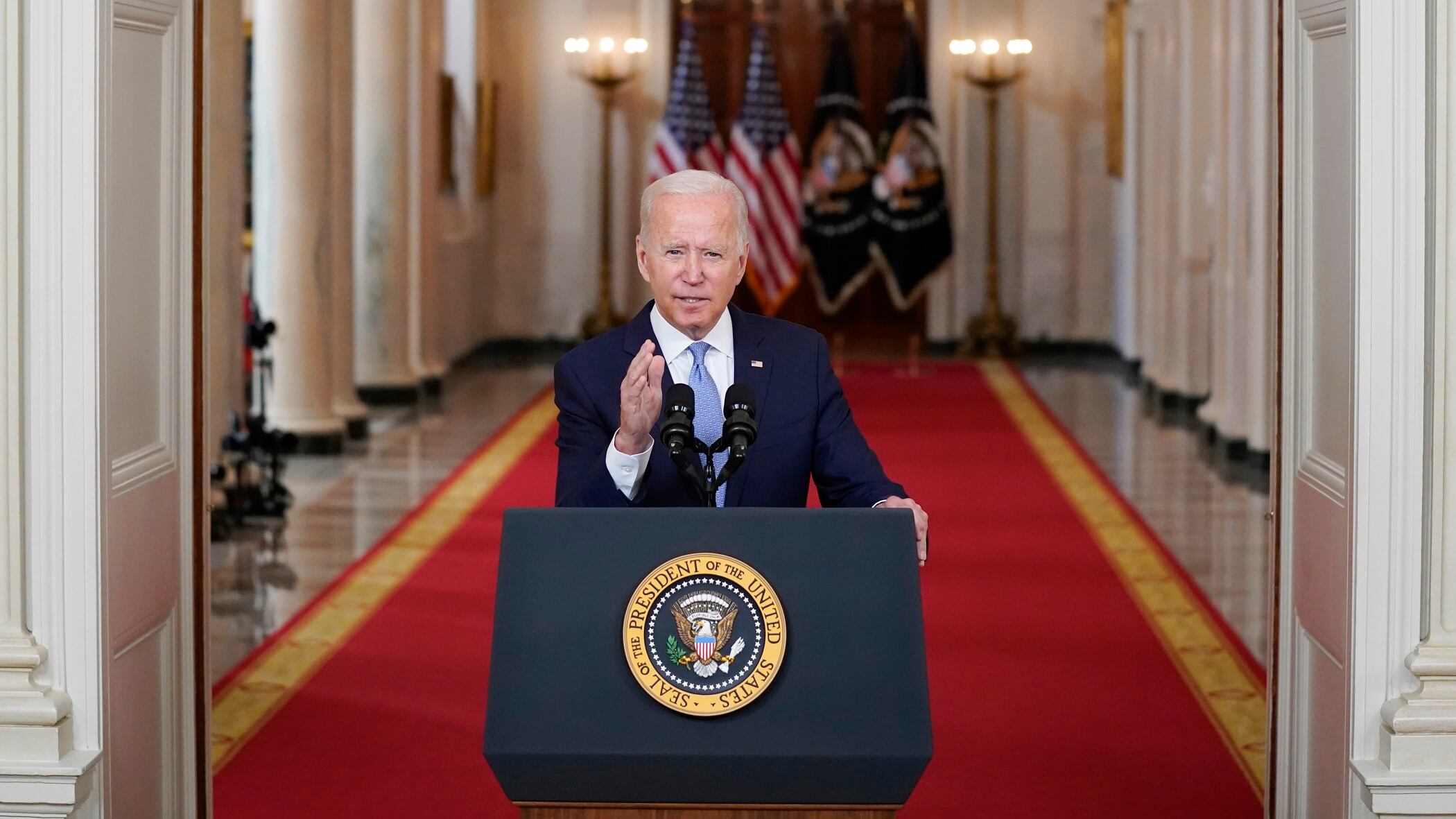
Addressing the nation, President Joe Biden is defending the way the U.S. ended its 20-year “forever war” in Afghanistan.
In his opening remarks for the Jackson Hole Economic Symposium, Federal Reserve Chair Jerome Powell signaled that the central bank could begin tapering its $120 billion in monthly asset purchases this year.