The Trump administration last week rescinded a Obama-era rule that asked HUD recipients to measure and consider fixes to racial segregation in their communities.
President Donald Trump then followed up the decision with a tweet that critics say was an explicit appeal to white, suburban voters.
"His tweet was aimed at a strategy of appealing to racial resentment and really people's worst ideas about how our communities should be structured," David Sanchez, director of research and development for the National Community Stabilization Trust, told Cheddar. "Attitudes like that are a big reason why we have such severe segregation by race, class, and opportunity in this country, and unfortunately the president is trying to use those fears to benefit himself politically."
The loss of the rule itself has gotten less attention, in part due to its low profile as more of a regulatory tweak than an aggressive federal policy.
The Affirmatively Furthering Fair Housing Rule that Trump's HUD eliminated asked municipalities and housing authorities to account for racial bias in their communities by writing a report and issuing recommendations, but it did not force municipalities to address segregation directly.
"It was about gathering data," Sanchez said. "It was about getting people talking about segregation. But it wasn't about forcing communities to do anything."
In the long-term, though, he added that cutting the rule will only contribute to the ongoing economic divide between the suburbs and cities.
"It's going to continue to concentrate economic resources, social privilege in certain people who can afford to live in high-opportunity communities," Sanchez said. "In the same way the COVID crisis has supercharged inequality in this country, this is just another step in that direction."
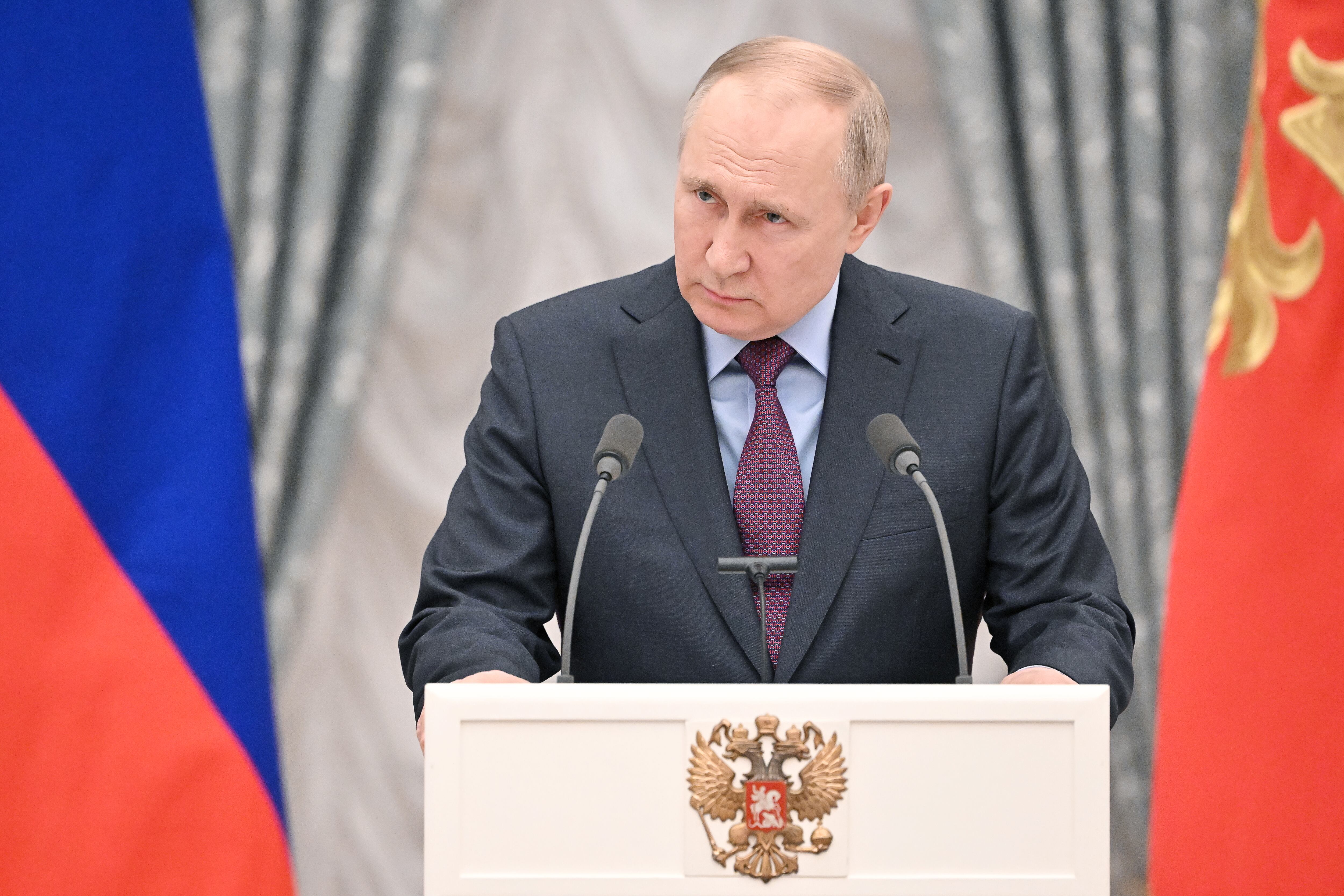
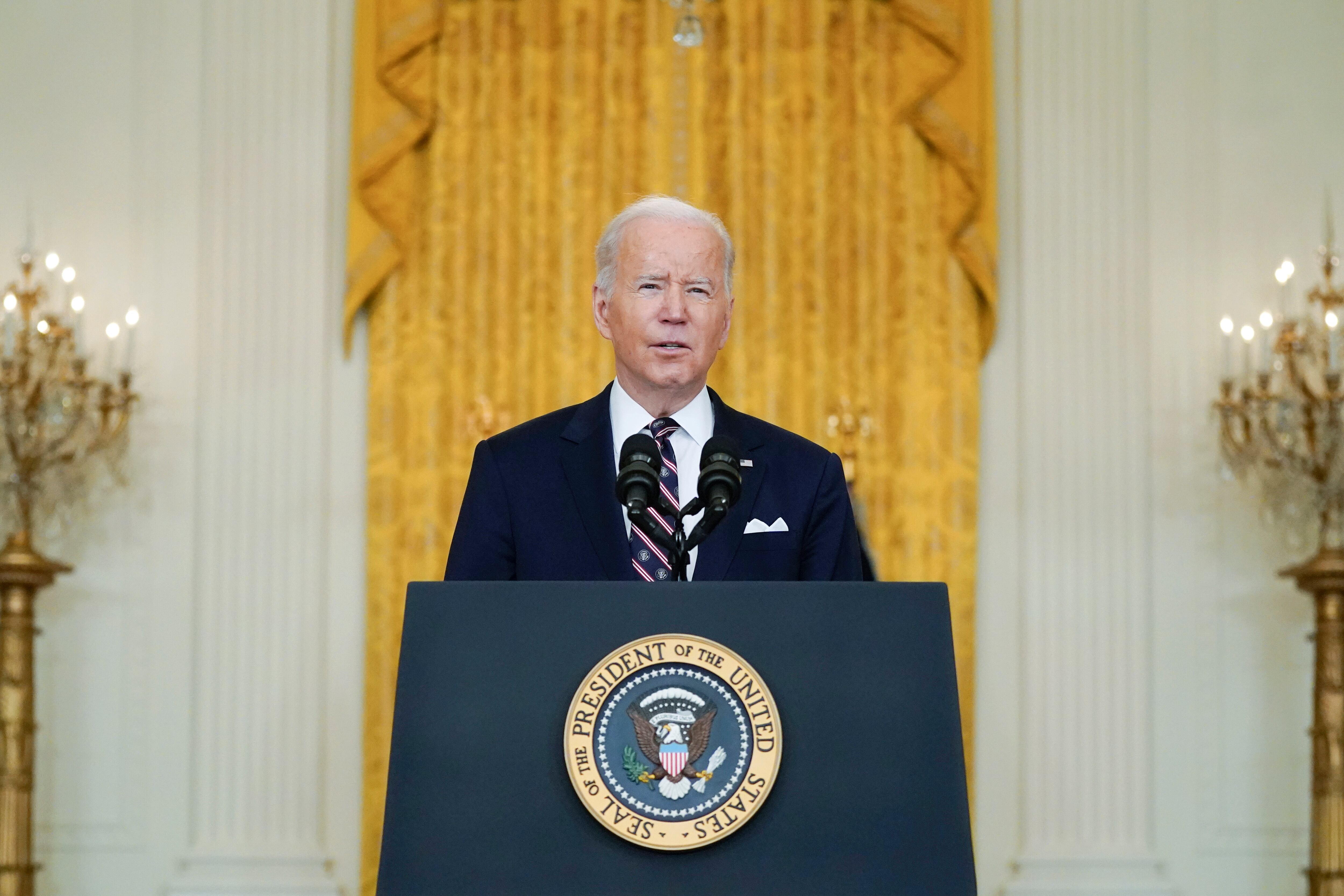
Russian lawmakers have given President Vladimir Putin a military force authorization in Ukraine, and President Biden has described Putin's announcement declaring the independence of two provinces within Ukraine and his subsequent deployment of peacekeepers as tantamount to "invasion. David Tafuri, a former Obama campaign foreign policy advisor and Bush State Department official, joined Cheddar News to discuss. "The Ukrainian military occupies more than 70 percent of those provinces still," Tafuri said, noting Putin alleged having a responsibility to defend those regions. "This would put Ukrainian forces and Russian forces right at each other engaged. And that might be how the war starts."
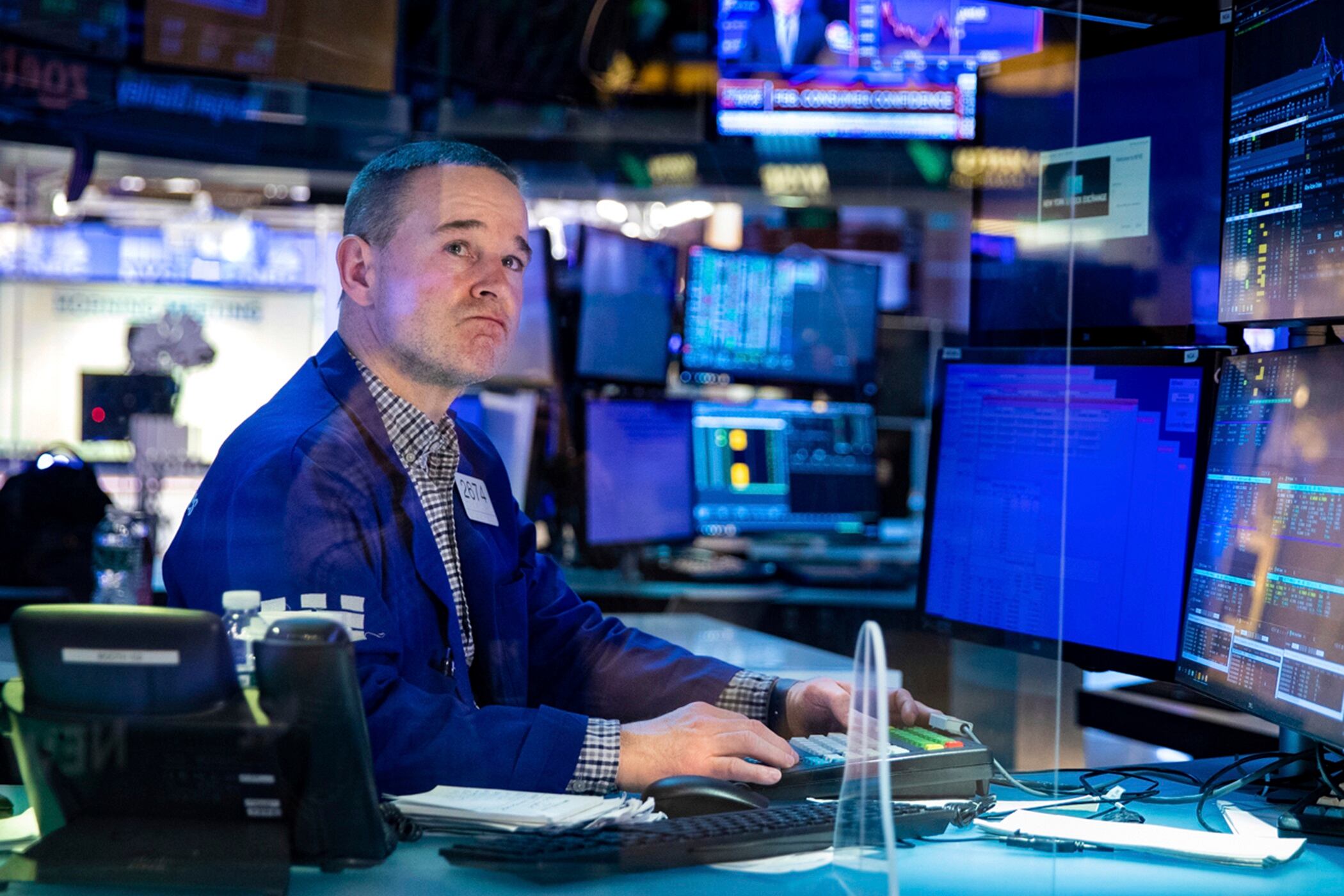
The major indexes ended Tuesday's session sharply lower due to escalating tensions between Russia and Ukraine. Bill Stone, Chief Investment Officer at The Glenview Trust Company, joins Cheddar News' Closing Bell, where he reminds viewers that Wall Street doesn't like uncertainty, and more of the recent losses are due to geopolitics than inflation.
Karim Hijazi, CEO of Prevailion, joins Cheddar News' Closing Bell, where he says that crypto's decentralized nature will pose obstacles for the FBI's new crypto unit, but it will also make progress with items such as managing fraudulent exchanges.
The Retail Industry Leaders Association released a report alleging the safety risks, economic losses, and potential job losses they link to a surge in shoplifting crimes in the United States. Lisa LaBruno, senior EVP of retail operations at the trade organization, joined Cheddar News to discuss the impact of websites that allow for the resale of unverified goods and passing the INFORM Consumers Act to stamp it out. “We need to hold the online marketplaces accountable for being a favored venue for criminals to resell stolen product," LaBruno said. "And that is exactly what the INFORM Act is designed to do."
The East-West faceoff over Ukraine has escalated dramatically, with Russian lawmakers authorizing President Vladimir Putin to use military force outside his country and President Biden and European leaders responding by slapping sanctions on Russian oligarchs and banks.
Stocks closed broadly lower Tuesday after Russia sent forces into Ukraine’s eastern region and the U.S., European Union and U.K. responded with economic sanctions.
President Biden says he’s “convinced” that Russian President Vladimir Putin has decided to launch a further invasion of Ukraine, saying Friday he has “reason to believe” it will occur in the "coming days."