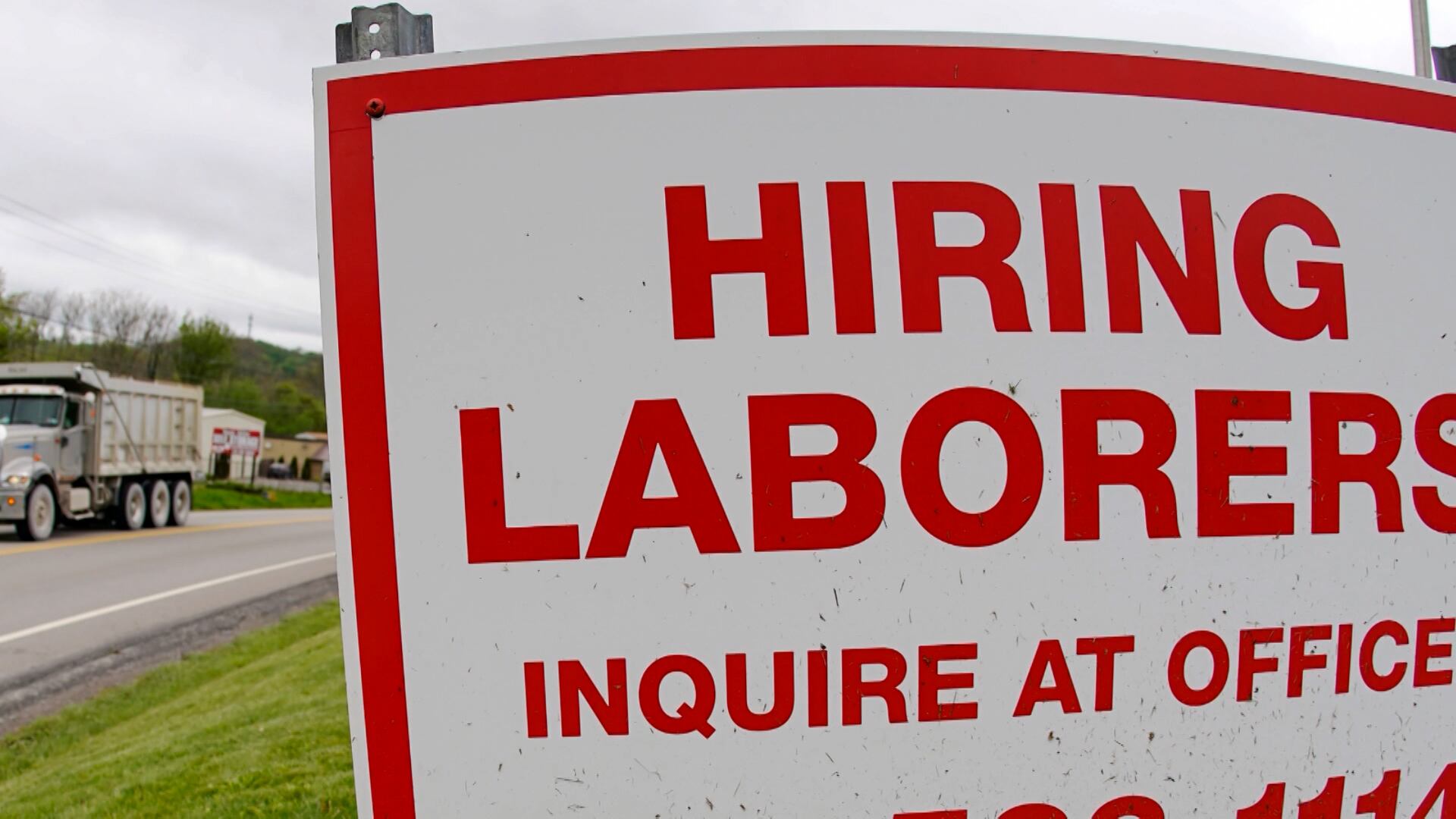
The Trump administration last week rescinded a Obama-era rule that asked HUD recipients to measure and consider fixes to racial segregation in their communities.
President Donald Trump then followed up the decision with a tweet that critics say was an explicit appeal to white, suburban voters.
"His tweet was aimed at a strategy of appealing to racial resentment and really people's worst ideas about how our communities should be structured," David Sanchez, director of research and development for the National Community Stabilization Trust, told Cheddar. "Attitudes like that are a big reason why we have such severe segregation by race, class, and opportunity in this country, and unfortunately the president is trying to use those fears to benefit himself politically."
The loss of the rule itself has gotten less attention, in part due to its low profile as more of a regulatory tweak than an aggressive federal policy.
The Affirmatively Furthering Fair Housing Rule that Trump's HUD eliminated asked municipalities and housing authorities to account for racial bias in their communities by writing a report and issuing recommendations, but it did not force municipalities to address segregation directly.
"It was about gathering data," Sanchez said. "It was about getting people talking about segregation. But it wasn't about forcing communities to do anything."
In the long-term, though, he added that cutting the rule will only contribute to the ongoing economic divide between the suburbs and cities.
"It's going to continue to concentrate economic resources, social privilege in certain people who can afford to live in high-opportunity communities," Sanchez said. "In the same way the COVID crisis has supercharged inequality in this country, this is just another step in that direction."
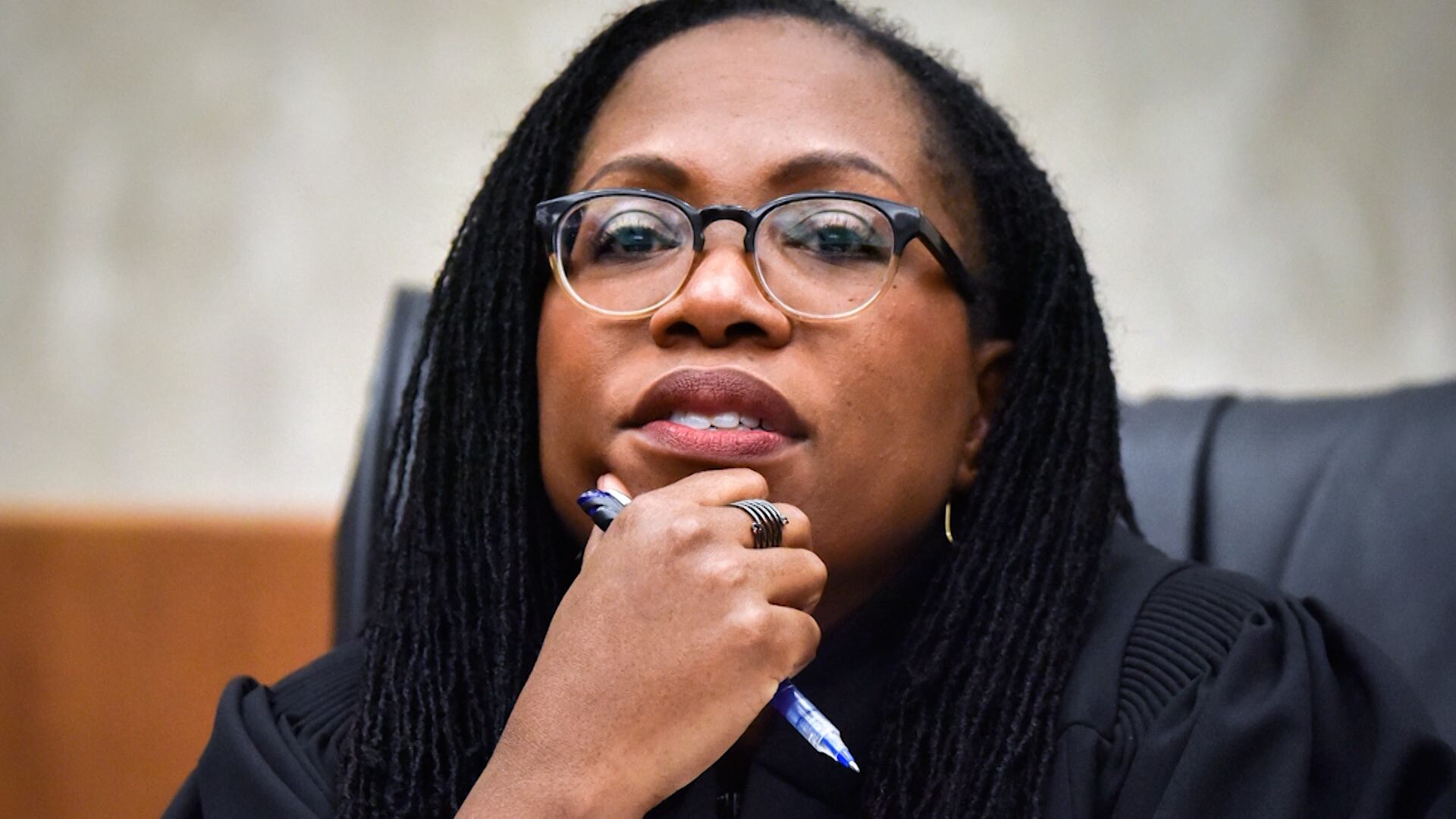
Tyler Pager, White House reporter at the Washington Post, and Reecie Colbert, founder of BlackWomenViews Media, join Cheddar Politics to discuss President Biden's Supreme Court nominee Judge Ketanji Brown Jackson. They break down how her nomination came to be and what comes next in her confirmation process.
Joel Rubin, former deputy assistant at Secretary of State & president of the Washington Strategy Group, joins Cheddar News to break down the latest between Russia and Ukraine.
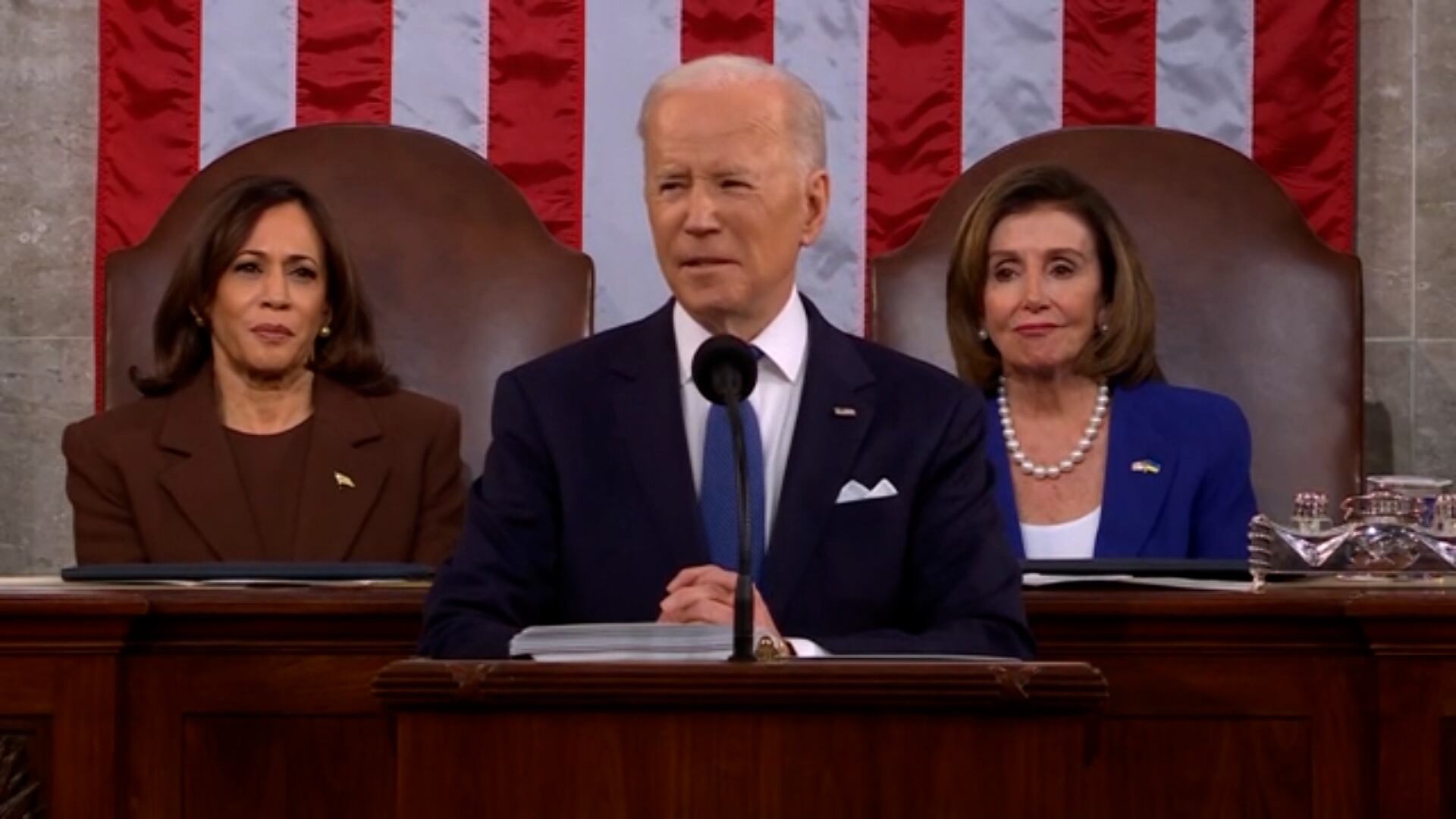
Nicole Goodkind, business and politics reporter at Fortune Magazine, joins Cheddar Politics to break down President Biden's first State of the Union address.
Londoners are facing travel chaos after around 10,000 transport workers walked off their jobs for the second day this week, leaving almost all of the capital’s subway lines suspended or severely disrupted.
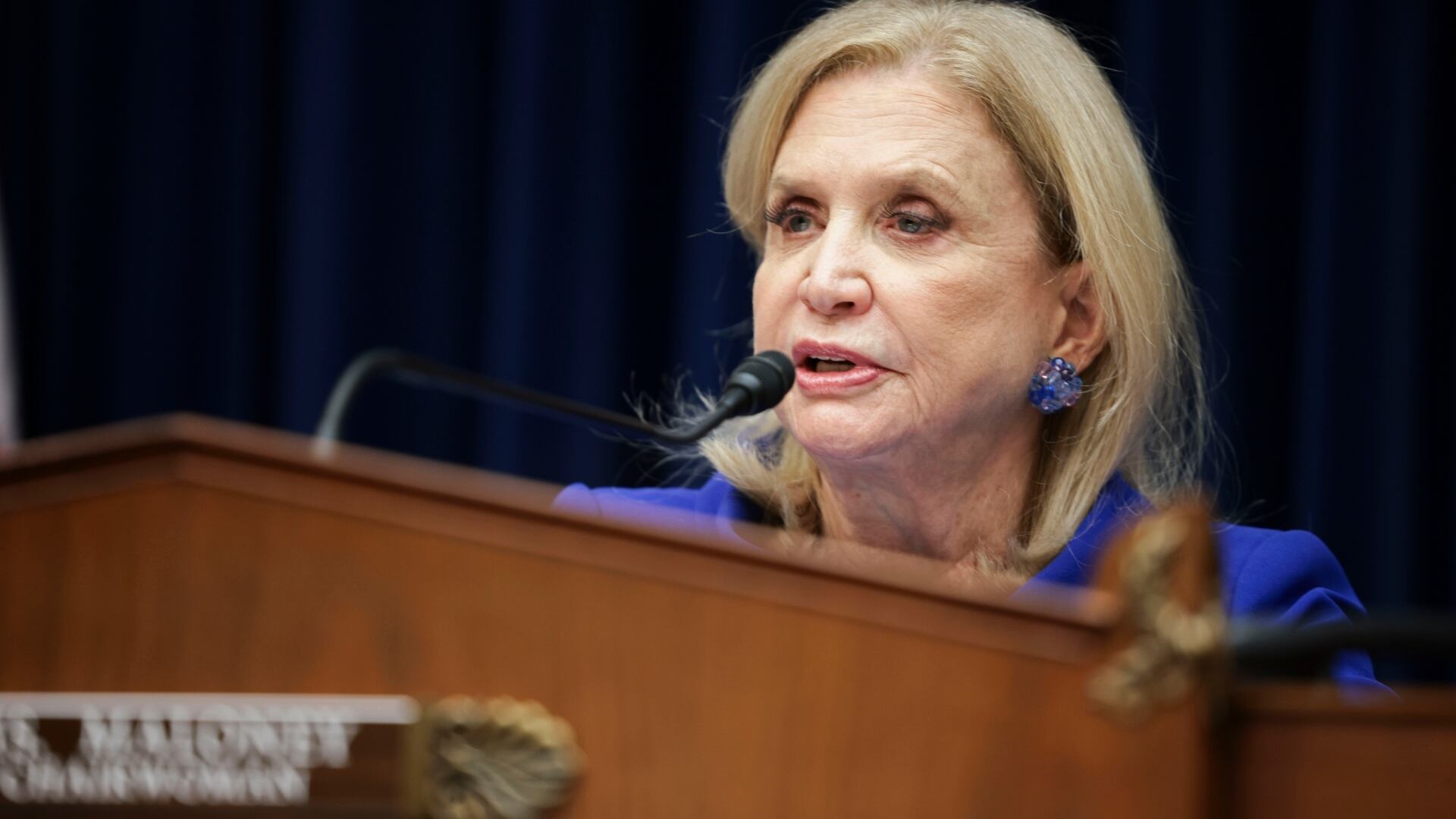
Rep. Carolyn Maloney joined Cheddar News after President Biden's State of the Union address to give her reaction and talk about the situation in Ukraine.
UN and Ukrainian officials say no radiation was released from a Russian attack at Europe’s biggest nuclear power plant in Ukraine and firefighters have extinguished a blaze at the facility..
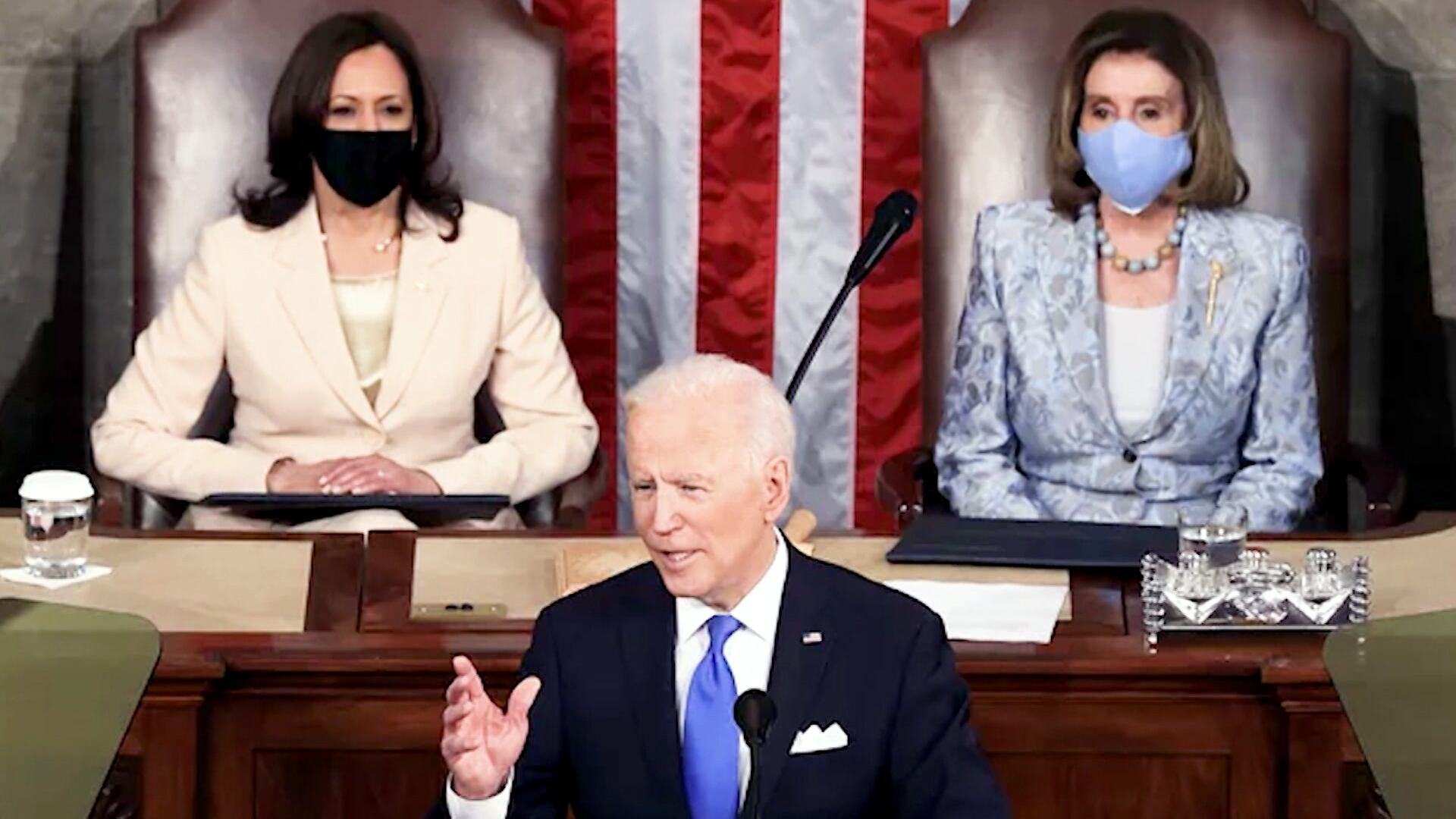
Liz Landers Chief Political Correspondent at Vice News, breaks down the President's address including his stance on the Russian invasion and spotlights historic moments during his speech.
Markets opened higher on Thursday despite ongoing uncertainty amid the Russia-Ukraine conflict. John Petrides, Portfolio Manager, Tocqueville Asset Management joined Cheddar's Opening Bell to discuss early market activity.
Experts warn that social media is a root cause of mental health issues among many young adults. Sen. Tammy Baldwin (D-Wis.), who co-wrote a letter to TikTok demanding why its algorithms promote toxic content, joined Cheddar to discuss.