The Trump administration last week rescinded a Obama-era rule that asked HUD recipients to measure and consider fixes to racial segregation in their communities.
President Donald Trump then followed up the decision with a tweet that critics say was an explicit appeal to white, suburban voters.
"His tweet was aimed at a strategy of appealing to racial resentment and really people's worst ideas about how our communities should be structured," David Sanchez, director of research and development for the National Community Stabilization Trust, told Cheddar. "Attitudes like that are a big reason why we have such severe segregation by race, class, and opportunity in this country, and unfortunately the president is trying to use those fears to benefit himself politically."
The loss of the rule itself has gotten less attention, in part due to its low profile as more of a regulatory tweak than an aggressive federal policy.
The Affirmatively Furthering Fair Housing Rule that Trump's HUD eliminated asked municipalities and housing authorities to account for racial bias in their communities by writing a report and issuing recommendations, but it did not force municipalities to address segregation directly.
"It was about gathering data," Sanchez said. "It was about getting people talking about segregation. But it wasn't about forcing communities to do anything."
In the long-term, though, he added that cutting the rule will only contribute to the ongoing economic divide between the suburbs and cities.
"It's going to continue to concentrate economic resources, social privilege in certain people who can afford to live in high-opportunity communities," Sanchez said. "In the same way the COVID crisis has supercharged inequality in this country, this is just another step in that direction."
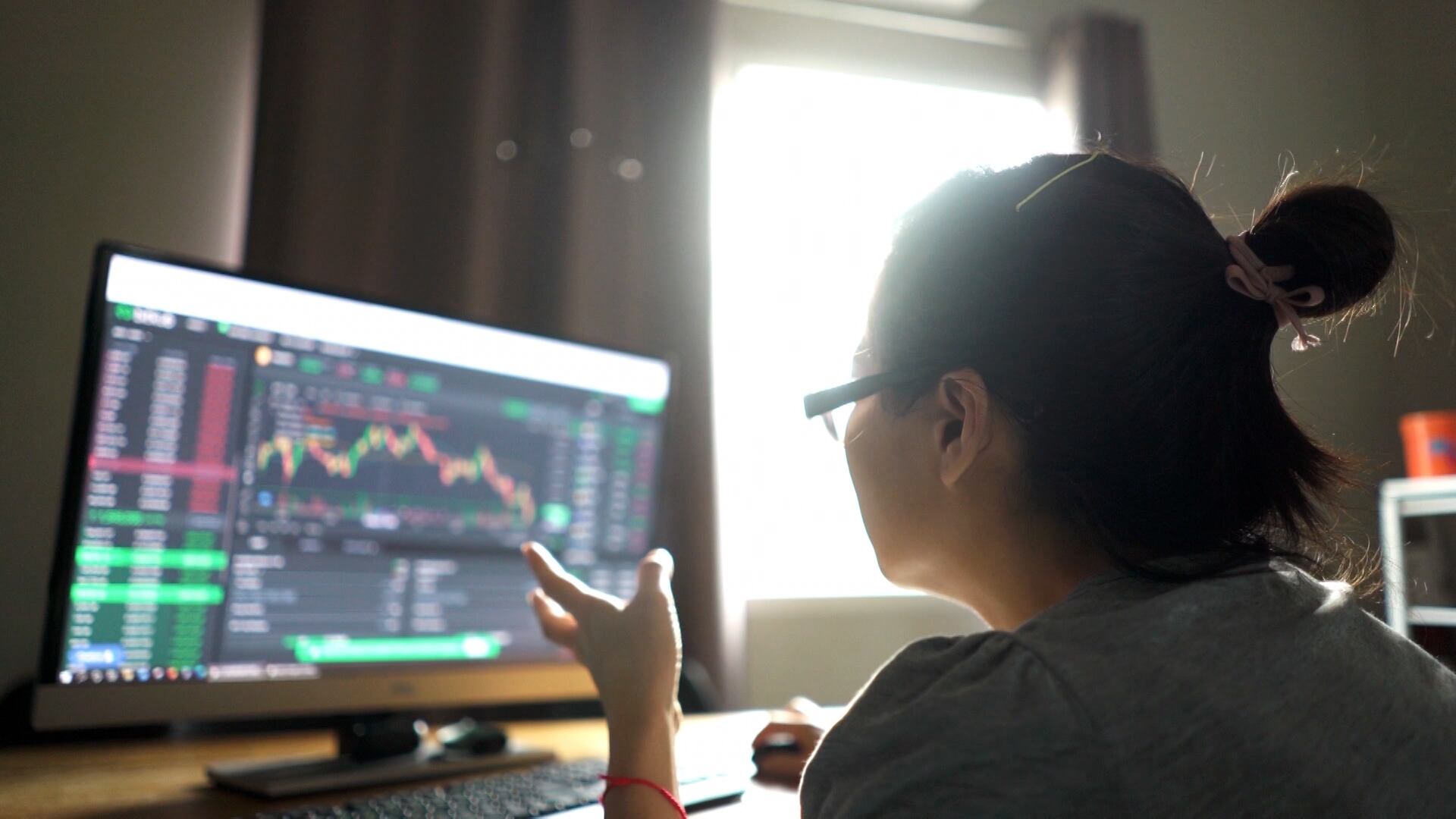
Tim Davis, Partner and Executive Managing Director at Steward Partners, joins Cheddar News' Closing Bell, where he discusses what activity we could expect to see from the crypto market this week as the Fed decision approaches, the prices of Bitcoin and Ether struggle to find a spark, and the industry continues to digest President Biden's executive order on crypto.
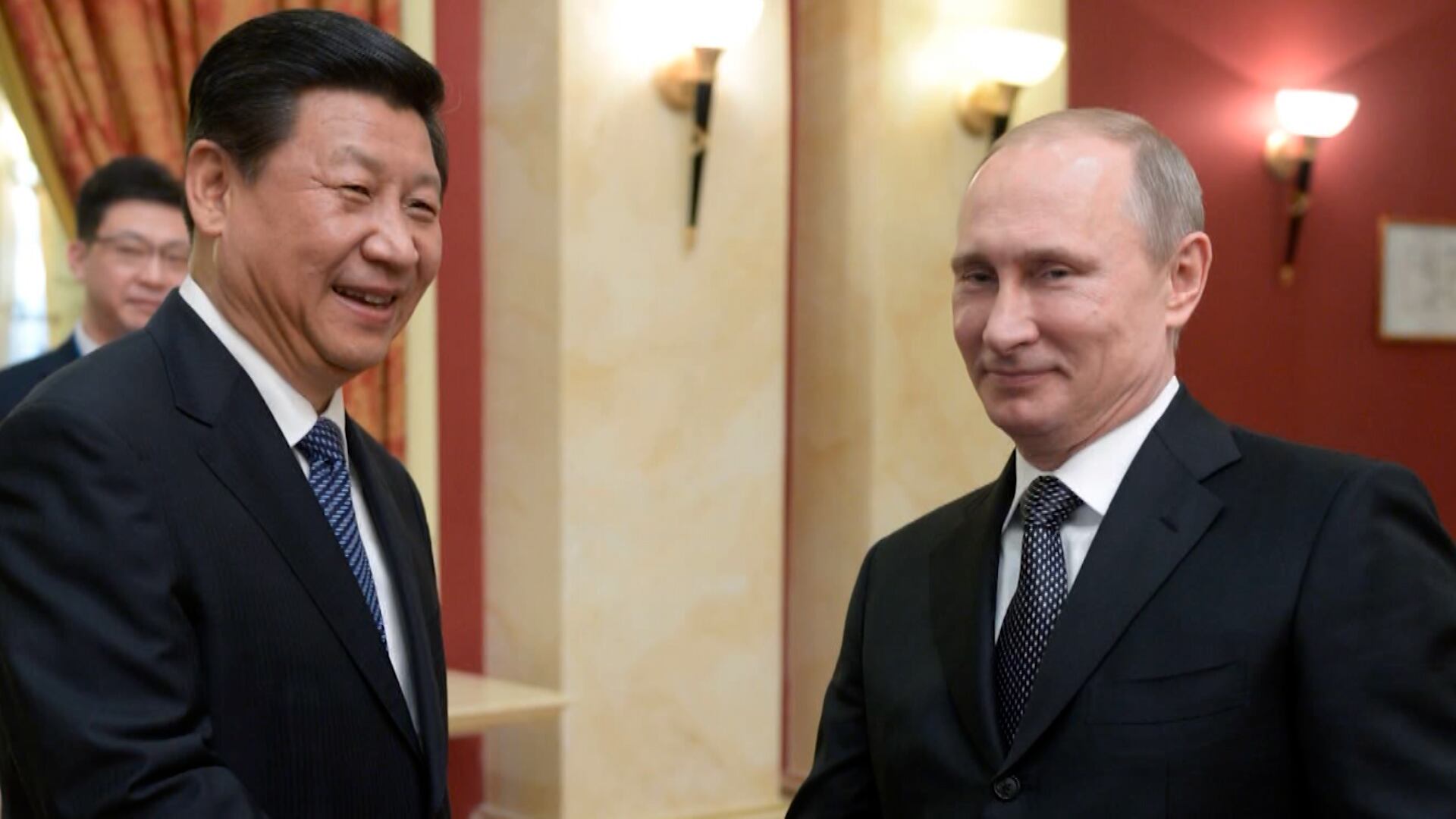
Russia may be asking China for help with its war in Ukraine, according to several reports citing unnamed U.S. officials. Russia is reportedly calling on its ally for military and economic assistance, in an attempt to avoid punishment from sanctions imposed by the U.S., Europe, and Asia, which have hammered Russia's economy. Chinese and Russian officials denied the reports. Meanwhile, top U.S. and Chinese officials are meeting today, with both countries confirming the conflict in Ukraine will be the meeting's main topic. Edward Wong, diplomatic correspondent for the New York Times, joins Cheddar News' Closing Bell to discuss.
A Ukrainian drone company is using its technology to help defend its home nation during the ongoing war with Russia. Valerii Iakovenko, co-founder and CEO of DroneUA, joined Cheddar News to discuss its efforts to help against the invasion. "These drones can be used to do strikes more precise and even cheap drones, even simple technologies can help to make a defensive possibilities more precise," he said.
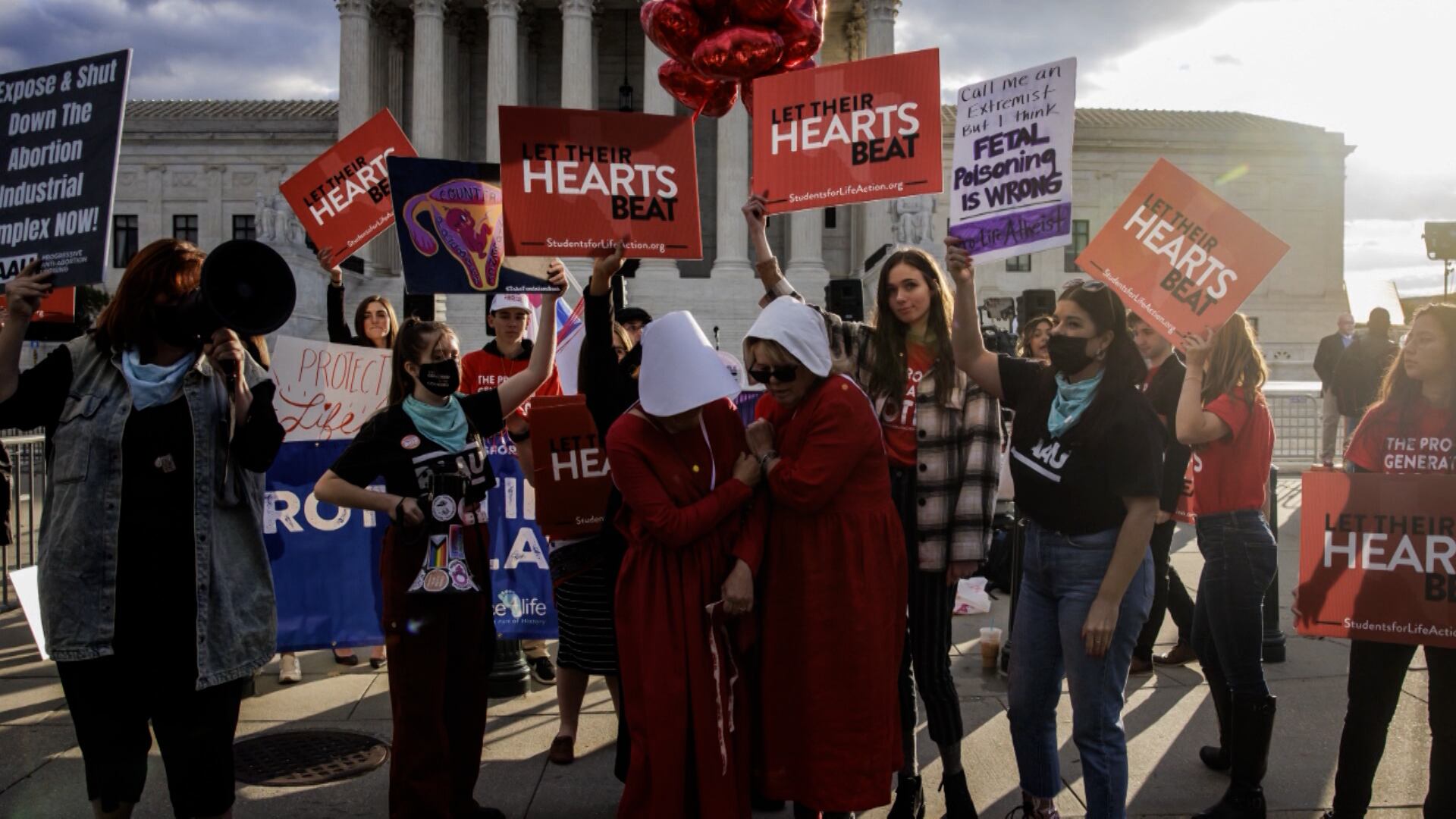
Following the Texas Supreme Court's decision to end further challenges against the latest abortion restrictions, Texas saw a 60 percent decrease in abortions performed in the state — with an exodus of patients seeking care in other parts of the country. President, and CEO of Planned Parenthood Federation of America, Alexis McGill Johnson, joined Cheddar News at South by Southwest 2022 to discuss the impact of the court's ruling on reproductive health care in the Lone Star State and beyond.
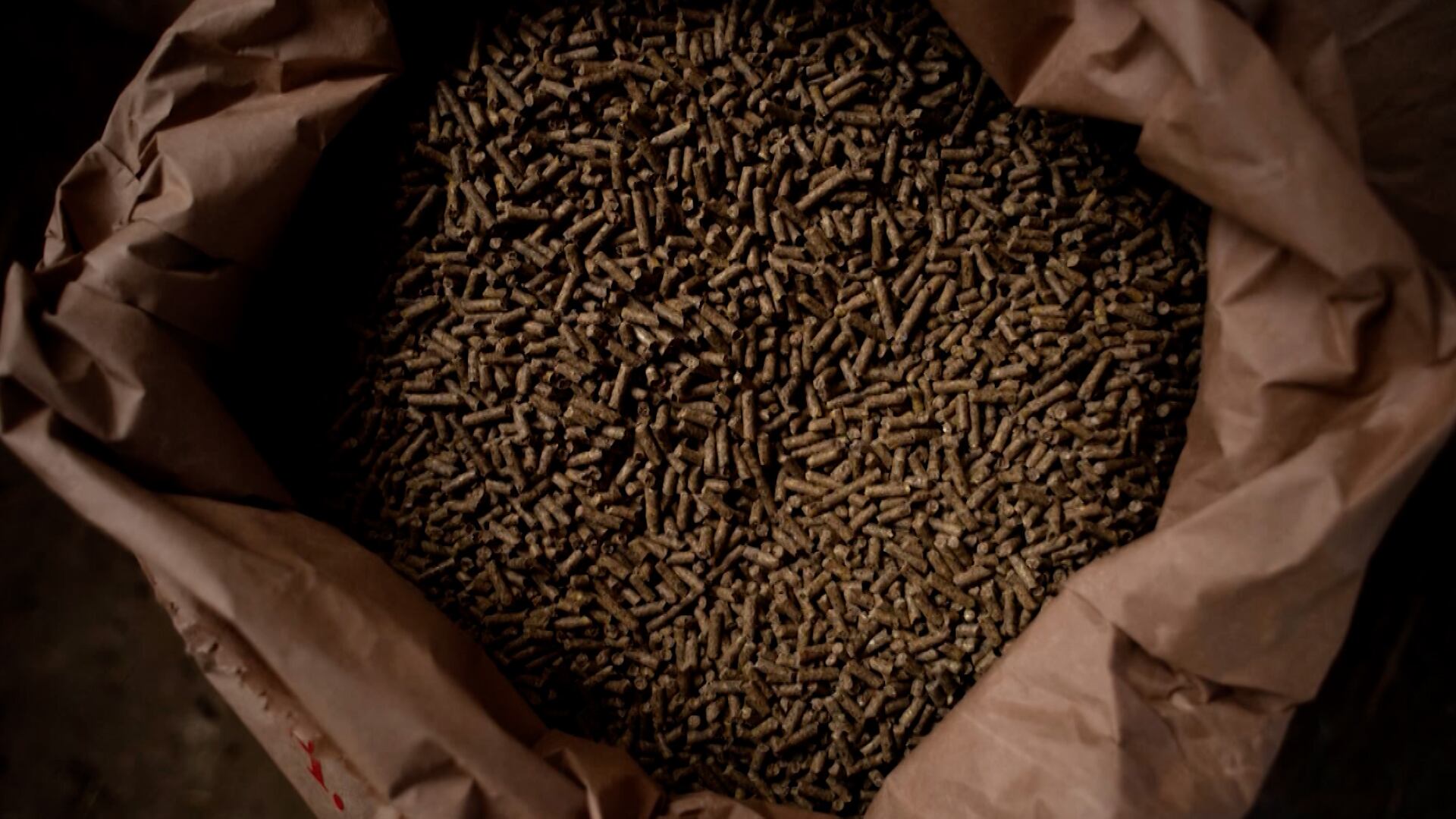
Damian Mason, farm owner, agricultural economist and author of "Food Fear" joined Cheddar News to talk about how the Russian invasion of Ukraine is putting pressure on commodities, which could lead to a 20 percent price hike according to the United Nations. “Russia and Ukraine are responsible for about 35 percent of exports, 35 percent of grain exports, specifically wheat,” said Mason. He also added, "You've got Russia saying, 'we're going to hoard and hold back our wheat,' which of course crimps global supply, and you've got Ukraine that maybe won't even get harvested."
In order to qualify for one of the coveted first retail licenses in New York's adult-use cannabis program, you'll have to have a conviction on cannabis-related charges or have an immediate family member who does. It's part of the latest effort by New York lawmakers to create a diverse and inclusive industry — but some advocates still have reservations. Amber Littlejohn, the executive director of the Minority Cannabis Business Association, joined Cheddar News' Closing Bell to discuss. "We definitely applaud the state of new york, but ultimately the devil will be in the details as to whether or not this actually works out to create equity in the cannabis industry," she said.
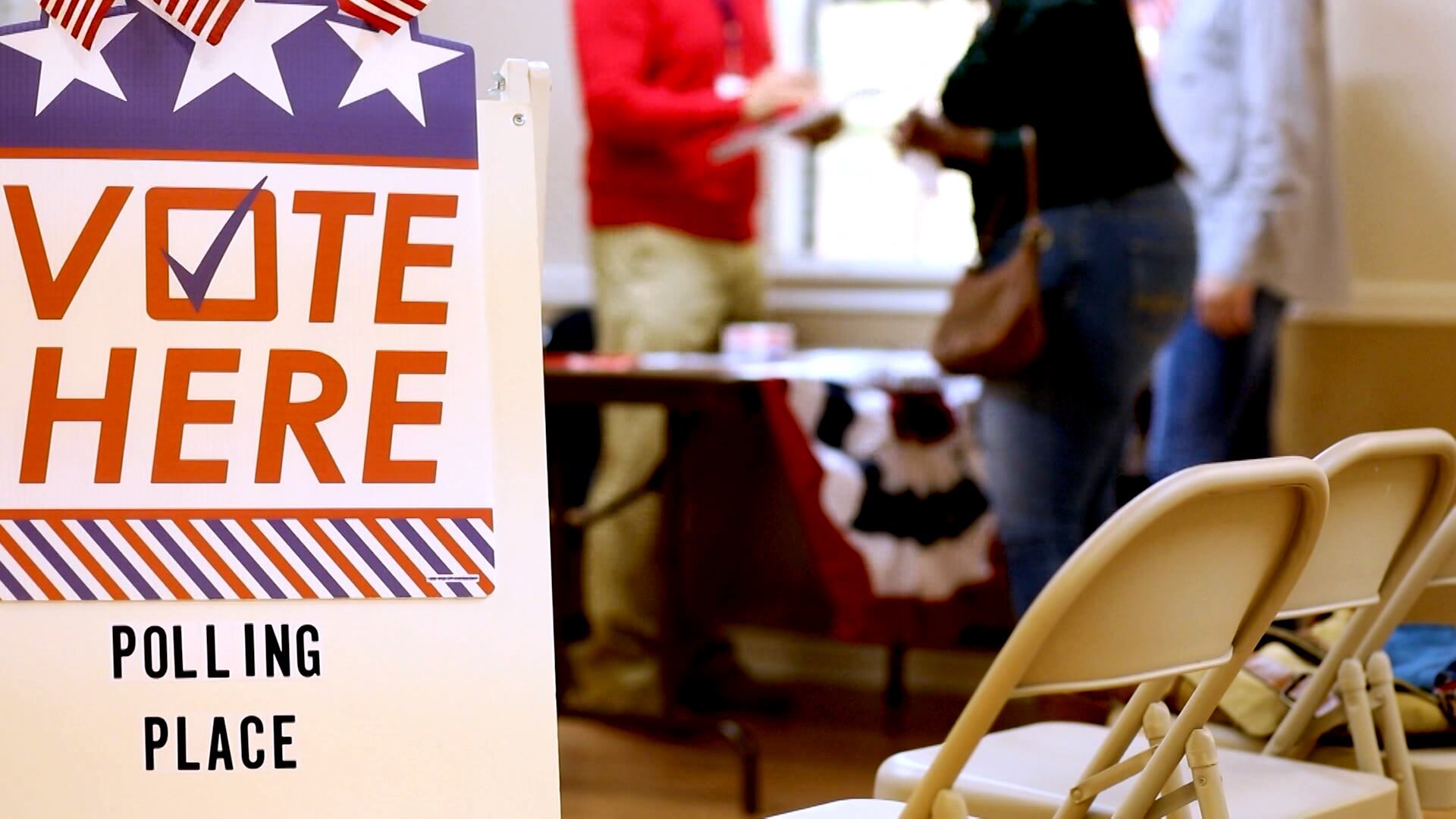
David Daley, senior fellow for FairVote, joins Cheddar News to discuss the Supreme Court denying the GOP's challenge to congressional maps in North Carolina and Pennsylvania.