The Trump administration last week rescinded a Obama-era rule that asked HUD recipients to measure and consider fixes to racial segregation in their communities.
President Donald Trump then followed up the decision with a tweet that critics say was an explicit appeal to white, suburban voters.
"His tweet was aimed at a strategy of appealing to racial resentment and really people's worst ideas about how our communities should be structured," David Sanchez, director of research and development for the National Community Stabilization Trust, told Cheddar. "Attitudes like that are a big reason why we have such severe segregation by race, class, and opportunity in this country, and unfortunately the president is trying to use those fears to benefit himself politically."
The loss of the rule itself has gotten less attention, in part due to its low profile as more of a regulatory tweak than an aggressive federal policy.
The Affirmatively Furthering Fair Housing Rule that Trump's HUD eliminated asked municipalities and housing authorities to account for racial bias in their communities by writing a report and issuing recommendations, but it did not force municipalities to address segregation directly.
"It was about gathering data," Sanchez said. "It was about getting people talking about segregation. But it wasn't about forcing communities to do anything."
In the long-term, though, he added that cutting the rule will only contribute to the ongoing economic divide between the suburbs and cities.
"It's going to continue to concentrate economic resources, social privilege in certain people who can afford to live in high-opportunity communities," Sanchez said. "In the same way the COVID crisis has supercharged inequality in this country, this is just another step in that direction."
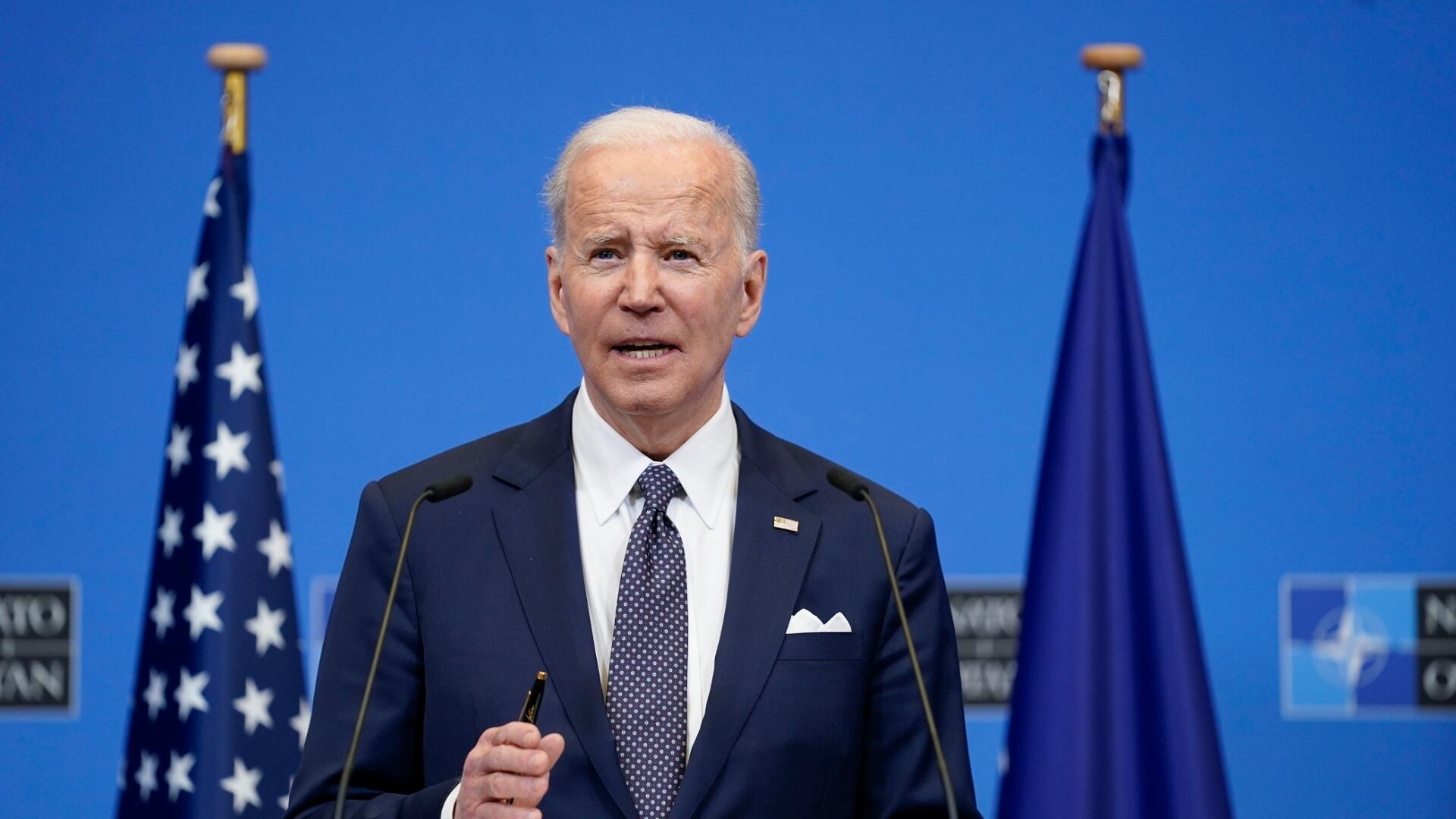
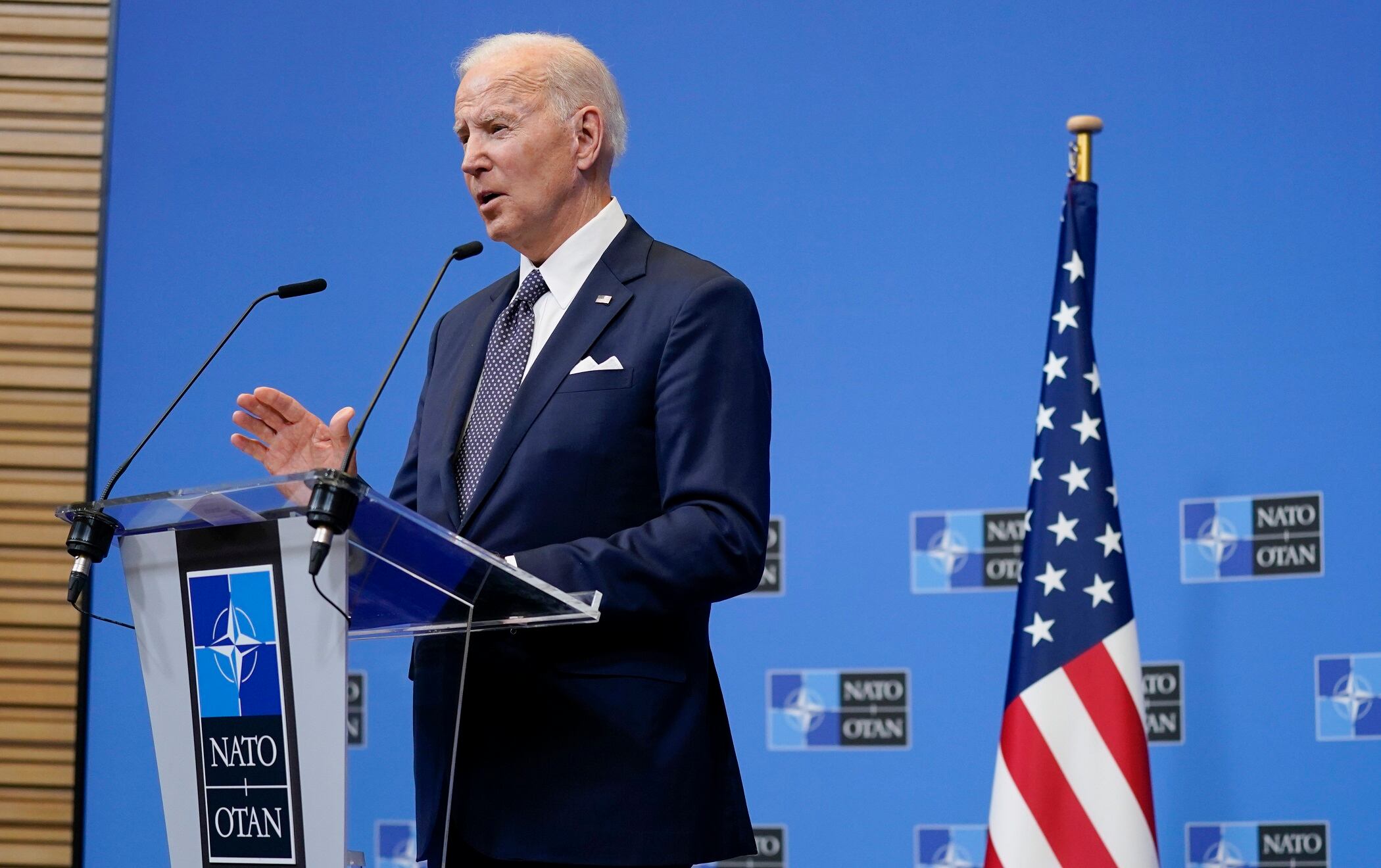
As President Biden travels to Europe this week amid Russia's ongoing invasion of its neighbor Ukraine, former Obama campaign foreign policy advisor and former Bush administration State Department official David Tafuri, joined Cheddar News to discuss the president's stop in Brussels, Belgium, to coordinate with NATO leaders efforts to dissuade Russian President Putin's war. "The maintenance of sanctions and increasingly ratcheting up the sanctions is what he thinks will cause a country like Russia to back off," Tafuri said of Biden. "And so he's committed to that strategy."
John Logan, Director of Labor and Employment Studies at San Francisco State University, joined Cheddar News to discuss the growing unionization push by employees at Starbucks and Amazon, and the wider implications of employee organization at these big companies.
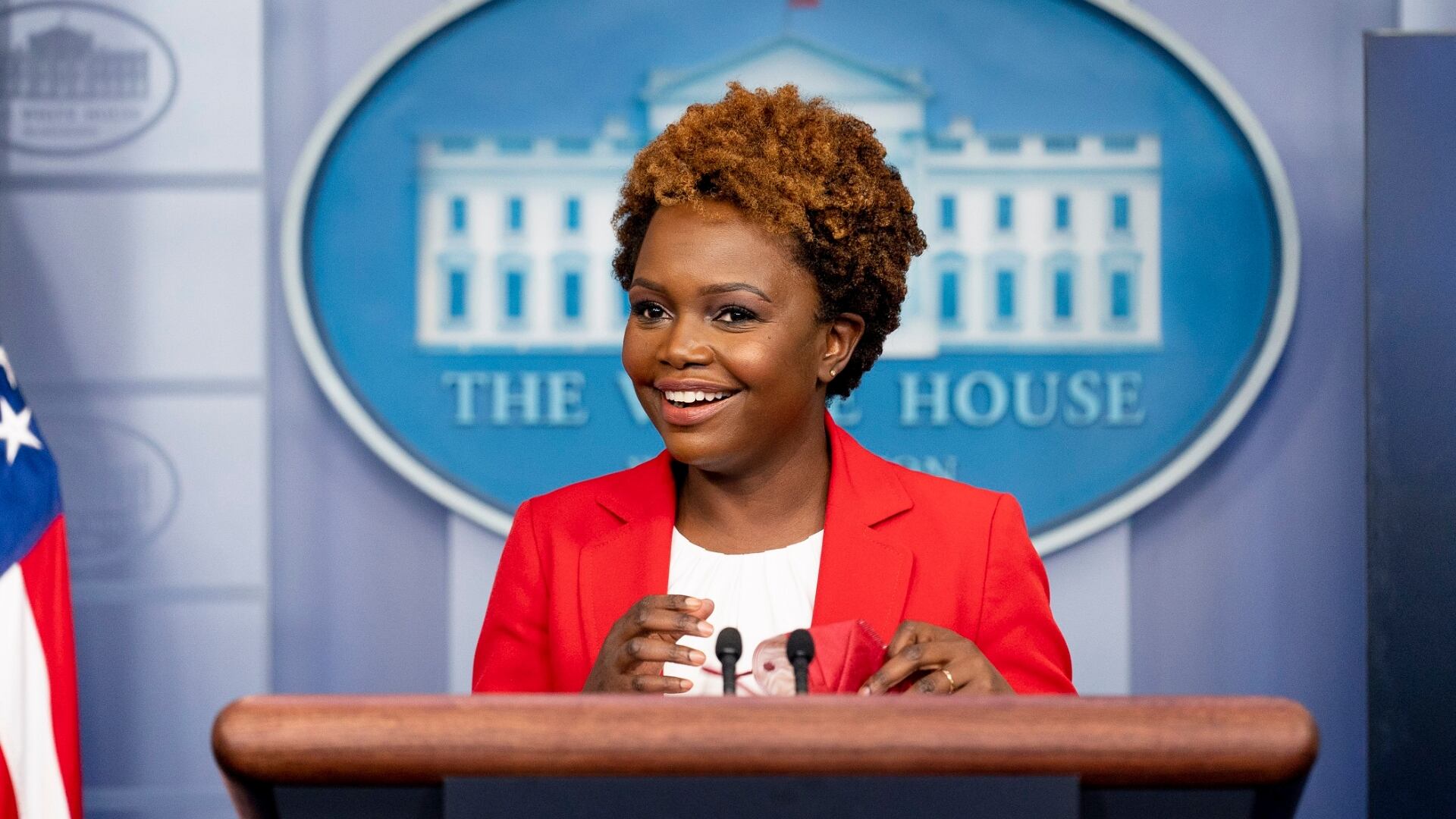
Cheddar's Arielle Hixson sat down with five Black women making history as part of the Biden administration's communications team. Karine Jean-Pierre, the principal deputy press secretary; Khanya Brann, the chief of staff to Kate Bedingfield; Amanda Finney, the chief of staff to Jen Psaki; Erica Loewe, the director of African American media; and Rykia Dorsey, the senior regional communications director, shared their stories.
President Biden has embarked on a crucial trip to meet with allies in Belgium and Poland to discuss new sanctions on Russia as it continues to wage war on Ukraine. The president will seek to address the growing humanitarian crisis out of Ukraine, demonstrate a united Western front against Russia, and reassure Ukraine that it has support from the U.S. Joel Rubin, Former Deputy Assistant Secretary of State & President of the Washington Strategy Group, breaks down what to expect from the President's crucial visit to Europe.
Catching you up on what you need to know Mar 24, 2022, with NATO meeting updates, Ukraine retaking suburbs around Kyiv, the spread of omicron subvariant BA.2 in China, Google Pay launching a third-party billing option, and a 16-year-old is suspected of being the Lapsus$ mastermind behind hacks of Microsoft and others.
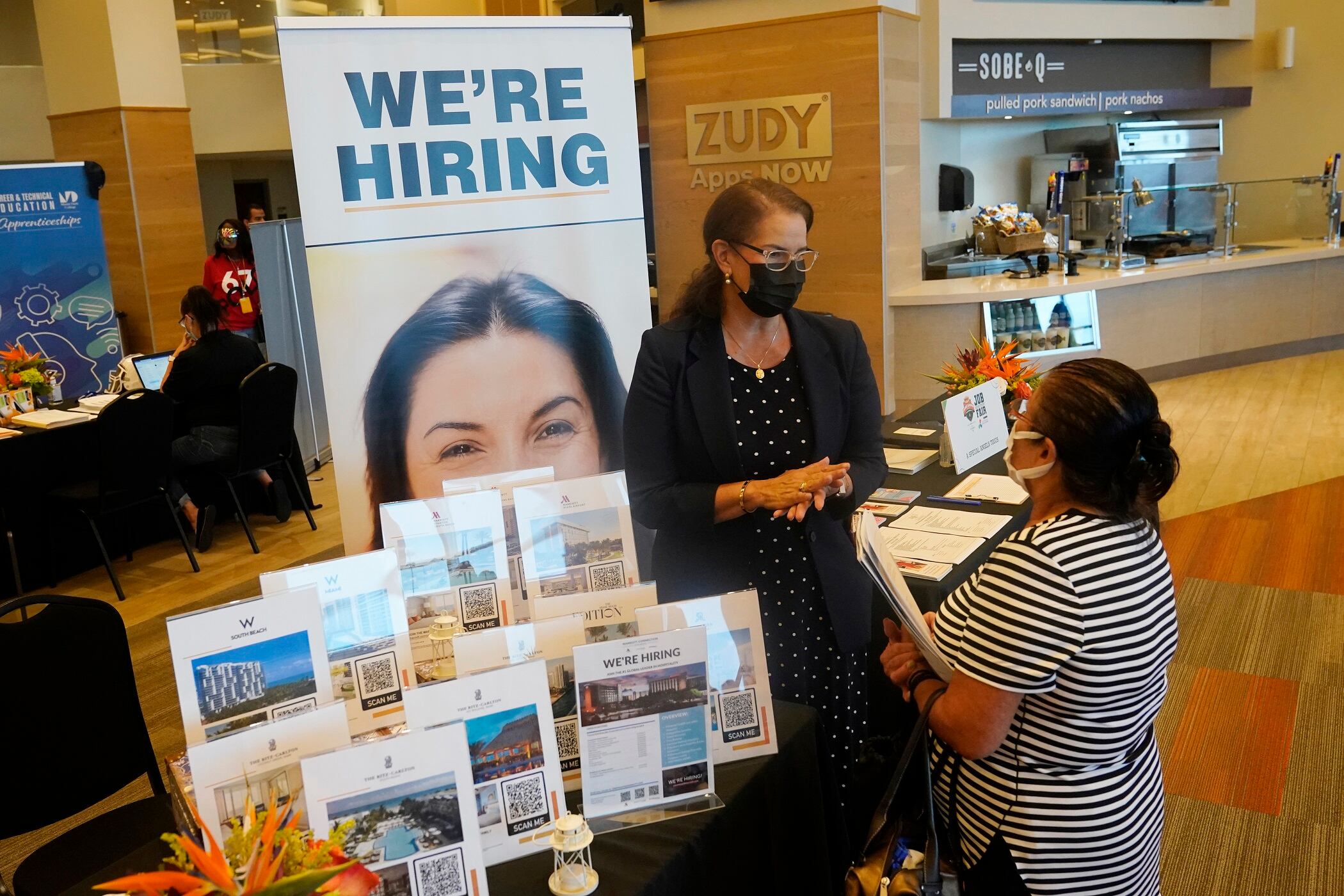
The number of Americans applying for unemployment benefits last week fell to its lowest level in 52 years as the U.S. job market continues to show strength in the midst of rising costs and an ongoing virus pandemic.
Alicia Garza joined Cheddar News to talk about the Black Futures Lab where serves as founder and principal. The non-profit organization seeks to develop grassroots power in the Black community with projects like the Black Census, which takes into account the granular experiences of the demographic. "What we know about Black folks and the reason that we decided to focus on black communities again, it's because we're being left out and left behind their stories being told about us without our input and without our shaping," she said. "If we want a robust democracy in this country, we have to change that equation." Garza also touched on issues around voter suppression and the midterm elections.
Sean O'Hara, President of Pacer ETF's, explains why investors who were down after Jerome Powell's remarks on inflation Monday were more optimistic on Tuesday as the major indexes ended the day near session highs.