The Trump administration last week rescinded a Obama-era rule that asked HUD recipients to measure and consider fixes to racial segregation in their communities.
President Donald Trump then followed up the decision with a tweet that critics say was an explicit appeal to white, suburban voters.
"His tweet was aimed at a strategy of appealing to racial resentment and really people's worst ideas about how our communities should be structured," David Sanchez, director of research and development for the National Community Stabilization Trust, told Cheddar. "Attitudes like that are a big reason why we have such severe segregation by race, class, and opportunity in this country, and unfortunately the president is trying to use those fears to benefit himself politically."
The loss of the rule itself has gotten less attention, in part due to its low profile as more of a regulatory tweak than an aggressive federal policy.
The Affirmatively Furthering Fair Housing Rule that Trump's HUD eliminated asked municipalities and housing authorities to account for racial bias in their communities by writing a report and issuing recommendations, but it did not force municipalities to address segregation directly.
"It was about gathering data," Sanchez said. "It was about getting people talking about segregation. But it wasn't about forcing communities to do anything."
In the long-term, though, he added that cutting the rule will only contribute to the ongoing economic divide between the suburbs and cities.
"It's going to continue to concentrate economic resources, social privilege in certain people who can afford to live in high-opportunity communities," Sanchez said. "In the same way the COVID crisis has supercharged inequality in this country, this is just another step in that direction."
Thousands of cryptocurrency enthusiasts are gathering in Miami as the city builds its reputation as one of the key locations to develop the blockchain technology despite its underdog status.
Catching you up on what you need to know on April 7, 2022, with updates on Ukraine urging NATO for military aid for their war with Russia, the SEC investigating Amazon, microplastics being found deep inside human lungs for the first time, and more.
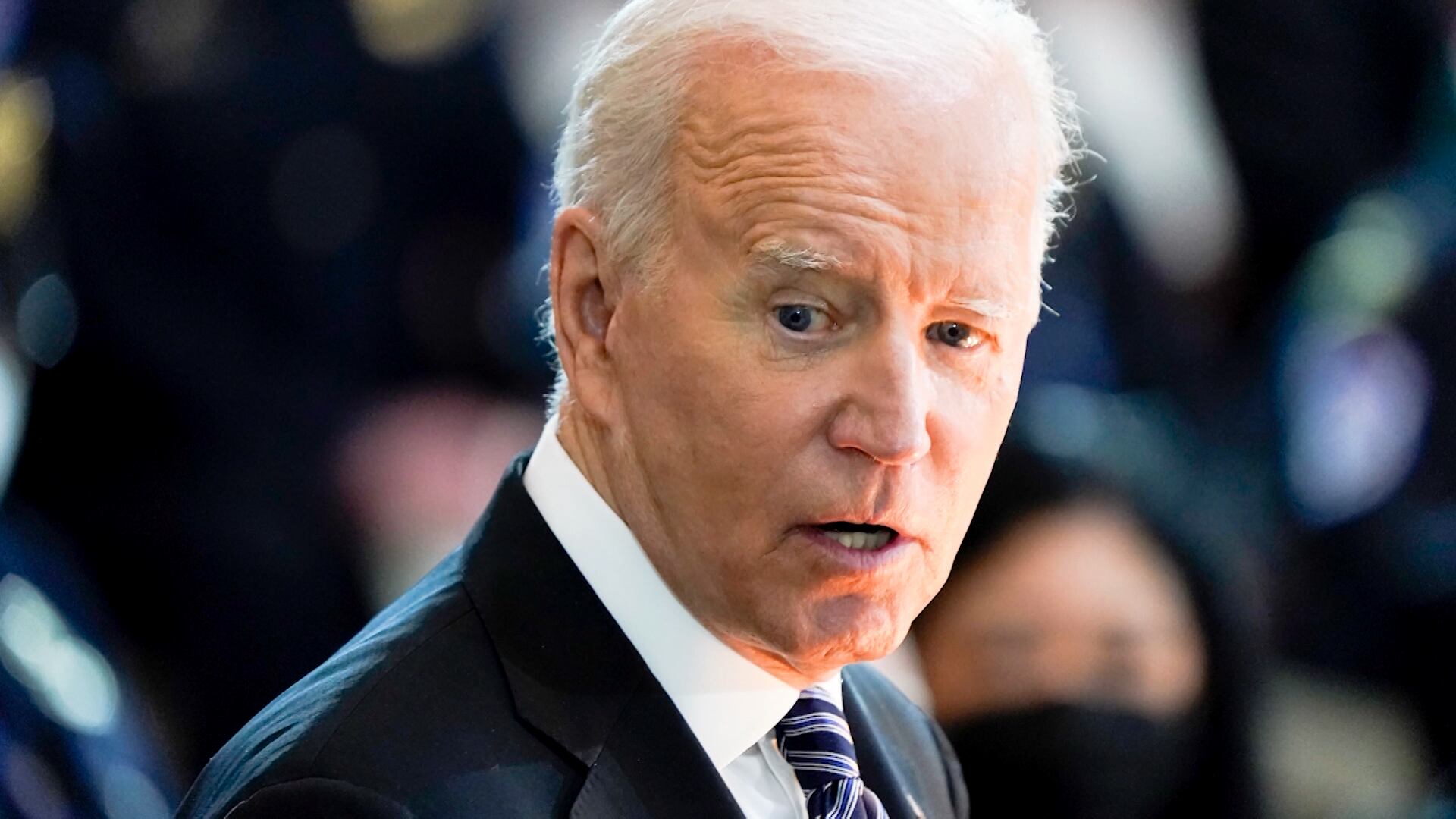
President Biden is trying to help Americans at the pump by tapping into U.S. oil reserves in an unprecedented way. He also announced several steps to punish oil companies. Lisa Whalen, automotive and mobility analyst at Morning Consult, joins Cheddar News to discuss.
U.S. markets closed higher to end Monday's session, with tech stocks leading the advance. Gene Goldman, Chief Investment Officer at Cetera Financial Group, joins Cheddar News' Closing Bell to discuss the potential future of the major U.S. indexes, and how factors like policy moves from the federal reserve and the ongoing Ukraine-Russia war could impact volatility.
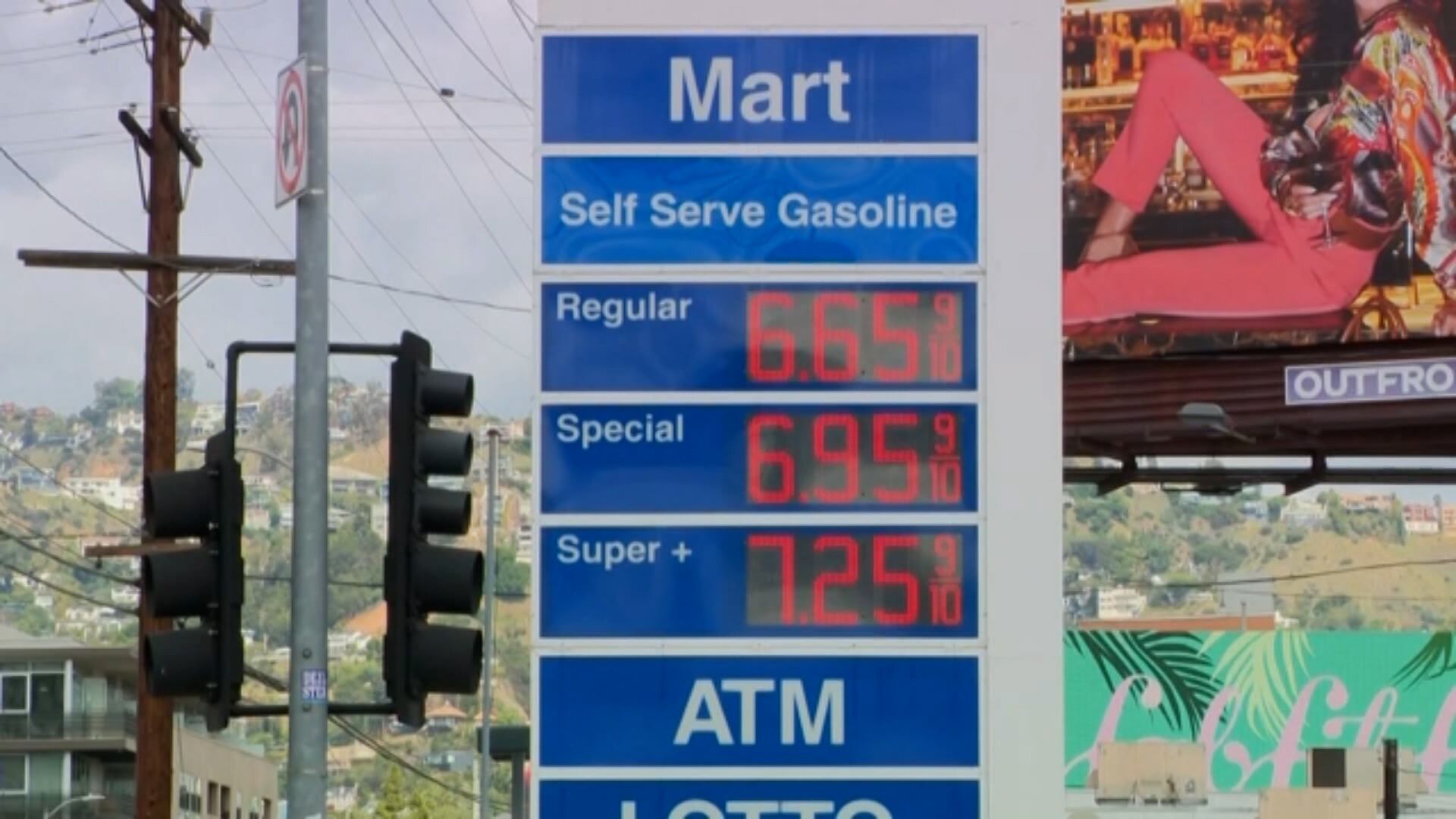
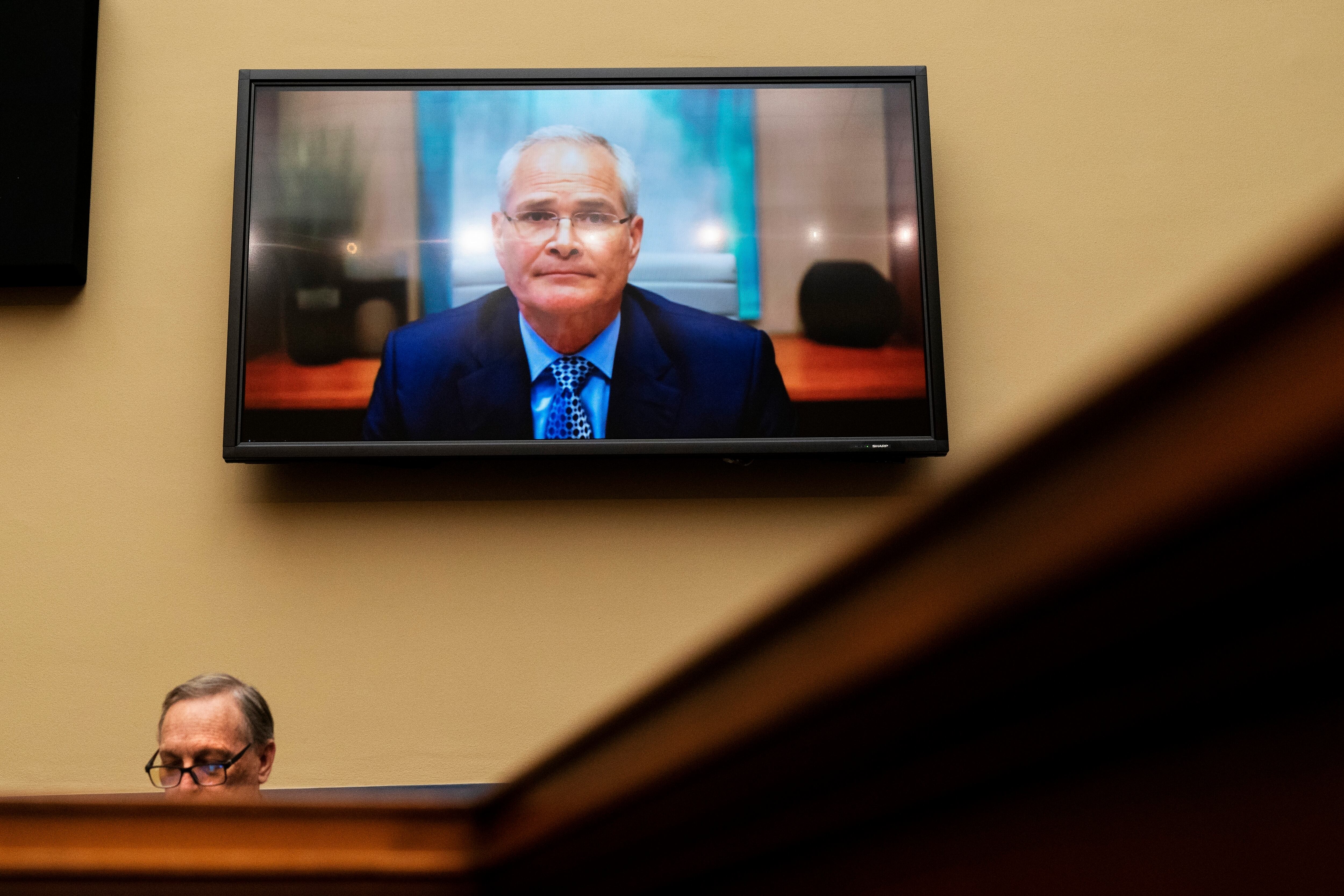
Prices at the pump have soared in recent months, and House Democrats pointed the finger at Big Oil on Wednesday during an adversarial congressional hearing.
Catching you up on what you need to know on April 6, 2022, with updates on the FDA’s meeting to discuss a second COVID booster shot, more on the war in Ukraine, tornadoes on the Gulf coast, a third suspect arrested in connection to the mass shooting in California, Darwin’s lost notebooks mysteriously returned, and more.
Capitol Hill has a fox problem. And that’s not the lead-in to a joke. Rep. Ami Bera, D-Calif., learned firsthand Monday evening while walking to the Capitol for votes.
Ukrainian President Volodymyr Zelenskyy has told the U.N. Security Council that the Russian military must be brought to justice immediately for war crimes.