The Trump administration last week rescinded a Obama-era rule that asked HUD recipients to measure and consider fixes to racial segregation in their communities.
President Donald Trump then followed up the decision with a tweet that critics say was an explicit appeal to white, suburban voters.
"His tweet was aimed at a strategy of appealing to racial resentment and really people's worst ideas about how our communities should be structured," David Sanchez, director of research and development for the National Community Stabilization Trust, told Cheddar. "Attitudes like that are a big reason why we have such severe segregation by race, class, and opportunity in this country, and unfortunately the president is trying to use those fears to benefit himself politically."
The loss of the rule itself has gotten less attention, in part due to its low profile as more of a regulatory tweak than an aggressive federal policy.
The Affirmatively Furthering Fair Housing Rule that Trump's HUD eliminated asked municipalities and housing authorities to account for racial bias in their communities by writing a report and issuing recommendations, but it did not force municipalities to address segregation directly.
"It was about gathering data," Sanchez said. "It was about getting people talking about segregation. But it wasn't about forcing communities to do anything."
In the long-term, though, he added that cutting the rule will only contribute to the ongoing economic divide between the suburbs and cities.
"It's going to continue to concentrate economic resources, social privilege in certain people who can afford to live in high-opportunity communities," Sanchez said. "In the same way the COVID crisis has supercharged inequality in this country, this is just another step in that direction."
Christine McDaniel, Senior Research Fellow at the Mercatus Center, joined Cheddar News' Closing Bell to break down the long list of sanctions that the U.S. has levied against Russia since its invasion of Ukraine, and the impact - or lack thereof - they are having on Russia.
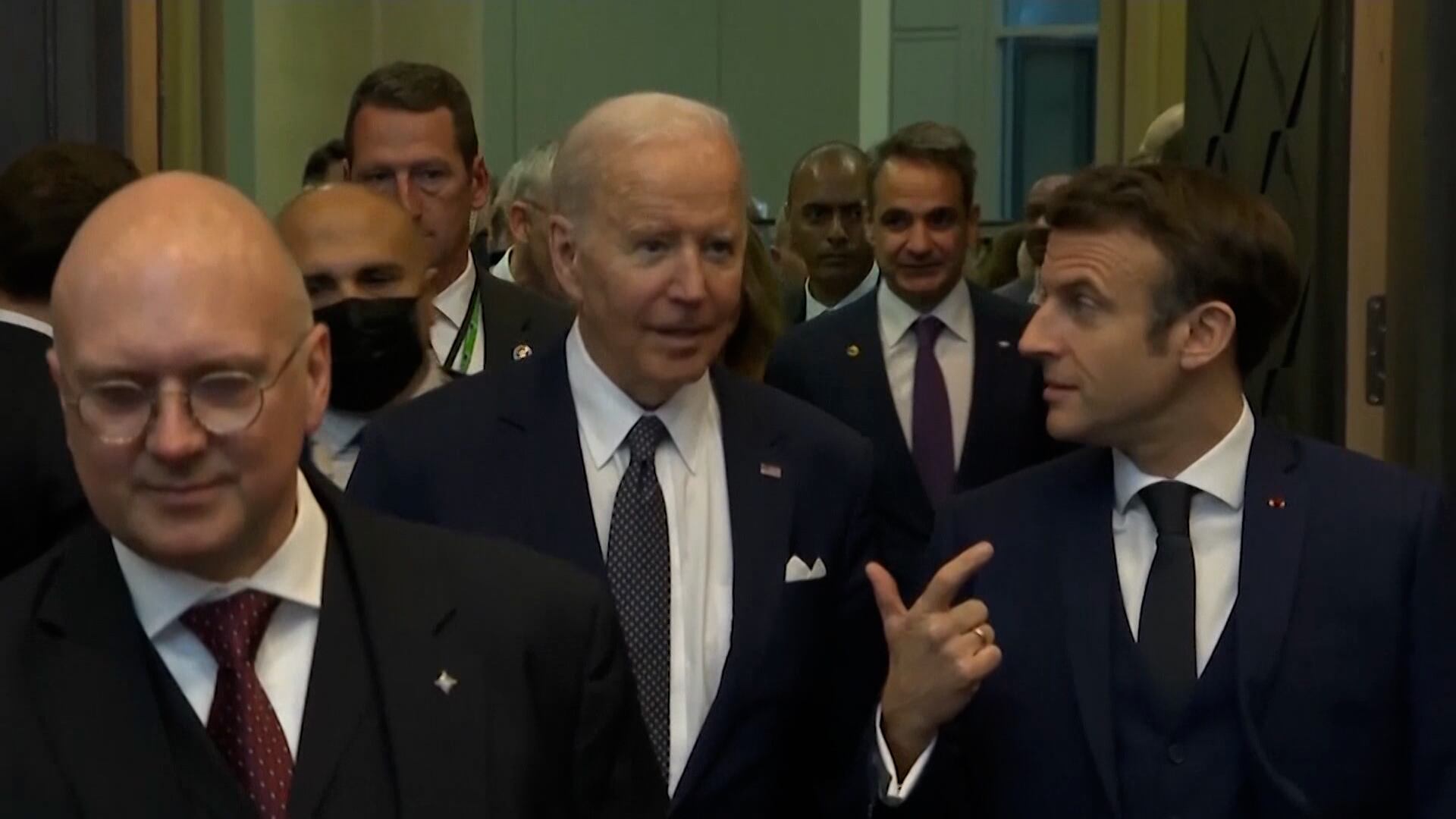
President Joe Biden is taking fresh aim at “ghost guns" and also announced the nomination of Steve Dettlebach, who served as a U.S. attorney in Ohio from 2009 to 2016, to run the ATF.
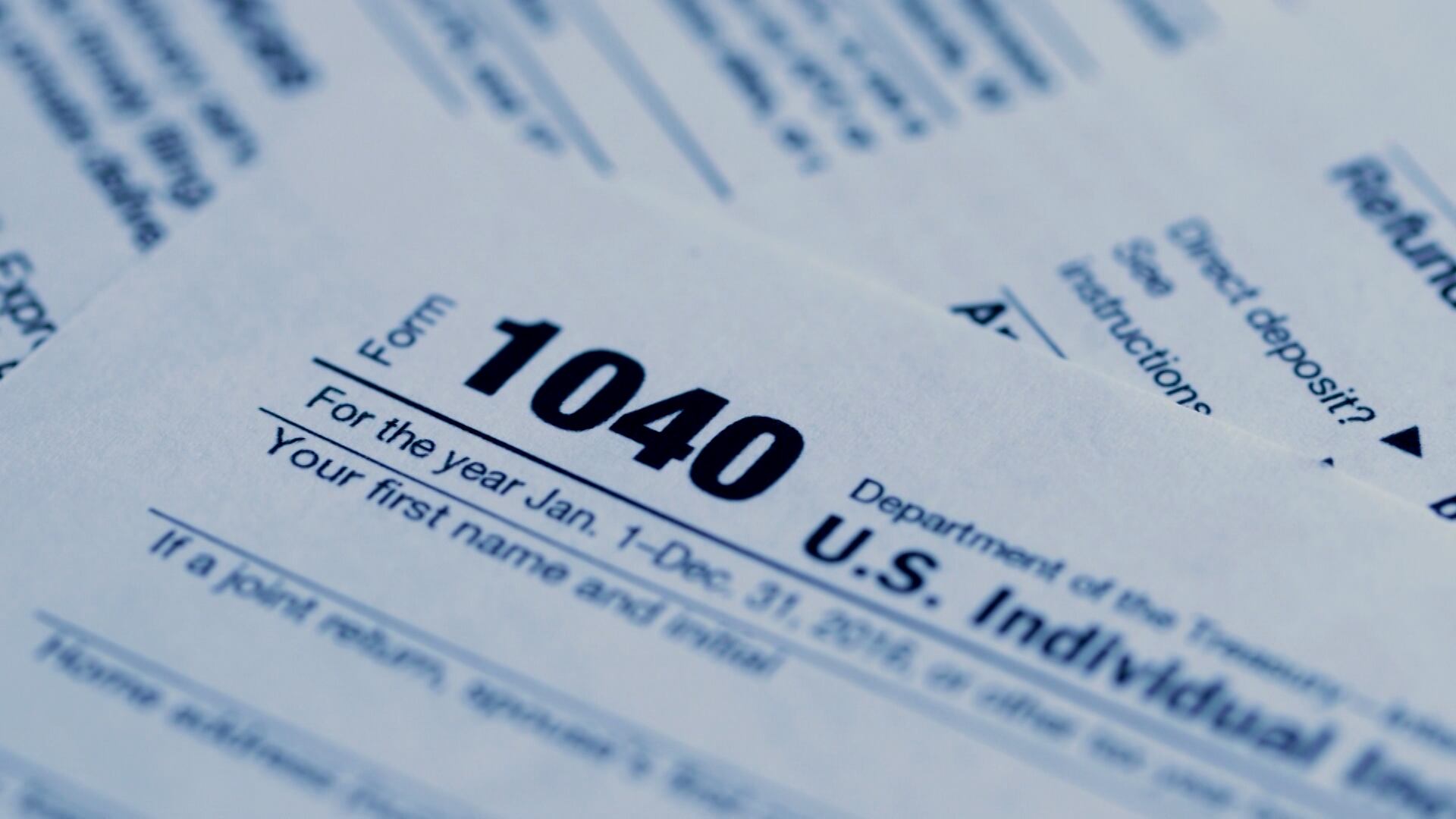
Stefanie O'Connell Rodriguez joined Cheddar's Opening Bell to discuss her newest mini-series on REAL SIMPLE's Money Confidential podcast, called 'Taxes in 10.'
As the Russian invasion of Ukraine continues, social media giant Meta said that it's using its technology to help the beleaguered nation Erin Egan, chief privacy officer, and Andrew Schroeder, vice president of research and analysis for direct relief, joined Cheddar News to discuss using data towards humanitarian relief. "Our goal with the program is to help organizations on the ground by sharing privacy-protected data sets to enable them to respond to crisis," Egan explained.
Catching you up on what you need to know on April 11, 2022, with updates on the Russia-Ukraine War, France’s presidential election, the record deforestation of the Amazon Rainforest, retail giant Amazon's objection to the Staten Island union vote, the worsening baby formula shortage, a lawsuit against Rutgers Law School, and a stomach illness possibly linked to Lucky Charms cereal.
Between Bells executive producer Conor White recaps some of the biggest stories of the week, and teaches Baker Machado and Hena Doba a thing or two at the same time. It's This Week In Trivia!
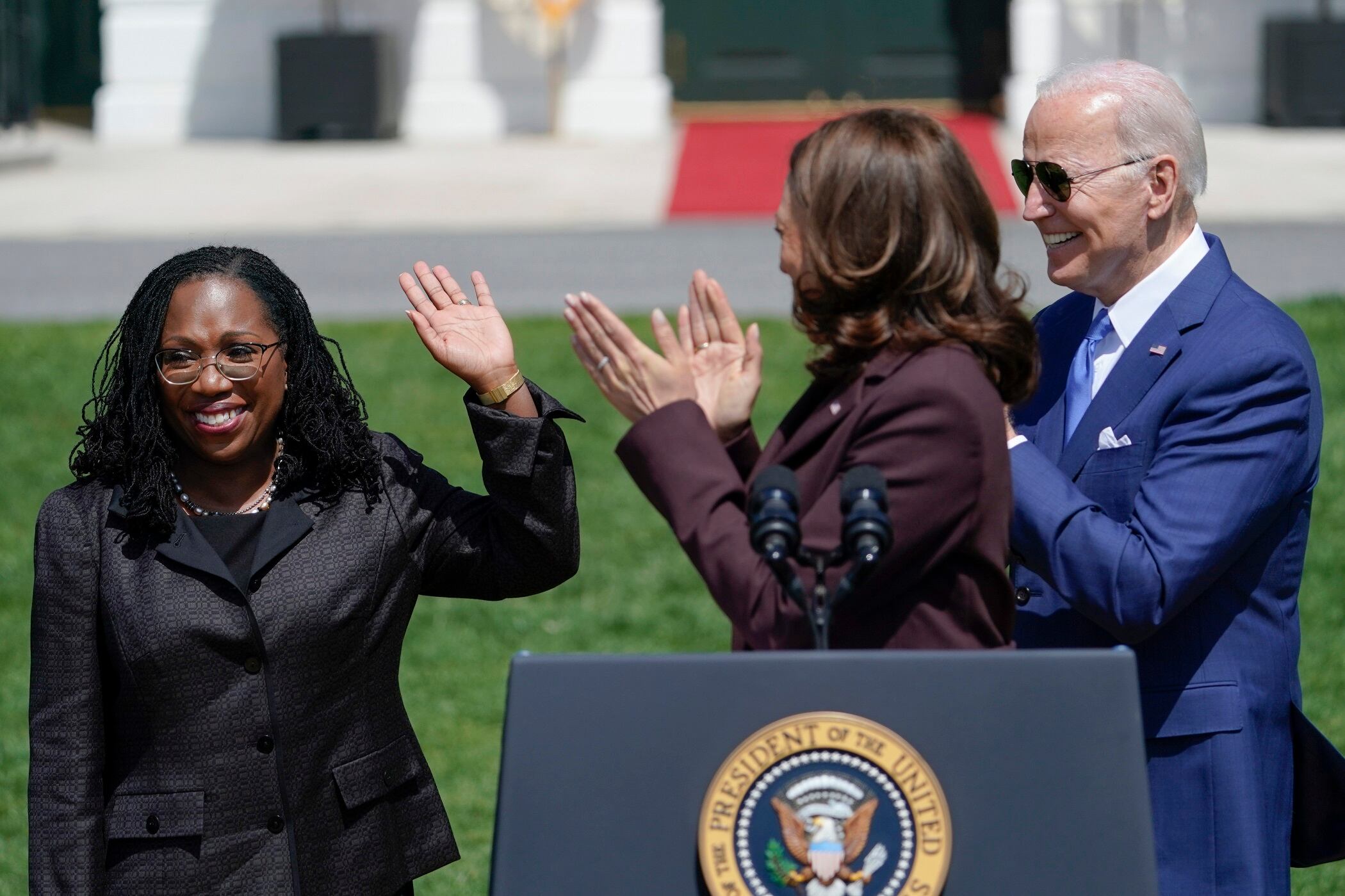
Tearfully embracing a history-making moment, Judge Ketanji Brown Jackson said Friday her confirmation as the first Black woman to the Supreme Court showed the progress of America.