The Trump administration last week rescinded a Obama-era rule that asked HUD recipients to measure and consider fixes to racial segregation in their communities.
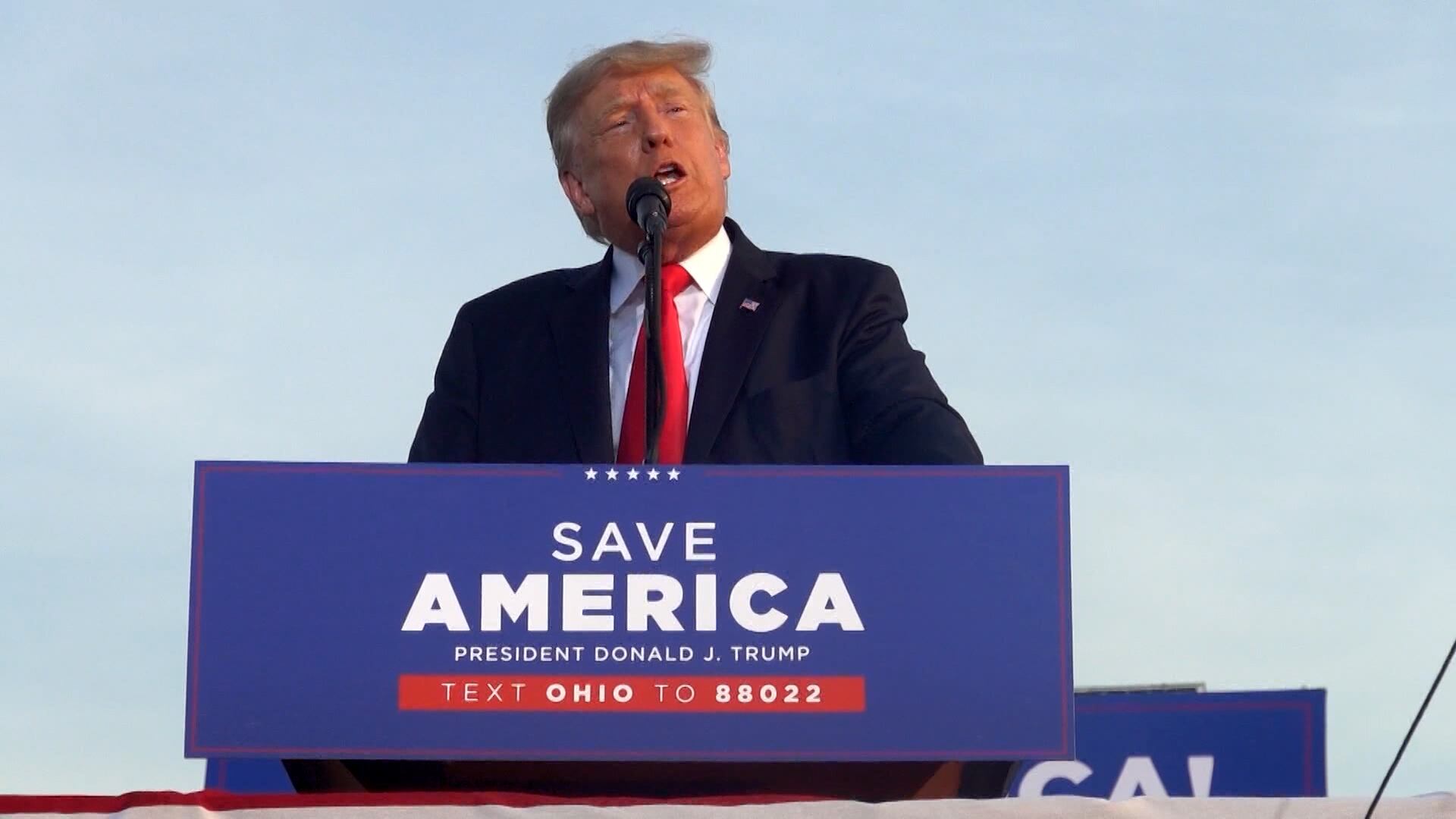
President Donald Trump then followed up the decision with a tweet that critics say was an explicit appeal to white, suburban voters.
"His tweet was aimed at a strategy of appealing to racial resentment and really people's worst ideas about how our communities should be structured," David Sanchez, director of research and development for the National Community Stabilization Trust, told Cheddar. "Attitudes like that are a big reason why we have such severe segregation by race, class, and opportunity in this country, and unfortunately the president is trying to use those fears to benefit himself politically."
The loss of the rule itself has gotten less attention, in part due to its low profile as more of a regulatory tweak than an aggressive federal policy.
The Affirmatively Furthering Fair Housing Rule that Trump's HUD eliminated asked municipalities and housing authorities to account for racial bias in their communities by writing a report and issuing recommendations, but it did not force municipalities to address segregation directly.
"It was about gathering data," Sanchez said. "It was about getting people talking about segregation. But it wasn't about forcing communities to do anything."
In the long-term, though, he added that cutting the rule will only contribute to the ongoing economic divide between the suburbs and cities.
"It's going to continue to concentrate economic resources, social privilege in certain people who can afford to live in high-opportunity communities," Sanchez said. "In the same way the COVID crisis has supercharged inequality in this country, this is just another step in that direction."
The ongoing war in Ukraine and the Fed's hawkish stance toward reining in inflation might be causing a frenzy among investors. Craig Erlam, a senior market analyst at foreign exchange OANDA, joined Cheddar News to talk about the current "mixed bag" markets. "It's hard to read too much into it. These are just the market conditions we have right now," he said. "Ultimately we're a little directionless at times overall, but these intraday moves are causing a lot of volatility this week."
Catching you up on what you need to know on April 29, 2022, with President Biden asking Congress for a $33 billion aid package for Ukraine, a shrinking GDP potentially leading to a recession, Beijing banning weddings and funerals while closings schools amid COVID, and more.
Buying a new home is tough right now; but for first-time buyers, it's an especially challenging time, with obstacles like rising mortgage rates and record-breaking home prices. The housing market is not expected to get much friendlier, as mortgage rates are expected to continue to climb as the Federal Reserve proceeds with its plans for rate hikes in an effort to stifle inflation. Jonathan Miller, President and CEO of real estate appraiser Miller Samuel, joins Cheddar News' Closing Bell to discuss.
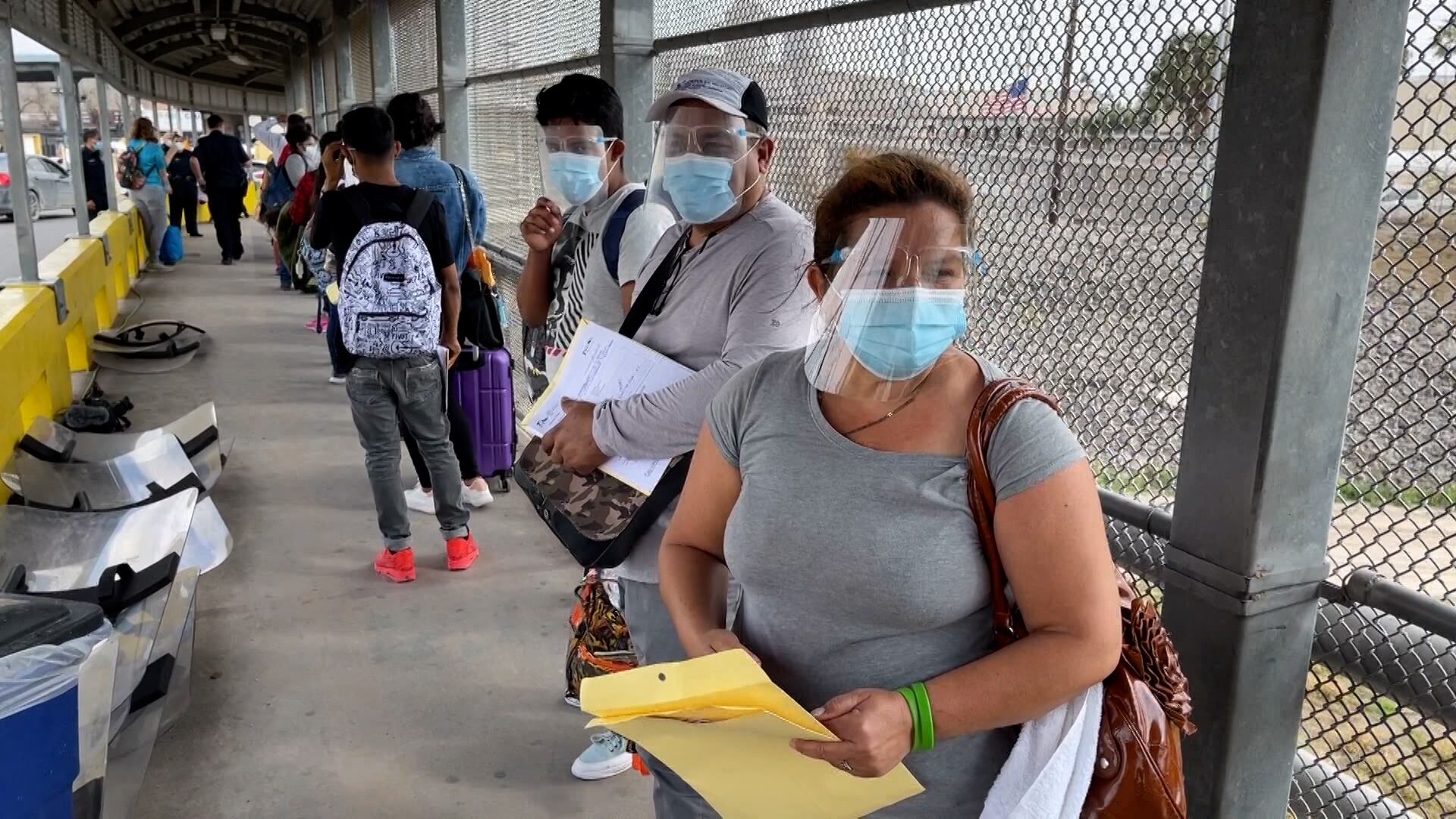
Tyler Moran, former senior adviser to President Biden on migration, joins Cheddar Politics to discuss the recent controversy around the administration's decision to end the use of Title 42, a public health order allowing the U.S. to expel migrants without going through the asylum process.
Christian Heyne, vice president of policy at the gun safety group Brady, joins Cheddar Politics to discuss President Biden's executive action on so-called "ghost guns," and to reflect on the Brooklyn subway shooting.
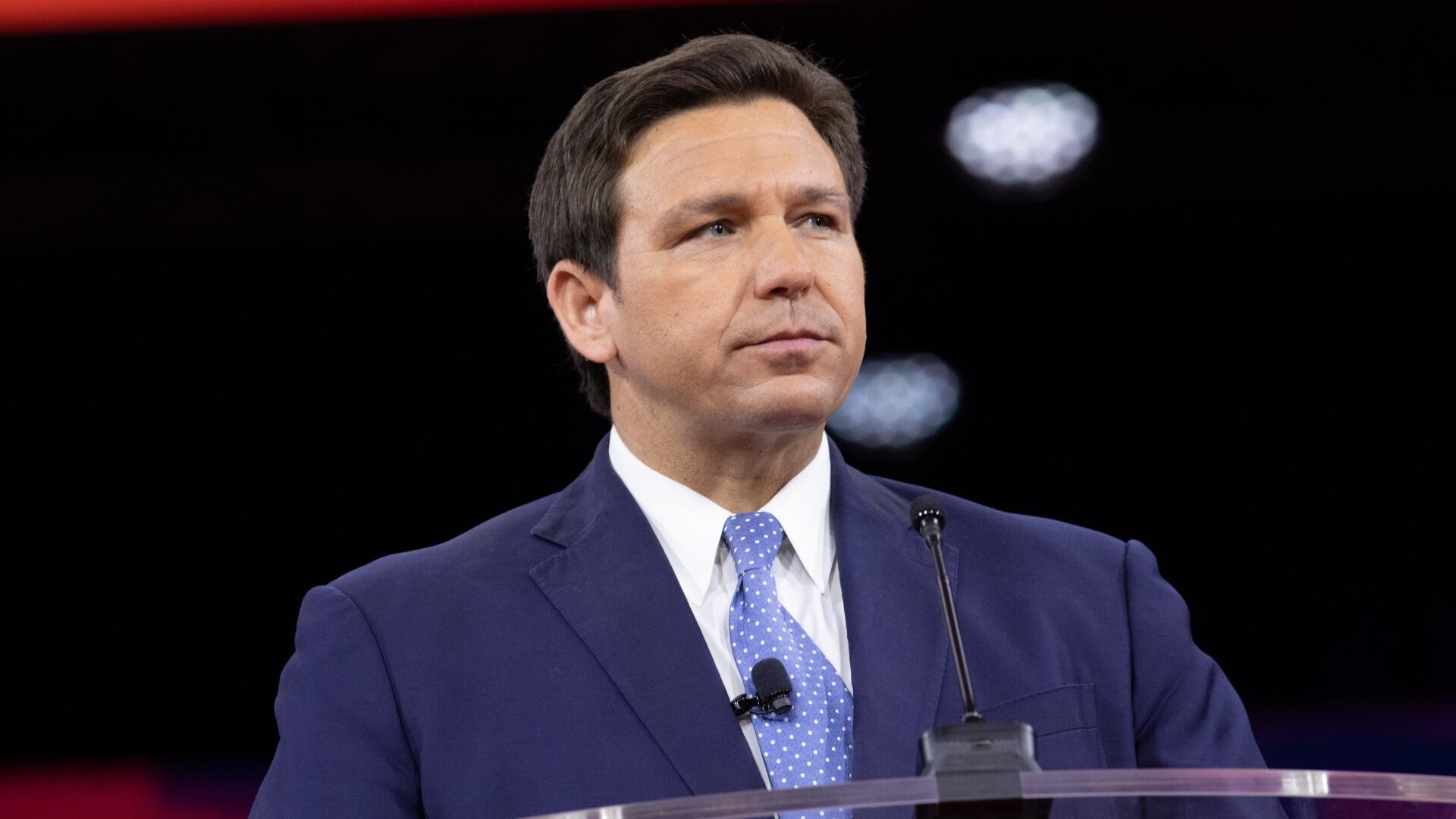
Jasmine Burney-Clark, founder of Equal Ground Education Fund and Action Fund, joins Cheddar Politics to discuss the redistricting process in Florida, and how the state's Republican Gov. Ron DeSantis proposed a map reducing the power of Black Floridians.
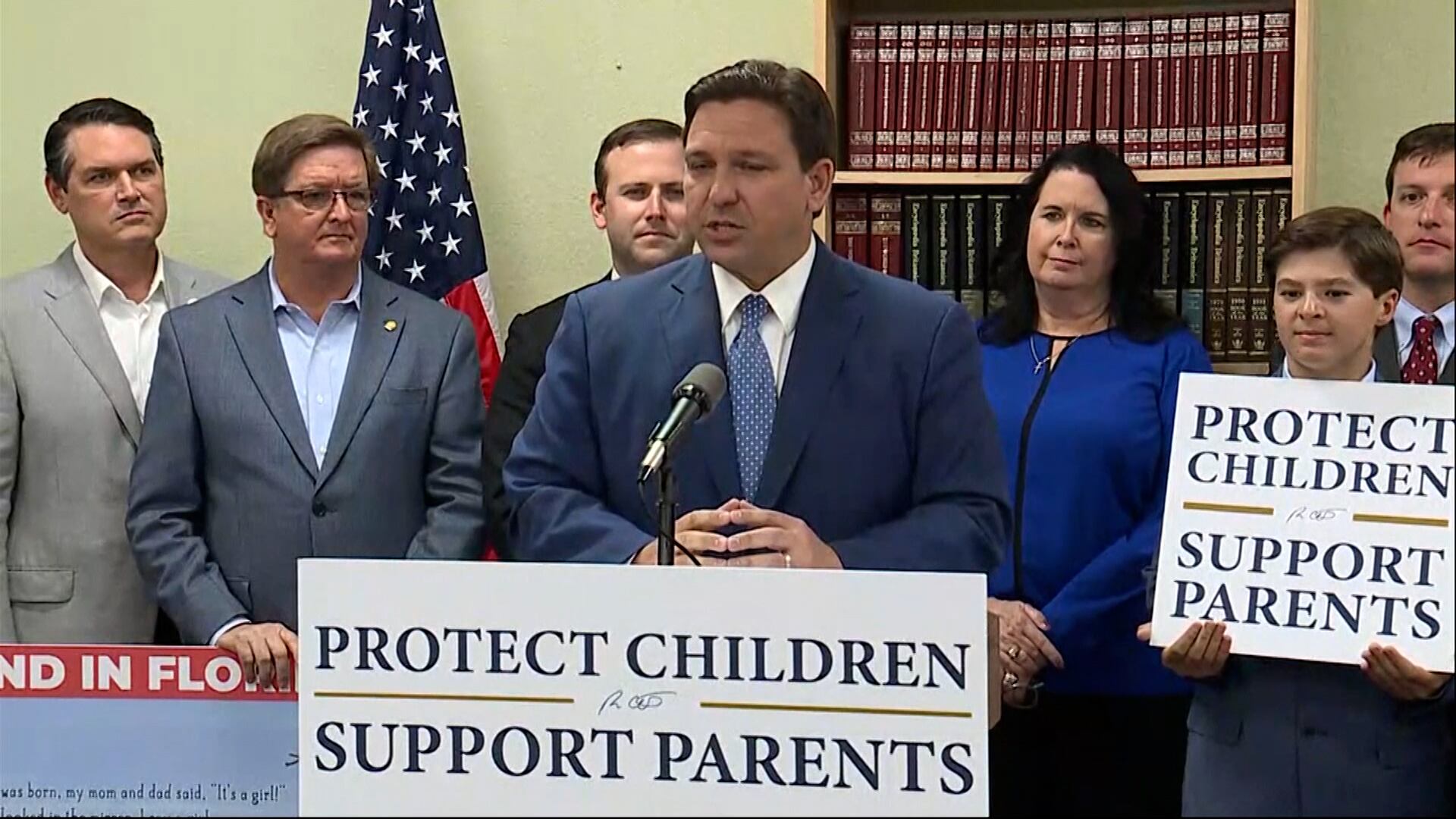
Ryan Thoreson, an LGBT rights researcher at Human Rights Watch, joins Cheddar Politics to discuss claims of grooming made by Republican politicians during efforts to pass so-called 'Don't Say Gay' bills.
Zachary Petrizzo, media reporter at The Daily Beast, joins Cheddar Politics to discuss former President Trump's endorsement of Dr. Oz in the U.S. Senate race in Pennsylvania, and why some parts of the MAGA base are unhappy about it.
Larry Sharpe, libertarian candidate for New York governor, joins Cheddar Politics to talk about the issues motivating his campaign. The discusses his endorsement from the progressive Forward party founded by former presidential candidate Andrew Yang, and changes that can be made to voting systems.