The Trump administration last week rescinded a Obama-era rule that asked HUD recipients to measure and consider fixes to racial segregation in their communities.
President Donald Trump then followed up the decision with a tweet that critics say was an explicit appeal to white, suburban voters.
"His tweet was aimed at a strategy of appealing to racial resentment and really people's worst ideas about how our communities should be structured," David Sanchez, director of research and development for the National Community Stabilization Trust, told Cheddar. "Attitudes like that are a big reason why we have such severe segregation by race, class, and opportunity in this country, and unfortunately the president is trying to use those fears to benefit himself politically."
The loss of the rule itself has gotten less attention, in part due to its low profile as more of a regulatory tweak than an aggressive federal policy.
The Affirmatively Furthering Fair Housing Rule that Trump's HUD eliminated asked municipalities and housing authorities to account for racial bias in their communities by writing a report and issuing recommendations, but it did not force municipalities to address segregation directly.
"It was about gathering data," Sanchez said. "It was about getting people talking about segregation. But it wasn't about forcing communities to do anything."
In the long-term, though, he added that cutting the rule will only contribute to the ongoing economic divide between the suburbs and cities.
"It's going to continue to concentrate economic resources, social privilege in certain people who can afford to live in high-opportunity communities," Sanchez said. "In the same way the COVID crisis has supercharged inequality in this country, this is just another step in that direction."
According to new research by Twitter, the social media platform algorithm amplifies content from the "political right" rather than those on the left. The company says this data comes as the platform has been taking the time to research the implications of its algorithm and whether or not it has caused any "unknown harm". President and CEO of Media Matters for America Angelo Carusone, joined Cheddar to discuss more.
Jill and Carlo cover the latest developments in the Alec Baldwin prop gun shooting, when vaccines for kids as young as 5 should be approved, new reporting on Facebook and more.
Dana Sussman, deputy executive director at the National Advocates for Pregnant Women, joined Cheddar News to talk about Brittney Poolaw, who was sentenced to four years in state prison for a miscarriage she suffered last year.
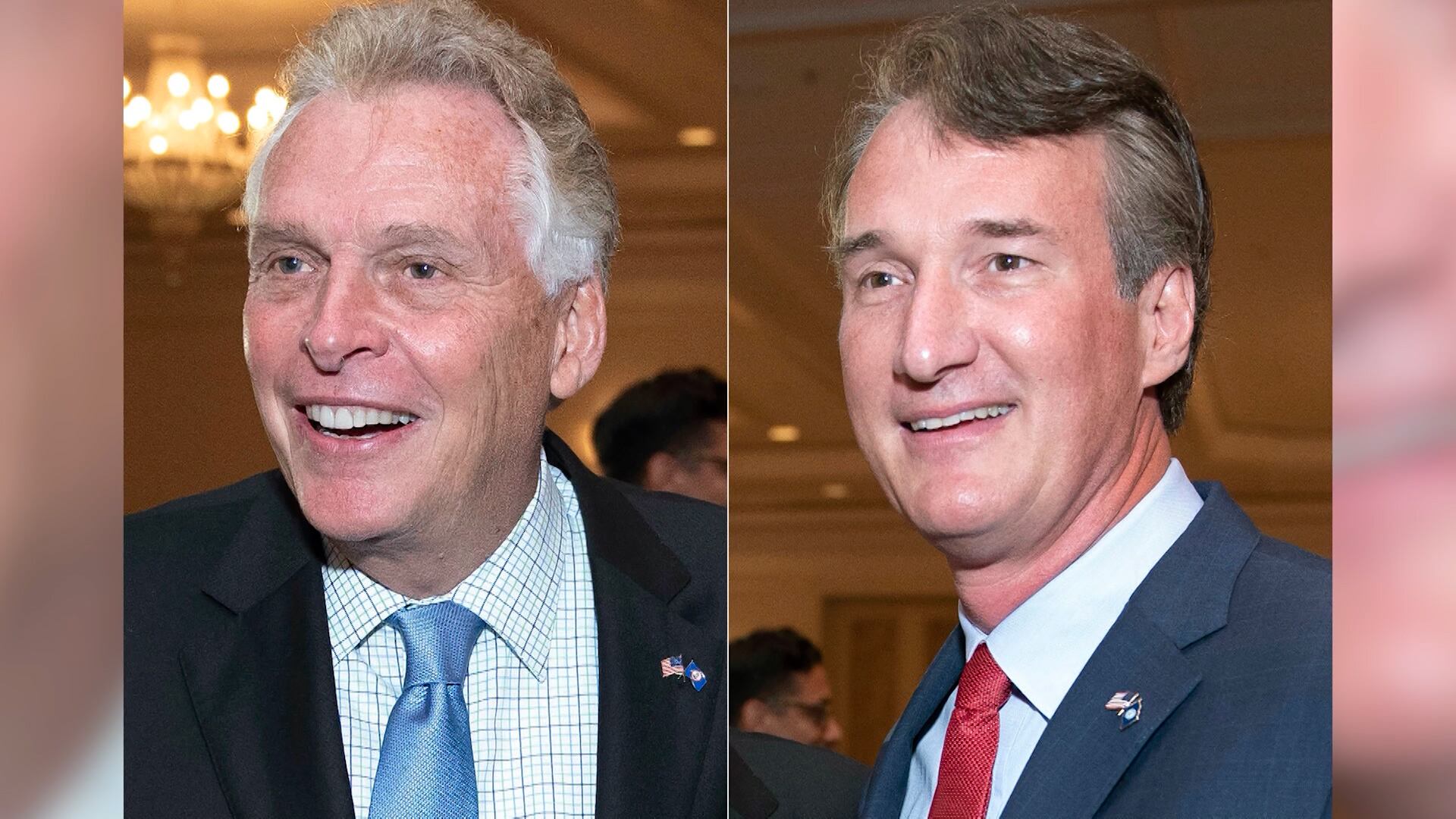
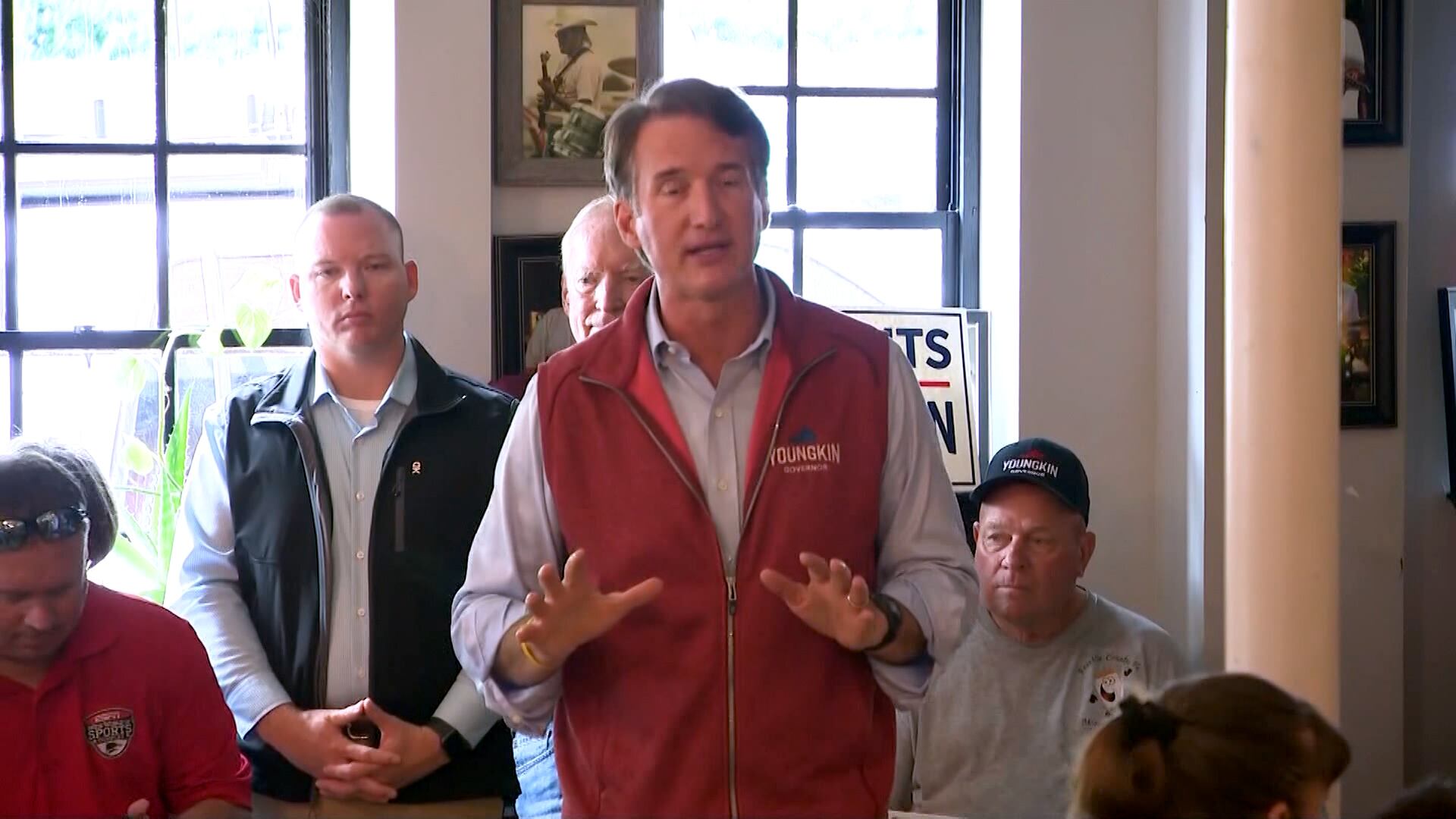
Despite Joe Biden having won the state of Virginia in 2021 by 10 points, the race between his fellow Democrat Terry McAuliffe and Donald Trump-endorsed Republican Glenn Youngkin has tightened considerably down to the wire. Dave Levinthal, the deputy Washington bureau chief for Insider, joined Cheddar to give his analysis of the bellwether gubernatorial race in the year before the midterm elections.
Laura Vozzella, local reporter for the Washington Post, joins Cheddar News to discuss the razor-thin edge Democrat Terry McAuliffe has over Republican candidate Glenn Youngkin in the 2021 Virginia gubernatorial election.
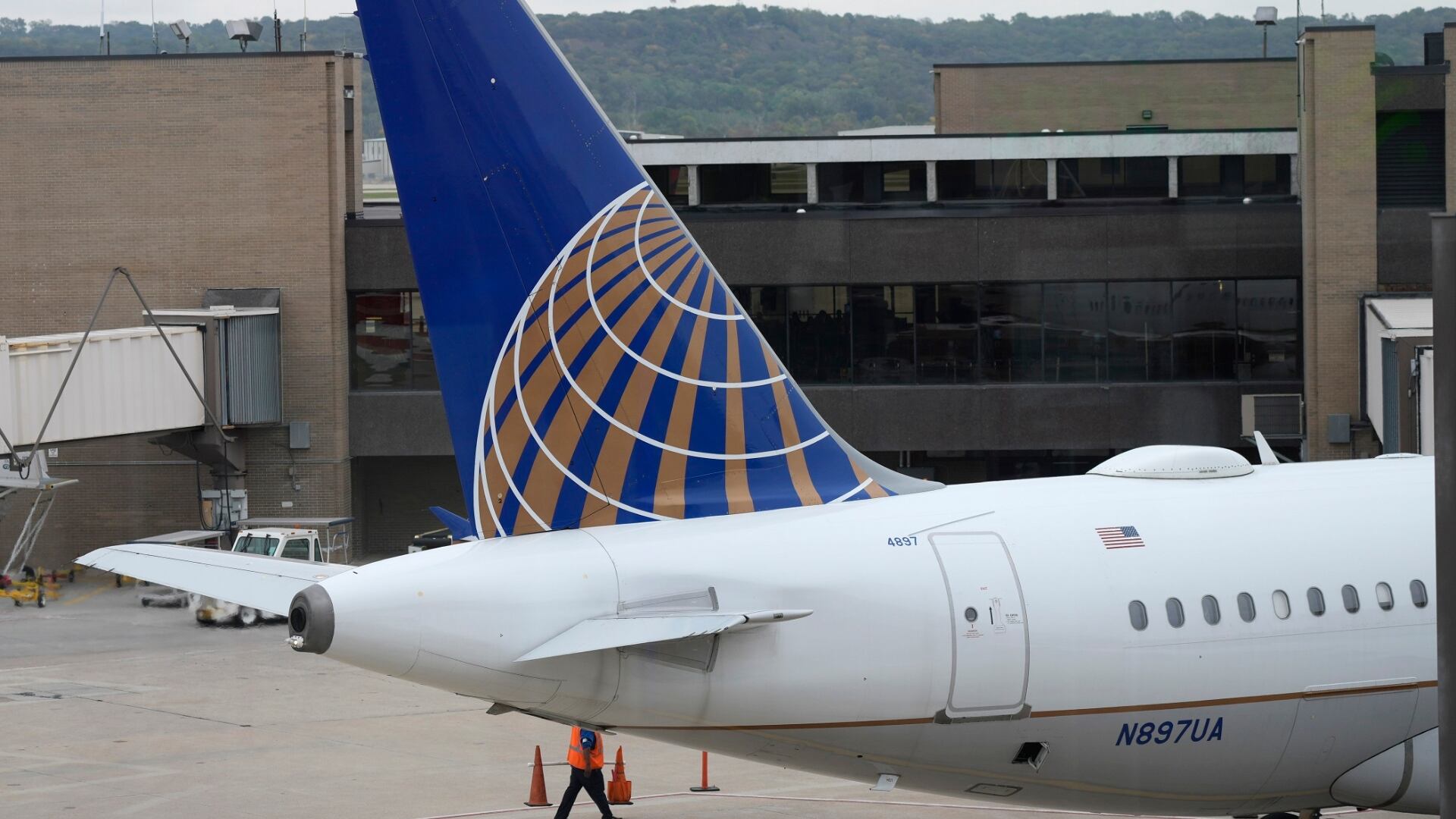
A judge has temporarily put on hold United Airlines' unpaid leave policy for workers who claimed either religious or medical exemptions from COVID vaccinations. Six workers filed a suit against the company, calling the policy unreasonable.
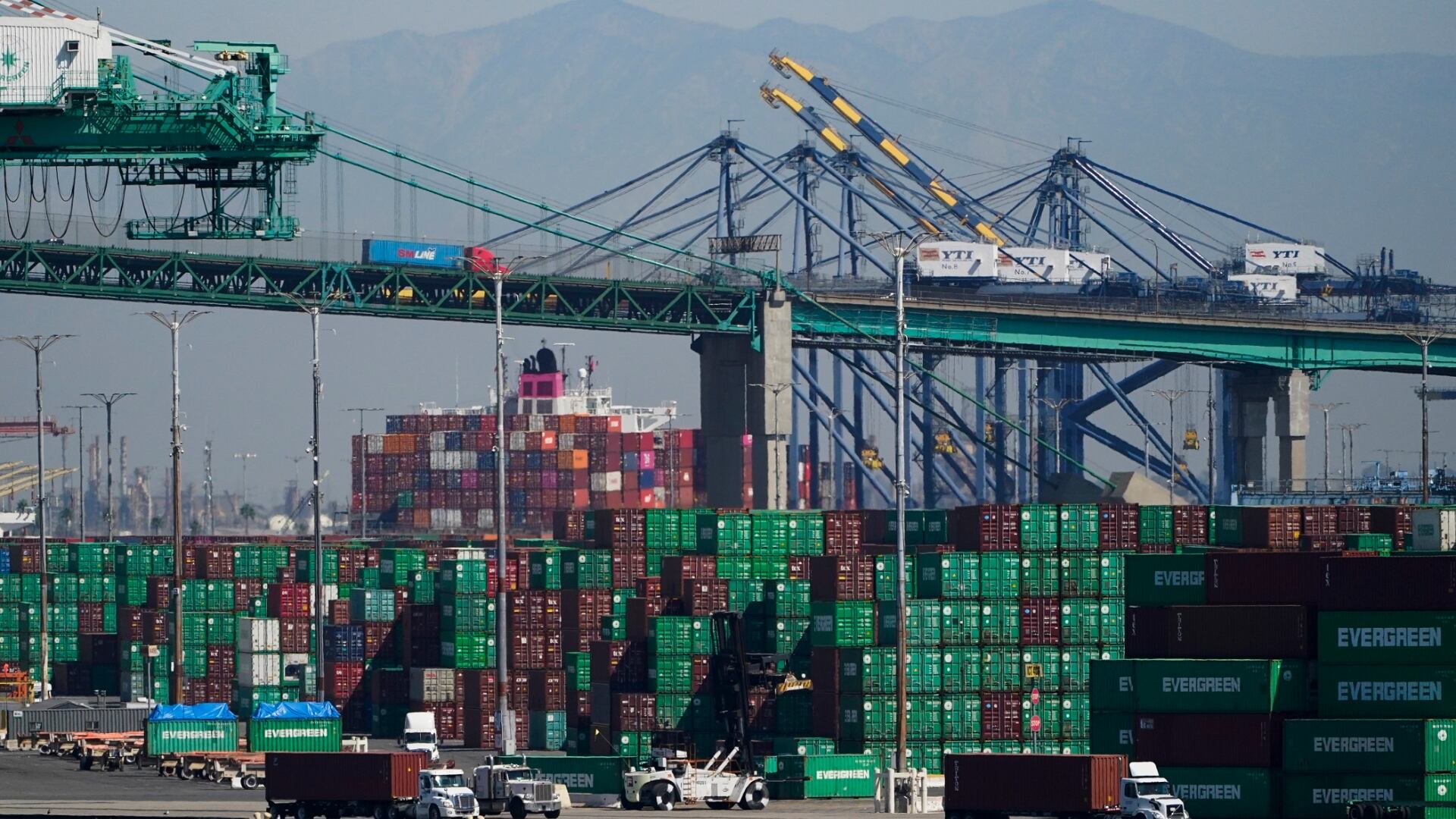
President Joe Biden took to the podium to discuss the deal that will keep the Port of Los Angeles open for business 24 hours a day, seven days a week as the nation grapples with supply chain issues.
Members of the House returned to Washington, DC, on Tuesday to vote on a short-term increase of the U.S. debt limit. The temporary measure will allow the federal government to pay its bills until December 3.