The Trump administration last week rescinded a Obama-era rule that asked HUD recipients to measure and consider fixes to racial segregation in their communities.
President Donald Trump then followed up the decision with a tweet that critics say was an explicit appeal to white, suburban voters.
"His tweet was aimed at a strategy of appealing to racial resentment and really people's worst ideas about how our communities should be structured," David Sanchez, director of research and development for the National Community Stabilization Trust, told Cheddar. "Attitudes like that are a big reason why we have such severe segregation by race, class, and opportunity in this country, and unfortunately the president is trying to use those fears to benefit himself politically."
The loss of the rule itself has gotten less attention, in part due to its low profile as more of a regulatory tweak than an aggressive federal policy.
The Affirmatively Furthering Fair Housing Rule that Trump's HUD eliminated asked municipalities and housing authorities to account for racial bias in their communities by writing a report and issuing recommendations, but it did not force municipalities to address segregation directly.
"It was about gathering data," Sanchez said. "It was about getting people talking about segregation. But it wasn't about forcing communities to do anything."
In the long-term, though, he added that cutting the rule will only contribute to the ongoing economic divide between the suburbs and cities.
"It's going to continue to concentrate economic resources, social privilege in certain people who can afford to live in high-opportunity communities," Sanchez said. "In the same way the COVID crisis has supercharged inequality in this country, this is just another step in that direction."
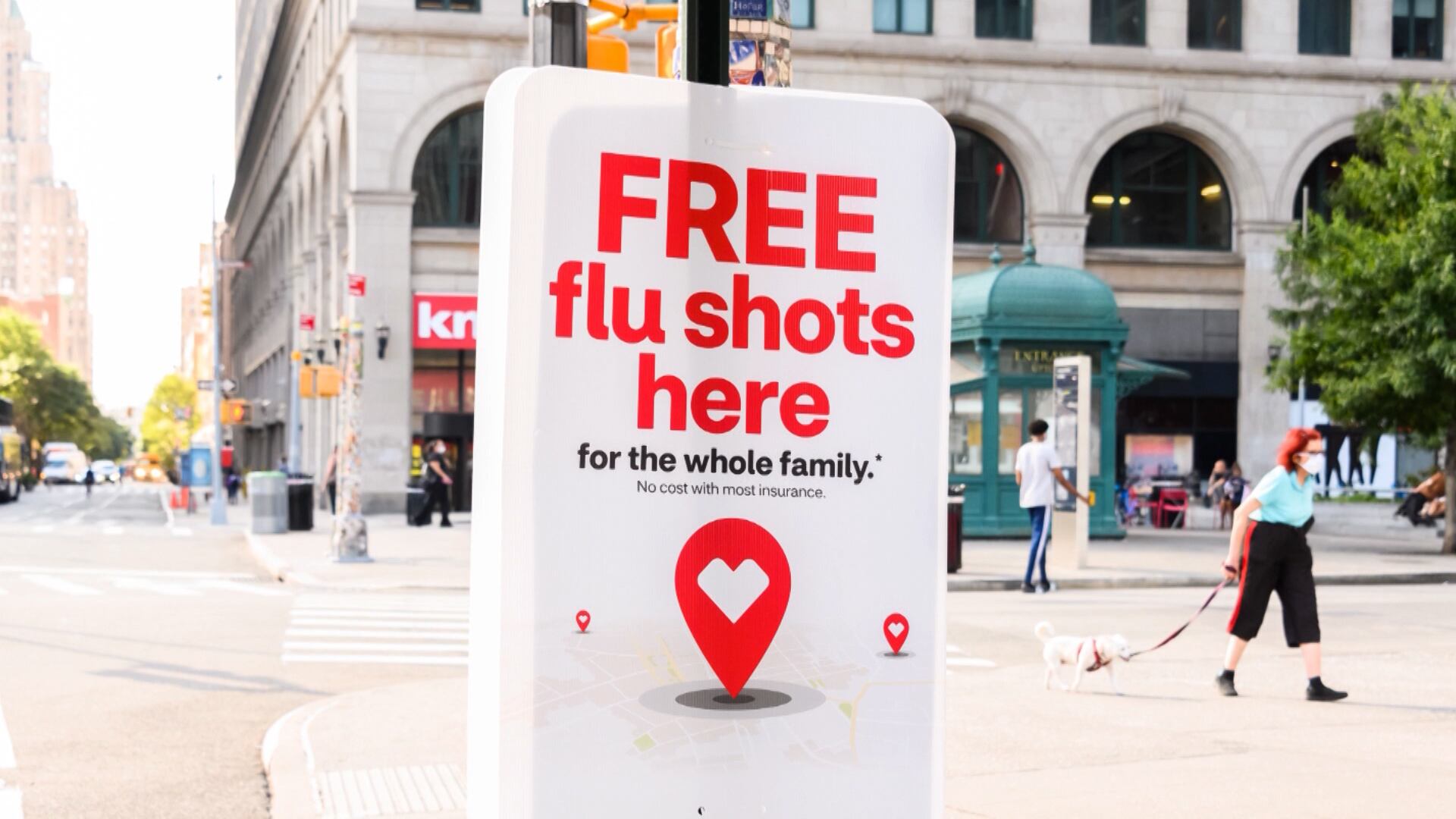
As we move into the colder months in the U.S., health experts are warning of a more active flu season than last year, sounding the alarm on what many are calling a 'twindemic.' Dr. Syra Madad, infectious disease epidemiologist, joined Cheddar's 'Search for the Cure' to discuss the intersection of the flu season with the Covid-19 pandemic.
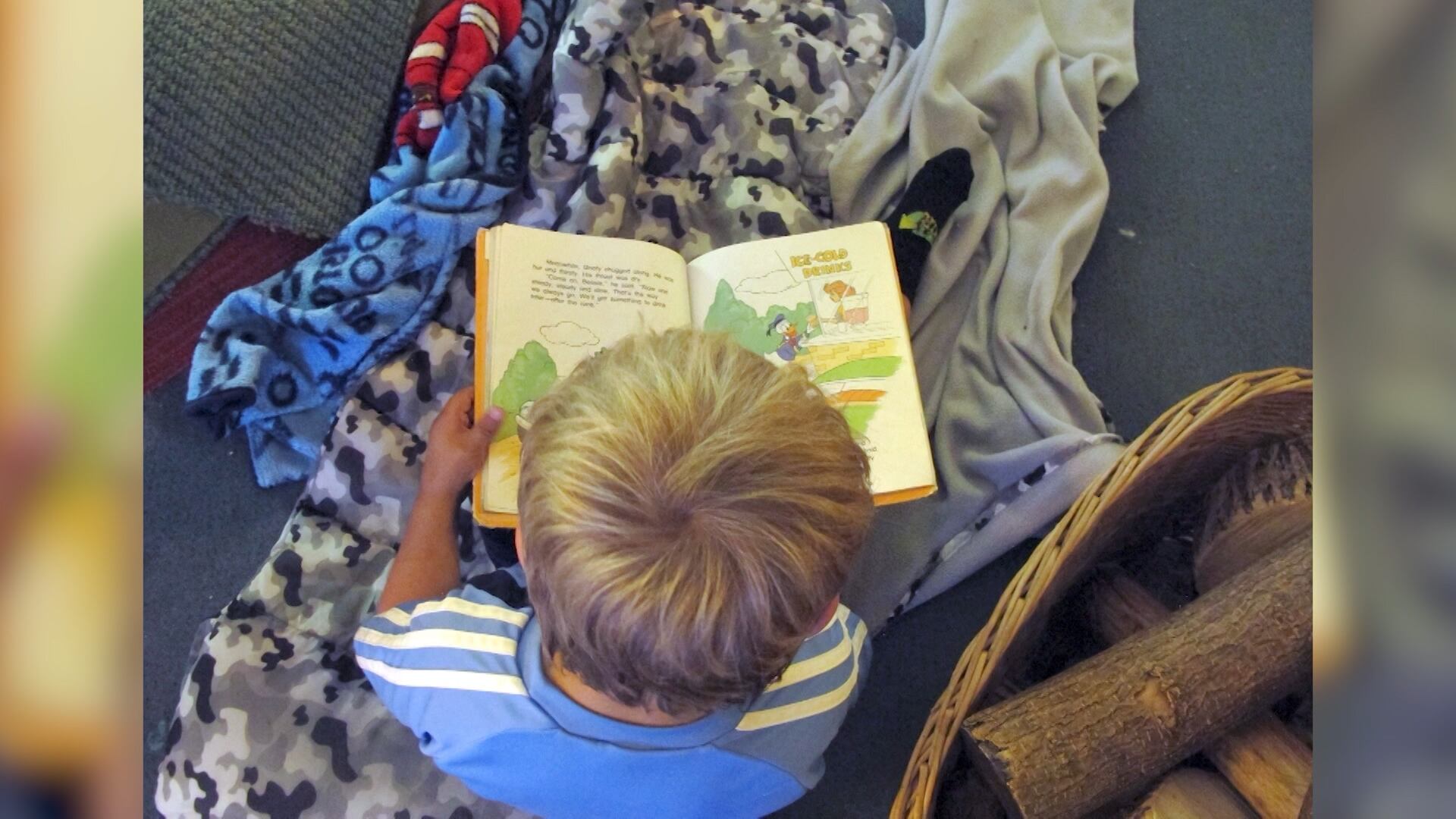
Schools across the country could expect to see billions of dollars towards providing a more accessible Universal Pre-K program. Steven Barnett, Board of Governors Professor and Director of the National Institute for Early Education Research at Rutgers University, joined Cheddar News to discuss more.
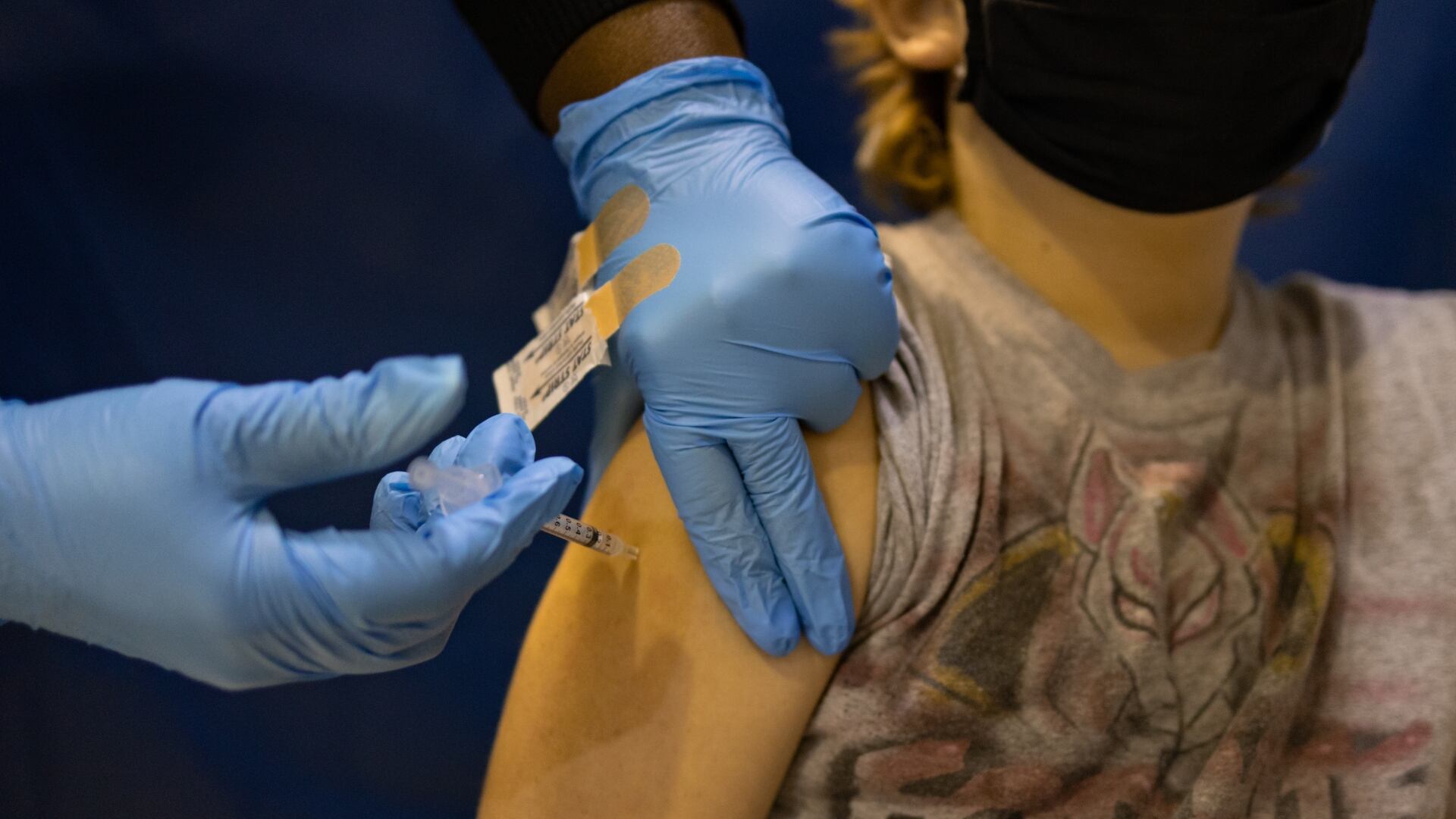
The Fifth Circuit Court of Appeals court temporarily held up President Biden's vaccine mandate for workplaces with more than 100 employees as the various lawsuits challenging it are combined. Marjorie Mesidor, a partner at the law firm Phillips & Associates, PLLC, joined Cheddar to break down the arguments in play. "They [the Biden Administration] say we have the authority to do this under the broad powers that are given under OSHA," she said. "What the Republic side then is saying, no, this is overbroad."
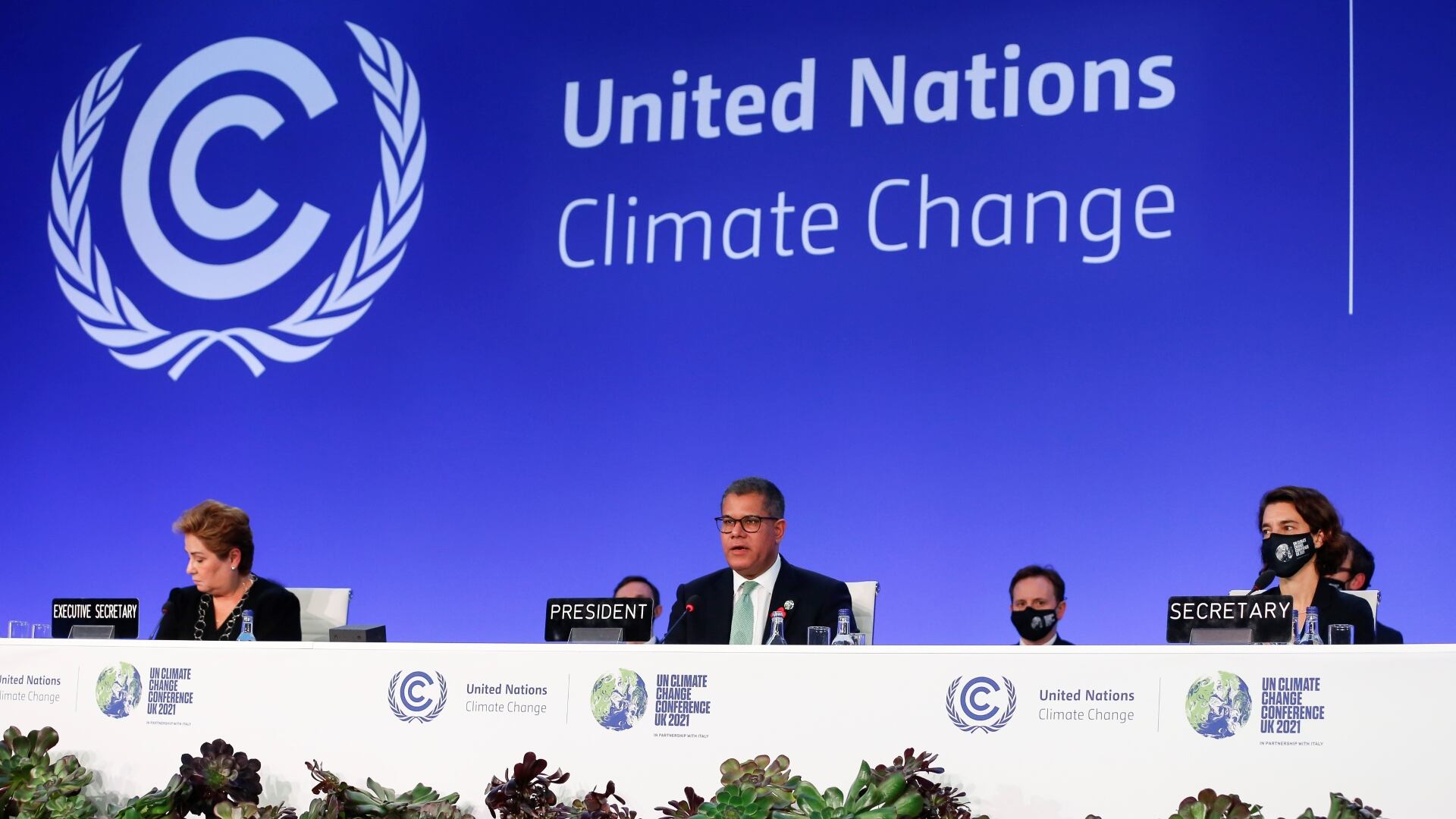
The UN climate summit wrapped up over the weekend after days of negotiations over the summit's final agreement. The agreement pushes countries to reassess their climate goals by the end of next year, do more for countries facing the worst effects of climate change, and also calls for a "phase down" of coal and other fossil fuel subsidies. The White House praised the agreement, but underscored the feelings of many world leaders by saying it isn't enough.
Deborah Brosnan, climate expert and president of Deborah Brosnan and Associates, joined Cheddar's News Wrap to discuss.
President Biden is under some pressure from members of his own party over rising gas prices. Senate Majority Leader Chuck Schumer has called for the president to utilize oil reserves to lower gas prices ahead of the holiday season, as gas prices are currently at a seven-year high. Energy Workforce & Technology Council CEO Leslie Beyer joins Cheddar News' Closing Bell to discuss.
The men's brand Harry's is teaming up with Stop Soldier Suicide and Headstrong to help provide mental health support with a $500,000 financial commitment. The withdrawal of troops from Afghanistan triggered a range of mental health responses from veterans and active service members, as well as displaced refugees who are now acclimating to a new way of life. Maggie Hureau, Harry's head of social impact, joined Cheddar News to talk about the partnership and why Harry's chose to get involved in mental health care.
Inflation has risen to its highest level in 31 years, sending consumer prices on everything from groceries to gas to rent surging. For many businesses, that's good news as inflation typically means better profit margins. According to data from FactSet, nearly two out of three of the biggest U.S. publicly traded companies have reported fatter profit margins so far this year compared to the same stretch of 2019, before the pandemic. Gregory Daco, chief U.S. economist for Oxford Economics, breaks down how the top businesses are reaping the benefits of inflation, and when consumers can expect inflation to ease.
Meta, the parent company of Facebook, is facing a lawsuit from Ohio's attorney general Dave Yost, who said the company misled the public about safety on the platform.
Cases of covid-19 are climbing in the Upper Midwest, Southwest, and parts of the Northeast. The seven-day national average is sitting at roughly 82,000 new cases which is an 11 percent jump from the week before. Dr. Amesh Adalja, Infectious Disease, Specialist, Sr. Scholar at Johns Hopkins Center for Health Security joined Cheddar's Opening Bell to discuss this recent uptick ahead of the holiday season.