The Trump administration last week rescinded a Obama-era rule that asked HUD recipients to measure and consider fixes to racial segregation in their communities.
President Donald Trump then followed up the decision with a tweet that critics say was an explicit appeal to white, suburban voters.
"His tweet was aimed at a strategy of appealing to racial resentment and really people's worst ideas about how our communities should be structured," David Sanchez, director of research and development for the National Community Stabilization Trust, told Cheddar. "Attitudes like that are a big reason why we have such severe segregation by race, class, and opportunity in this country, and unfortunately the president is trying to use those fears to benefit himself politically."
The loss of the rule itself has gotten less attention, in part due to its low profile as more of a regulatory tweak than an aggressive federal policy.
The Affirmatively Furthering Fair Housing Rule that Trump's HUD eliminated asked municipalities and housing authorities to account for racial bias in their communities by writing a report and issuing recommendations, but it did not force municipalities to address segregation directly.
"It was about gathering data," Sanchez said. "It was about getting people talking about segregation. But it wasn't about forcing communities to do anything."
In the long-term, though, he added that cutting the rule will only contribute to the ongoing economic divide between the suburbs and cities.
"It's going to continue to concentrate economic resources, social privilege in certain people who can afford to live in high-opportunity communities," Sanchez said. "In the same way the COVID crisis has supercharged inequality in this country, this is just another step in that direction."
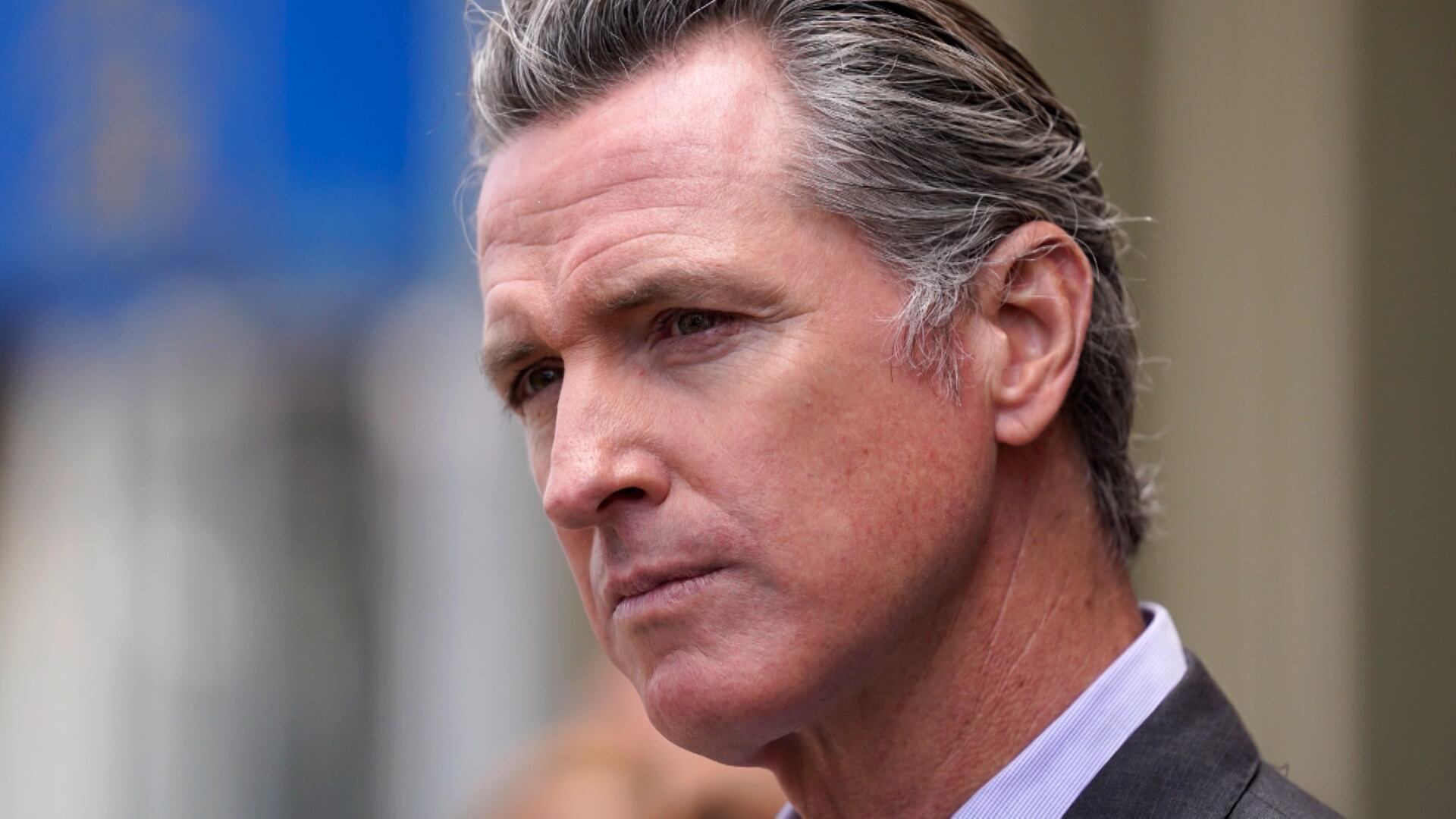
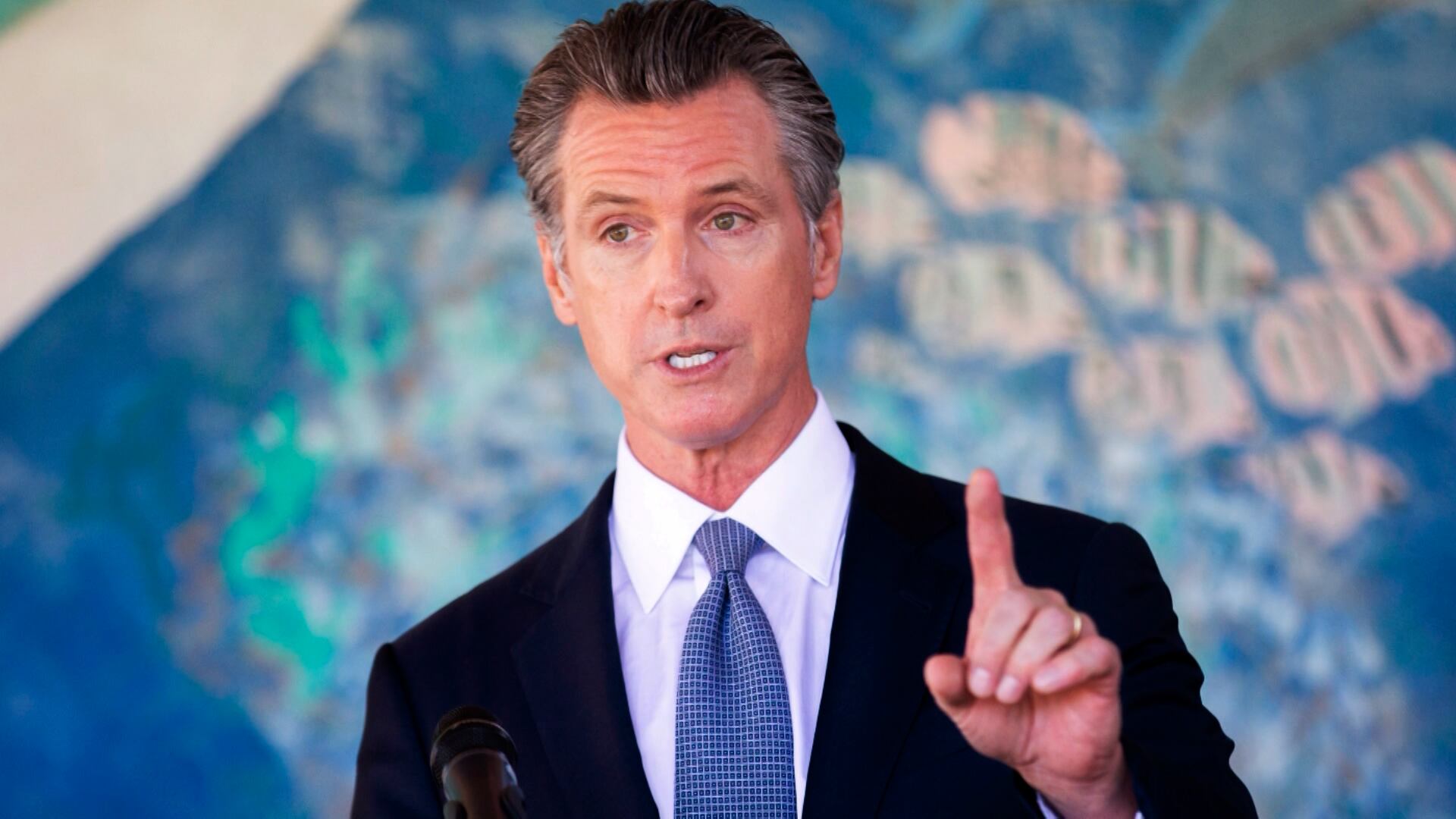
Emily Hoeven, newsletter editor at CalMatters, joins Cheddar News to discuss California Governor Gavin Newsom's gun law modeled after Texas's abortion law.
Chuck Rocha, host of 'Nuestro' podcast and opinion contributor at The New York Times, joins Cheddar News to discuss why Democrats are losing Hispanic voters.
More businesses are requiring workers to return to the office, but there is concern that many employees in the middle class, especially women and people of color, need remote work options for reasons including childcare and financial security. Joan Williams, director of the Center for WorkLife Law at the University of California, joined Cheddar to discuss why office mandates could be detrimental to the middle class. She noted that while companies claim a return to offices would help foster more collaboration and efficiency, reports show that they are successfully able to do their jobs from home.
The U.S. postal service has confirmed that it secretly developed and tested a blockchain-based mobile voting system ahead of the 2020 election. Susan Greenhalgh, senior advisor on election security, Free Speech for People, joins Cheddar News to discuss the cybersecurity complications of a mobile voting system.
The U.S. Supreme Court ruled to allow the controversial Texas abortion law to remain in effect, banning abortion at six weeks and allowing any private citizen to sue a person or doctor aiding or abetting someone seeking an abortion. Outraged at this decision, California Governor Gavin Newsom is working to draft a proposal in line with the law as it relates to guns. Shawn Hubler, California correspondent at the New York Times, joins Cheddar News to discuss.
Even as tech giant Google implements a vaccination mandate, charging its employees to declare their vaccine status within a time frame or risk dismissal, the federal government is tangled up in the court system trying to impose one of its own. Cindy Cohn, the executive director of the Electronic Frontier Foundation, and Harry Nelson, founder and managing partner of Nelson Hardiman LLP, joined Cheddar to debate the ethics, efficacy, and legality surrounding the issue. While Cohn noted that she thinks the federal mandate might be legally sound, her organization is also concerned with a separate question of privacy. "At EFF what we're most interested in is the digital surveillance that's going along with some of these attempts to try to track and confirm whether people are vaccinated or not," she said.