The Trump administration last week rescinded a Obama-era rule that asked HUD recipients to measure and consider fixes to racial segregation in their communities.
President Donald Trump then followed up the decision with a tweet that critics say was an explicit appeal to white, suburban voters.
"His tweet was aimed at a strategy of appealing to racial resentment and really people's worst ideas about how our communities should be structured," David Sanchez, director of research and development for the National Community Stabilization Trust, told Cheddar. "Attitudes like that are a big reason why we have such severe segregation by race, class, and opportunity in this country, and unfortunately the president is trying to use those fears to benefit himself politically."
The loss of the rule itself has gotten less attention, in part due to its low profile as more of a regulatory tweak than an aggressive federal policy.
The Affirmatively Furthering Fair Housing Rule that Trump's HUD eliminated asked municipalities and housing authorities to account for racial bias in their communities by writing a report and issuing recommendations, but it did not force municipalities to address segregation directly.
"It was about gathering data," Sanchez said. "It was about getting people talking about segregation. But it wasn't about forcing communities to do anything."
In the long-term, though, he added that cutting the rule will only contribute to the ongoing economic divide between the suburbs and cities.
"It's going to continue to concentrate economic resources, social privilege in certain people who can afford to live in high-opportunity communities," Sanchez said. "In the same way the COVID crisis has supercharged inequality in this country, this is just another step in that direction."
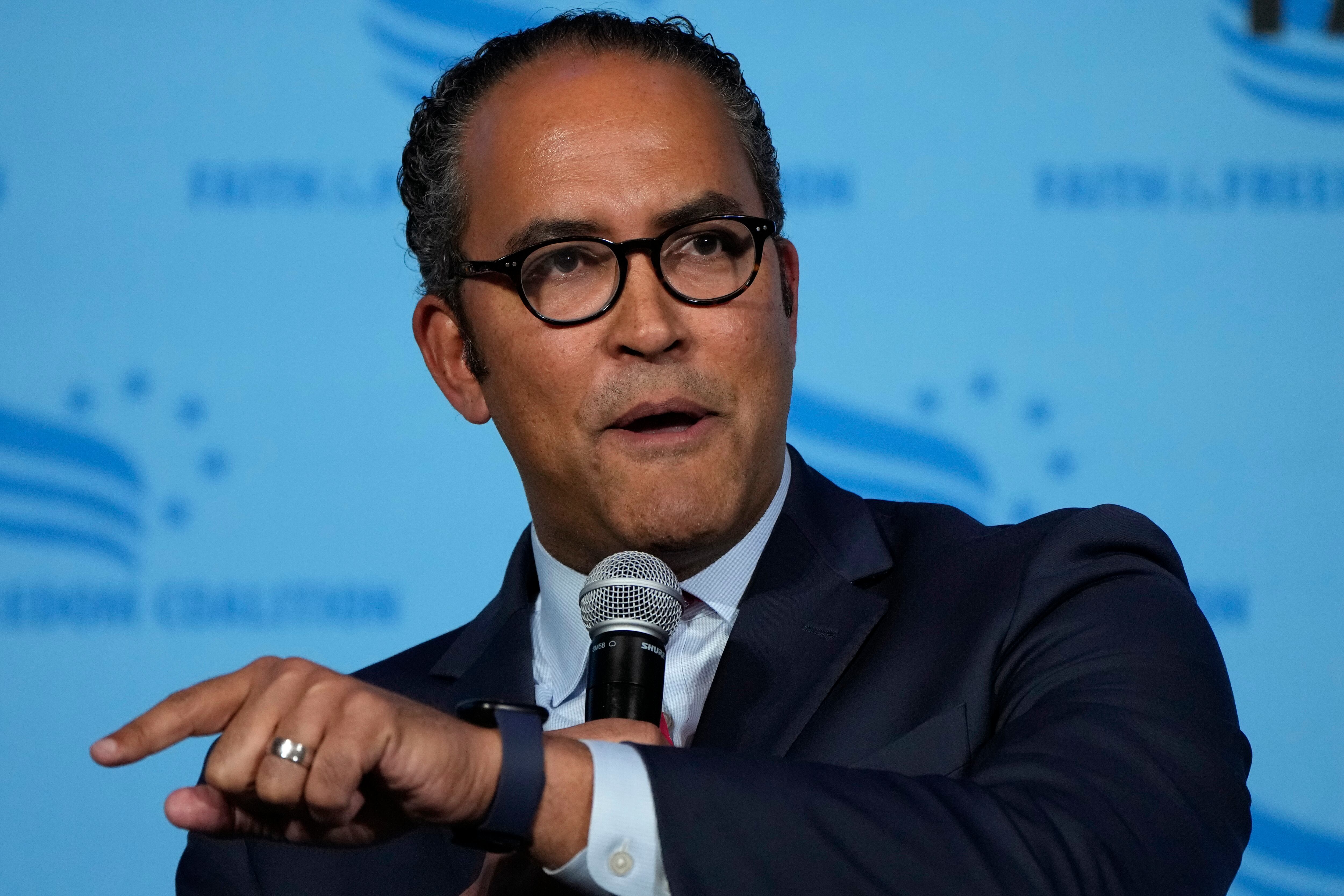
Former Texas Republican Congressman Will Hurd announced he is running for president.
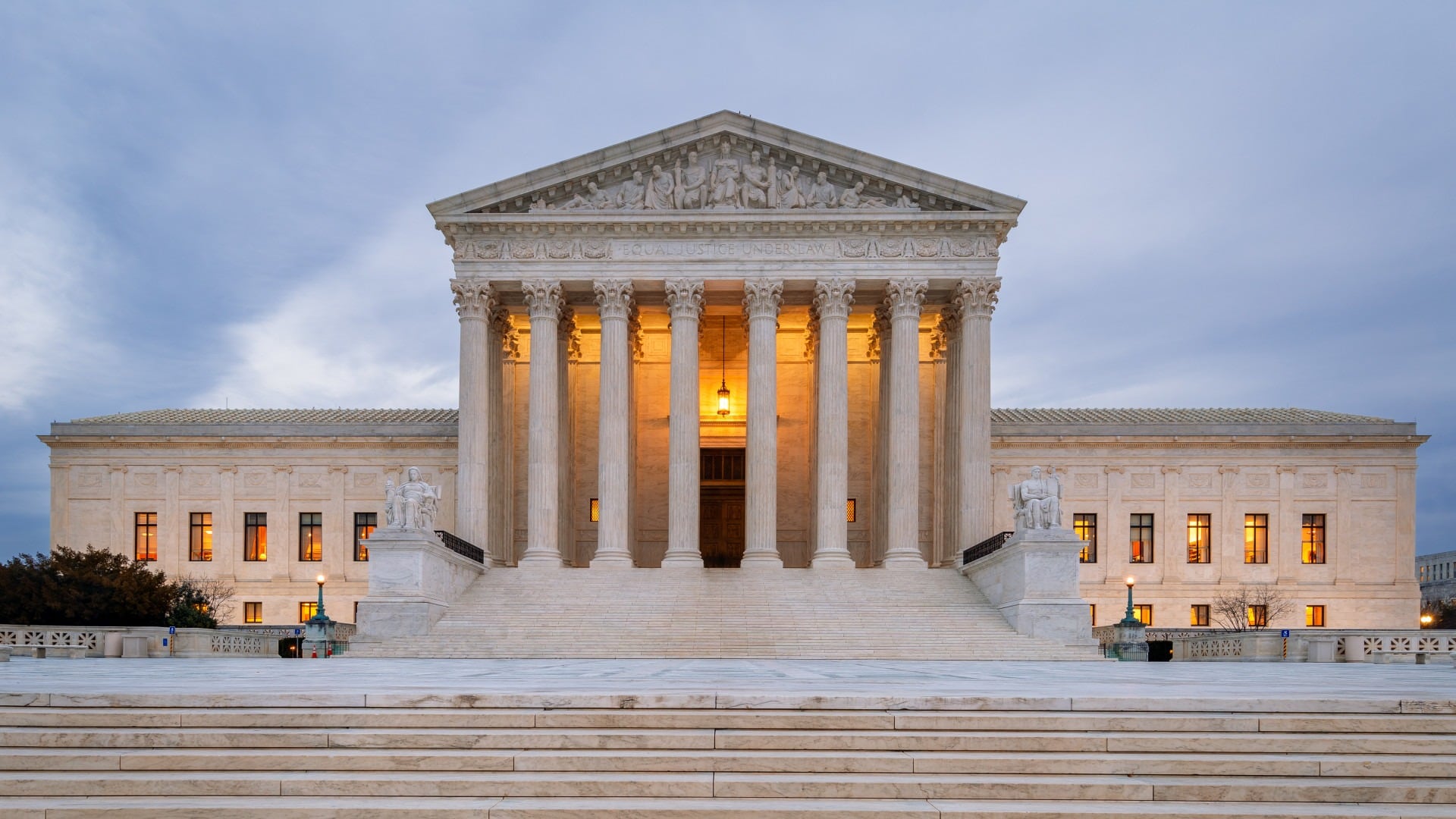
The Supreme Court ruled that a man convicted to 27 years in prison on gun charges won't be able to challenge his conviction.
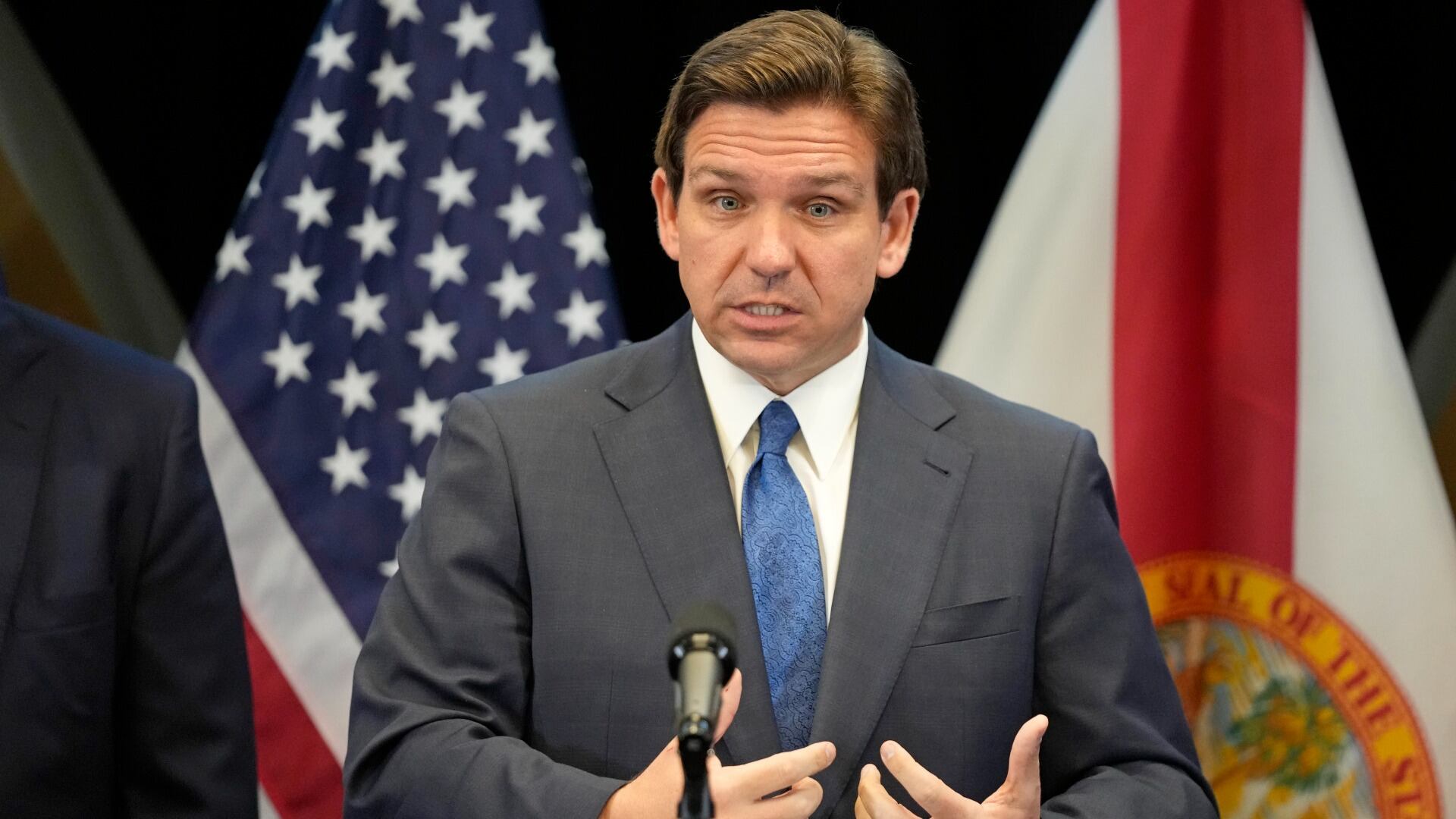
A Florida judge has struck down a ruling that banned Medicaid payments for transgender healthcare in the state.
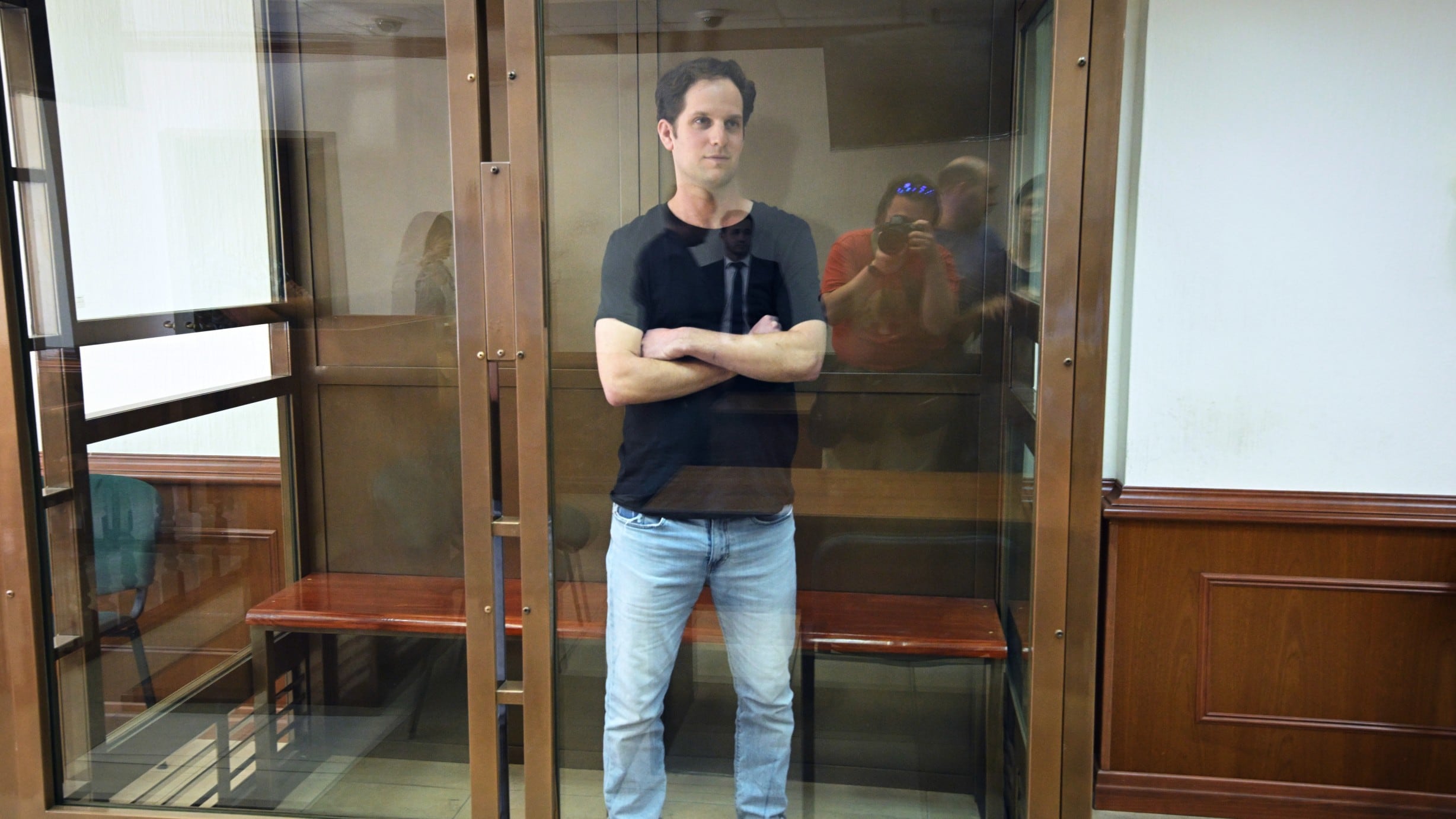
A Moscow court on Thursday ruled that Wall Street Journal reporter Evan Gershkovich must remain in jail on espionage charges until at least late August, rejecting the American journalist’s appeal to be released.
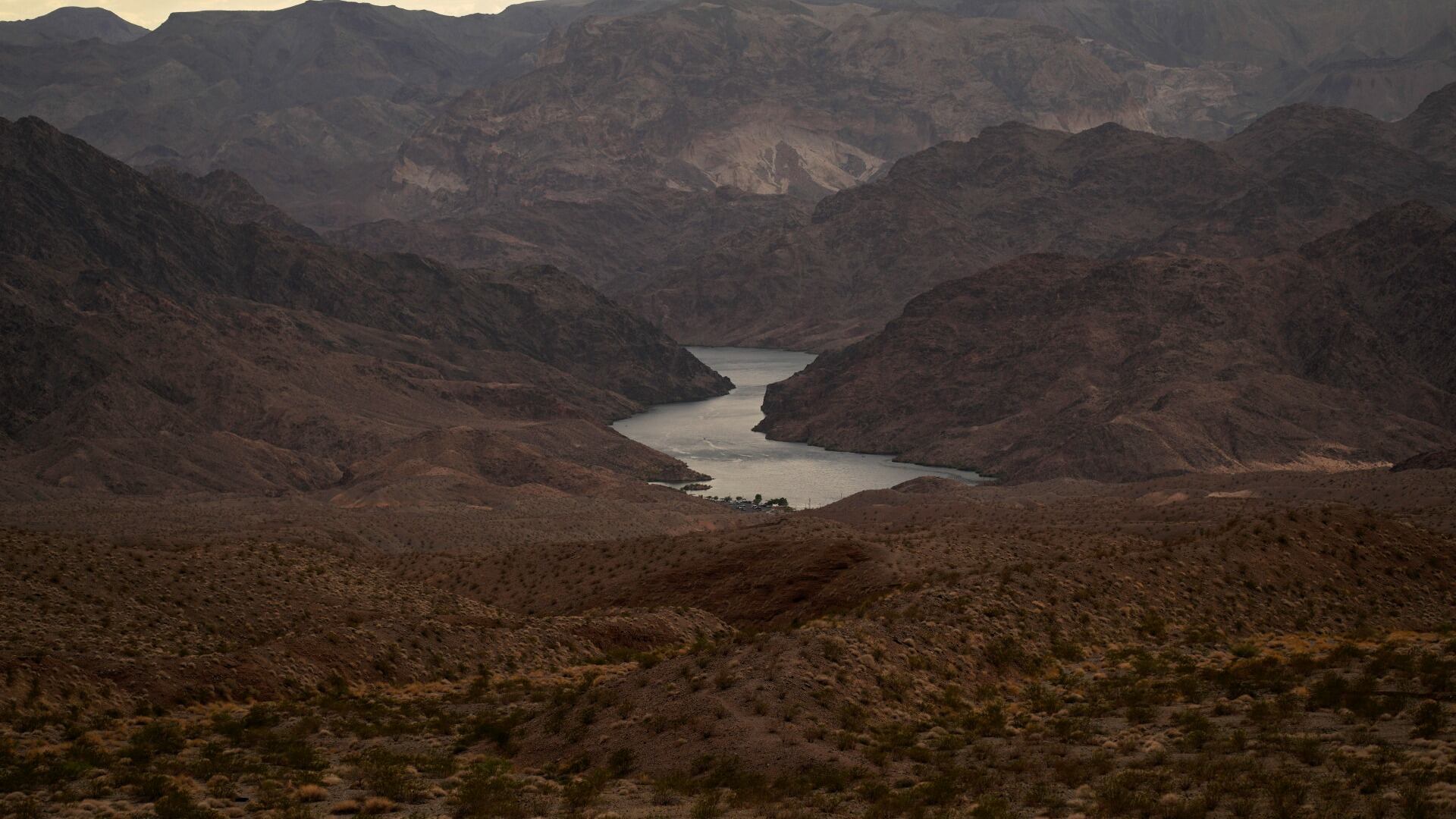
The Supreme Court ruled against the Navajo Nation on Thursday in a dispute involving water from the drought-stricken Colorado River.
A resolution to impeach President Joe Biden is likely to face a House vote this week as House Speaker Kevin McCarthy remains opposed to it right now.
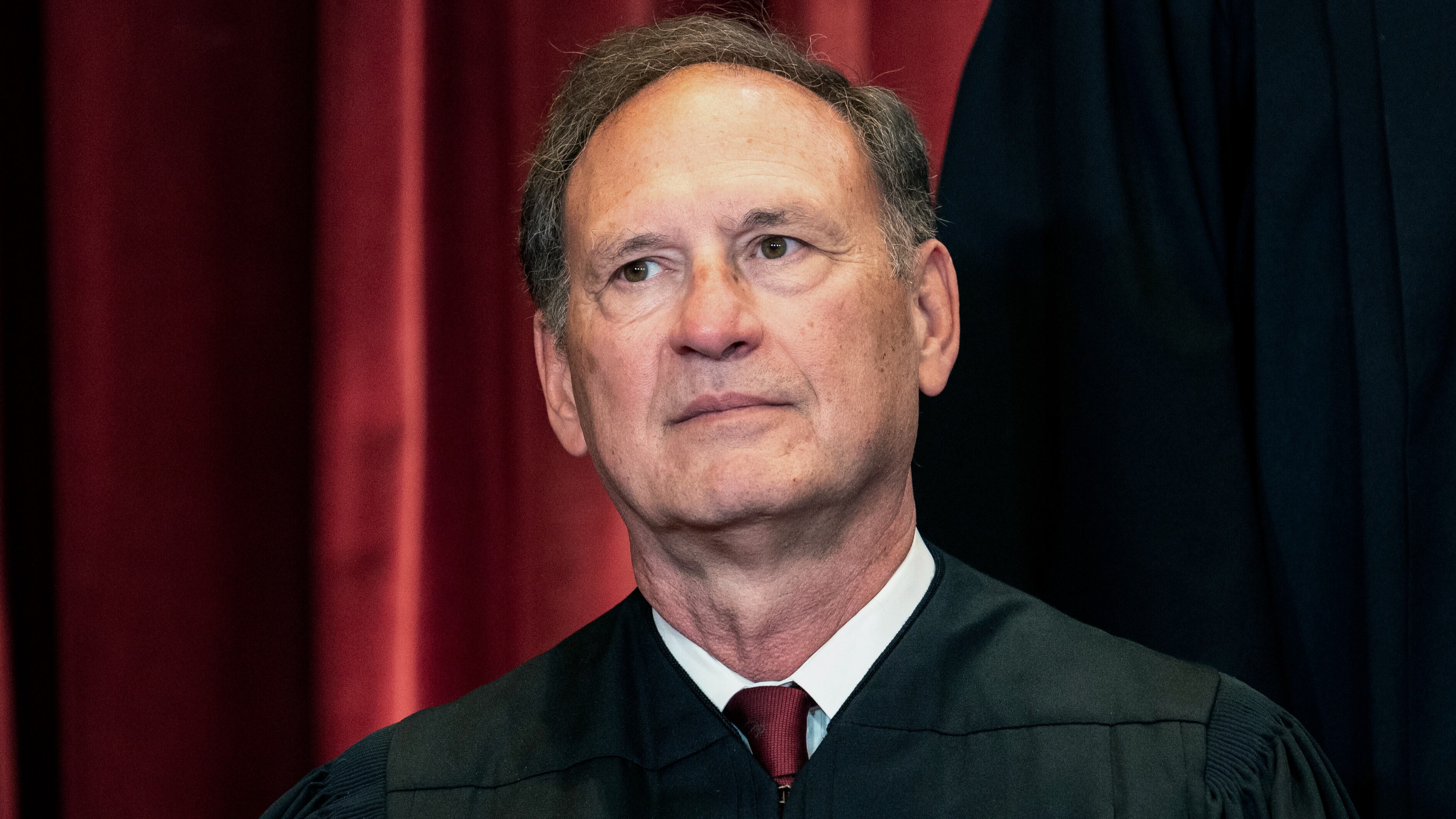
Supreme Court Justice Samuel Alito accepted a 2008 trip to a luxury fishing lodge in Alaska from two wealthy Republican donors, one of whom repeatedly had interests before the court, and he did not disclose the trips on his financial disclosure for that year, ProPublica reports.
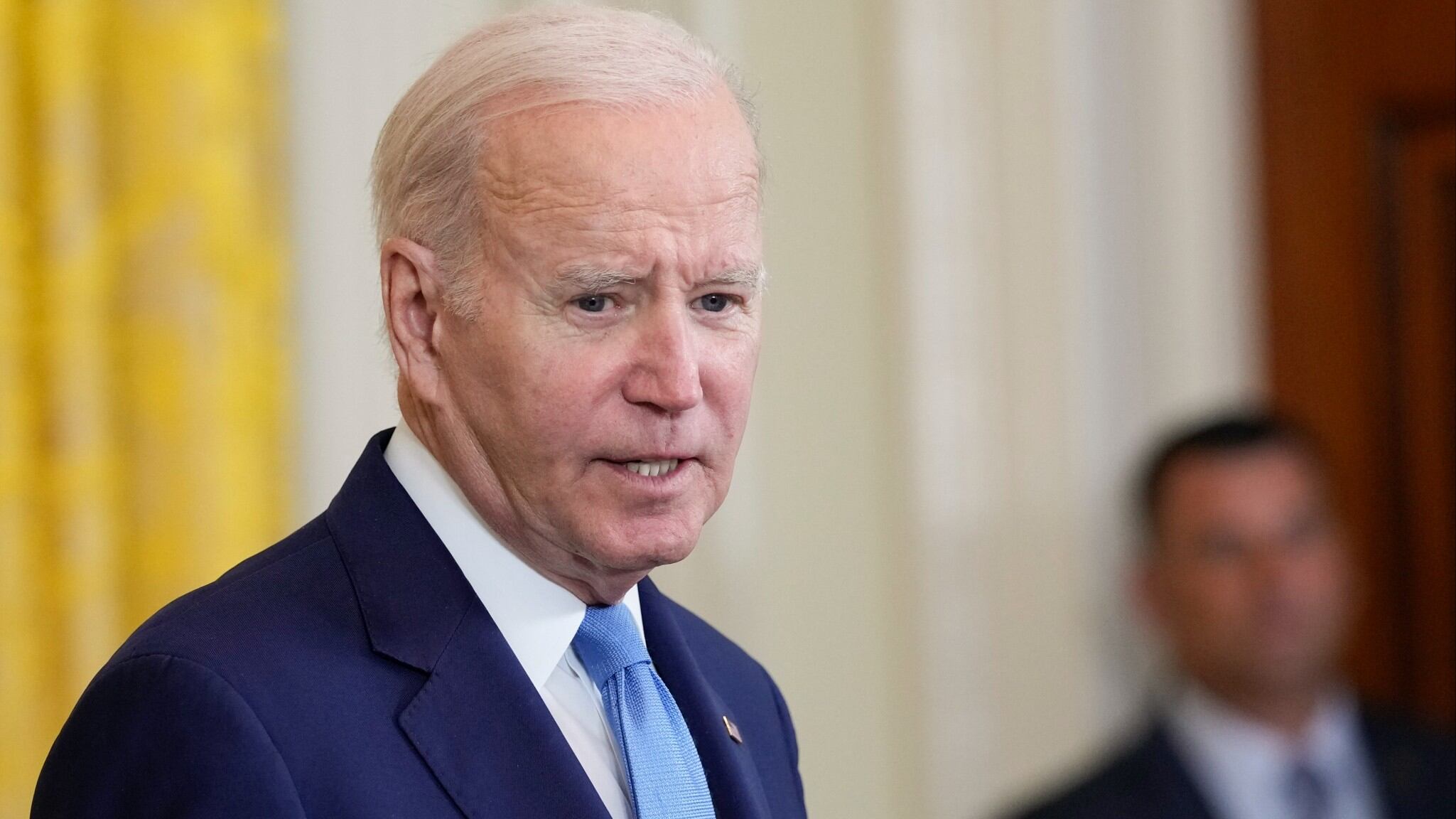
President Joe Biden made his first public comments about his son Hunter Biden's plea deal with federal prosecutors on two misdemeanor tax charges. This follows several critical comments by Republicans, who blasted the agreement as a "sweetheart deal."
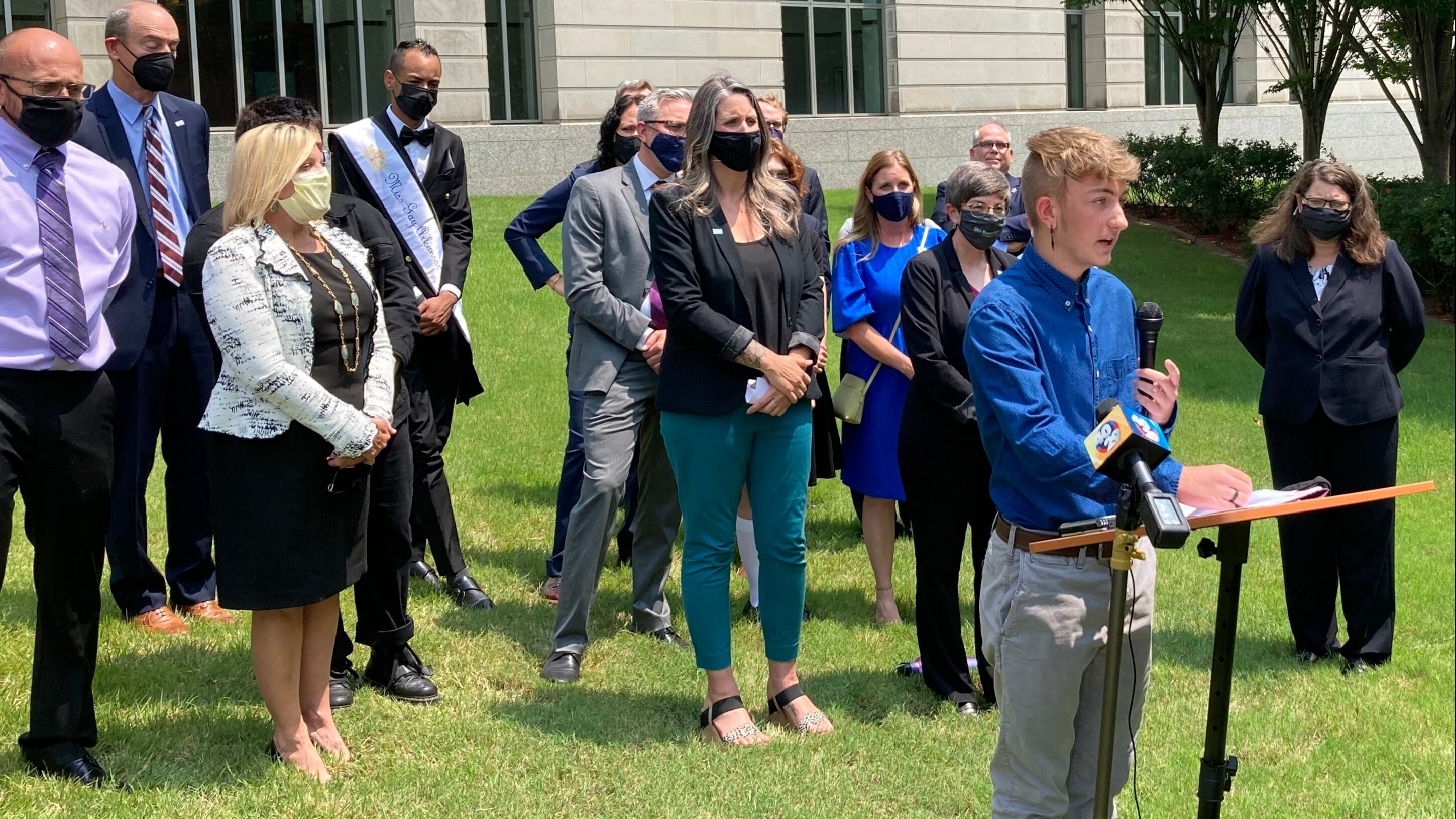
A federal judge struck down Arkansas' first-in-the-nation ban on gender-affirming care for children as unconstitutional Tuesday, the first ruling to overturn such a prohibition as a growing number of Republican-led states adopt similar restrictions.
Climate change is on trial in Montana. In a landmark case, 16 young people are suing the state over effects like smoke, heat, and drought. It's just the first in a series of cases intended to pressure lawmakers into taking action on the environment. Here with more is Cheddar News Senior Reporter Chloe Aiello.