By Deb Riechmann and Matthew Lee

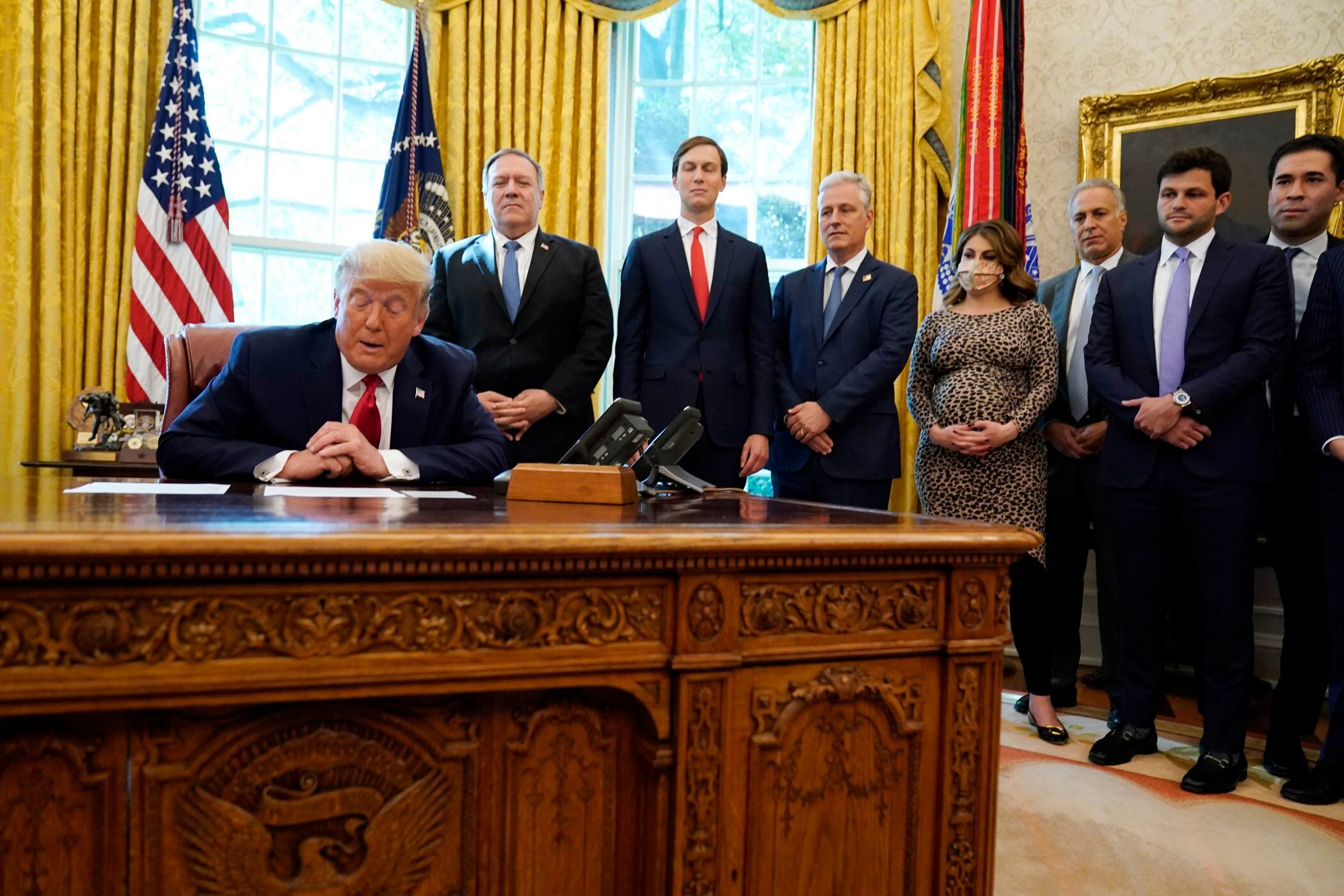
President Donald Trump announced Friday that Sudan will start to normalize ties with Israel, making it the third Arab state to do so as part of U.S.-brokered deals in the run-up to Election Day.

The deal, which would deepen Sudan’s engagement with the West, follows Trump's conditional agreement this week to remove the North African nation from the list of state sponsors of terrorism if it pays compensation to American victims of terror attacks.

It also delivers a foreign policy achievement for Trump just days before the U.S. election and boosts his embattled ally, Israeli Prime Minister Benjamin Netanyahu. Recently, the United States brokered diplomatic pacts between Israel and the United Arab Emirates and Bahrain. Jordan recognized Israel in the 1990s.

Trump invited reporters into the Oval Office while he was on the phone with the leaders of Israel and Sudan. Trump said Sudan had demonstrated a commitment to battling terrorism. “This is one of the great days in the history of Sudan,” Trump said, adding that Israel and Sudan have been in a state of war for decades.

“It is a new world,” Netanyahu said over the phone. “We are cooperating with everyone. Building a better future for all of us.”

Netanyahu has made it a priority to forge ties with formerly hostile countries in Africa and the Arab world in the absence of any progress with the Palestinians during his more than decade in office. The deal also is aimed at unifying Arab countries against their common adversary, Iran.

These recent recognitions of Israel have undermined the traditional Arab consensus that there can be no normalization with Israel before the establishment of an independent Palestinian state. The Palestinians say the recognitions amount to betrayal, while Israel says the Palestinians have lost what they have seen as their “veto” over regional peace efforts.

The deal with Sudan will include aid and investment from Israel, particularly in technology and agriculture, along with further debt relief. It comes as Sudan and its transitional government teeter on the edge. Thousands have protested in the country’s capital Khartoum and other regions in recent days over dire economic conditions.

Trump’s announcement, the morning after the final presidential debate with Democrat Joe Biden, came after Sudan followed through on its pledge to deliver $335 million to compensate American victims of past terror attacks and their families. The money is meant for victims of the 1998 bombings of the U.S. Embassies in Kenya and Tanzania by the al-Qaida network while its leader, Osama bin Laden, was living in Sudan. Trump said on Tuesday that one the funds were transferred, he would remove Sudan from the list.

The removal of the terror designation opens the door for Sudan to get international loans and aid needed to revive its battered economy and rescue the country’s transition to democracy.

Sudan is on a fragile path to democracy after a popular uprising last year led the military to overthrow the longtime autocrat, Omar al-Bashir. A military-civilian government rules the country, with elections possible in late 2022.

Sudanese Prime Minister Abdalla Hamdok thanked Trump for signing the executive order to remove Sudan from the terrorism list and said in a statement that he hoped to complete the process in a “timely manner.”

The normalization agreement had been in the works for some time but was finalized when Trump’s Mideast peace team, led by Jared Kushner and Avi Berkowitz, visited the region earlier this week to mark the first commercial flight between Israel and Bahrain and then went on to the United Arab Emirates, according to U.S. officials.

Unlike with Bahrain and the UAE, there has been a state of hostilities between Sudan and Israel, even if they had not been in direct conflict.

Key to the agreement was Sudan’s deposit of $335 million into an escrow account to pay compensation to victims of the 1998 bombings of the U.S. embassies in Kenya and Tanzania. A senior U.S. official said Sudan had borrowed the money needed to pay that amount.

Unmentioned in the joint statement was that Sudan has agreed, according to the senior U.S. official, to designate Lebanon’s Hezbollah movement as a terrorist organization, something that Israel has long sought from its neighbors and others in the international community.

Kushner said that other normalization agreements between Israel and Arab nations are in the works but would not predict which countries or when those deals might be completed.

Associated Press writers Jonathan Lemire in Washington, Josef Federman in Jerusalem, and Isabel DeBre in Dubai contributed to this report.

Updated October 23, 2020, at 12:34 pm with Trump comments, background, AP photo
Share:
More In Politics
U.S.-Russia Talks Hit a Wall as Ukrainian Tensions Remain
U.S. officials spoke to Russian leaders for nearly eight hours earlier this week, in hopes of reducing tensions between Russia and Ukraine. Russia forced the west to the negotiating table by massing 100,000 troops near the Ukrainian border, sparking fears of an invasion, and then submitted a set of demands which the west rejected. Joel Rubin, former Deputy Assistant Secretary of State & President at Washington Strategy Group explains what the rest of the week might look like, and why other European nations may be on the side of the U.S.
Schools Open Across the Nation Amid Omicron Anxiety
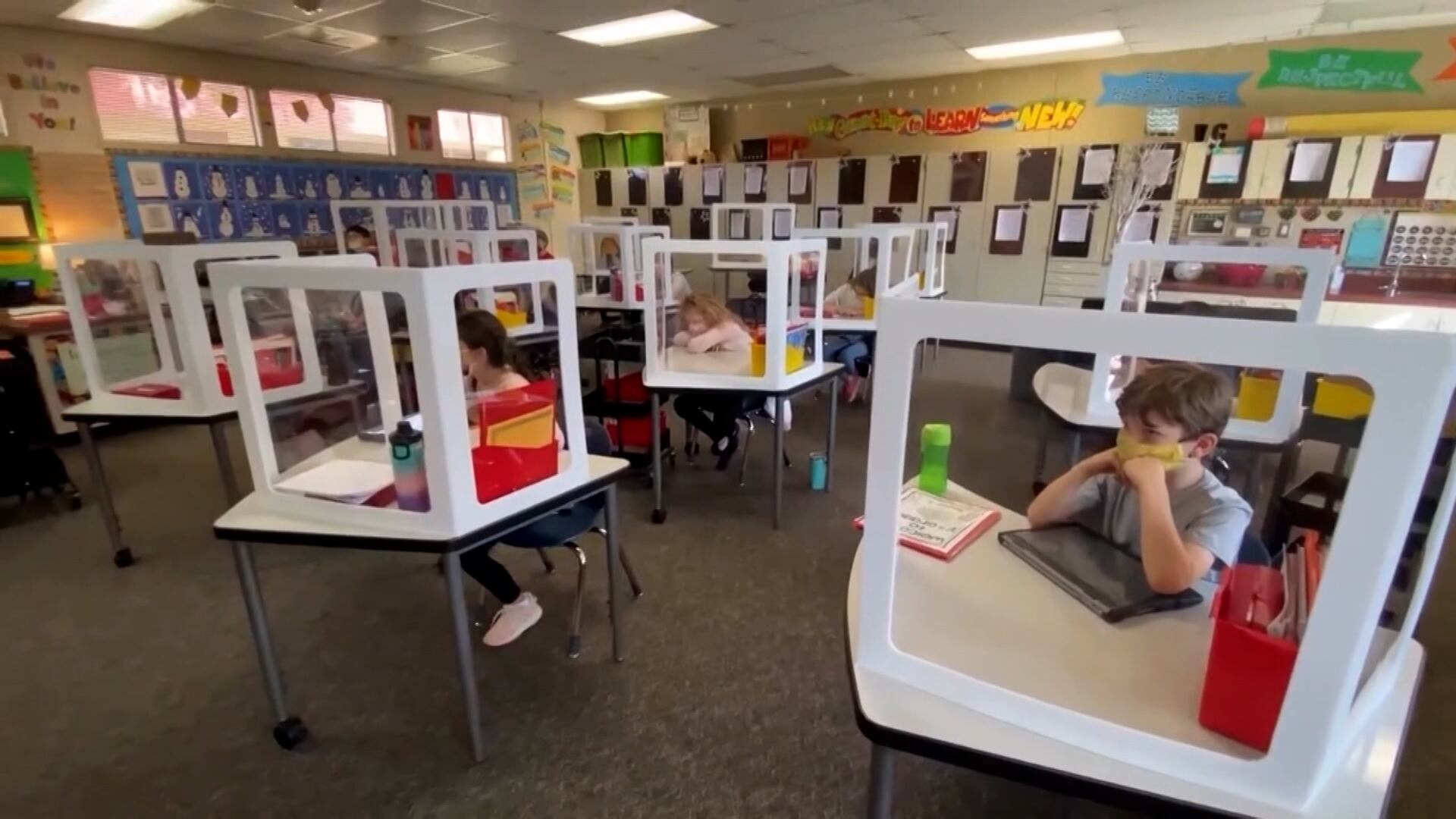
Chicago schools opened their doors again following a dispute between the teachers union and the city over as the omicron variant continues to surge, but the safety issues they fought over weren't just limited to the Windy City. Dr. Bayo Curry-Winchell, family medicine and urgent care doctor, joined Cheddar in discussing concerns of parents, teachers, and students as schools try to operate amid COVID and noted what she's been observing as the number of infections among children rises. "I am seeing them contract the illness from so many different aspects," she said. "It could be from a fellow classmate. It could be from a parent. All of those things really play in the effect of transmission as well as contracting the illness."
Sen. Hickenlooper Calls for a Federal Impairment Standard for Driving While High
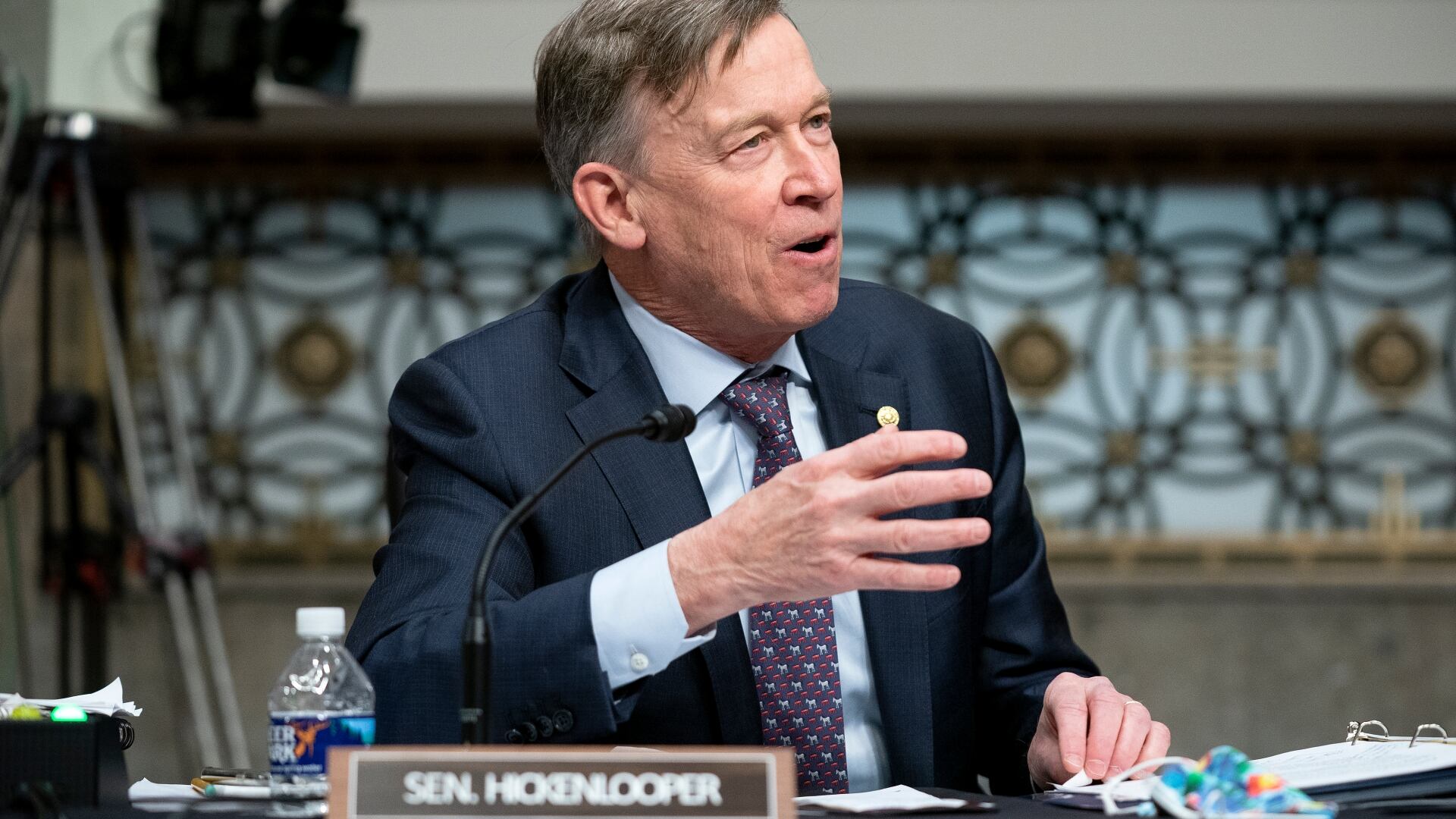
Sen. John Hickenlooper (D-Colo.) is looking for clarification about a federal standard regarding THC impairment while driving. "I think in terms of marijuana, the fact that it's still a Schedule 1 narcotic — it's treated the same as heroin and cocaine — it means that we can't get standards developed," he said about the lack of cohesive regulations. The lawmaker also explained his previous opposition to cannabis legalization in Colorado when he was governor and why his position changed.
Rep. James Clyburn on Honoring Martin Luther King Jr. and Fate of the Filibuster
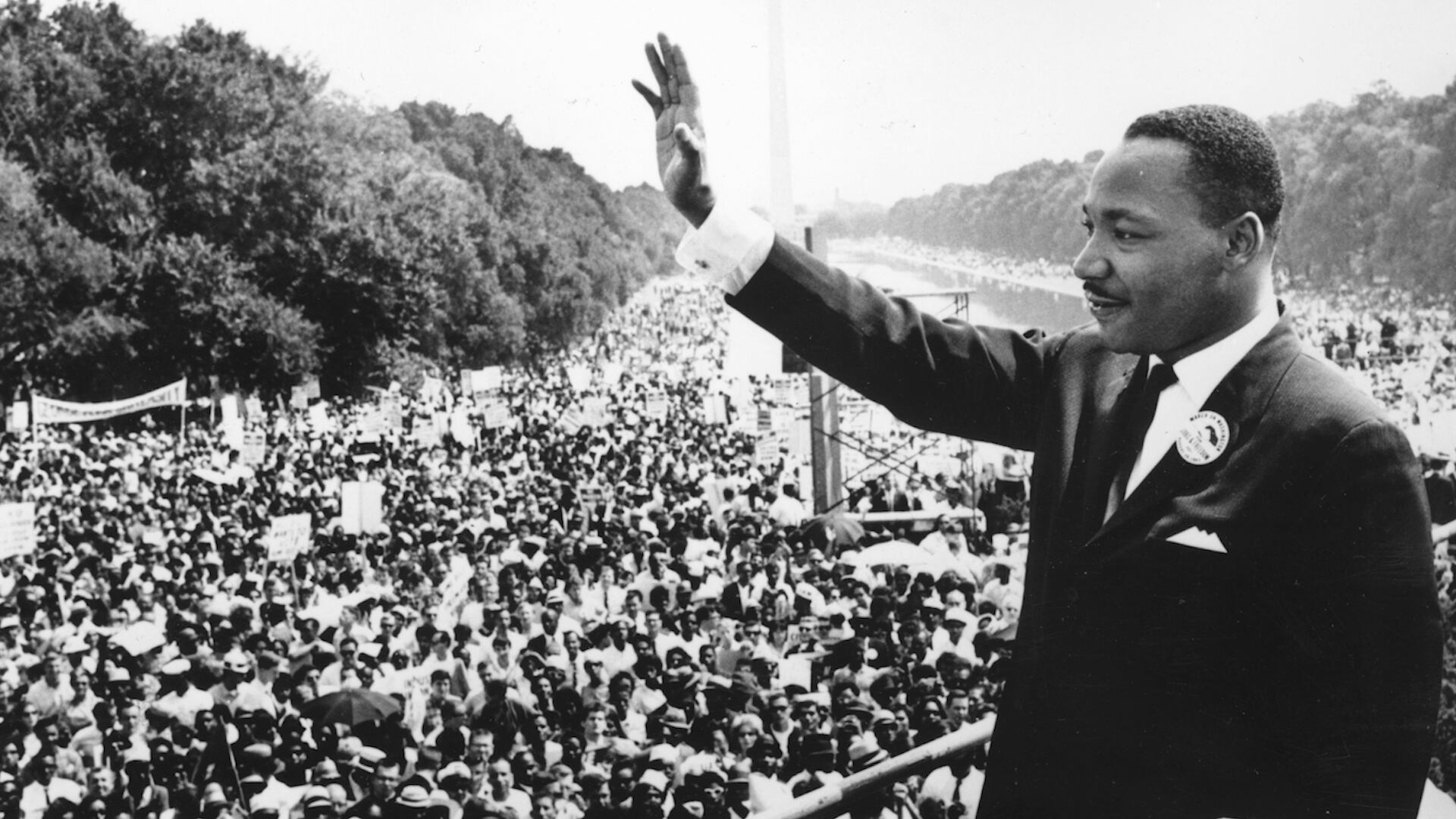
With Martin Luther King Jr. Day fast approaching, Rep. James Clyburn (D-S.C. 6th District), the House Majority Whip, talked about the importance of honoring the iconic civil rights activist. "As we consider the life and celebrate the legacy of Martin Luther King Jr., let's think about who and what we are as a country, and whether or not we're going to give up on the ideals of this country or continue to press forward," he said. Clyburn also discussed the push for new voting legislation, the For the People Act and the John Lewis Act, as well as the fate of the Senate filibuster.
One Year Later, America Is Still Divided On January 6
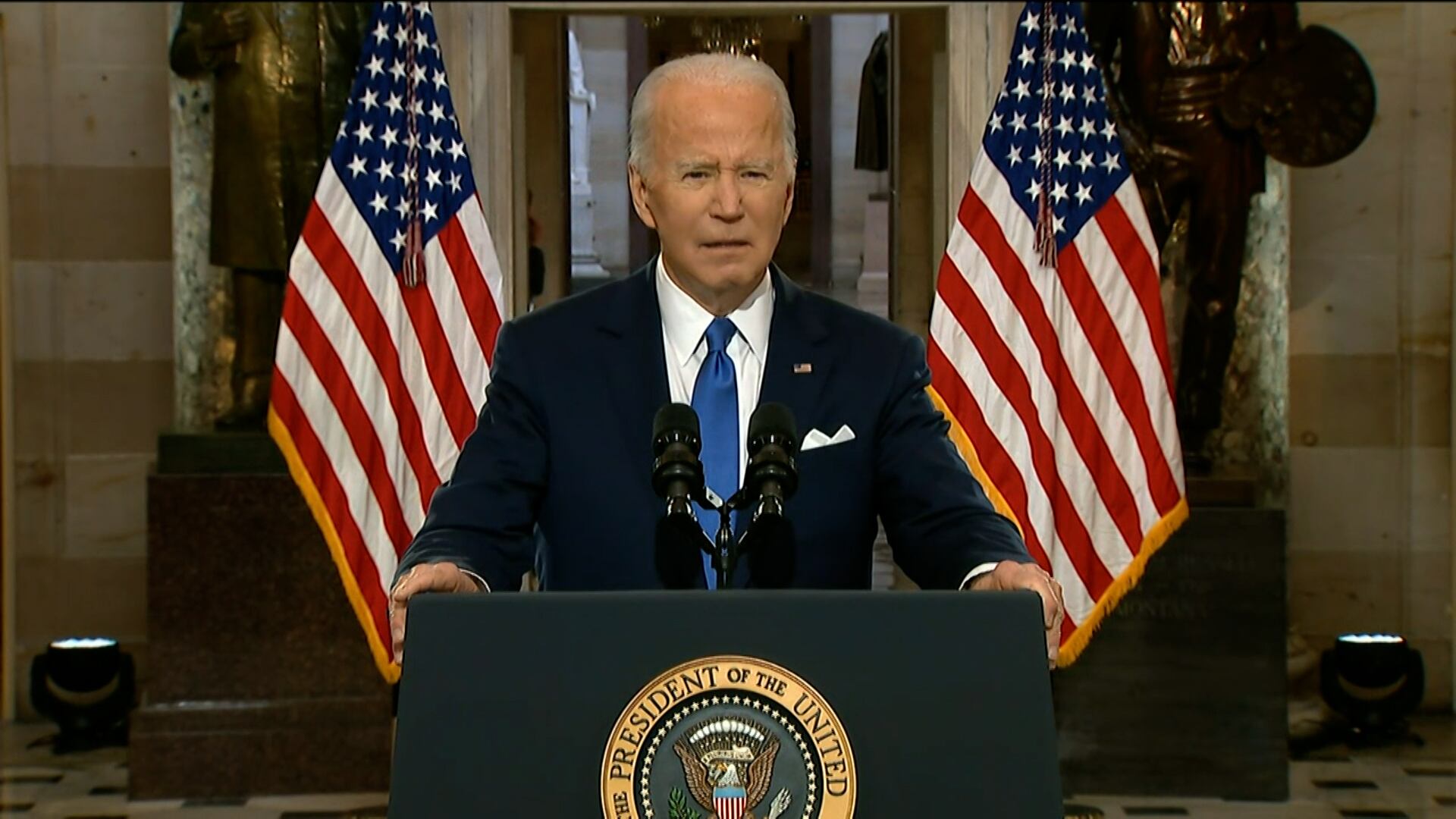
One year after the attack on Capitol Hill, America is still deeply divided and politically broken. Zoe Tillman, senior reporter for BuzzFeed News, breaks down President Biden's remarks on January 6, and why the country disagrees on its views over the violent insurrection.
Americans' Finances Grew More Secure During Pandemic
While the pandemic caused financial troubles for many, the unique circumstances of the last two years proved helpful to many Americans. Whether it was the federal government's stimulus checks, expanded unemployment insurance, or general lockdowns, recent data reveals that the covid-19 pandemic helped many reach financial security. Neale Godfrey, Financial Expert and New York Times #1 Best Selling Author joined Cheddar's Opening Bell to discuss.
Markets Trade Higher Despite Hot Inflation Data
U.S. markets opened higher despite red-hot inflation data which showed the highest surge in nearly 40 years. Jon Maier, CIO, GlobalX ETFs joined Cheddar's Opening Bell to discuss this historic report.
Facebook Parent Meta Loses Bid to Dismiss FTC Antitrust Lawsuit
Meta's request to have a Federal Trade Commission antitrust lawsuit dismissed was rejected by a federal judge. Prosecutors presented enough evidence in their latest filing to go forward with the case accusing the tech giant of operating a social networking monopoly through Facebook, Instagram, and WhatsApp.
As the Covid Crisis in Schools Ramps Up, Educational Leaders Struggle
Covid cases have started to spike again across the nation, and this time they seem to be hitting some of our youngest and most vulnerable - school-aged children. School districts across the nation - including the country's largest public school system in New York City- are all grappling with what to do as teachers and students alike continue to miss school in droves. Katie Honan, reporter for the New York City-based non profit news organization, The City explains how educational leaders across the country are handling covid demands from both teachers and parents alike.
Federal Vaccine Mandates Face Supreme Court Review
Last week, the Supreme Court began here to hear arguments on two of the President's COVID-19 vaccine mandates. The vaccine or testing requirement for employees of large businesses, as well as the vaccine mandate for health care providers who get funding through either Medicare or Medicaid. The justices in DC will ultimately decide whether or not federal agencies even have the authority to issue these types of mandates. Editor at large of employment at Law 360, Vin Gurrieri, joined Cheddar to discuss more.
Load More