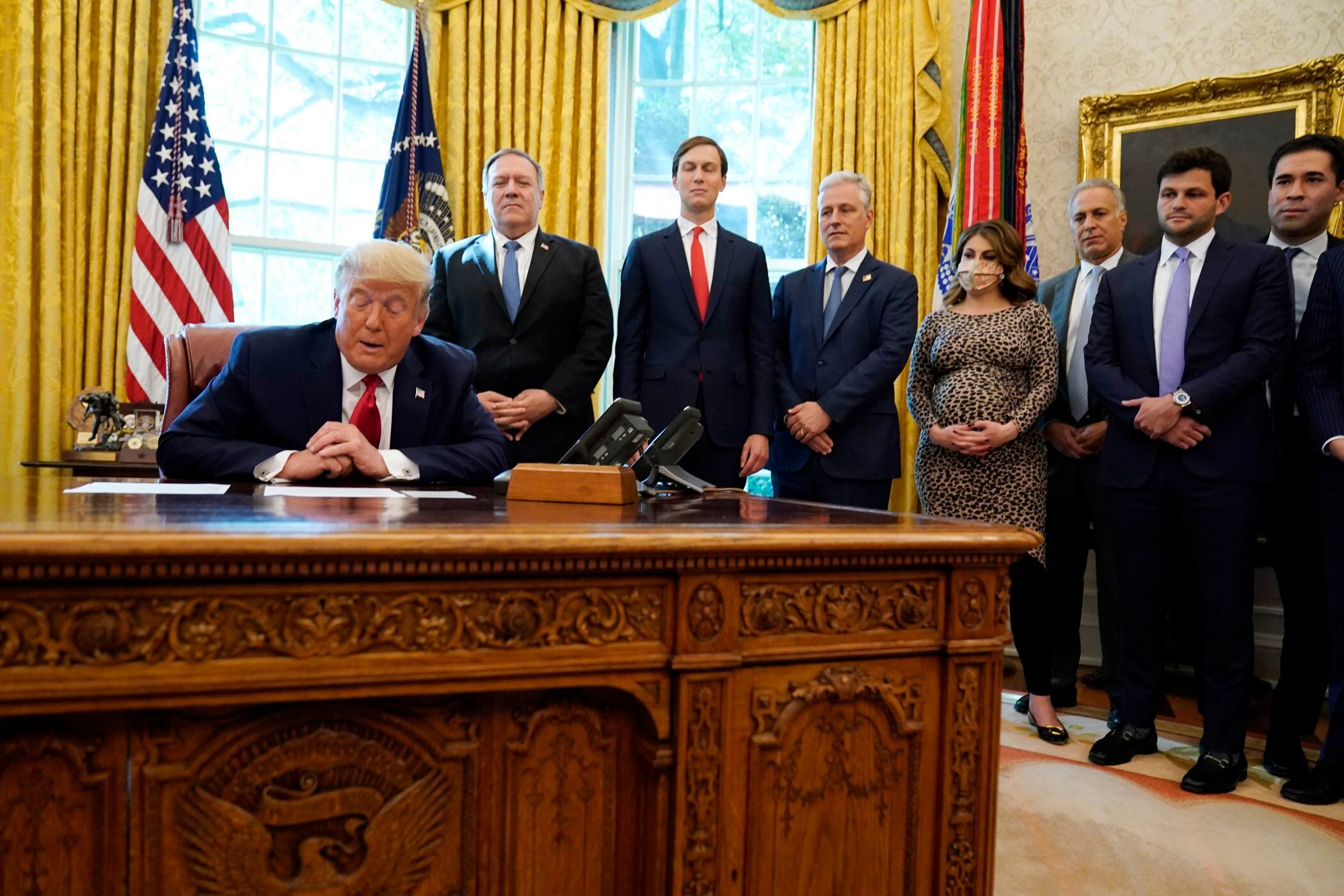
President Donald Trump speaks while on a phone call with leaders of Sudan and Israel in the Oval Office of the White House, Friday, Oct. 23, 2020, in Washington. (AP Photo/Alex Brandon)
By Deb Riechmann and Matthew Lee
President Donald Trump announced Friday that Sudan will start to normalize ties with Israel, making it the third Arab state to do so as part of U.S.-brokered deals in the run-up to Election Day.
The deal, which would deepen Sudan’s engagement with the West, follows Trump's conditional agreement this week to remove the North African nation from the list of state sponsors of terrorism if it pays compensation to American victims of terror attacks.
It also delivers a foreign policy achievement for Trump just days before the U.S. election and boosts his embattled ally, Israeli Prime Minister Benjamin Netanyahu. Recently, the United States brokered diplomatic pacts between Israel and the United Arab Emirates and Bahrain. Jordan recognized Israel in the 1990s.
Trump invited reporters into the Oval Office while he was on the phone with the leaders of Israel and Sudan. Trump said Sudan had demonstrated a commitment to battling terrorism. “This is one of the great days in the history of Sudan,” Trump said, adding that Israel and Sudan have been in a state of war for decades.
“It is a new world,” Netanyahu said over the phone. “We are cooperating with everyone. Building a better future for all of us.”
Netanyahu has made it a priority to forge ties with formerly hostile countries in Africa and the Arab world in the absence of any progress with the Palestinians during his more than decade in office. The deal also is aimed at unifying Arab countries against their common adversary, Iran.
These recent recognitions of Israel have undermined the traditional Arab consensus that there can be no normalization with Israel before the establishment of an independent Palestinian state. The Palestinians say the recognitions amount to betrayal, while Israel says the Palestinians have lost what they have seen as their “veto” over regional peace efforts.
The deal with Sudan will include aid and investment from Israel, particularly in technology and agriculture, along with further debt relief. It comes as Sudan and its transitional government teeter on the edge. Thousands have protested in the country’s capital Khartoum and other regions in recent days over dire economic conditions.
Trump’s announcement, the morning after the final presidential debate with Democrat Joe Biden, came after Sudan followed through on its pledge to deliver $335 million to compensate American victims of past terror attacks and their families. The money is meant for victims of the 1998 bombings of the U.S. Embassies in Kenya and Tanzania by the al-Qaida network while its leader, Osama bin Laden, was living in Sudan. Trump said on Tuesday that one the funds were transferred, he would remove Sudan from the list.
The removal of the terror designation opens the door for Sudan to get international loans and aid needed to revive its battered economy and rescue the country’s transition to democracy.
Sudan is on a fragile path to democracy after a popular uprising last year led the military to overthrow the longtime autocrat, Omar al-Bashir. A military-civilian government rules the country, with elections possible in late 2022.
Sudanese Prime Minister Abdalla Hamdok thanked Trump for signing the executive order to remove Sudan from the terrorism list and said in a statement that he hoped to complete the process in a “timely manner.”
The normalization agreement had been in the works for some time but was finalized when Trump’s Mideast peace team, led by Jared Kushner and Avi Berkowitz, visited the region earlier this week to mark the first commercial flight between Israel and Bahrain and then went on to the United Arab Emirates, according to U.S. officials.
Unlike with Bahrain and the UAE, there has been a state of hostilities between Sudan and Israel, even if they had not been in direct conflict.
Key to the agreement was Sudan’s deposit of $335 million into an escrow account to pay compensation to victims of the 1998 bombings of the U.S. embassies in Kenya and Tanzania. A senior U.S. official said Sudan had borrowed the money needed to pay that amount.
Unmentioned in the joint statement was that Sudan has agreed, according to the senior U.S. official, to designate Lebanon’s Hezbollah movement as a terrorist organization, something that Israel has long sought from its neighbors and others in the international community.
Kushner said that other normalization agreements between Israel and Arab nations are in the works but would not predict which countries or when those deals might be completed.
Associated Press writers Jonathan Lemire in Washington, Josef Federman in Jerusalem, and Isabel DeBre in Dubai contributed to this report.
Updated October 23, 2020, at 12:34 pm with Trump comments, background, AP photo
Terrell Jermaine Starr, senior fellow with the Atlantic Council and host of the Black Diplomats podcast joins Cheddar News to discuss Russia's attempt to invade Ukraine.
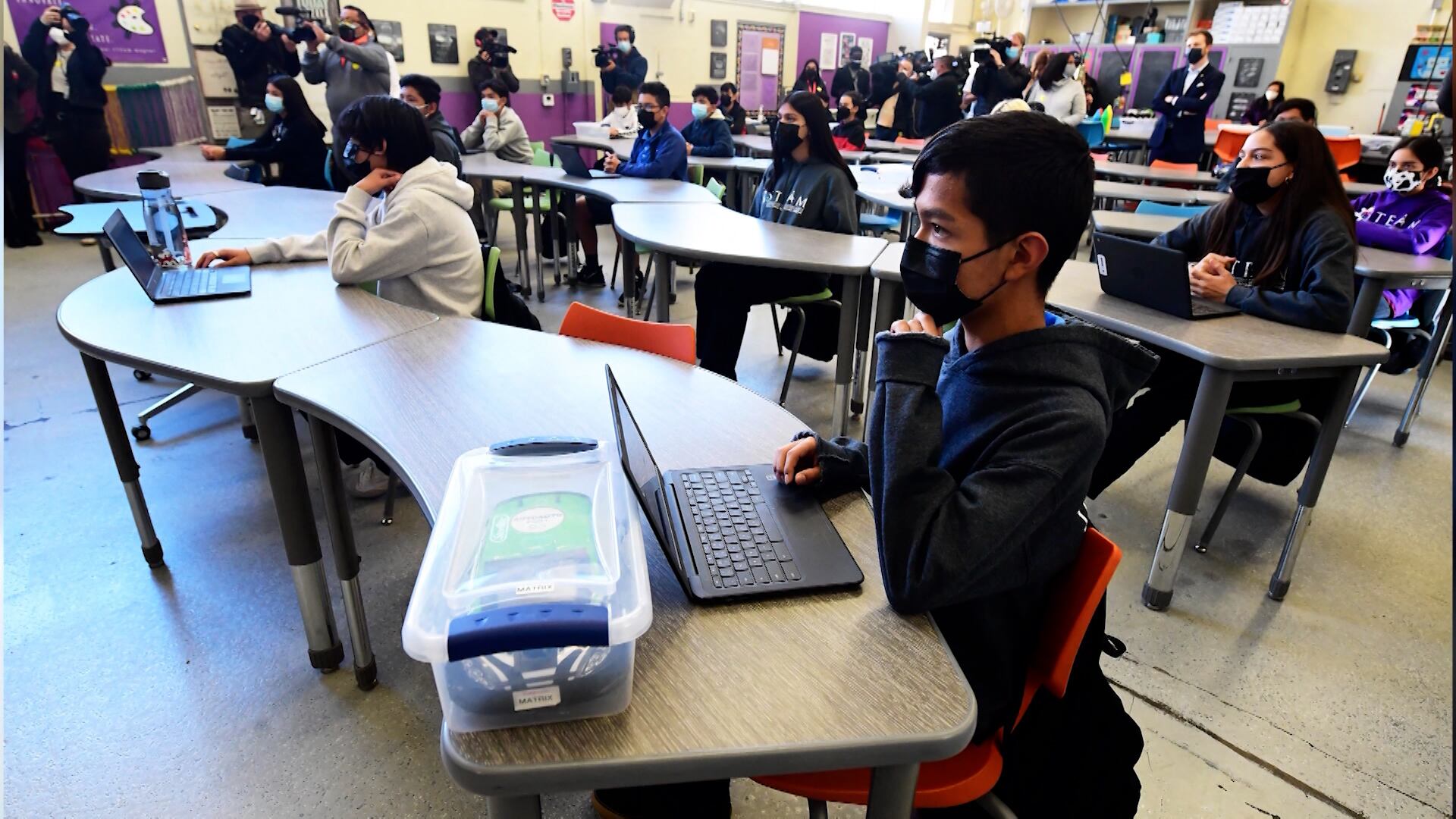
With an increasing number of teachers and staff calling out sick by the day, the state of Oklahoma is turning to an unusual solution. Republican Governor Kevin Stitt has issued an executive order that permits state employees to work as substitute teachers. Shaily Baranwal, founder and CEO of Elevate K-12, joins Cheddar News to discuss.
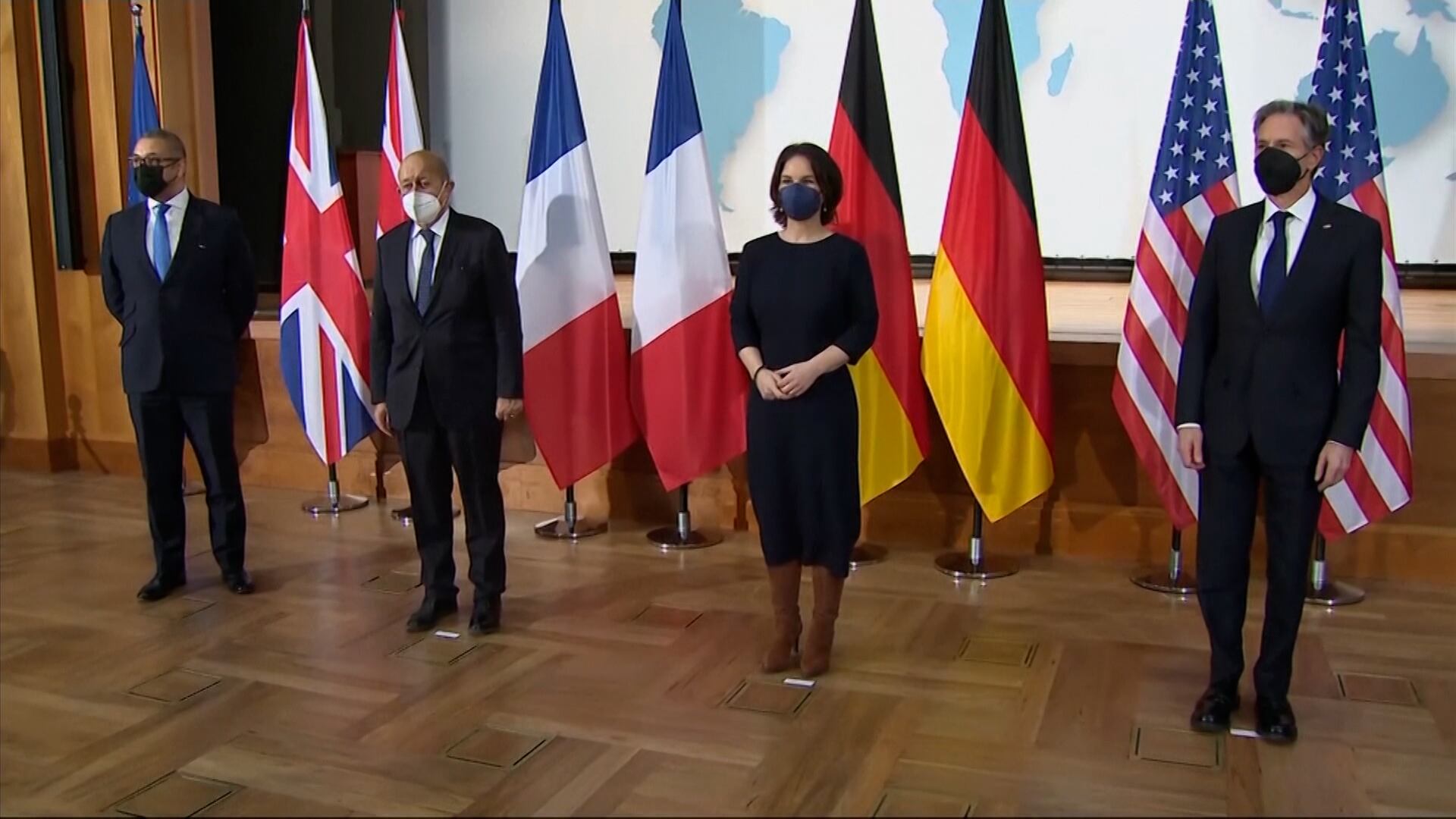
On Thursday, Secretary of State Antony Blinken addressed the stance of the U.S. and its allies should Russia make any forays into Ukraine, a seeming response to President Biden's remarks that should Putin engage in something short of a full invasion, there might be some indecision among allied nations regarding what to do. Ariel Cohen, a senior fellow at the think tank Atlantic Council, joined Cheddar to discuss the difficulty faced by Blinken wrangling unity as tensions run high in the region. "There'll be a smaller incursion, and the president implied, there'll be a weaker response because our European allies have created this horrible situation where they are dependent on Moscow for their gas supply," Cohen explained.
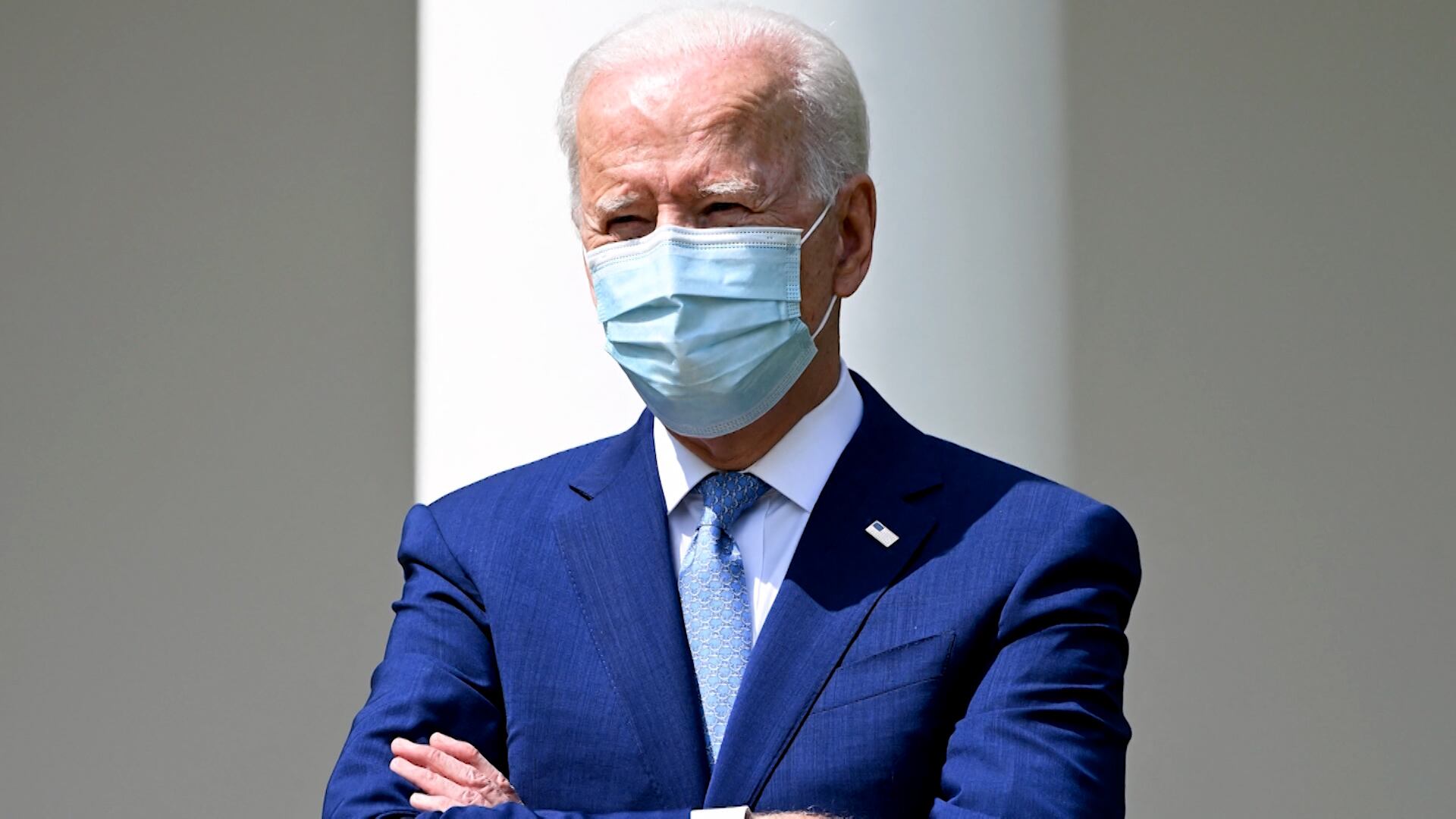
During a nearly two-hour press conference on Wednesday, President Biden spoke on his accomplishments and challenges from the first year of his presidency, and what his administration hopes to accomplish in the coming year. However, his approval ratings are underwater as COVID remains a big concern for voters — as does inflation, noted Tom Bevan, co-founder and president of polling aggregator RealClearPolitics. "The public thinks [inflation] is priority number one, and the administration is concerned about it, they talk about it, but they're not spending enough time on it as far as the public is concerned," said Bevan.
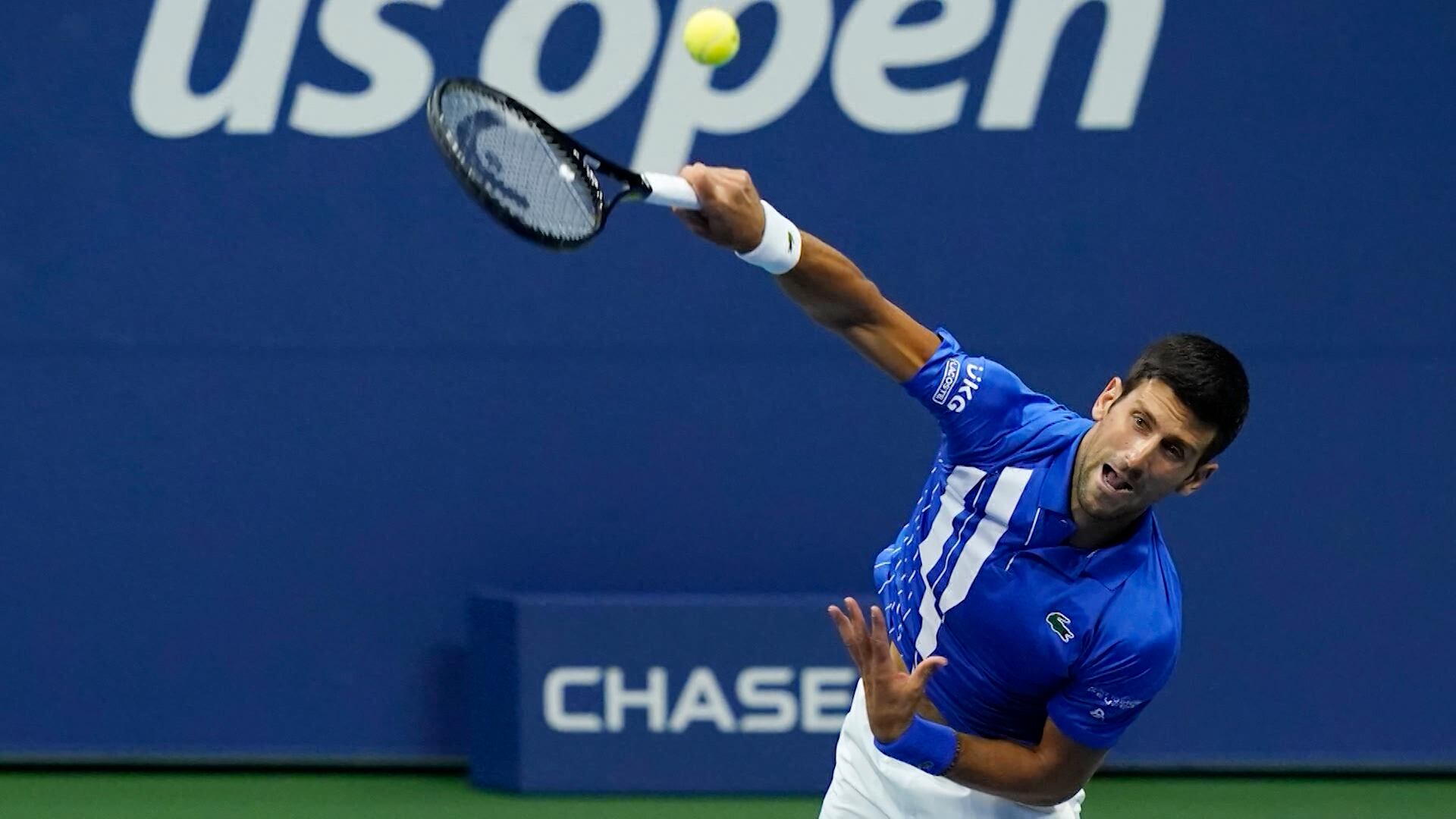
The drama surrounding tennis star Novak Djokovic continues after he was deported from Australia over the weekend due to the nation's COVID-19 vaccine requirements. Djokovic was forced to leave the country on the eve of what was to be his first match in defense of his Australian Open title after three judges ruled in favor of his removal and revealed their reasoning for doing so. Adding to his woes, a law recently passed in France is putting his chances of defending his French Open title in jeopardy. The director of Marist's Center for Sports Communication, Jane McManus, joined Cheddar to discuss the ongoing fallout.
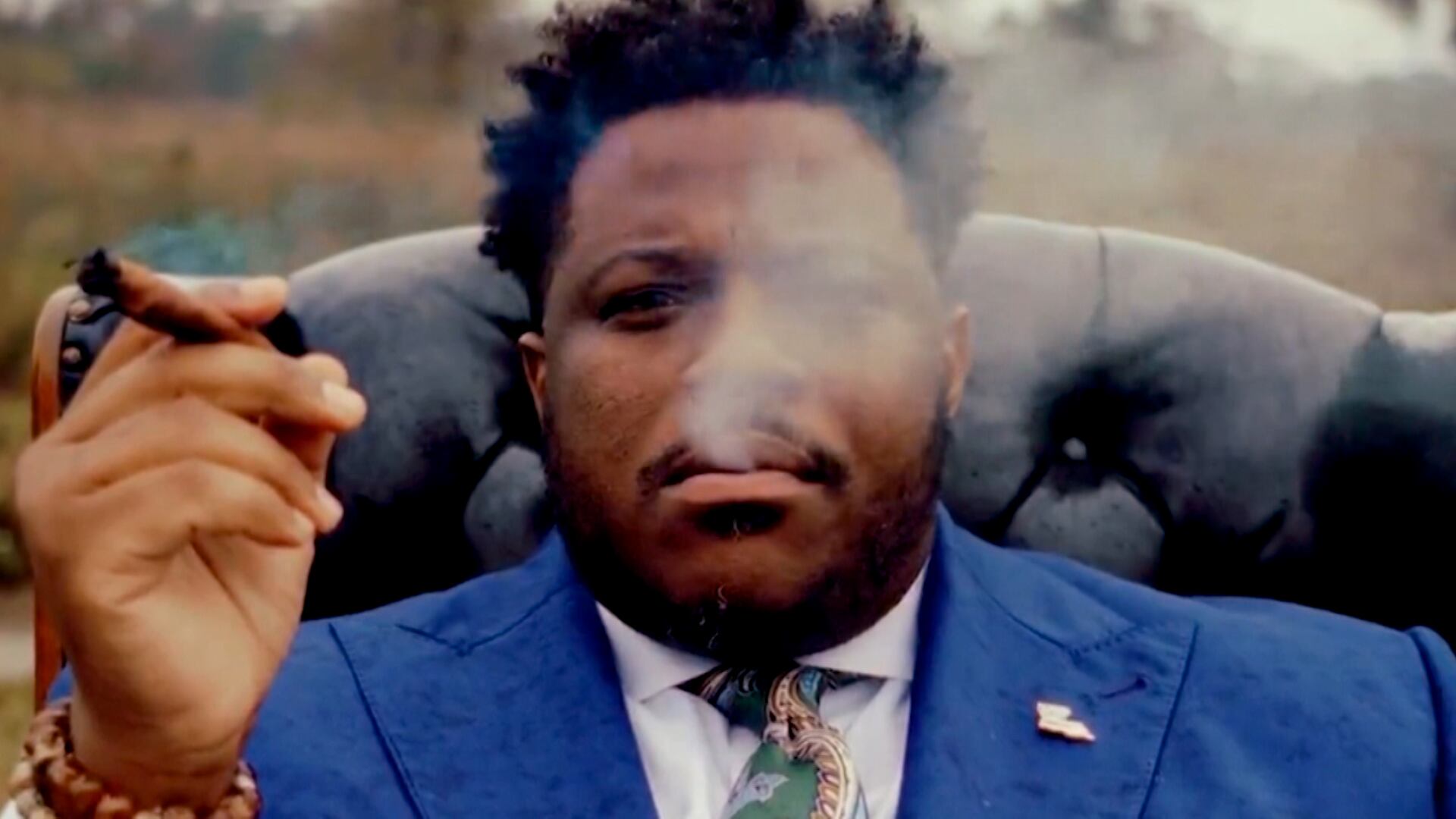
As the midterm elections get ever closer, candidates have been getting creative with their campaigns to stick out and to connect with voters. Gary Chambers, a Democratic candidate for the U.S. Senate from Louisiana, has definitely attracted attention with an advertisement featuring him smoking a blunt, making a point about the inequity of anti-cannabis laws. "We wanted to bring the seriousness of the moment," he said of the ad. "But we also wanted to make sure that people understand that there are 19 states that are legal right now but Black people and brown people are being over-incarcerated in mostly Southern and Midwestern states in America for cannabis possession."
If some members of Congress have their way, there might finally be a 'TLDR' on sites' terms of service, introduced by the terms-of-service labeling, design, and readability act – or TLDR for short. With this act, users will actually understand what they're agreeing to or the many ways in which their data is being used before pressing 'accept.' J.D. sat down with co-sponsor of the bill and Senator Bill Cassidy, to discuss.
President Joe Biden's first year in office is wrapping up. What has he achieved, and what else remains on the table while the Democrats have control of Washington? Amid an ongoing pandemic and rising inflation, Biden's approval rating is at an all-time low and his party is plagued by infighting. Will he be able to continue pushing key parts of his agenda? Paul Glastris, former Bill Clinton speechwriter & Editor-in-chief of 'Washington Monthly,' joins Cheddar News' Closing Bell to discuss the president's achievements in his first year, where he's fallen short, and what he must do in order to get more of his agenda signed into law.
Tech giants Meta, Amazon, Alphabet, and Apple are faced with a bipartisan antitrust legislation effort underway in the Senate Judiciary Committee. The companies stand accused of promoting their own goods and services over smaller competitors on their platforms, holding too much monopolistic power via their app stores and services. Adam Kovacevich, founder and CEO of Chamber of Progress, a technology industry trade group, joined Cheddar to argue that the bills that are being debated currently could end up hurting consumers, rather than helping.