By Darlene Superville
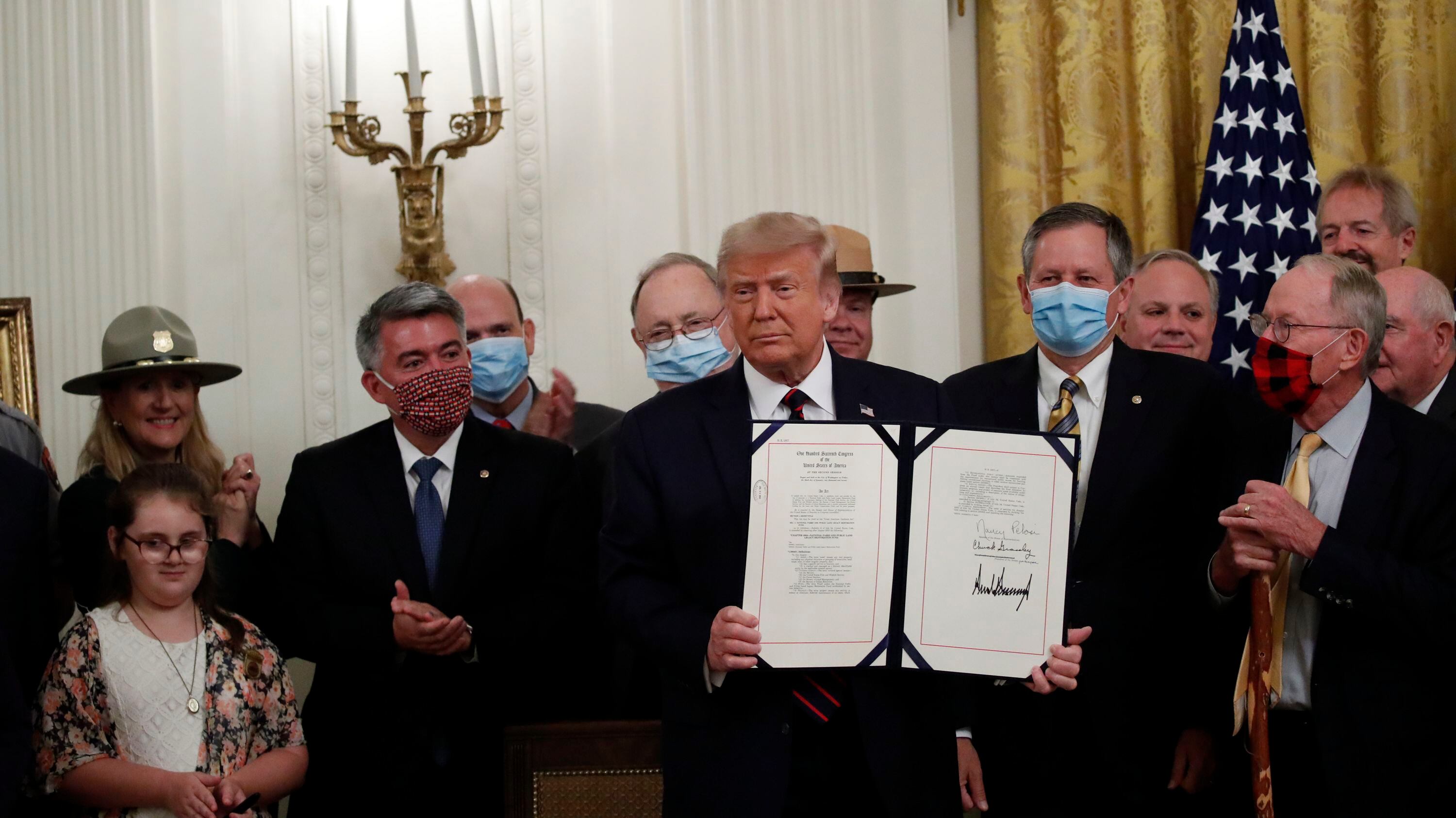
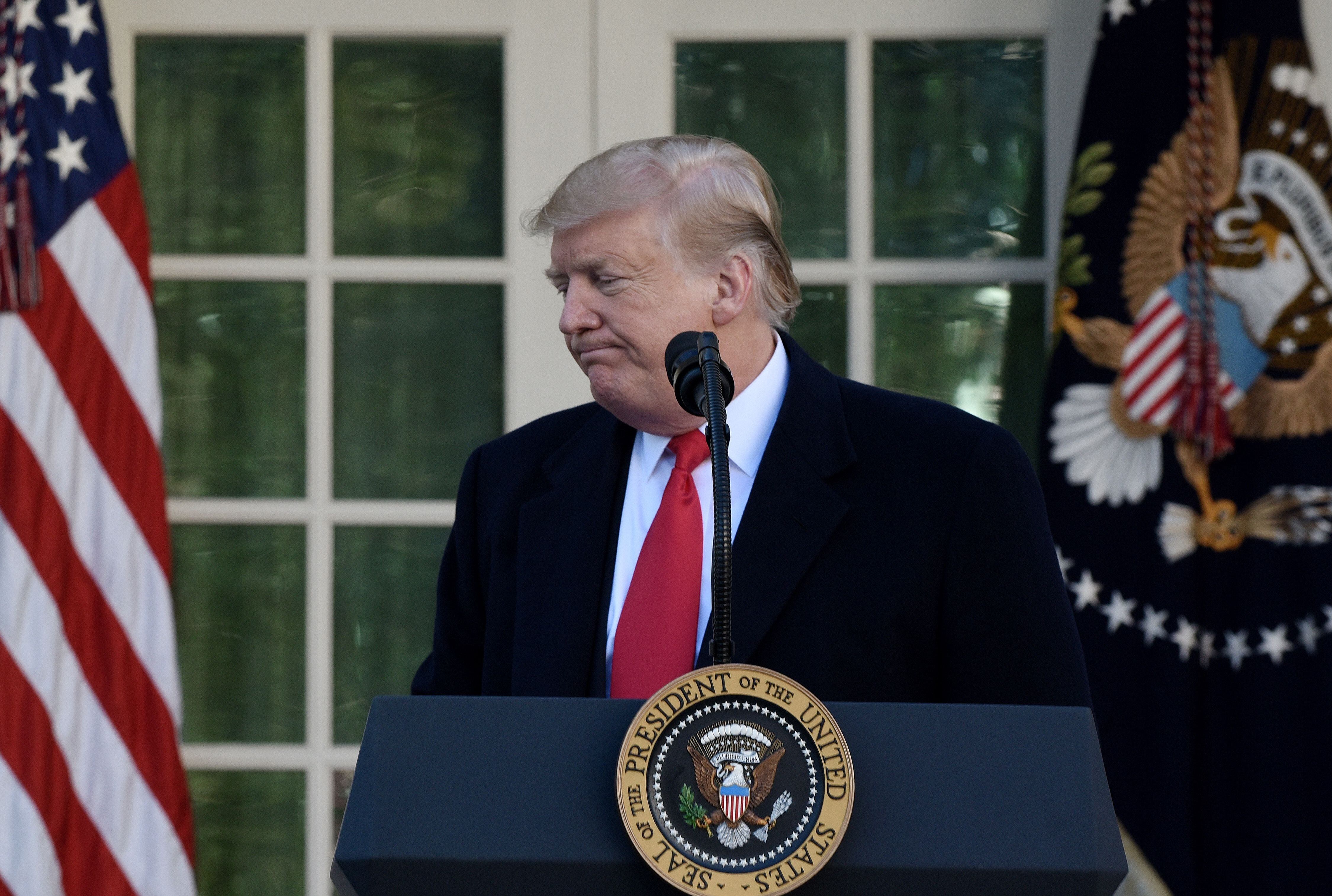
President Donald Trump on Tuesday signed into law legislation that will devote nearly $3 billion annually to conservation projects, outdoor recreation, and maintenance of national parks and other public lands. The measure was overwhelmingly approved by Congress.
"There hasn't been anything like this since Teddy Roosevelt, I suspect," Trump said about the 26th president, who created many national parks, forests, and monuments to preserve the nation's natural resources.
Supporters say the Great American Outdoors Act is the most significant conservation legislation enacted in nearly half a century. Opponents counter that the money isn't enough to cover the estimated $20 billion maintenance backlog on federally owned lands.
The law requires full, mandatory funding of the popular Land and Water Conservation Fund and addresses the maintenance backlog facing America's national parks and public lands. The law would spend about $900 million a year — double current spending — on the conservation fund and another $1.9 billion per year on improvements at national parks, forests, wildlife refuges, and range lands.
Trump in his budgets to Congress had previously recommended slashing the amount of money allocated to the fund, but he reversed course and called for full funding in March.
Supporters say the legislation will create at least 100,000 jobs while restoring national parks and repairing trails and forest systems.
The park maintenance backlog has been a problem for decades, through Republican and Democratic administrations.
The House and the Senate cleared both bills by overwhelming bipartisan margins this summer.
Among the bills' congressional champions are Republican Sens. Cory Gardner of Colorado and Steve Daines of Montana. Both are among the Senate's most vulnerable incumbents, and each represents a state where the outdoor economy and tourism at sites such as the Rocky Mountain and Yellowstone national parks play an outsize role.
Daines and Gardner persuaded Trump to support the legislation at a White House meeting this year.
The late Rep. John Lewis, D-Ga., sponsored the original measure that passed the House and contained Senate amendments.
Ivanka Trump, the Republican president's daughter, and adviser, also supported the legislation.
President Trump talked about the beauty of the national parks on Tuesday, ticking off the names of some of them but tripping over Yosemite, one of the best known, and badly mispronouncing it twice.
"We want every American child to have access to pristine outdoor spaces, where young Americans experience the breathtaking beauty of the Grand Canyon when their eyes widen in amazement as Old Faithful burst into the sky when they gaze upon Yosemite's, Yosemite's, towering sequoias, their love of country grows stronger and they know that every American has truly a duty to preserve this wondrous inheritance," Trump said, pronouncing Yosemite's as yoh-SEH'-mytz instead of yoh-SEM'-it-eez.
The legislation's opponents, mostly Republicans, complain it would not eliminate an estimated $20 billion maintenance backlog on 640 million acres (259 million hectares) of federally owned lands. The legislation authorizes $9.5 billion for maintenance over five years.
Lawmakers from Gulf Coast states also complained that their states receive too small a share of revenue from offshore oil and gas drilling that is used to pay for the conservation fund.
___
This story has been corrected to show the area with the maintenance backlog is 640 million acres, not 640 acres.
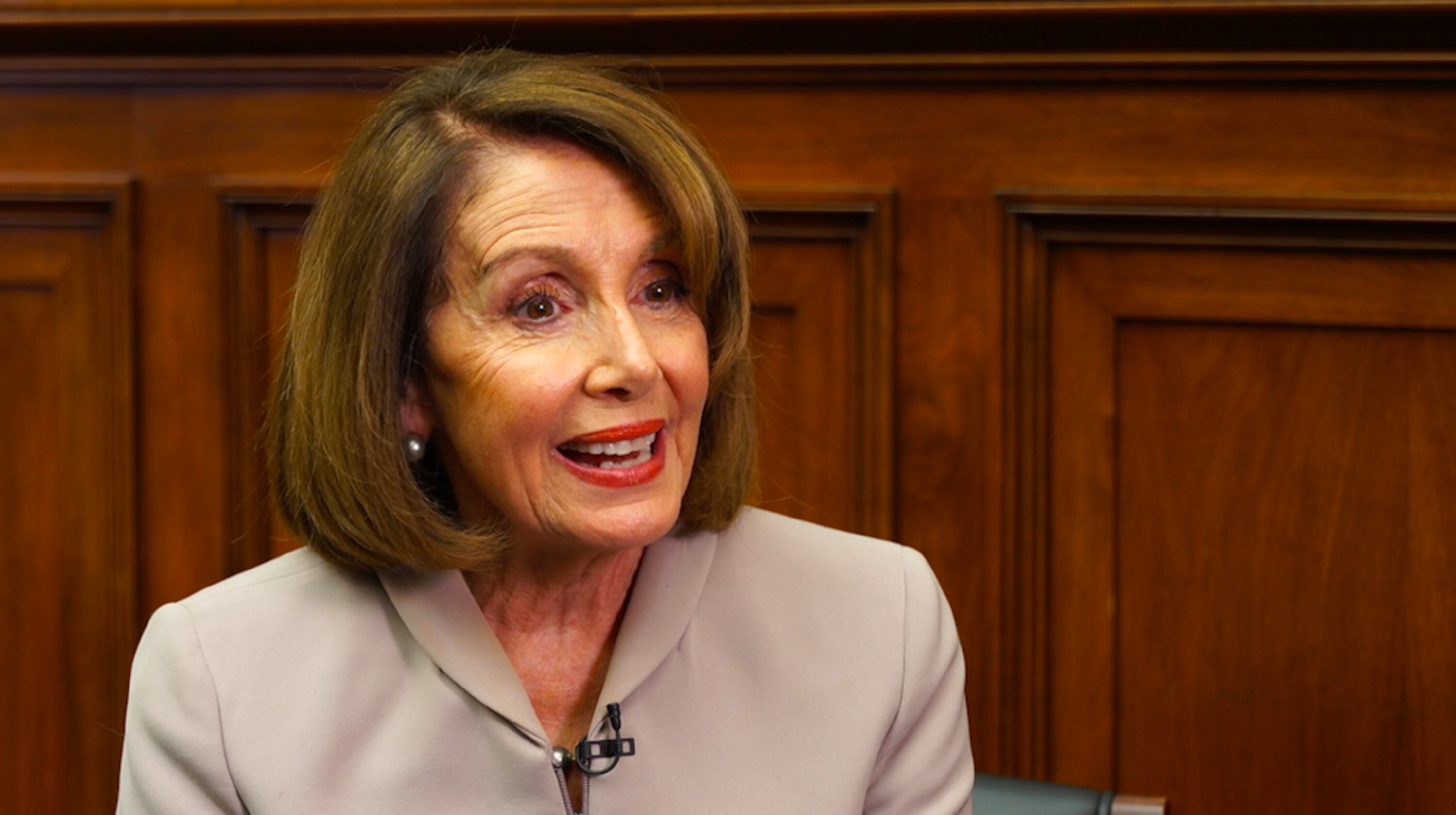
Young Americans face a double burden from crushing student debt and the ballooned federal deficit that is the result of President Trump's tax cut, House Speaker Nancy Pelosi told Cheddar's J.D. Durkin in an interview that aired Wednesday. Pelosi called the economic position many millennials find themselves in, even as the economy remains strong, "unconscionable." "Republicans foisted onto future generations [an] economy that is unfair, that is not really lending itself to growth in a strong, predictable, confident, certain way," Pelosi said.
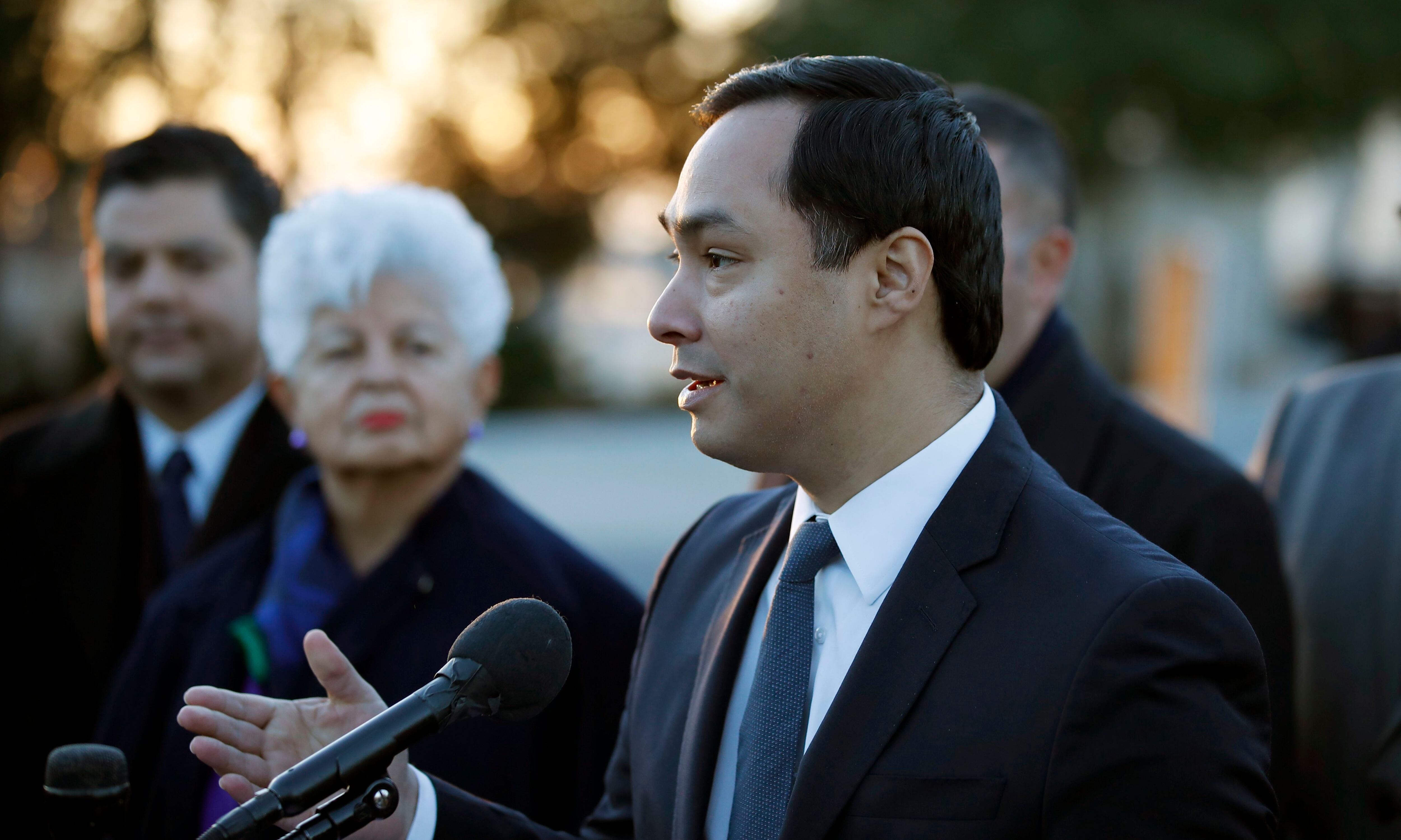
The newly appointed vice chairman of the House Foreign Affairs Committee, Rep. Joaquin Castro (D-Tex.), said he is "absolutely" concerned that Chinese telecommunication giant Huawei poses a threat to national security in an interview on Cheddar Tuesday.
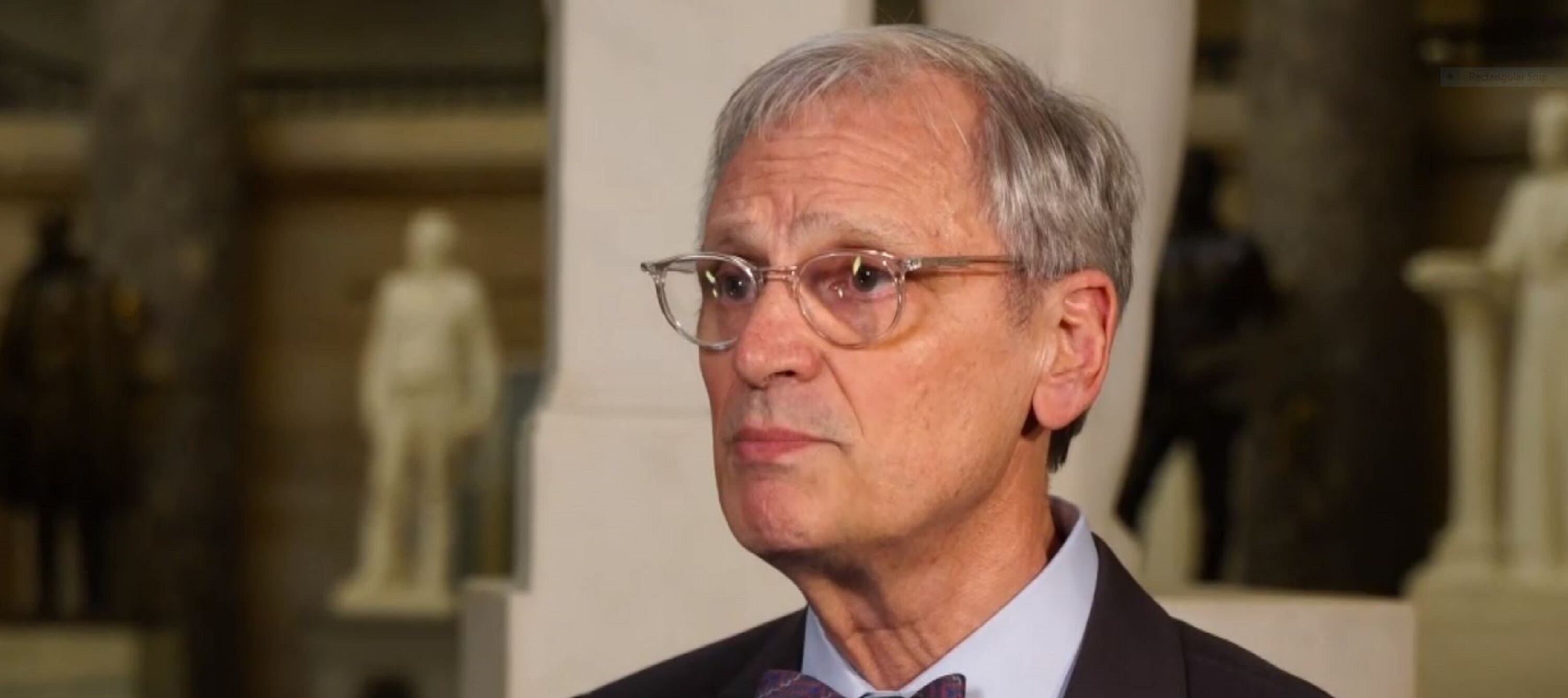
Democratic Rep. Earl Blumenauer of Oregon is pushing forward for marijuana reform, introducing the aptly named House Resolution 420 to regulate marijuana much like alcohol was regulated post-Prohibition. "Ultimately we're going to be moving in that direction, allowing the states to be able to set up a regulatory system that meets their needs ー have their own approach in terms of taxation and distribution, just like alcohol," Blumenauer told Cheddar Tuesday. "
The cannabis business is budding across the United States, and one company is hoping to take hemp mainstream. Socati just announced a new $33 million round of funding. The company's CEO Josh Epstein talked to Cheddar about how that investment will help Socati expand is business.
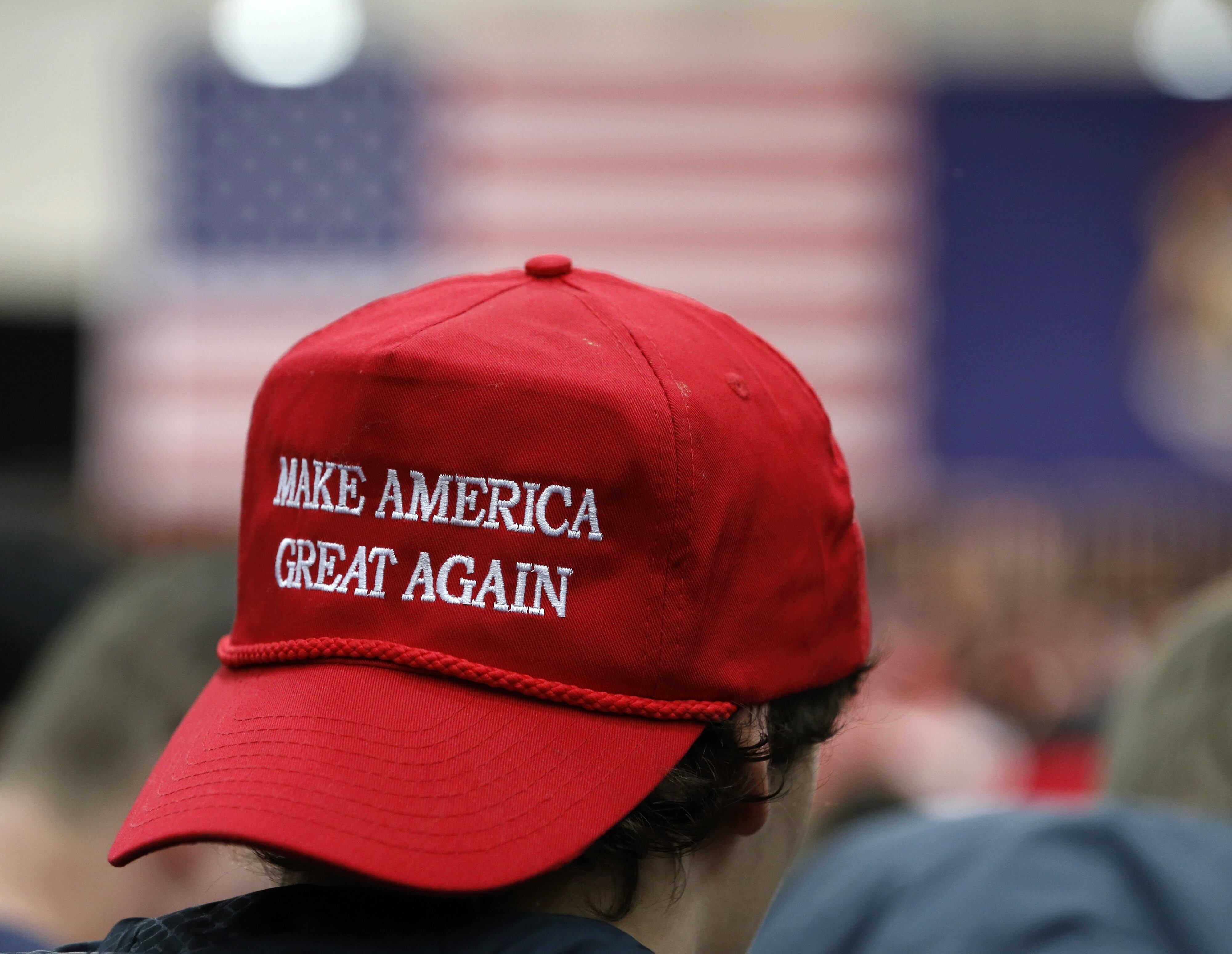
President Trump's "Make America Great Again" cap is more than just a hat, it's a "symbol of us vs. them," Washington Post fashion editor Robin Givhan told Cheddar. Givhan penned a column last week about what the hat has come to mean in the years since it burst on the scene as a campaign accessory for Trump's 2016 presidential bid. The hat, she wrote, has become "a symbol of us vs. them, of exclusion and suspicion, of garrulous narcissism, of white male privilege, of violence and hate."
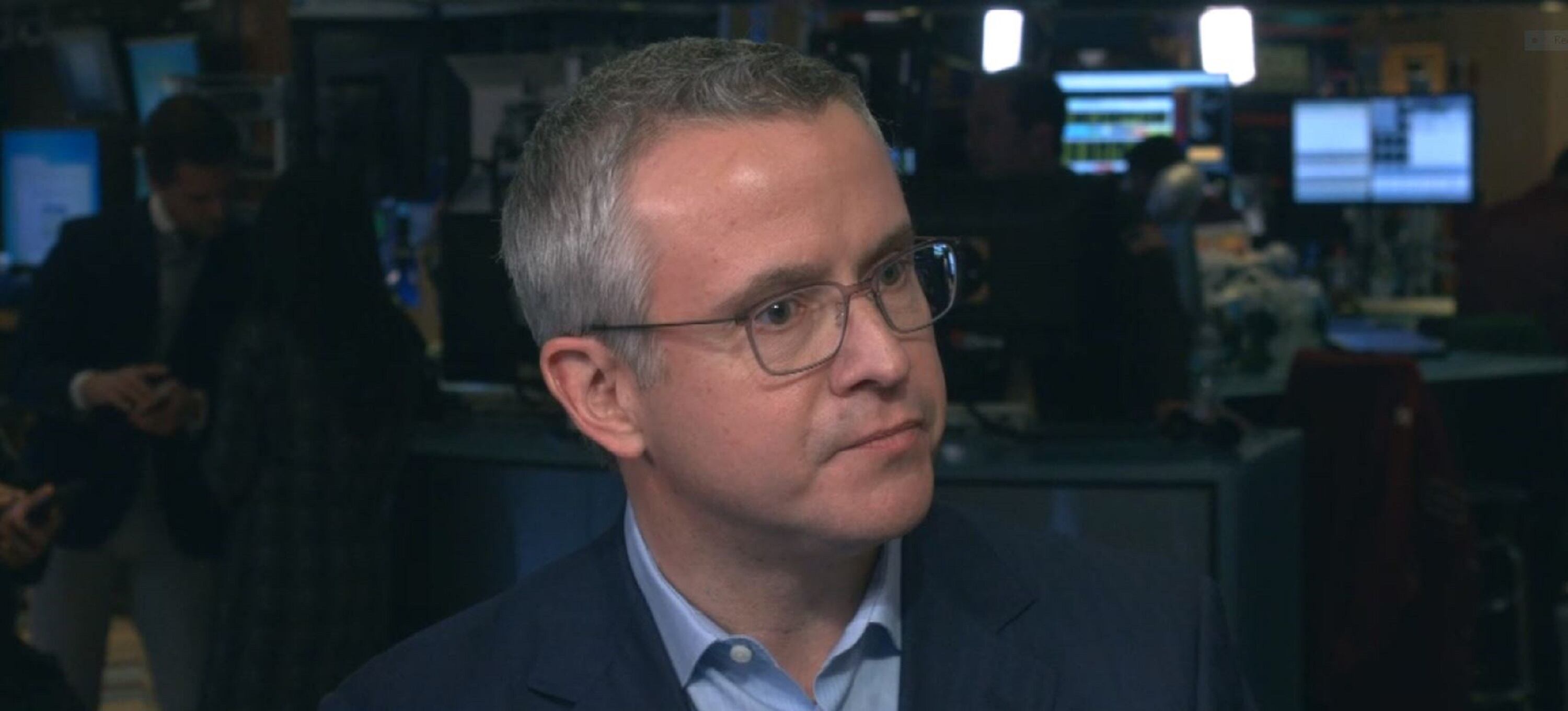
Between changes in the tax code and the government shutdown, H&R Block knows this year's tax season is likely to be stressful for many. That's why the company's introducing a slate of tools, some artificial intelligence-enabled, to help make it easier and more transparent to file. "This year we are introducing upfront, transparent pricing, so every single consumer will know what's it going to cost before I start," H&R Block CEO Jeff Jones told Cheddar.
These are the headlines you Need 2 Know for Tuesday, Jan. 29, 2019.
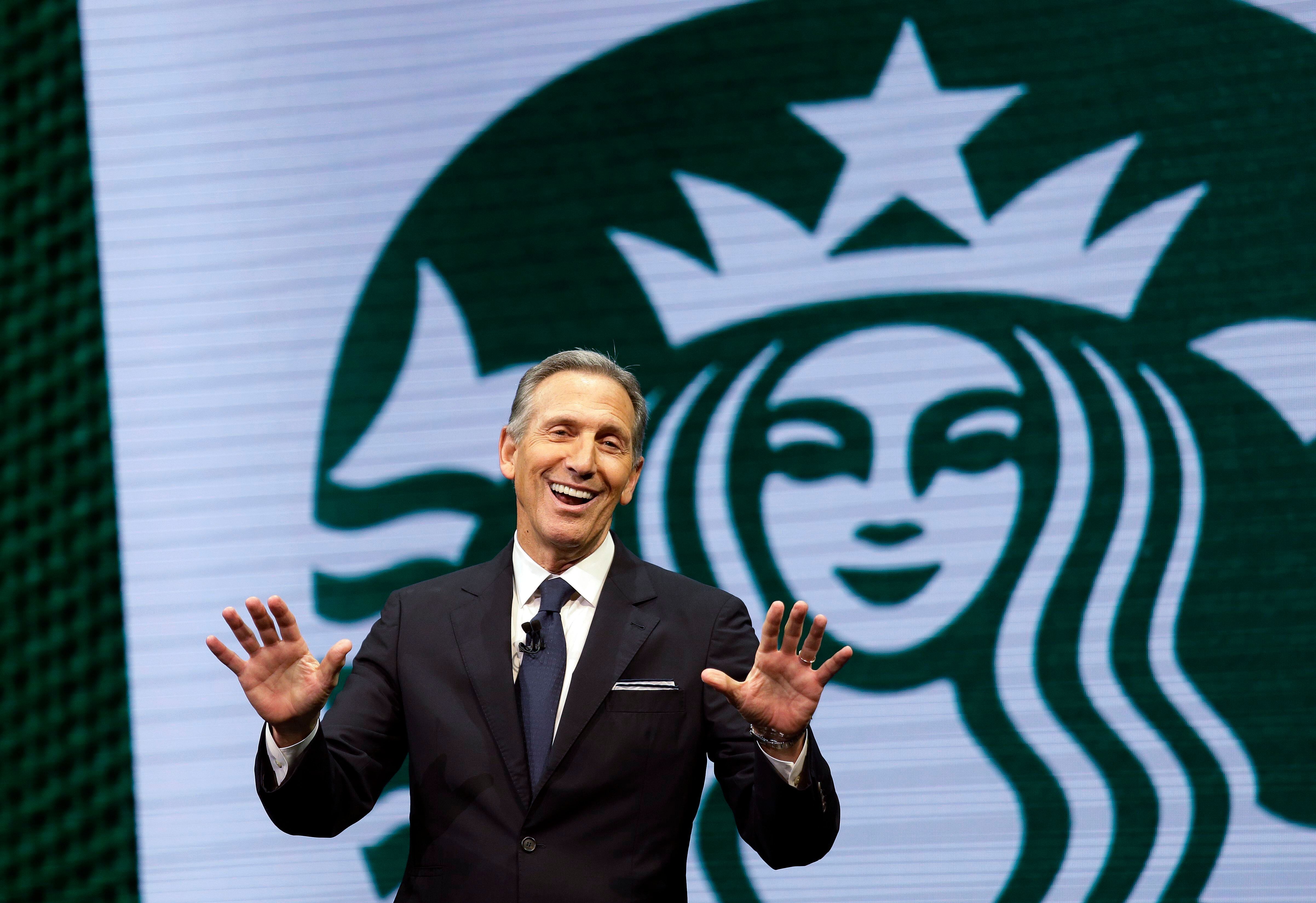
The battle of the billionaires may be heating up ahead of the 2020 presidential race, as former mayor and media mogul Michael Bloomberg took a swipe at ex-Starbucks CEO Howard Schultz after he announced a potential run for president as an independent during an interview on "60 Minutes" Sunday. The two billionaires are looking in part to capitalize on their corporate success to gain an edge against President Trump, who leveraged his business career to gain the presidency. "Anything is really possible at this point, and you don't want to ignore a white billionaire announcing a candidacy for president," Julia Manchester, reporter at The Hill, told Cheddar Monday. "We saw it happen in 2015 and \[Trump]\ won."
The U.S. Treasury on Monday announced sanctions against Venezuela's state-owned oil firm in an effort to undermine incumbent president Nicolás Maduro and reinforce support for interim president Juan Guaidó. Brett Bruen, a former diplomat and director of global engagement under President Obama, called the administration's decision a "rare bright spot" in Trump's foreign policy. "The Trump administration is holding firm to defend democracy, they are standing up for human rights, they are standing up for the rule of law," Bruen told Cheddar Monday.
Trump's political calculus to appeal to his base ー an older, whiter, more conservative demographic ー is coming at the expense of his popularity among millennials, said Kristen Soltis Anderson, a Republican pollster and author of "The Selfie Vote: Where Millennials Are Leading America." That poses a problem for the GOP as it seeks to broaden its tent in anticipation of a future when Donald Trump is not on the ballot.