Mismanagement and miscommunication by President Donald Trump and his top advisors have reportedly hamstrung the construction of tens of thousands of sorely needed ventilators.
The White House this week abruptly canceled a planned $1.5 billion agreement by the Federal Emergency Management Agency to buy as many as 80,000 of the breathing devices from a new partnership between General Motors and the medical device manufacturer Ventec Life Systems.
Despite public statements earlier this week that he had given U.S. automakers a “go-ahead” to start making ventilators, Trump and senior administration officials began fretting over the deal’s price tag, according to The New York Times.
The president and top advisors worried that GM and Ventec would not be able to deliver enough ventilators. The companies’ projections for the first run of production fell from 20,000 ventilators to 7,500. However, at the same time, the White House and federal officials also feared that the federal government would end up with a surplus of the devices.
The estimated $1.5 billion cost – about $18,000 per ventilator – amounts to 0.075% of the $2 trillion relief package passed by the Senate early Thursday. As the Times pointed out, it’s also roughly the cost of just 18 F-35 fighter jets.
Ventilators are in severely short supply as the number of cases of coronavirus, or COVID-19, have soared. State officials and medical workers across the country have cheered the arrival of even a handful of ventilators, let alone a few hundred or several thousand.
Last week, GM became the first automaker to publicly acknowledge that it was considering joining efforts to help make ventilators and other devices. Ford and Tesla have since taken similar steps. All three automakers, and many others, had halted their assembly lines to help slow the spread of coronavirus.
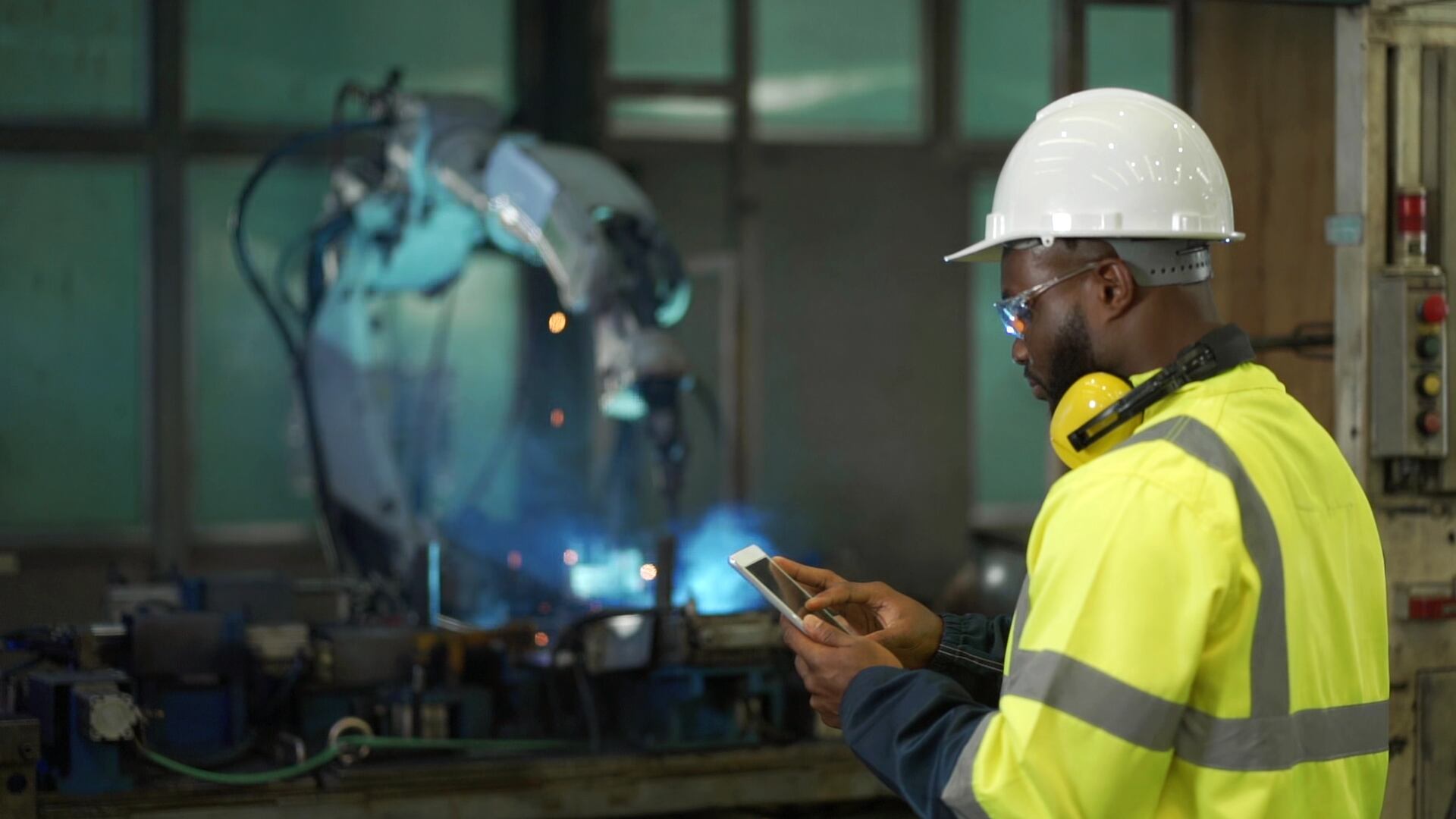
While Trump has implied that he had given automakers permission to start making ventilators, the companies do not need White House sign-off to make the devices. However, companies are seeking some assurance that there will be a clear buyer for the ventilators that they build – especially manufacturers such as GM, Ford and Tesla that don’t normally build medical devices, and which will need weeks to either reconfigure current factories or invest in new facilities.
The FEMA deal would provide such assurance to GM and Ventec. However, Trump has refrained from taking similar steps on a broader scale, namely implementing the provision of the Defense Production Act of 1950 that would allow federal officials to direct private industries to begin making certain goods – here, amid the coronavirus or COVID-19 pandemic, ventilators, respirators, face masks and face shields to alleviate severe shortages in the equipment. Yet while Trump has said that the Act “is in full force,” these provisions have not been instituted – further slowing ventilator production.
The Trump administration says it is now considering competing deals.