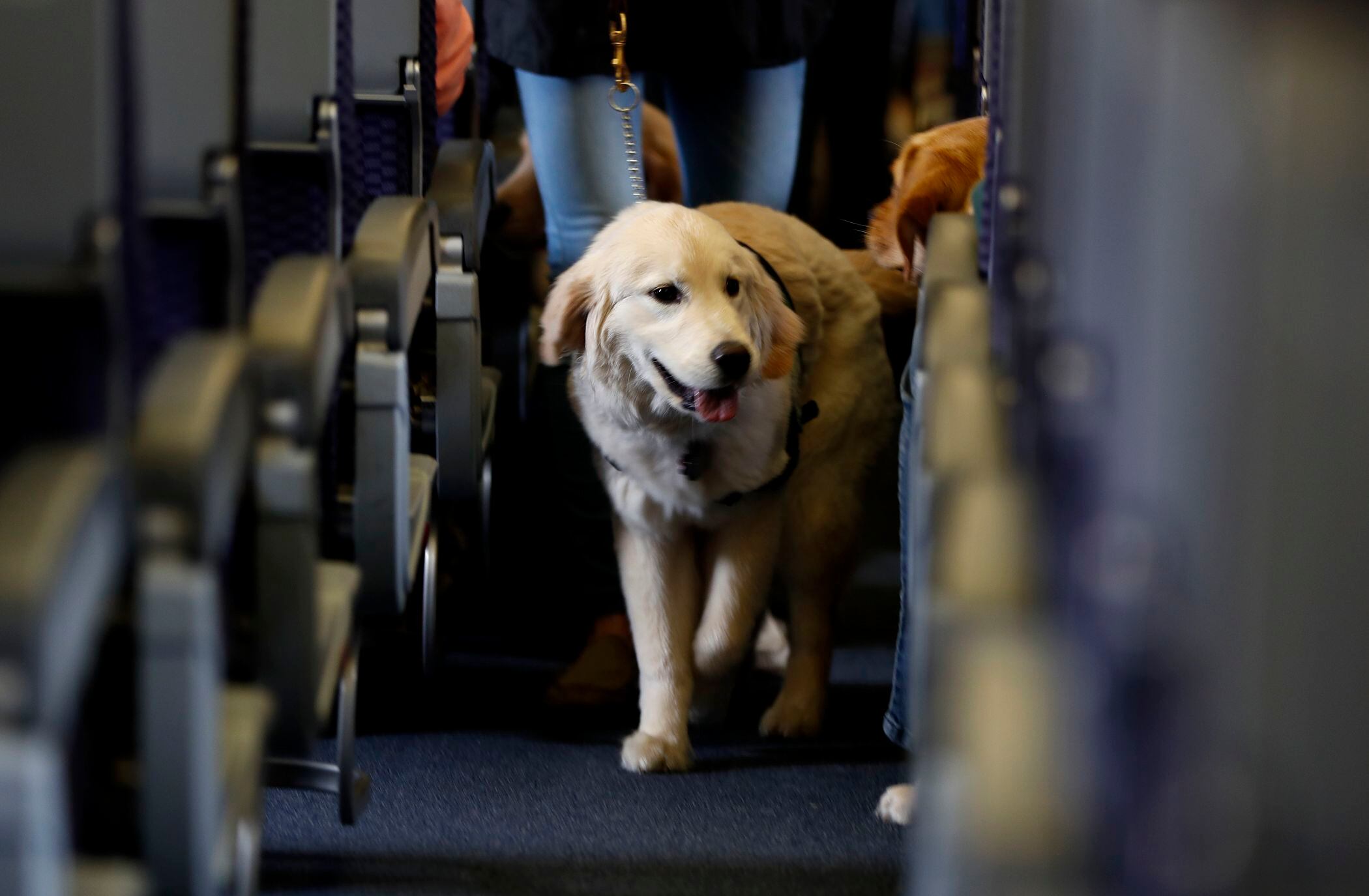
A service dog strolls through the isle inside a United Airlines plane at Newark Liberty International Airport while taking part of a training exercise, Saturday, April 1, 2017, in Newark, N.J. (AP Photo/Julio Cortez)
The government has decided that when it comes to air travel, only dogs can be service animals, and companions used for emotional support don't count.
The Transportation Department issued a final rule Wednesday that aims to settle years of tension between airlines and passengers who bring their pets on board for free by saying they need them for emotional support.
Under the final rule, which takes effect in 30 days, a service animal is a dog trained to help a person with a disability.
For years, the department required airlines to allow animals with passengers who had a doctor's note saying they needed the animal for emotional support. Airlines believed passengers abused the rule to bring a menagerie of animals on board including cats, turtles, pigs, and in one case, a peacock.
The new rule will likely force those passengers to check their animals into the cargo hold — for a fee — or leave them at home.
The rule requires airlines to treat dogs trained to help people with psychiatric issues the same as other service animals. Advocates for veterans and others had pushed for that.
Airlines will be able to require owners to vouch for the dog's health, behavior, and training. Airlines can require people with a service dog to turn in paperwork up to 48 hours before a flight, but they can't bar those travelers from checking in online like other passengers.
Airlines can require service dogs to be leashed at all times, and they can bar dogs that show aggressive behavior. There have been incidents of emotional-support animals biting passengers.
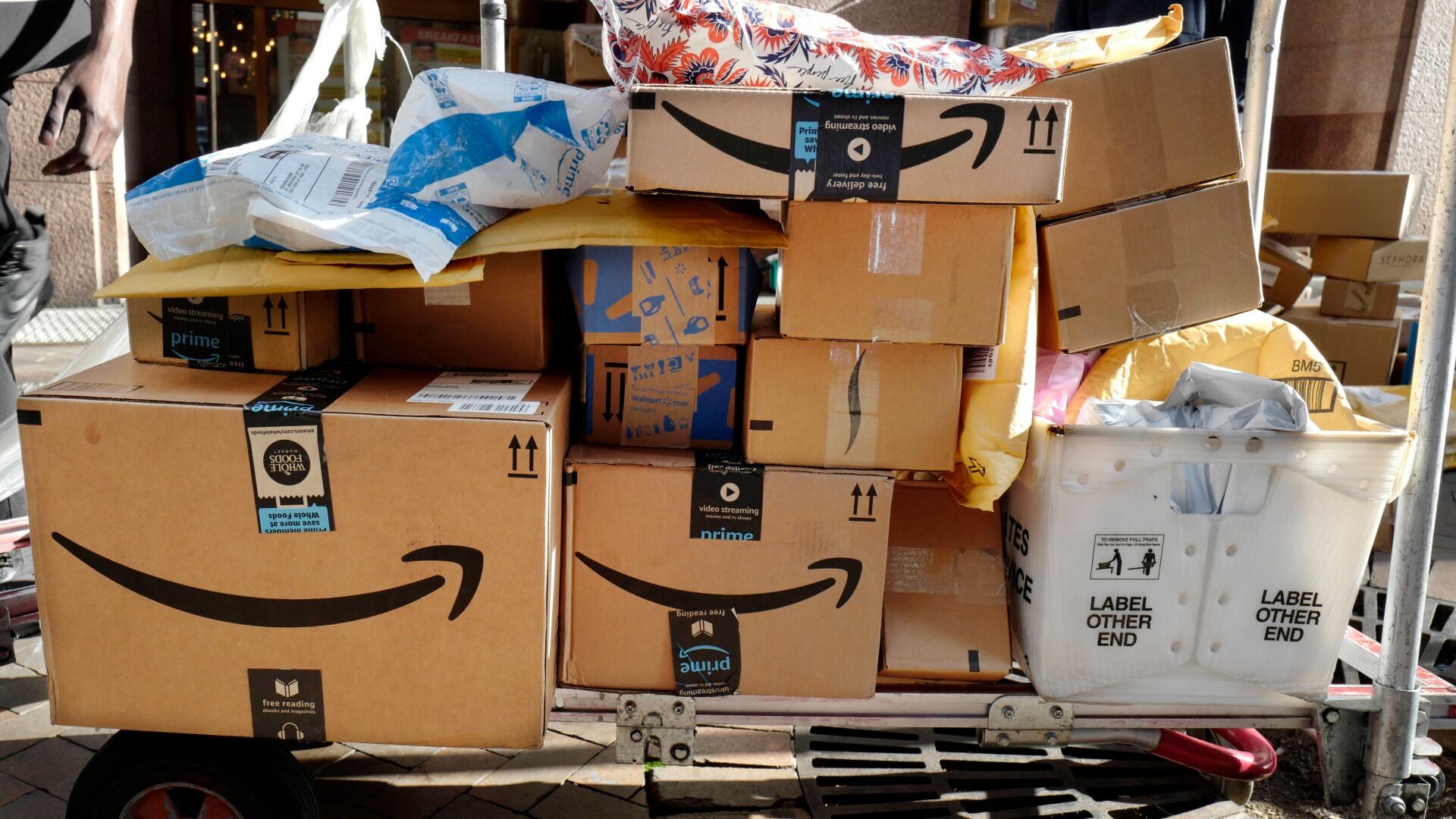
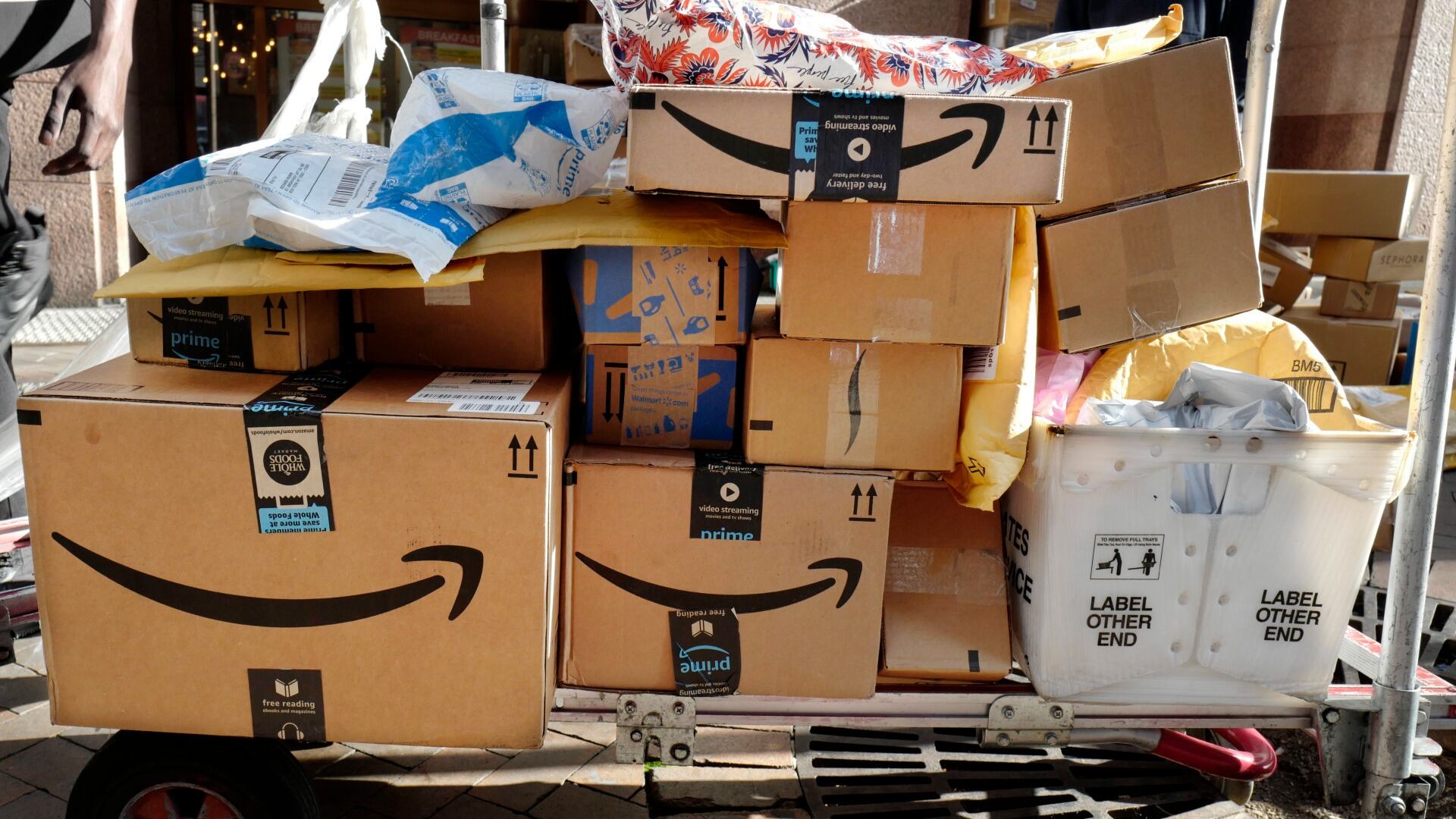
Amazon was sued Wednesday by Federal Trade Commission for what it called a years-long effort to enroll consumers without consent into its Prime program and making it difficult for them to cancel their subscriptions.
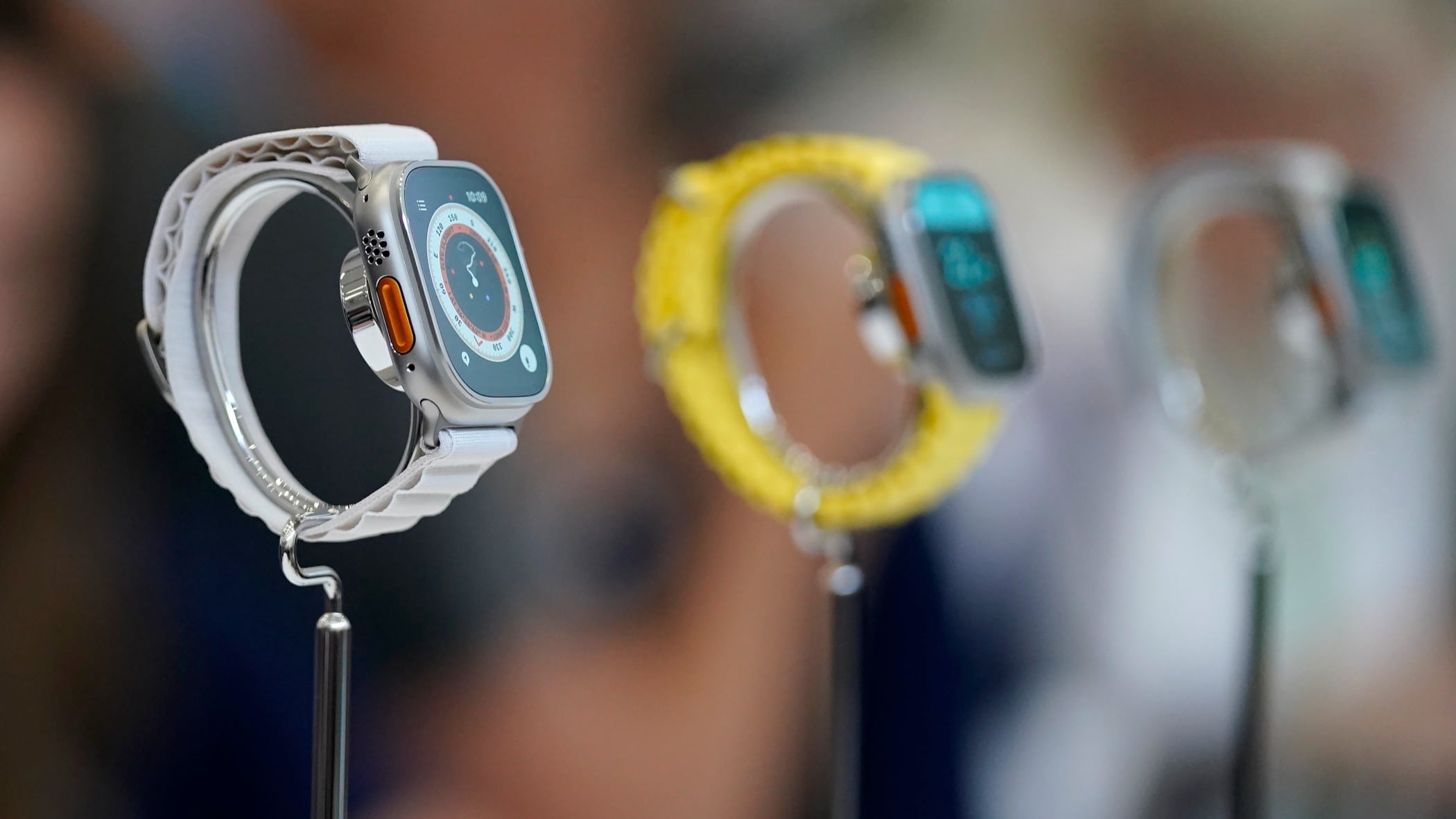
A 29-year-old Cincinnati woman was awakened by her Apple Watch, which alerted her about an elevated heart rate, prompting her to head to a doctor who notified her of a blood clot.
Anheuser-Busch's top marketing executive Marcel Marcondes addressed the ongoing boycott of Bud Light after protests over the company's partnership with trans influencer Dylan Mulvaney.
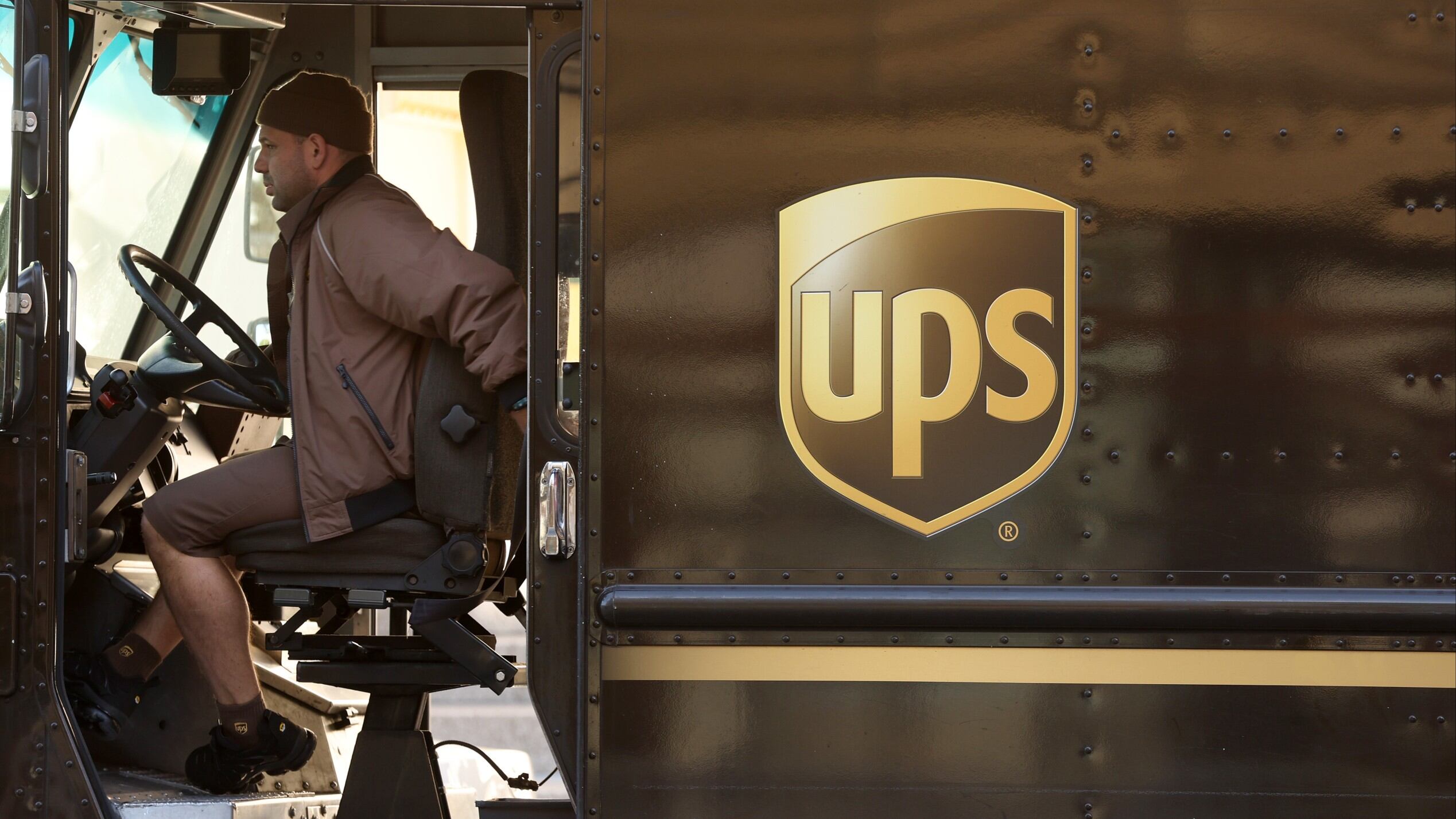
UPS recently announced it would equip delivery trucks with air conditioning. Dr. Douglas Casa, CEO of Korey Stringer Institute at the University of Connecticut, spoke with Cheddar News on the dangers of heat stroke and how workers can keep themselves safe from extreme weather.
The push for clean energy is igniting an interest in electric vehicles but charging EVs continues to be a concern for consumers looking to save. Brian Moody, executive editor with Autotrader, joined Cheddar News to discuss how people can make home-charging more affordable.