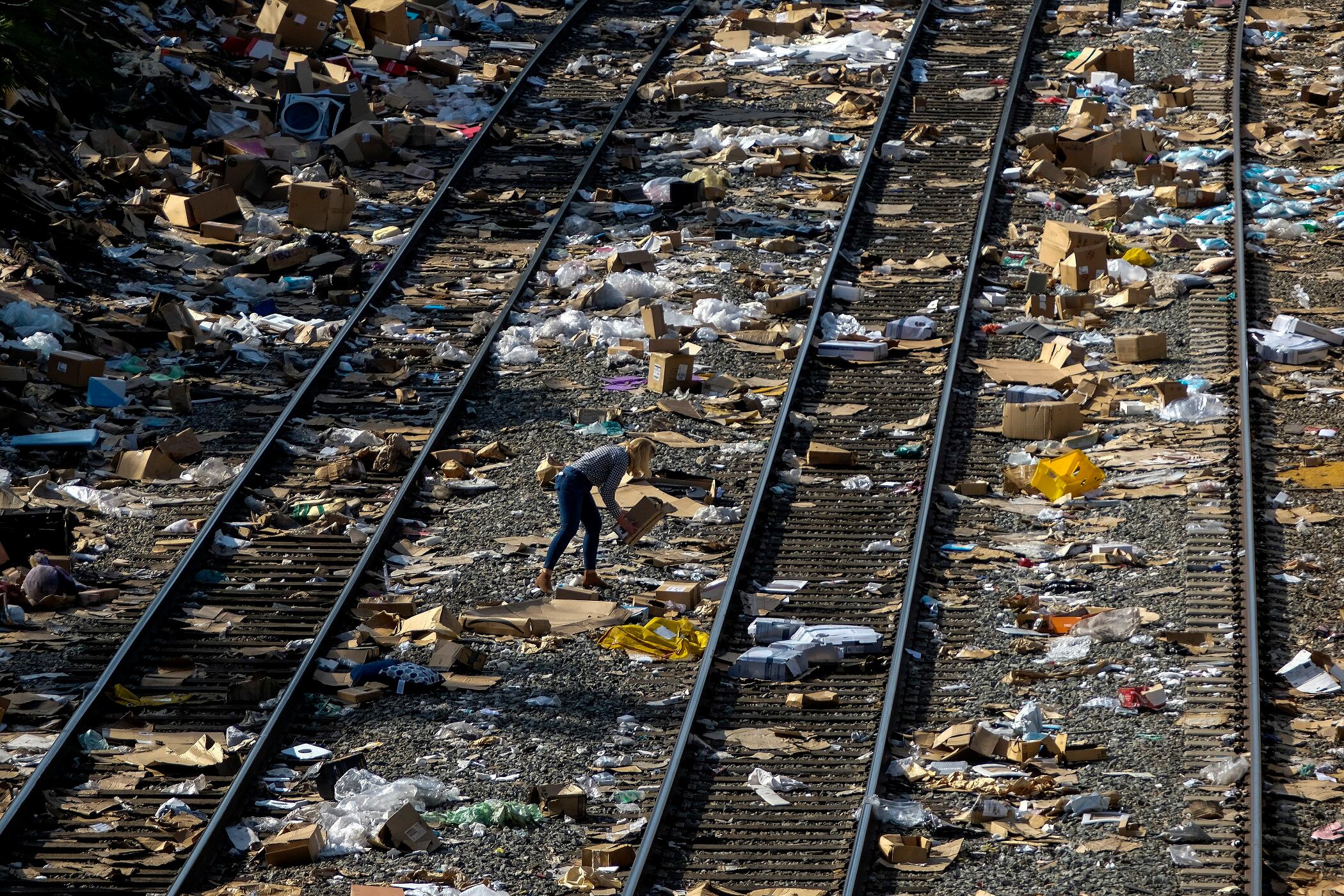
A member of the media picks up a shredded box at a section of the Union Pacific train tracks in downtown Los Angeles, Friday, Jan. 14, 2022. Thieves have been raiding cargo containers aboard trains nearing downtown Los Angeles for months, leaving the tracks blanketed with discarded packages. The sea of debris left behind included items that the thieves apparently didn't think were valuable enough to take, CBSLA reported Thursday. (AP Photo/Ringo H.W. Chiu)
Crews made railroad repairs in Los Angeles Monday after a train derailed near the location where thieves have been raiding cargo containers, leaving the tracks littered with emptied boxes of packaged good sent by retailers.
It wasn't immediately clear if the derailment that happened Saturday was caused by the debris left behind by thieves in the Lincoln Heights area near downtown Los Angeles. Union Pacific said the cause of the derailment was under investigation.
The derailment caused 17 train cars to go off the tracks, Union Pacific said in a statement. No injuries were reported.
Cargo containers aboard trains have been targeted by thieves for months, authorities said. The stolen packages are from retailers including Amazon, REI and others, the CBSLA television newscast reported last Thursday.
Union Pacific said in a statement to CBSLA that the railroad was concerned about increased cargo thefts in California.
“We have increased the number of Union Pacific special agents on patrol, and we have utilized and explored additional technologies to help us combat this criminal activity. We also will continue to work with our local law enforcement partners and elected leaders,” the railroad company said.
Amazon said it was directing inquiries to police. The United Parcel Service declined to comment on investigations into the cargo thefts but said the company was cooperating with authorities.
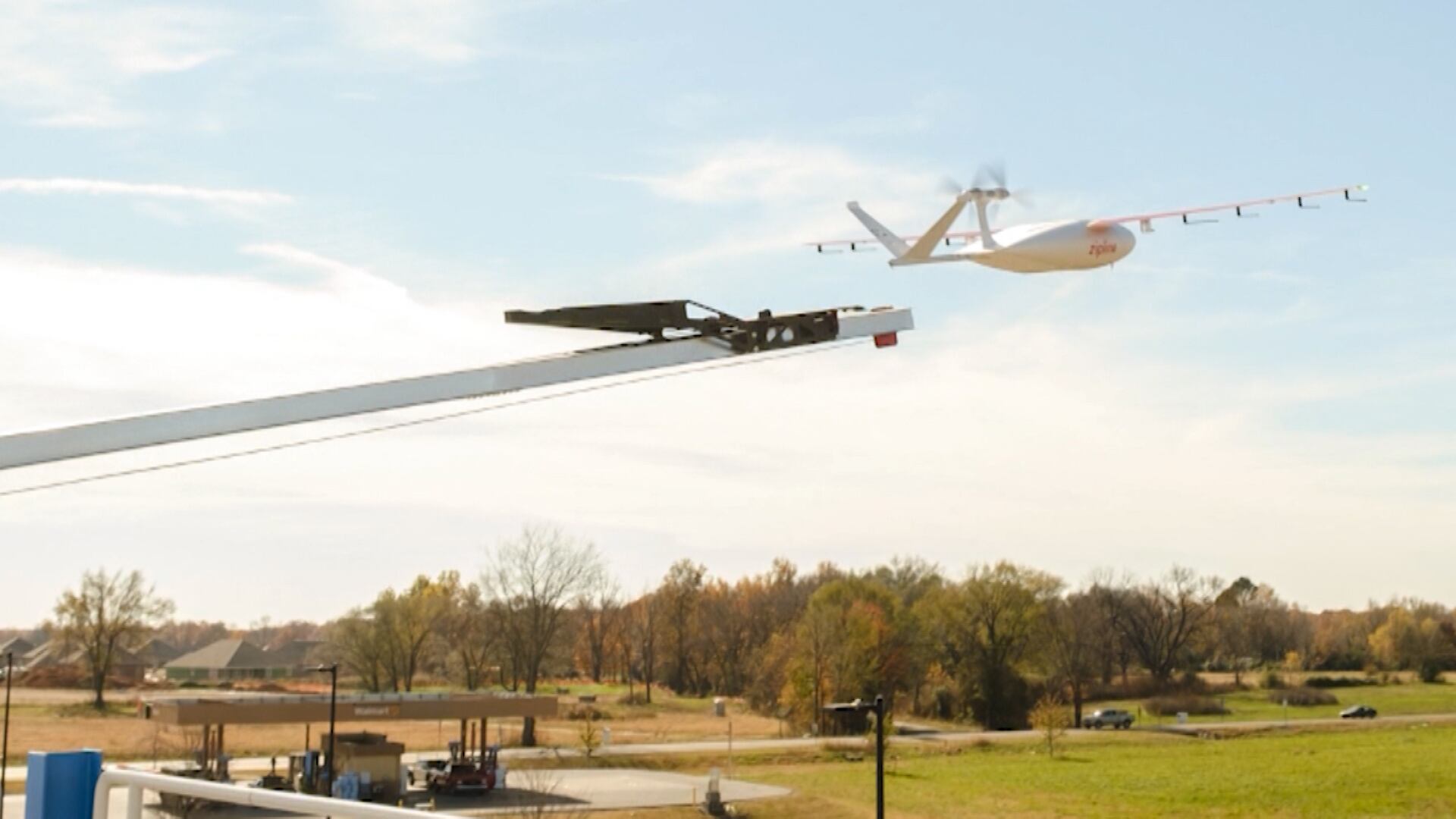
Walmart and Zipline have teamed up to launch a drone delivery service in Pea Ridge, Arkansas. The service delivers products to customers within a 50-mile radius of the store. Liam O'Connor, COO of Zipline, joins Cheddar News to talk more about the partnership.
President Joe Biden announced that the U.S. will tap into its strategic oil reserve in coordination with other nations and release 50 million barrels in an effort to lower energy prices.
On this episode of Cheddar Reveals, Yair Nechmad, Nayax CEO, discusses the future of cashless payments, and how cashless payments give retailers a competitive edge and allow merchants to scale business; Jason Thomas, Global CEO of Tappit, breaks down how the pandemic accelerated the transition to cash-free live events, and why that trend is here to stay; Cheddar gets a look at Curiosity Steam's 'Blockchain Revolution.'
Not long ago, banning cash at a large public event would have been seen as a crazy idea that would deter sales. But our cash-free future is getting closer with the use of contactless payments being implemented in sports venues, music festivals, concerts, and more. Jason Thomas, Global CEO of Tappit, joins Cheddar Reveals to break down how the pandemic accelerated the transition to cash-free live events, and why that trend is here to stay.
Yair Nechmad, Nayax CEO, joins Cheddar Reveals to discuss the future of cashless payments, and how cashless payments give retailers a competitive edge and allow merchants to scale business.
Bentley aims to become end-to-end carbon neutral by 2030. The luxury car brand has outlined steps to achieve this goal, including switching its entire model range to plug-in hybrid or battery electric vehicles by 2026 and become fully electric by 2030. Christophe Georges, president & CEO of Bentley Americas, joined Cheddar to discuss this new pledge and what consumers can expect from future models.
PepsiCo has announced a new goal to advance food security for 50 million people by 2030. To help achieve this goal, the company is partnering with local communities around the world to expand access to nutritious foods, increase productivity and incomes of small-scale farmers. Jon Banner, president of the PepsiCo Foundation, joined Cheddar to discuss this new pledge and his argument for why the world has to rethink the way it produces and distributes food.