TradeStation President John Bartleman: Cryptocurrency "Here to Stay"
Cryptocurrency has investors in a frenzy, with some swearing by it, and others warning of instability and bubbles. In the pro-crypto camp is John Bartleman, president at digital brokerage firm TradeStation, who believes that digital currency is the future.
“I think this is here to stay, I think we are in the early days, somewhat like the internet in the early 80s, early 90s” he said.
Bitcoin is the top cryptocurrency now, shooting up the charts and, in a matter of weeks, jumping from $8,000 to over $11,000. Some analysts say there’s no reason for the hike, and swear the bubble is about to burst.
JPMorgan's Jamie Dimon, one of the most notable naysayers, says the Bitcoin currency is a fraudulent system, too often used for illicit purposes. Similarly, the CBOE recently announced it will launch Bitcoin futures trading as of December 10th, offering free trading through the month of December. The exchange says the move will provide “transparency, efficient price discovery, deep liquidity, and centralized clearing,” to investors.
Bartleman does agree that there is a lot of fraud as of now, and that the digital currency can see a correction, but he contends that “there’s real value in [crypto].”
“In the next five years, I think we will find ourselves in a place where retail customers will be interactive, trading in different type of crypto companies,” Bartleman said.
As commercial options tighten, more travelers are turning to private aviation. Wheels Up CEO George Mattson breaks down capacity and demand challenges.
Layoffs, hiring slowdowns, and shifting skill demands dominate this year’s job talk. LinkedIn’s Kory Kantenga explains what workers should watch for next.
Retailers face tariffs and cost challenges this holiday season. Wells Fargo's Lauren Murphy shares insights on pricing, promotions, and shopping trends.
Dateability, founded by sisters Jacqueline and Alexa Child, is the only dating app for disabled and chronically ill communities, fostering love without limits.
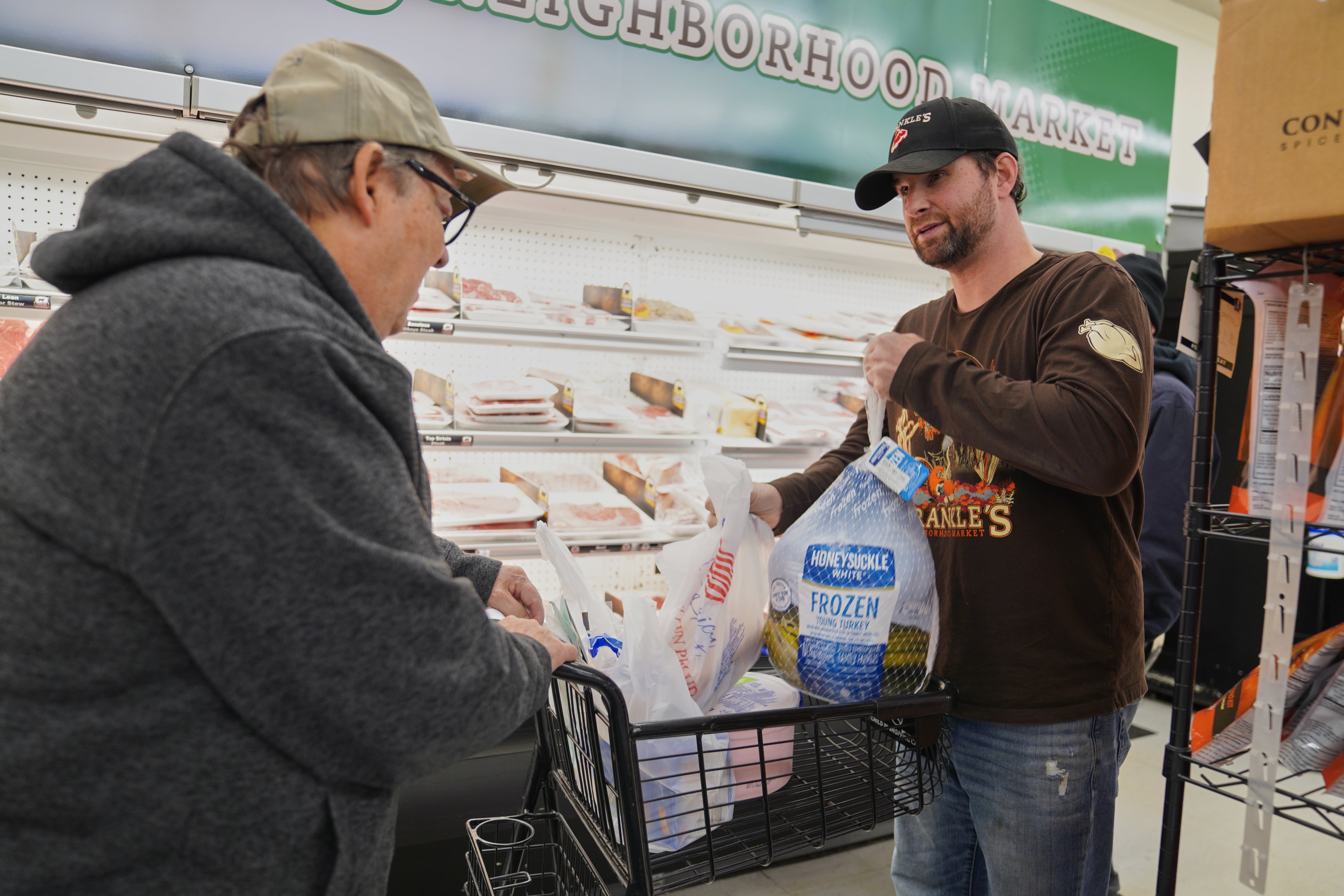
Some small grocery stores and neighborhood convenience stores are eager for the U.S. government shutdown to end and for their customers to start receiving federal food aid again. Late last month, the Trump administration froze funding for the SNAP benefits that about 42 million Americans use to buy groceries. The U.S. Department of Agriculture says about 74% of the assistance was spent last year at superstores like Walmart and supermarkets like Kroger. Around 14% went to smaller stores that are more accessible to SNAP beneficiaries. A former director of the United Nations World Food Program says SNAP is not only a social safety net for families but a local economic engine that supports neighborhood businesses.
Andy Baehr, Head of Product at CoinDesk Indices, breaks down crypto’s Black Friday crash, Bitcoin dipping under $100K, and what’s driving the market rout.