From Wall Street to Silicon Valley, these are the top stories that moved markets and had investors, business leaders, and entrepreneurs talking this week on Cheddar.
MARKET SHRUGS OFF INFLATION
Stocks rebounded from an early slump to close out the week, boosted by reopening optimism following the CDC’s sharp reversal on mask wearing for vaccinated Americans. Tech shares led the rebound, though the Nasdaq still closed the week lower by 1.04 percent. The Dow and S&P also ended with modest losses. The big economic data of the week was April's CPI, which came in much hotter than expected, leading to renewed concerns that the economic recovery is in danger of overheating. The consumer price index — a measure of a basket of goods, housing, and energy costs — jumped 4.2 percent year-over-year, a much higher than expected reading that comes during a time of shortages and price hikes on everything from grocery staples to computer chips. Inflation is accelerating at its fastest pace in 12 years as the American economic engine grinds into gear, though the data is a bit distorted because of how abnormally low it was this time last year at the height of the pandemic. The Fed has said it expects the rise in inflation to be temporary.
MUSK REVERSES COURSE
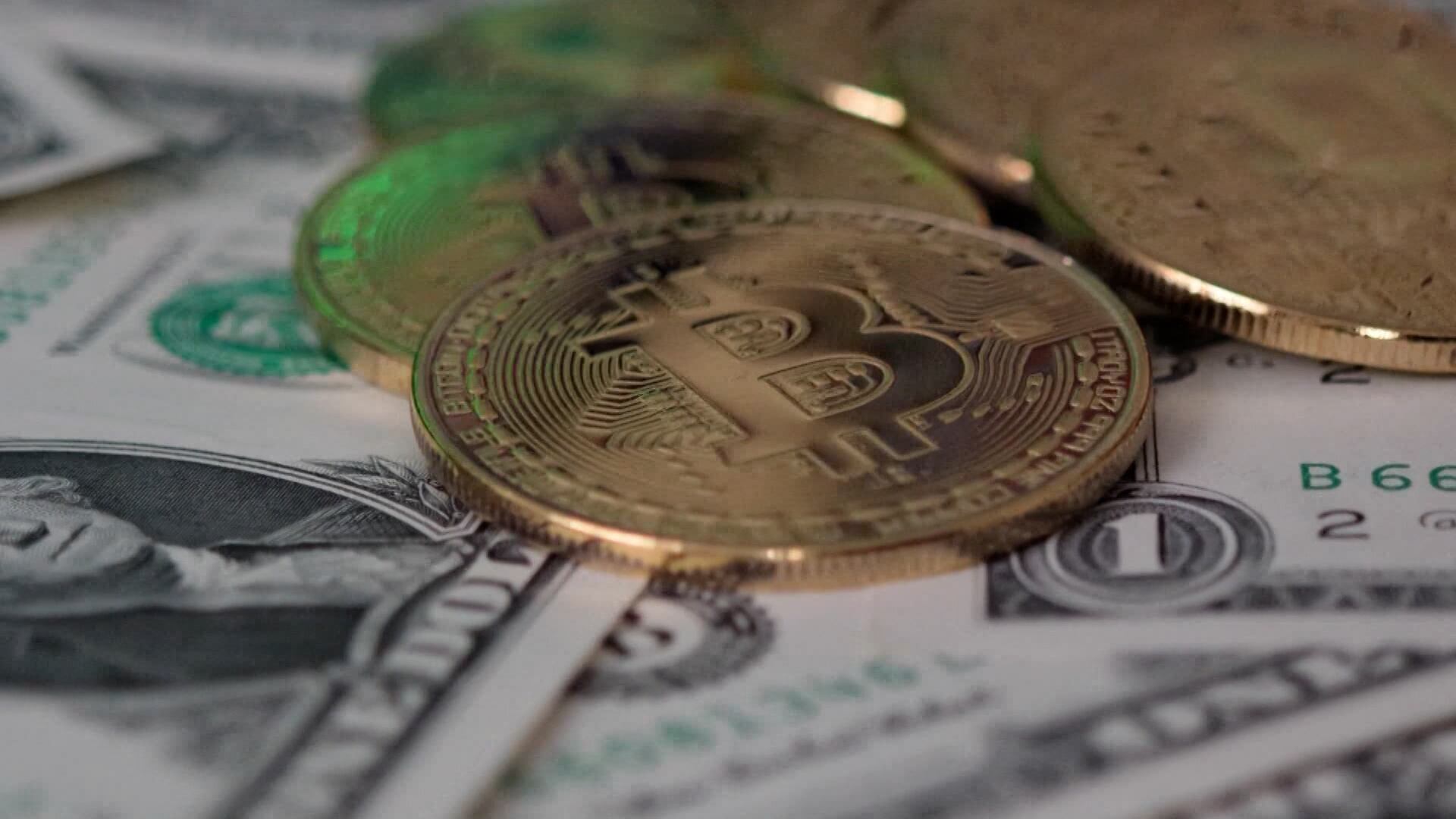
Fresh off his hosting stint on SNL, Elon Musk did an about-face on Bitcoin, tweeting that Tesla would stop accepting the cryptocurrency for purchases due to its environmental impact. The decision came just three months after he announced the digital coin as a new way to pay. Bitcoin had its worst week since February on that tweet, dropping as much as 15 percent before paring some of those losses. Other coins like Ether and Doge also slid, though Doge’s price went as high as 56 cents after Coinbase said it would initiate support for the token in the coming weeks. Tesla had a miserable week of its own, dinged by the impact of inflation on high-multiple stocks, Musk’s Bitcoin reversal, and surprisingly bad sales data out of China. While Tesla doesn’t break out monthly or regional sales, the China Passenger Car Association estimated that the company sold 27 percent fewer domestically-made vehicles in April than March, while Warren Buffett-backed BYD has been gaining steam.
AIRBNB HITS THE SKIDS
Airbnb reported its second earnings since going public, showing revenue grew 5 percent in Q1 to $887 million. The home-rental platform’s net loss widened to $1.2 billion. For comparison, competitors like Expedia and Booking Holdings reported double-digit revenue declines given the uneven state of global travel. Shares of Airbnb are down 40 percent from their highs in February, hurt by increased competition not just from more traditional booking platforms but also the likes of VRBO, which is particularly well positioned to take share from Airbnb when it comes to rural vacation rentals and has a more attractive fee structure for consumers.
NEW ERA FOR VICTORIA’S SECRET
L Brands has decided to spin off Victoria’s Secret and Bath & Body Works into two separate public companies after spending the last year deciding what to do with its two flagship properties, particularly its struggling lingerie chain. Victoria’s Secret was in the process of being acquired by Sycamore Partners in early 2020 before the pandemic sank the deal. Since then, the company got a new CEO and embarked on a turnaround that involved closing underperforming stores and deemphasizing its famously sexualized image for a more inclusive brand. So far, it seems to be working. VS sales reached $1.6 billion in Q1, compared to $894 million a year prior at the nadir of its troubles. Victoria’s Secret is expected to be valued between $5 billion and $7 billion after the spinoff to L Brands shareholders, according to the New York Times. As for Bath & Body Works, the chain famous for its home fragrance selection, saw net sales rise to $1.5 billion in Q1, up 60 percent in two years.
DISNEY MOMENTUM SLOWS
Disney shares took a drubbing after reporting an all-around disappointing quarter, ending the week down 6.49 percent. Disney+, the pandemic bright spot for the Mouse House, saw subscriber growth slow to 8.7 million for the quarter. That still brings Disney+ subs to 104 million in the year-and-a-half since it launched, not too shabby considering the company’s own original forecast was for 60 to 90 million subs by 2024. Still, for the Street, it’s all about momentum and it may be that Disney’s streaming growth just couldn’t sustain that pace forever.The theme park division reported its fourth straight loss — no surprise there, given many of those parks are just now opening back up.