From Wall Street to Silicon Valley, these are the top stories that moved markets and had investors, business leaders, and entrepreneurs talking this week on Cheddar.
STOCKS SOAR ON TRADE OPTIMISM
A fresh sense of optimism on U.S.-China trade negotiations helped markets recover from their early October losses, now that President Trump and China's top envoy met face to face. The negotiations had been in a stalemate for months, with both sides finally agreeing to sit down this week, achieving what Trump described as a "very substantial phase one deal" that includes a $40 to $50 billion purchase of U.S. agricultural products. Treasury Secretary Steve Mnuchin also announced tariffs that were set for October 15 have been canceled, though the decision to scrap them does not affect those slated for December 15. The meetings followed another escalation by the Trump administration, which added dozens of Chinese tech firms to the blacklist, citing human rights violations of Muslim minority groups in China. The trade war, now 15 months old, is continuing to slow the global economy. President Trump faces political pressure to ensure the U.S. economy remains relatively healthy ahead of his re-election bid.
CHINA AND CAPITALISM COLLIDE
Ongoing protests in Hong Kong are emerging as a potential tripwire for U.S. companies doing business in China. The controversies began when Houston Rockets general manager Daryl Morey retracted and apologized for a single tweet in support of the protestersーbut that action itself was criticized for bowing to China's will. It was the most prominent example of a U.S. entity succumbing to pressure from China, but far from the only one: Apple yanked a Hong Kong mapping app from its App Store after criticism from Chinese state media. The blowback over that decision became so intense CEO Tim Cook sent an internal email defending the company's actions. And video-game publisher Activision Blizzard suspended a pro gamer for shouting a pro-protest sloganーand stripped him of his prize money. Critics say that in the rush to appease Beijing (and preserve business ties there), these efforts are effectively censoring speech back at home. It's the thesis that animated a recent episode of the popular show South Park, which found itself not just bannedーbut erased from existence on China's internet after airing an episode lampooning this very phenomenon. Meanwhile, the financial capital, buffeted by months of protests, braces once against for a potentially violent weekend.
NO 737 MAX FOR THE HOLIDAYS
Maybe 2020 will be a better year for the Boeing 737 Max. United, Southwest, and American Airlines this week extended cancellations of their Max fleets until early-to-mid January. While there is still no timetable on the FAA's re-certification of the jet, American said in a statement that it expects to be given the go-ahead "later this year." The grounding of the Max since March has eaten into profits of most of the major airlines. Delta, which does not fly the Max in its fleet, is reportedly paying out record overtime to pilots as it tries to add more flights to make up for those lost on rival carriers. Meanwhile, a report from a multi-agency task force commissioned by the FAA faults both Boeing and regulators with dropping the ball on the original certification of the Max's flight-control system, known as MCAS. That piece of software was not adequately understood by either pilots or the FAA, and is believed to be behind the two fatal crashes of the Max that killed more than 300 people on two continents.
PG&E'S UNPRECEDENTED MOVE
Hundreds of thousands of Californians are still without power this weekend, days after the utility PG&E, in an unprecedented move, proactively cut electricity to 34 counties in Northern California as a proactive measure against sparking wildfires. PG&E has restored power to more than half the 800,000 or so customers who were affected at the peak of the outages, which were timed to coincide with a weather phenomenon known as the Santa Ana Winds. That's when strong, dry winds that originate inland sweep over northern and coastal California. On their own, they're not especially dangerous. But when combined with extremely arid conditions, they act as an accelerant for embers or sparks to become full-fledged wildfires. Last year's Camp Fire, which killed 85 people and essentially wiped the town of Paradise, Calif. off the map, is believed to have started when a spark from a PG&E power line got carried downwind. PG&E has been in bankruptcy protection since January over $30 billion in financial liabilities related to that fire and others. The publicly traded company has a dismal safety record: regulators say it falsified pipeline safety records for years, and it's been under a federal safety monitor since the company was convicted of felony charges in 2017. State regulators say PG&E equipment was to blame for 16 wildfires in 2018 alone.
LIBRA ON THE ROPES
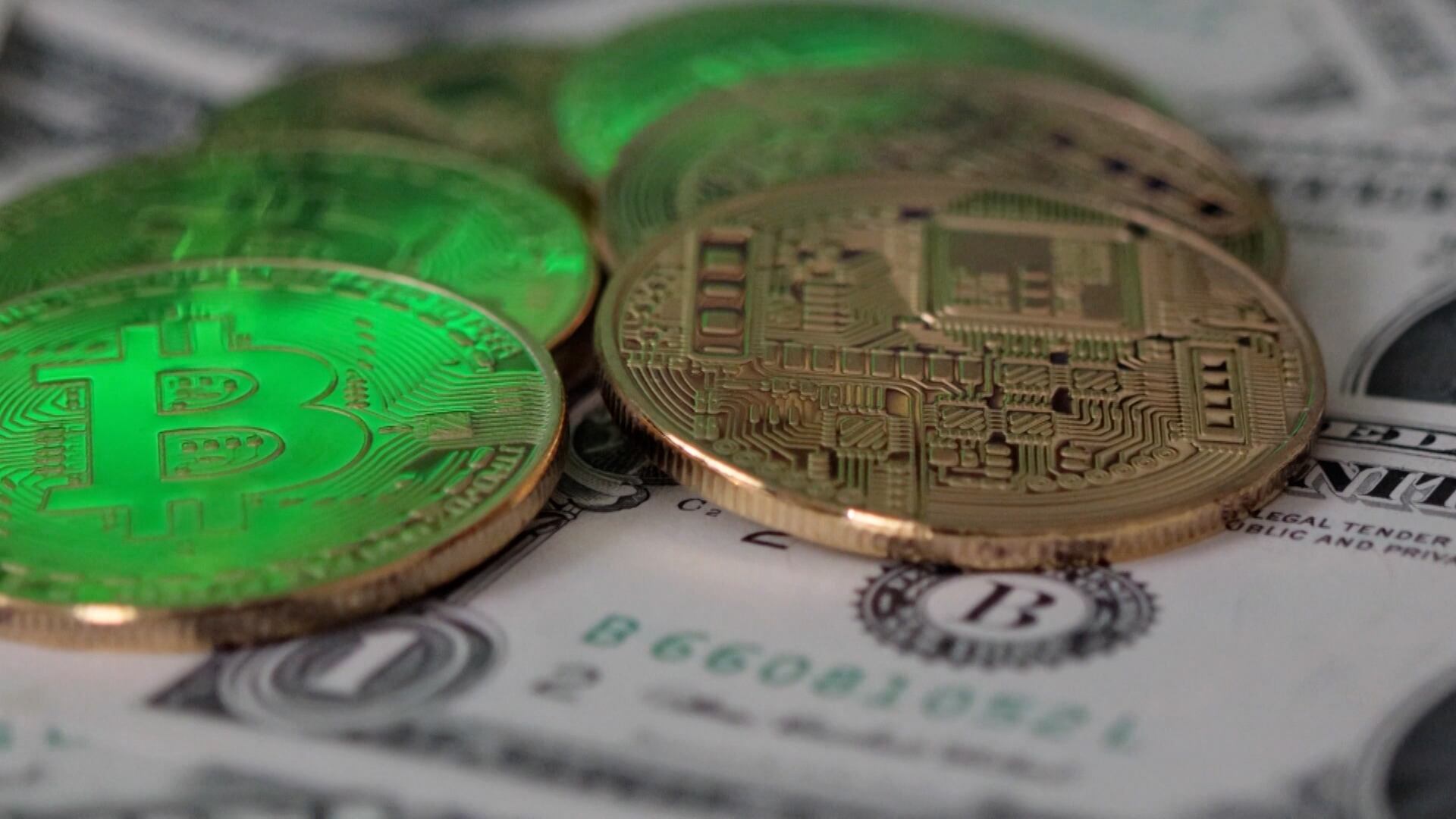
Facebook's foray into cryptocurrency is not going as the company has hoped. CEO Mark Zuckerberg is now scheduled to return to Capitol Hill to testify in front of the House Financial Services Committee later this month solely about the Libra crypto coin and the Calibra digital wallet. The Libra project was announced in June to great fanfare, and even greater questions. European regulators, U.S. politicians, and even central bank chiefs all expressed concerns that Libra could cause instability in financial markets. Some have questioned whether Facebook, given its track record on privacy, could or should be trusted with involvement in a new global currency. Facebook took pains to make it clear that the currency would be run by an independent consortium, called the Libra Association, and not Facebook itself. But months after the announcement, which included partnerships with more than two dozen financial services companies, the Libra project has begun to unravel. The Libra Association's head of product, Simon Morris, departed the Geneva-based body back in August. Late last week, PayPal became the first company to bow out of the project. Now Visa, Stripe, and Mastercard are all reportedly reconsidering their involvement with Libra, under pressure from senators. Now the fate of Libra may hang on how Zuckerberg handles questions from lawmakers when he testifies on Oct. 23.