The 'Sex Recession:' How Tech is Contributing to Young People Doing It Less
*By Max Godnick*
If you're searching for hook-ups on social media or via dating apps, you're probably doing it wrong.
Young people are having less sex [according to the latest cover story in The Atlantic](https://www.theatlantic.com/magazine/archive/2018/12/the-sex-recession/573949/), and technology is contributing to the generational dry spell.
According to the Centers for Disease Control, only 41 percent of high-school students reported having had sex in 2015 compared to 51 percent in 1991. In 2014, the average American had sex 54 times a year, down from 62 times in the late 1990s.
From economic stress to a rise in anxiety rates, researchers have pegged the decline on a variety of potential factors. But like most everything at the core of millennial sociology ー social media and technology might be to blame for the so-called "sex recession."
"It seems like they would make things easier, and for some people they do, but they don't work they don't work that well for a lot of people," Kate Julian, senior editor at The Atlantic, said of dating apps Thursday in an interview on Cheddar.
"They can be demoralizing and inefficient."
She pins part of the problem on the gamification of online dating ー people report using apps like Tinder for upwards of an hour and a half a day, not to find a potential partner but instead, "for an ego boost or for a diversion," Julian said.
"They're not necessarily following through on it with real-life interactions."
And then, there's porn.
According to Julian, researchers aren't quite sure how the rise in pornography led to a drop in sex, but it's undoubtedly a factor.
"We can say that over the period of time that digital porn has existed, people have reported masturbating a lot more," she explained.
Online porn isn't only causing young people to have less sex ー it's also making sex worse.
"Porn may be changing the way people are having sex to some extent," Julian said. "There are a lot of things that are prevalent in porn that maybe your average person doesn't want to experience," she added citing practices popularized in porn like non-consensual choking.
"It really didn't want to make them come back for more."
But some people are still getting luckyー and possibly even in record numbers.
Julian acknowledged that the sweeping statistical analysis may not reflect the experiences of individuals whose sex lives have been helped by the destigmitazation and digitization of sex.
"Some people very well may be having more sex than ever and there's some data that suggests that, we're just talking about averages," she said.
For full interview [click here](https://cheddar.com/videos/the-atlantic-explains-why-young-people-are-having-less-sex).
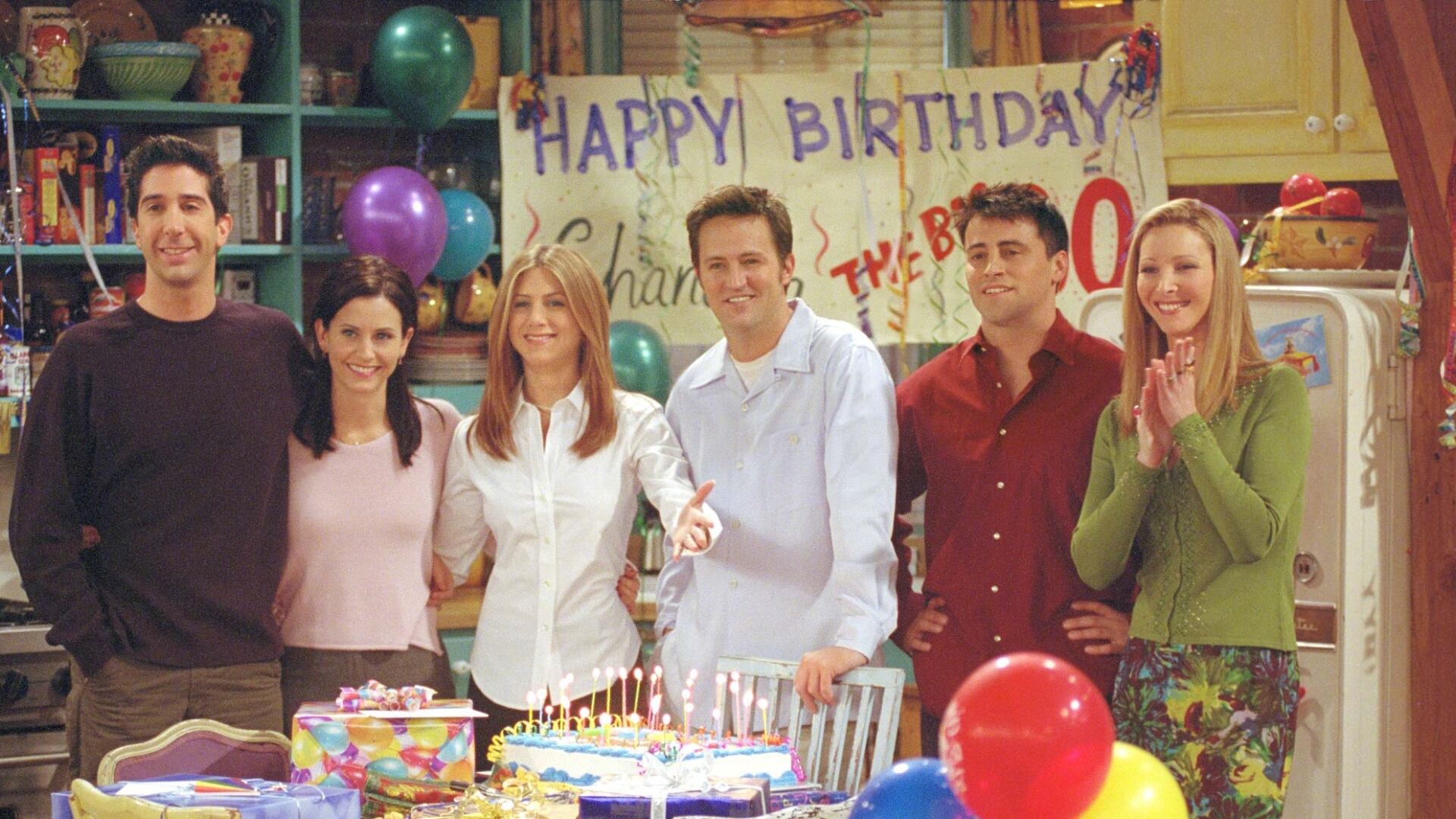
The Chinese government brought the sitcom "Friends" back to its streaming services. However, it had instances of LGBTQ+ references left out, after the series had been banned on Chinese streaming platforms for years.
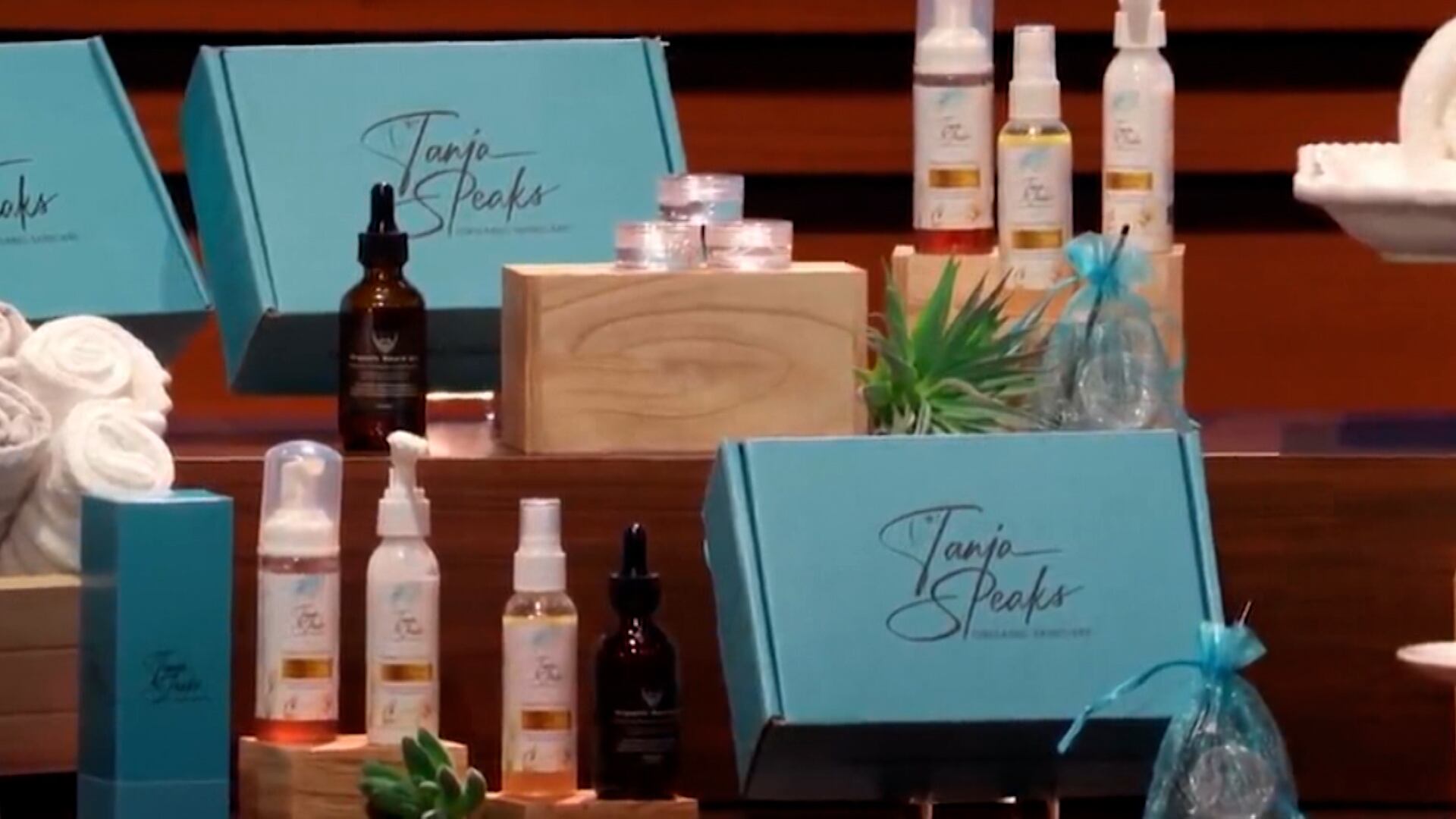
Season 13 "Shark Tank" contestant Tania Speaks secured a $400,000 deal for her Speaks Organic Skincare brand with "Shark" Mark Cuban while also being named one of the best pitches in the history of the show — all at 19 years old. Now 20, Speaks joined Cheddar News to talk about the skincare line, the clean beauty industry, and the moment that host Cuban was moved by her pitch. "I couldn't believe that he got emotional. I'm surprised I held back my tears that long," the young entrepreneur revealed. "It's just amazing for someone else to be inspired by your story, especially Mark Cuban himself."
The media giant formerly known as ViacomCBS has officially rebranded itself as Paramount Global with a focus on its streaming service, Paramount Plus. Naveen Chopra, chief financial officer at Paramount, joined Cheddar to discuss the company’s name change and streaming wars. "There are components of content licensing that we continue to do, either historical arrangements or opportunities to license content that don't really impinge on what we're trying to do with our owned and operated services and that continues to be an important ingredient in our broader financial model," he said. "But our number one priority is putting our best assets on Paramount Plus." Chopra also discussed theatrical release windows before feature films hit its service and the platform's subscription goals.
In efforts to help support black-owned brands. Ulta Beauty says it will make a commitment to not only give these brand shelf space but also help them navigate the ins and outs of growing a business. Last week, the beauty retailer announced in order to reach those goals, the company will spend $50 million on diversity and inclusion programs, including an accelerated program to mentor entrepreneurs of color. CEO of Ulta Beauty, Dave Kimbell, joined Cheddar to discuss more.
For black history month, Cheddar is highlighting black business leaders who are driving the need for representation forward. On February 10, the U.S. Chamber of Commerce hosted an event called 'Developing the Black-Owned Business Ecosystem.' The virtual event was organized under the lobbying group's two initiatives -- the Equality of Opportunity Initiative, and the Coalition to Back Black Businesses. The event highlighted the developments needed to develop more black-owned businesses in the U.S. Dr. Anthony Wilbon, Dean of the School of Business at Howard University, joined Cheddar News' Closing Bell to discuss his experience as a speaker at the event.
While Black History Month is a time to celebrate the achievements of Black Americans, it's also a time to reflect on how they can be better heard and supported.
Black Americans are still fighting for voting rights, facing more severe impacts from COVID-19, and experiencing gaps in workforce representation and pay. Alexandra Schrecengost, hybrid work expert and CEO of "Virtual With Us" and "Culture With Us,' joined Cheddar News to discuss.