Ever wonder how a dolphin sleeps while still swimming? Or how a giraffe sleeps while standing up? Cara Santa Maria, Narrator of Smithsonian Earth's "The Secret World of Animal Sleep" joins Cheddar to explore the wild world of sleeping animals.
Marine mammals only shut down half their brain while sleeping, leaving the other half of their body to stay afloat and be alert for prey. She explains how the higher up on the food chain you are, the more sleep you get. That's why prey species like giraffes can only afford mere minutes of sleep at a time, while lions revel in over 20 hours of luxurious slumber a day.
Arctic ground squirrels survive harsh Canadian winters through skilled hibernation. Entering a state of controlled hypothermia, their body temperatures drop to 27°F – the lowest ever recorded in a mammal.
Cheddar's Michelle Castillo follows up on her antibody test, and breaks down why, despite some unavoidable risks, she may have remained coronavirus-free.
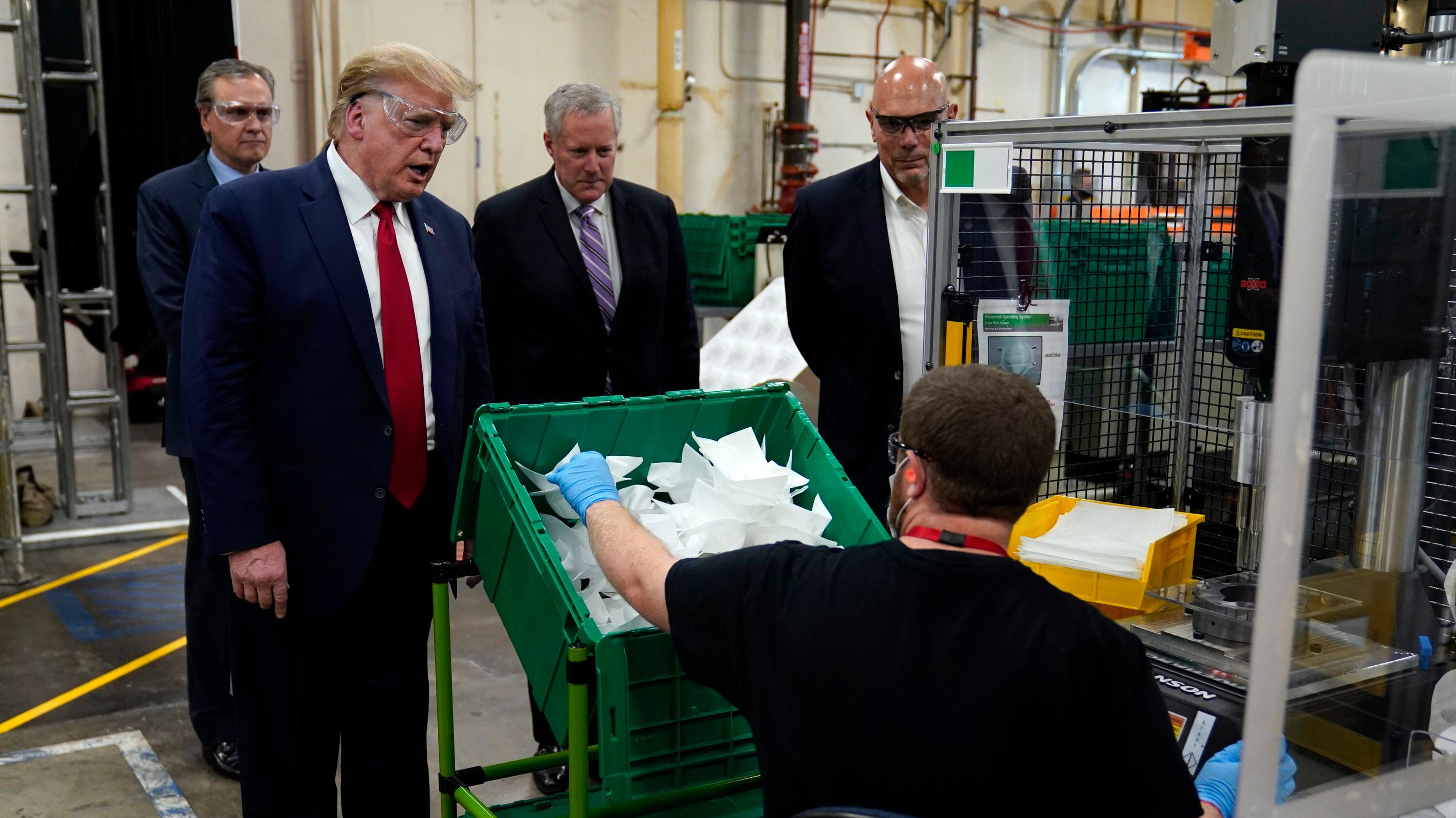
One day after saying that the COVID-19 task force would be winding down, President Donald Trump says it would continue on indefinitely, but focus on rebooting the economy.
An Associated Press analysis finds that taking the New York metropolitan area’s progress against the coronavirus out of the equation shows the rest of the U.S. moving in the wrong direction, with the infection rate rising even as states move to lift their lockdowns.
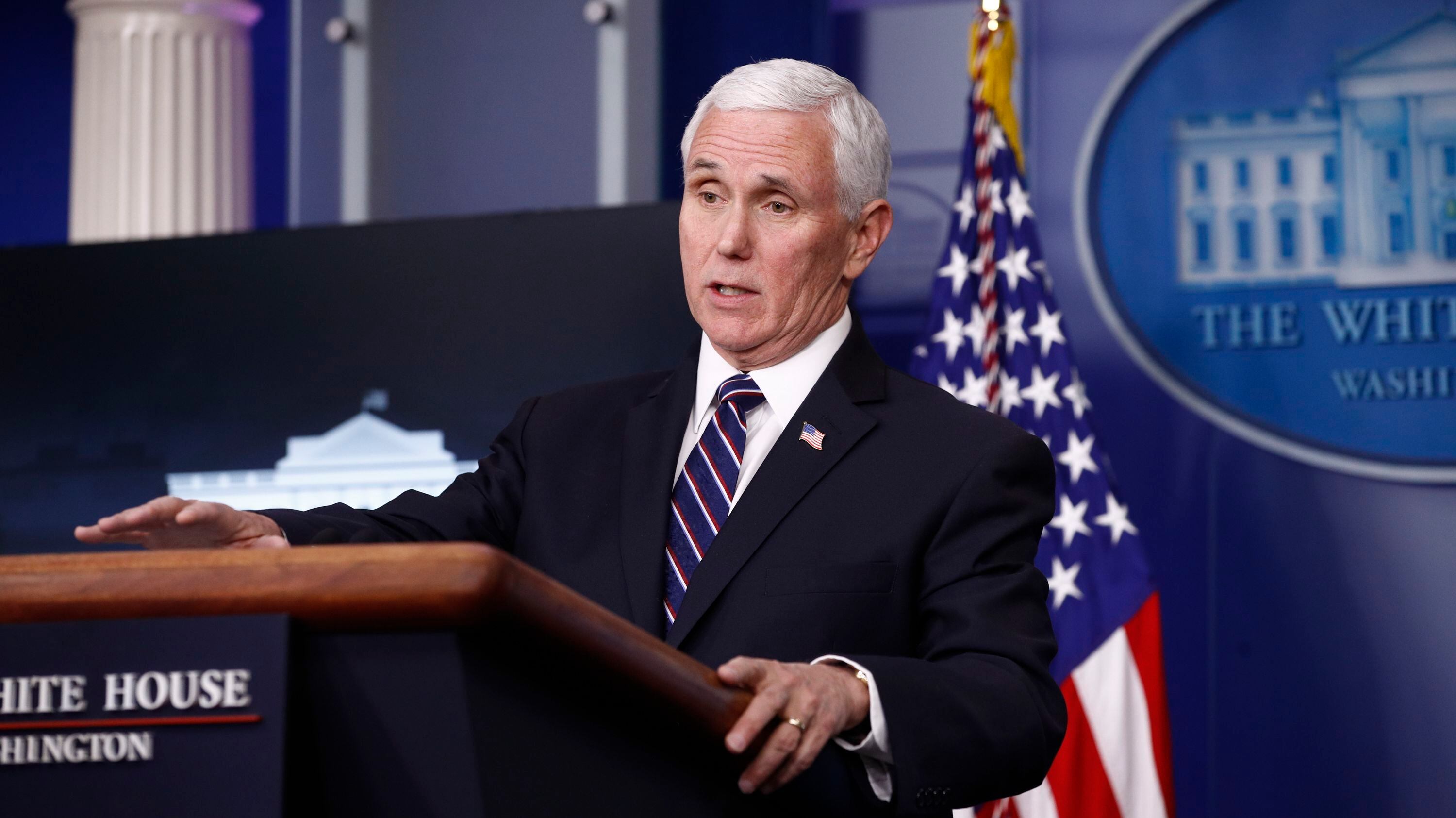
Vice President Mike Pence says the White House coronavirus task force could wind down its work by early June.
Companies across a wide swath of industries have found ways to give back to communities in their time of need amid the COVID-19 pandemic.
COVID-19 tests look for antibodies, which are proteins the body develops in response to toxic or foreign substances inside the bloodstream.
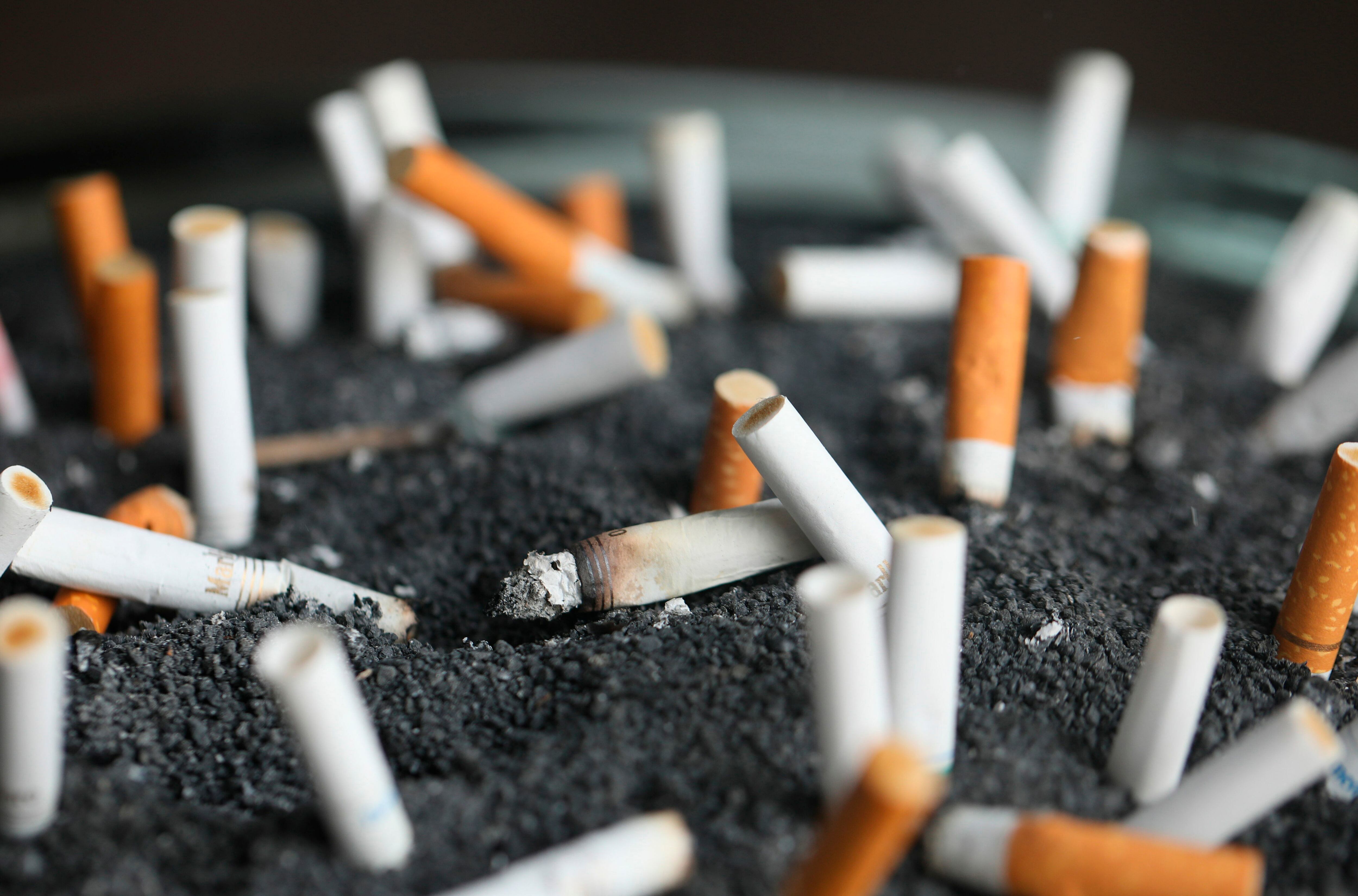
A new study out of a Paris hospital suggests nicotine may help prevent infection and serious illness from coronavirus — but doctors caution against picking up a smoking habit.
From Wall Street to Silicon Valley, these are the top stories that moved markets and had investors, business leaders, and entrepreneurs talking this week on Cheddar.
NASA Administrator Jim Bridenstine announced Thursday the three companies that will develop, build and fly lunar landers, with the goal of returning astronauts to the moon in 2024 and ultimately on to Mars.
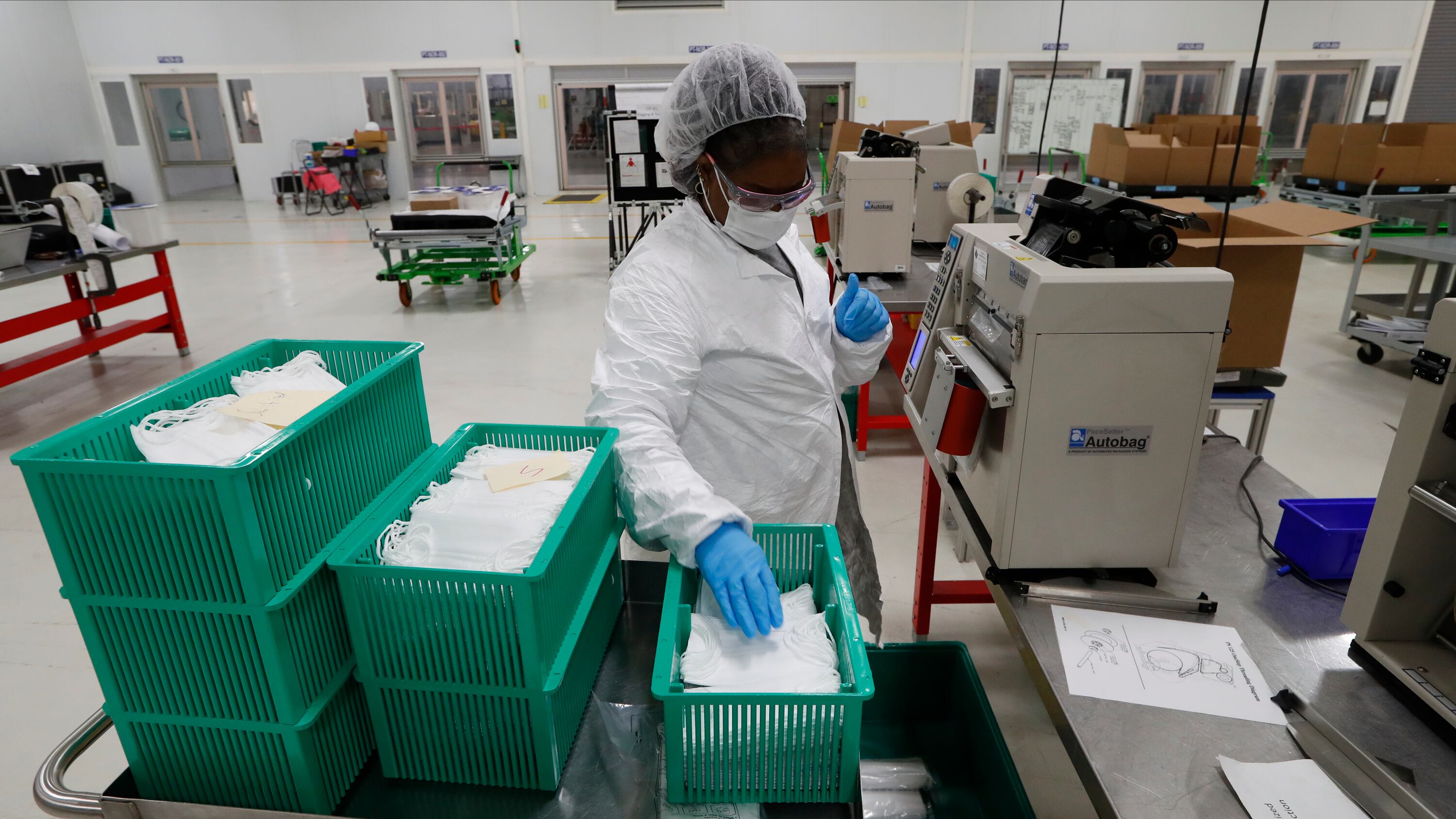
A shortage of personal protective equipment is a critical problem for frontline medical workers and one of the toughest issues the organization is facing, said Thomas Tighe, CEO of Direct Relief.