*By Alisha Haridasani*
It was perhaps the speediest resignation of a public official accused of misconduct since the start of the #MeToo movement. Only hours after The New Yorker magazine published an article in which four women accused him of physical abuse, Eric Schneiderman resigned as New York State attorney general.
Two of the women, Michelle Manning Barish and Tanya Selvaratnam, told [The New Yorker](https://www.newyorker.com/news/news-desk/four-women-accuse-new-yorks-attorney-general-of-physical-abuse) that while they were in a relationship with Schneiderman, he hit them without their consent and threatened to kill them if they broke up with him. Two other women, who wanted to remain anonymous in the article, said similar things.
After the article was published, but before he resigned, Schneiderman denied the allegations.
He said in a statement: “In the privacy of intimate relationships, I have engaged in role-playing and other consensual sexual activity. I have not assaulted anyone. I have never engaged in nonconsensual sex, which is a line I would not cross.”
The response to the allegations in the article ー especially among other Democratic state officials ー was swift: Gov. Andrew Cuomo and U.S. Sen. Kristin Gillibrand called on Schneiderman to resign.
“While these allegations are unrelated to my professional conduct or the operations of the office, they will effectively prevent me from leading the office’s work at this crucial time,” Schneiderman, 63, said in an [official statement](https://ag.ny.gov/press-release/statement-attorney-general-eric-t-schneiderman).
As New York’s top law enforcement officer, Schneiderman played a prominent role in the #MeToo movement by pursuing accusations against other men accused of inappropriate and possibly illegal behavior. He [filed a lawsuit](https://www.nytimes.com/2018/02/11/business/media/harvey-weinstein-company-sale.html) earlier this year against the company run by the former Hollywood mogul Harvey Weinstein for gender discrimination and sexual harassment. He had described Weinstein’s alleged behavior as “despicable.”
The Manhattan District Attorney’s office said it opened an investigation into the allegations against Schneiderman, and a joint session of the State Assembly and Senate will select his replacement as attorney general.
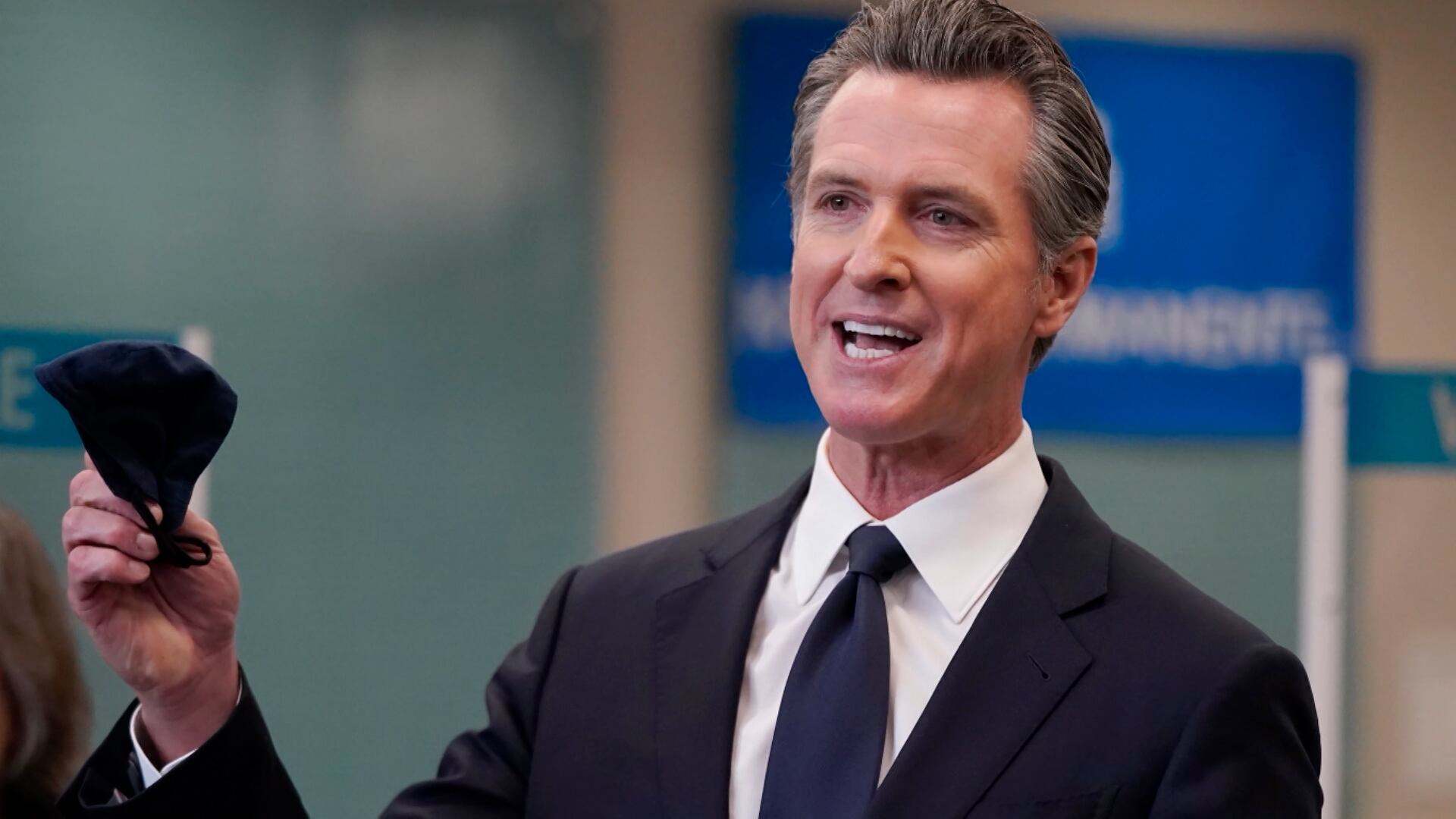
California Governor Gavin Newsom is projected to keep his job. Around two-thirds of the votes have been reported, and roughly 64% of those votes are in favor of keeping Newsom as their governor.
Daniel Strauss, senior political correspondent at The New Republic, joined Cheddar's Opening Bell to discuss more about what Newsom's win means to both political parties moving into Midterm elections season.
The Department of Justice is suing Texas over the state's new abortion law that prohibits abortions after six weeks, well before many women even know they're pregnant. The lawsuit argues the law is unconstitutional under long-standing Supreme Court precedent. It was filed last week in federal court in Texas, but could go all the way to the high court within weeks. Josh Blackman, a constitutional law professor at South Texas College of Law Houston, discusses the DOJ lawsuit and what it could mean for other abortion laws across the country.
26 states have now fully vaccinated more than half of their population with Vermont, Connecticut, and Massachusetts fully vaccinating at least two-thirds of their residents. These three states are among the ones with the lowest new Covid-19 cases per capita, but in states with low vaccination rates, hospitals are filling up again.
Dr. Rob Davidson, ER doctor and executive director of Committee to Protect Health Care, joined Cheddar's Opening Bell to discuss more.
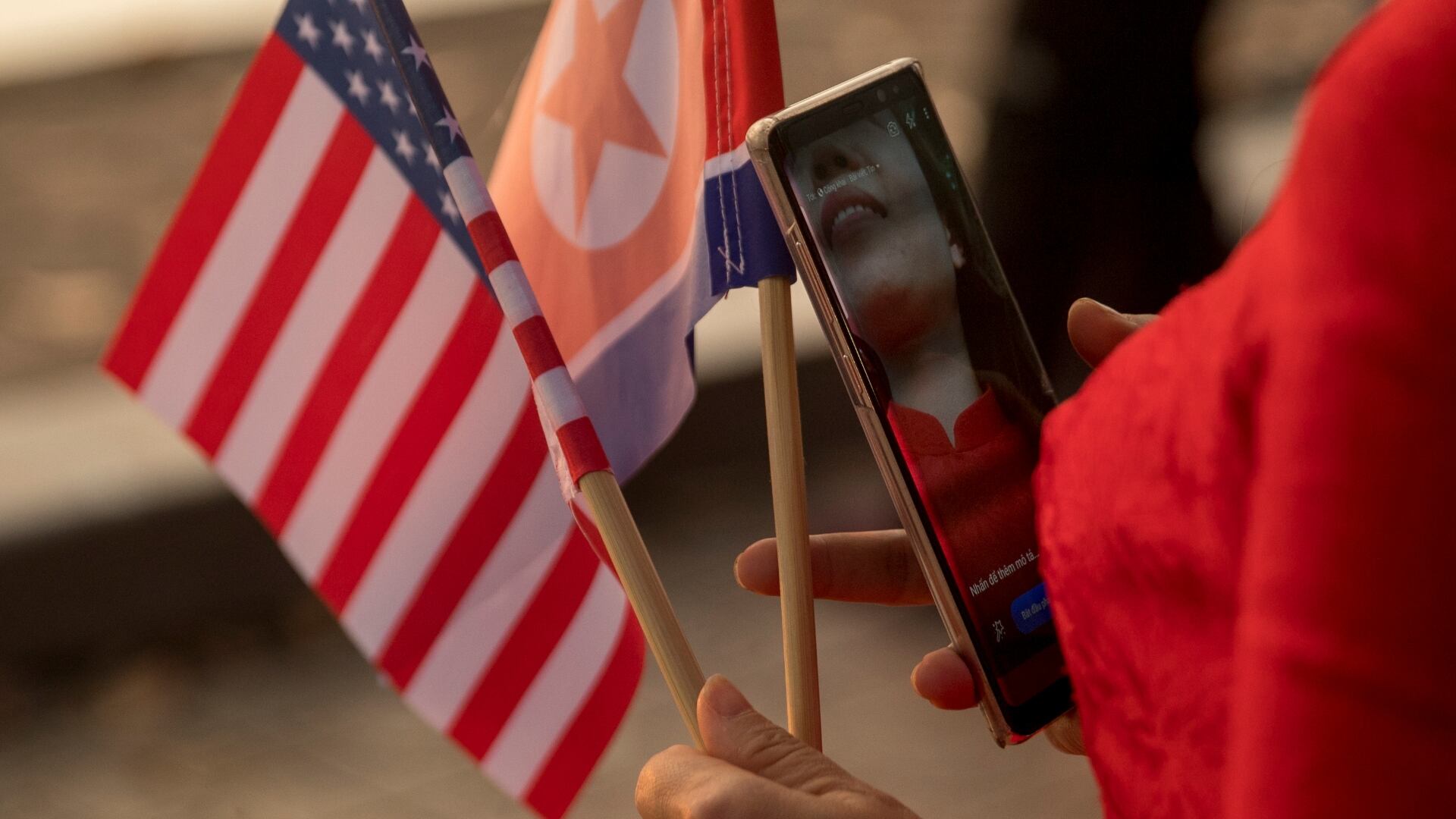
The Biden Administration has officially extended a ban on a Trump-era policy that prohibits traveling with a U.S. passport to North Korea. The extension is expected to last until August 2022. The ban was initially enforced after the death of Otto Warmbier, who entered a vegetative state while in North Korean custody. Advocates against the ban argue that it has caused crippling impacts on Korean Americans who have not been able to reunite with their families back home. Senior Fellow at The Foundation For Defense of Democracies Anthony Ruggiero joined Cheddar's News Wrap to discuss more.