*By Alisha Haridasani*
It was perhaps the speediest resignation of a public official accused of misconduct since the start of the #MeToo movement. Only hours after The New Yorker magazine published an article in which four women accused him of physical abuse, Eric Schneiderman resigned as New York State attorney general.
Two of the women, Michelle Manning Barish and Tanya Selvaratnam, told [The New Yorker](https://www.newyorker.com/news/news-desk/four-women-accuse-new-yorks-attorney-general-of-physical-abuse) that while they were in a relationship with Schneiderman, he hit them without their consent and threatened to kill them if they broke up with him. Two other women, who wanted to remain anonymous in the article, said similar things.
After the article was published, but before he resigned, Schneiderman denied the allegations.
He said in a statement: “In the privacy of intimate relationships, I have engaged in role-playing and other consensual sexual activity. I have not assaulted anyone. I have never engaged in nonconsensual sex, which is a line I would not cross.”
The response to the allegations in the article ー especially among other Democratic state officials ー was swift: Gov. Andrew Cuomo and U.S. Sen. Kristin Gillibrand called on Schneiderman to resign.
“While these allegations are unrelated to my professional conduct or the operations of the office, they will effectively prevent me from leading the office’s work at this crucial time,” Schneiderman, 63, said in an [official statement](https://ag.ny.gov/press-release/statement-attorney-general-eric-t-schneiderman).
As New York’s top law enforcement officer, Schneiderman played a prominent role in the #MeToo movement by pursuing accusations against other men accused of inappropriate and possibly illegal behavior. He [filed a lawsuit](https://www.nytimes.com/2018/02/11/business/media/harvey-weinstein-company-sale.html) earlier this year against the company run by the former Hollywood mogul Harvey Weinstein for gender discrimination and sexual harassment. He had described Weinstein’s alleged behavior as “despicable.”
The Manhattan District Attorney’s office said it opened an investigation into the allegations against Schneiderman, and a joint session of the State Assembly and Senate will select his replacement as attorney general.
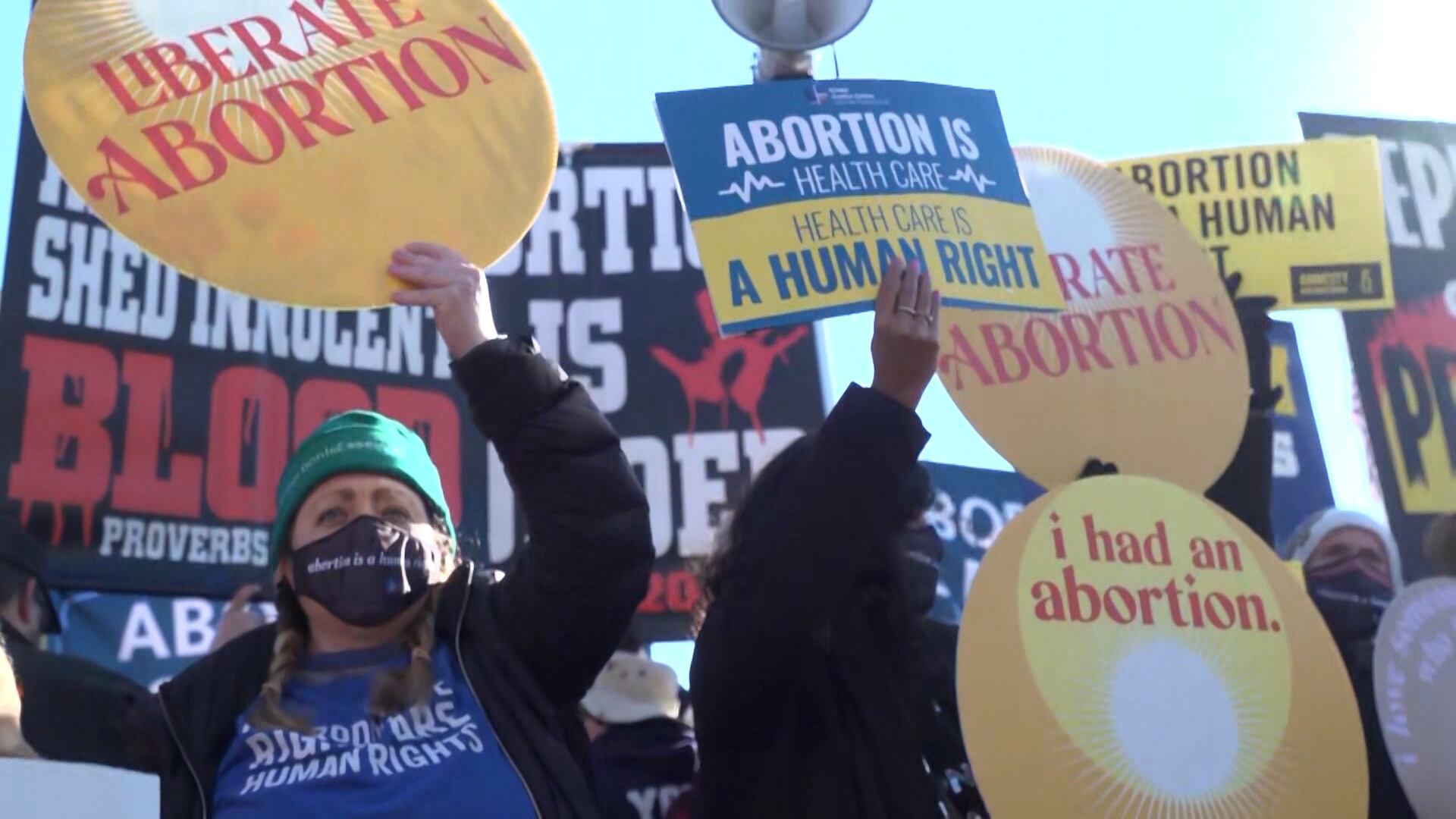
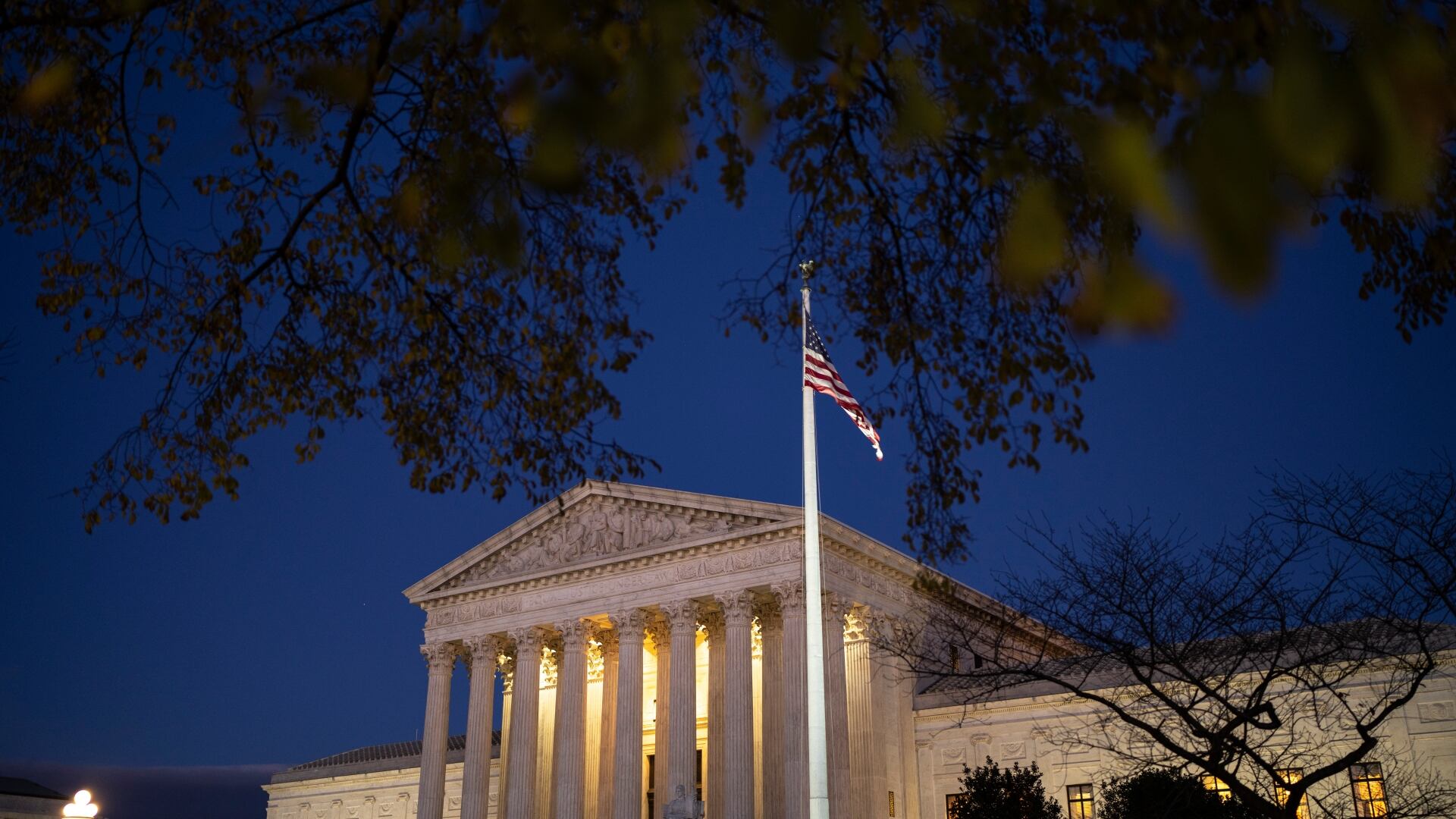
The Supreme Court appeared prepared Wednesday to uphold a Mississippi law that would ban almost all abortions after 15 weeks of pregnancy. The ruling is far from over, with Roe V. Wade at risk. Susan Rinkunas, senior reporter at Jezebel, joins Cheddar News to share the developments of the hearing.
The nine justices heard arguments Wednesday, around a Mississippi abortion law that bans the procedure after 15 weeks and appeared to lean toward upholding the law, while leaving uncertainty about the landmark precedent, Roe v. Wade. Kristin Ford, vice president of communications and research at NARAL Pro-Choice America joins Cheddar News to discuss.
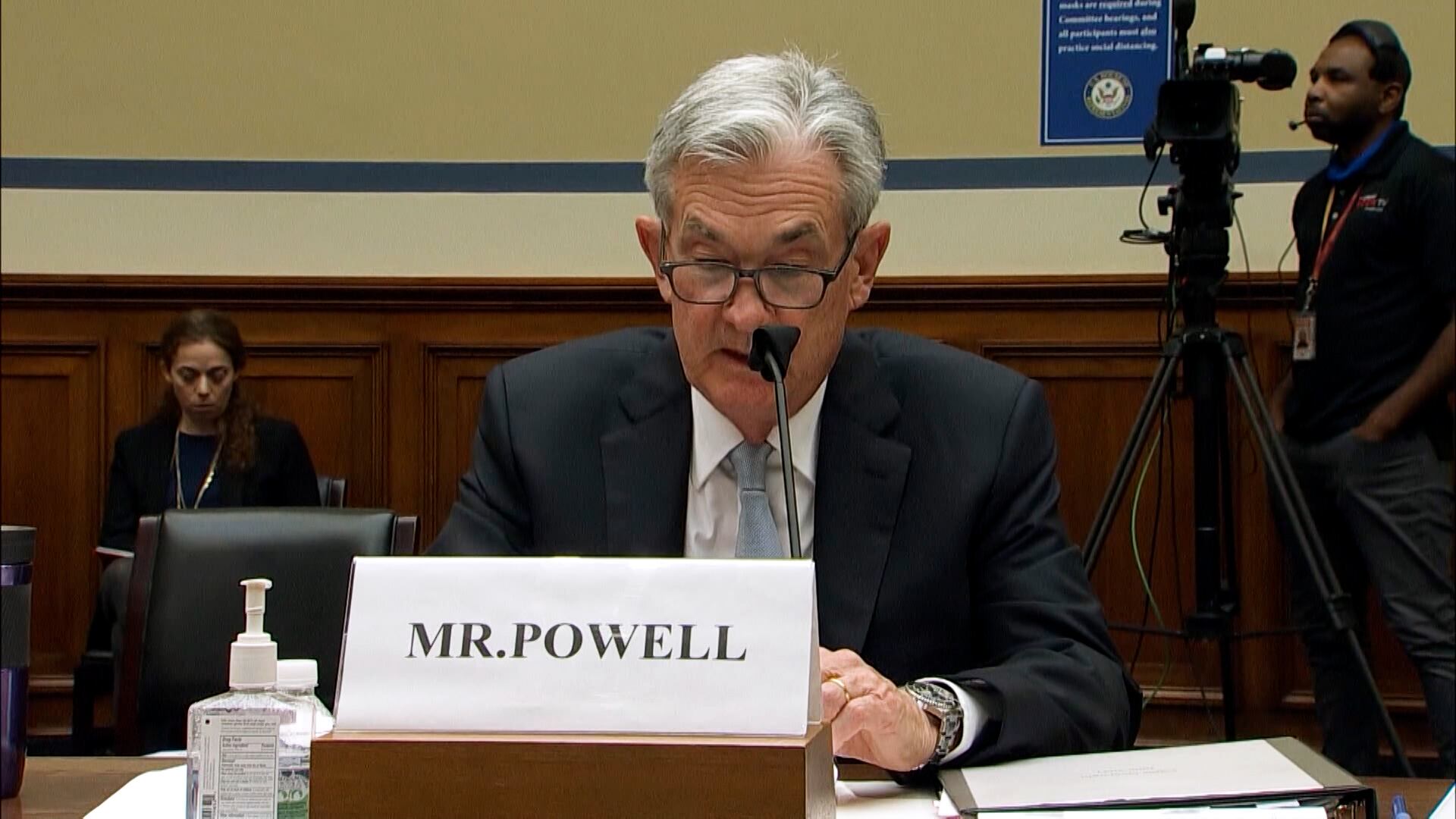
Just about a week after being re-nominated, Federal Reserve Chair Jermone Powell is changing his tune. After nearly a year of referring to inflation as 'transitory,' Powell said he will retire the 'T' word as inflation remains elevated. Christopher Russo, Post-Graduate Research Fellow, Mercatus Center joined Cheddar's Opening Bell to discuss.
Airbnb has come under fire after an Axios report found that the rental company has properties available in China's Xinjiang region where the nation has been accused of committing genocide against Uyghur Muslims, demolishing their homes, and replacing them with tourist attractions.
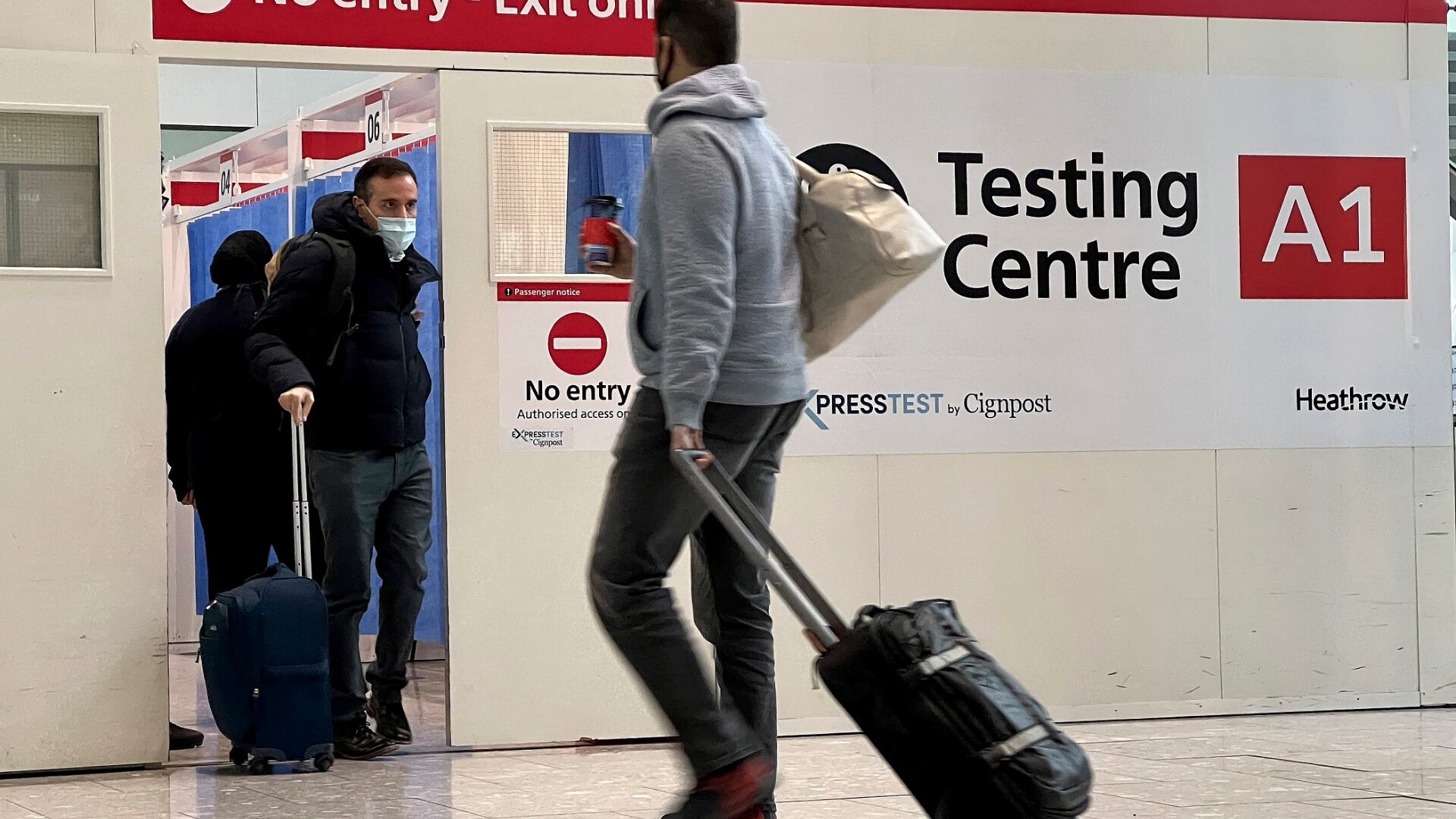
With the emergence of the omicron variant, the U.S. is considering tightening international travel guidelines. The CDC said it might reduce the window for foreign travelers to submit a negative COVID-19 test from three days prior to one day before allowing entry.
Jill and Carlo cover the latest on Omicron, another school shooting in America and more. Plus, bidding farewell to 'transitory' inflation, and the controversy surrounding 'Lovely Bones' author Alice Sebold.
Disparities in tree coverage across America is a huge issue that affects air quality, heat exposure, and ultimately determines how resilient communities are against climate change. The Build Back Better Act is allocating $2.5 billion to boost 'tree equity.' Lemir Teron, assistant professor at SUNY College of Environmental Science and Forestry, joins Cheddar News to explain why this is a priority for Democrats today.