Tesla CEO Elon Musk certainly isn’t one to shy away from making big promises.
On the company’s earnings call Wednesday, the billionaire entrepreneur said his company was on track to perform a coast-to-coast autonomous drive in three months and that he might set a goal of producing a million units a year of the as-yet-unveiled Model Y compact SUV. .
That target might be surprising to some, given that the electric automaker has fallen well short of production targets for its newest Model 3 vehicle. The company, which originally expected to make 5,000 of the cars *a week,* only delivered 1,550 in total during the fourth quarter.
Still Christian Prenzler, vice president of business development at Teslarati, says, the high expectations are par for the course for the chief executive.
“We’re talking about Elon Musk. Yesterday, he’s launching the world’s most powerful rocket and then lands it,” he told Cheddar after earnings. “It’s not a matter of if he can deliver these vehicles, it’s a matter of whether it’s going to happen in this quarter, the next quarter, or in the following quarter.”
“It’s mostly about how Tesla’s going to tackle these challenges over the next year as they ramp up production.”
Tesla said it still expects to make 5,000 Model 3s a week by the end of the second quarter, a target set in January after already being pushed back a few times before that. The company has faced issues with inexperienced workers and in the production of batteries used in the cars. And some analysts fear that as it tries to ramp up manufacturing, it’s going to quickly burn through the $3.4 billion in cash it has on its balance sheet.
For the fourth quarter, Tesla reported its biggest ever loss of $675 million. In after-hours trading, Tesla shares were basically unchanged at $344, having closed at $345.
Stephen Kates, Financial Analyst at Bankrate, joins to discuss the Fed’s 25-basis-point rate cut, inflation risks, and what it all means for consumers and marke
Big tech earnings take center stage as investors digest results from Alphabet, Meta, Microsoft, Amazon, and Apple, with insights from Gil Luria of D.A. Davidson
Disney content has gone dark on YouTube TV, leaving subscribers of the Google-owned live streaming platform without access to major networks like ESPN and ABC. That’s because the companies have failed to reach a new licensing deal to keep Disney channels on YouTube TV. Depending on how long it lasts, the dispute could particularly impact coverage of U.S. college football matchups over the weekend — on top of other news and entertainment disruptions that have already arrived. In the meantime, YouTube TV subscribers who want to watch Disney channels could have little choice other than turning to the company’s own platforms, which come with their own price tags.
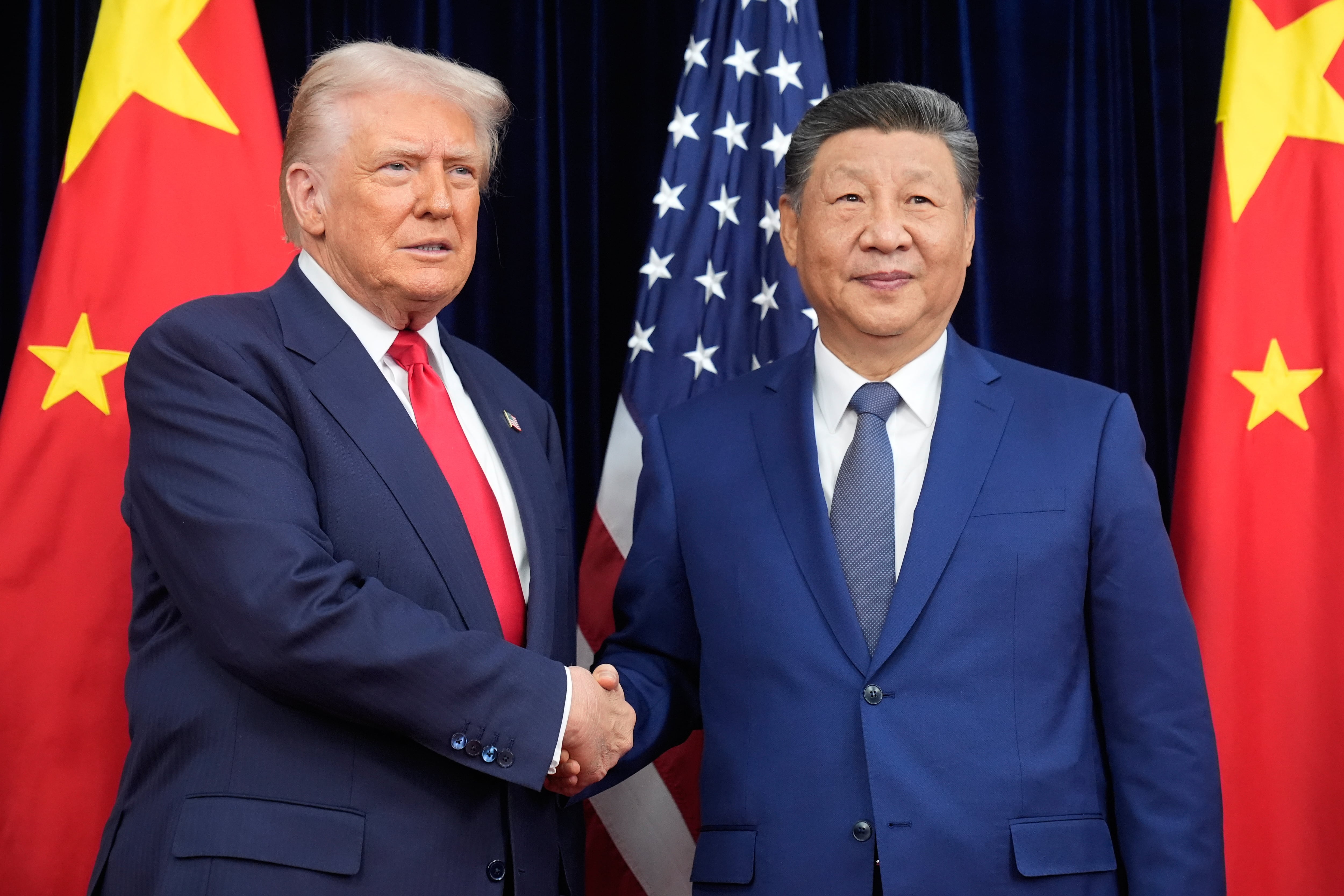
President Donald Trump said he has decided to lower his combined tariff rates on imports of Chinese goods to 47% after talks with Chinese leader Xi Jinping on curbing fentanyl trafficking.
Universal Music Group and AI platform Udio have settled a copyright lawsuit and will collaborate on a new music creation and streaming platform. The companies announced on Wednesday that they reached a compensatory legal settlement and new licensing agreements. These agreements aim to provide more revenue opportunities for Universal's artists and songwriters. The rise of AI song generation tools like Udio has disrupted the music streaming industry, leading to accusations from record labels. This deal marks the first since Universal and others sued Udio and Suno last year. Financial terms of the settlement weren't disclosed.