Jon Miller, White House Correspondent for CRTV, discusses the GOP tax bill, which could be voted on as early as Tuesday. The Republican Party secured the number of votes needed to pass the bill on Friday, when Senators Marco Rubio and Bob Corker jumped on board.
Miller notes his surprise with Corker deciding to vote for the bill, given how bothered he was originally by the $1.4 trillion it would add to the deficit. We discuss how unfavorable the bill is polling with the American people. Miller adds that much of that is because he does not think the media is doing a good job of being honest about the bill. In addition to that, 45% of Americans don't actually pay taxes. Millers talks the overall good the bill will do for the economy and business-owners.
Facebook parent company Meta's first-quarter results surpassed Wall Street's modest expectations on both profit and revenue, sending its stock soaring in after-hours trading.
Another automaker is trying to cut its workforce to trim expenses and stay competitive as the industry makes the long and costly transition to electric vehicles.
The U.S. economy slowed sharply from January through March, decelerating to just a 1.1% annual pace as higher interest rates hammered the housing market and businesses reduced their inventories.
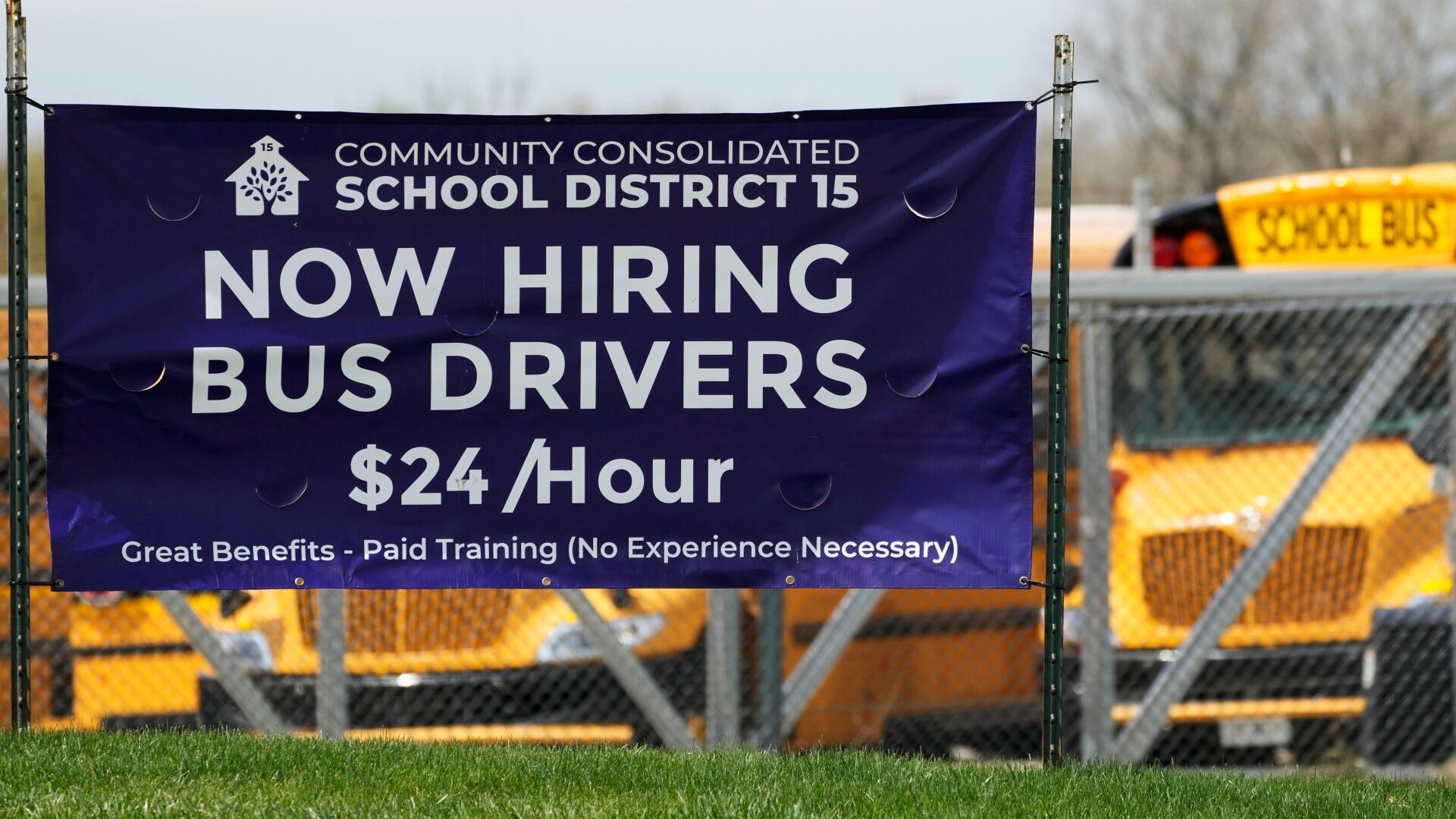
Applications for unemployment benefits in the U.S. fell last week as the labor market continues to show strength despite some weakness in other parts of the economy.
Disgraced Theranos CEO Elizabeth Holmes has avoided starting her more than 11-year prison sentence on Thursday by deploying the same legal maneuver that enabled her co-conspirator in a blood-testing hoax to remain free for an additional month.
When people think of asset classes, most think of stocks and bonds. Mark Hamrick, senior economic analyst with Bankrate.com, joined Cheddar News to discuss why the current economy is making the cash savings account a more worthwhile investment than it's been in previous years.
The National Labor Relations Board said Tesla was found guilty of breaking U.S. labor law after telling employees to not discuss or complain about wages.