The Federal Communications Commission voted along party lines to reverse Obama-era internet regulations, potentially changing the way Americans use the internet. Sarah Morris is the Director of Open Internet Policy at New America's Open Technology Institute, a group fighting the FCC ruling.
The Open Technology Institute (OTI) has started the process of challenging the FCC in court. Morris says she was surprised to see the regulations come tumbling down, but is confident the FCC decision will not stand.
Additionally, Morris says she is worried about the implications of the ruling, particularly about internet service providers blocking content in a politically charged environment. She adds that OTI is 'in it to win it,' and the group will continue to fight for consumers. Morris is confident she has the backing of lawmakers on Capitol Hill, as well as people across the country.
Firefly is a car-top digital smart screen that benefits ridesharing drivers by giving them a new source of income ー and helps their home cities by providing them with new streams of data, the company's CEO told Cheddar.
"We placed digital smart screens on top of taxi and rideshare cars, and thereby we serve location and time-targeted outdoor advertisements, at the same time our smart screen generates a lot of smart screen data which we share back with municipalities and cities," said Firefly's co-founder and CEO Kaan Gunay.
Social media has helped fuel massive opportunity in the travel industry, but with opportunity, comes cutthroat competition, Trivago CEO Rolf Schrömgens said Wednesday. "People are really traveling in general more. They want to experience stuff, they don't want to buy stuff anymore," Schrömgens told Cheddar.
These are the headlines you Need 2 Know for Wednesday, Feb, 6, 2019.
Abra, a five-year-old crypto company that has historically been focused on remittances, is starting to look like a fintech app itself; it will soon give users the ability to use their bitcoin to invest in traditional assets “like Apple, Amazon, gold and the S&P 500," according to a customer email it sent late Tuesday.
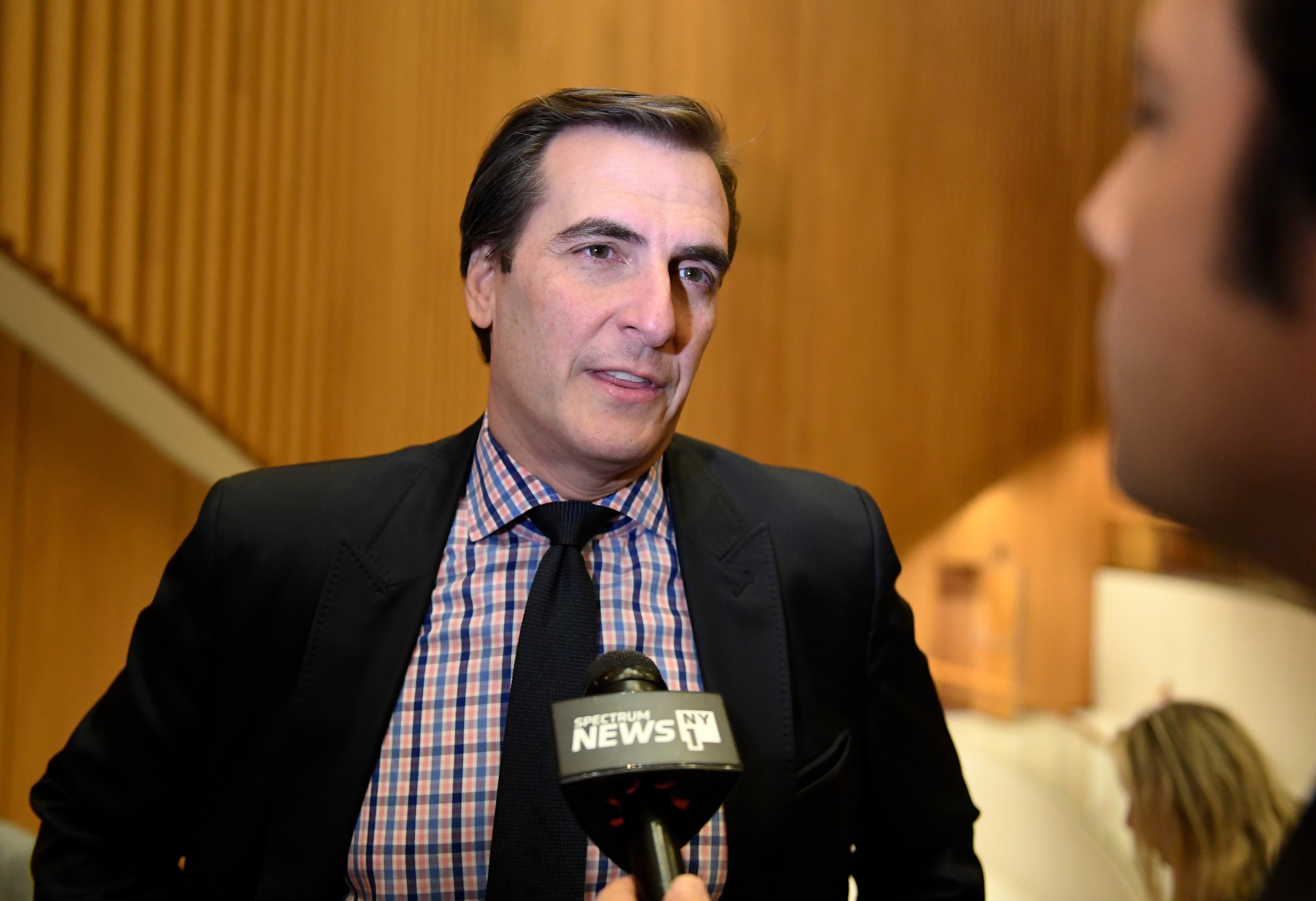
Amazon may have met the David to its Goliath in the epic battle for Long Island City ー provided that Gov. Cuomo doesn't stand in his way. State Sen. Michael Gianaris, who represents New York's 12th district, including Amazon's planned Long Island City outpost, said the tech giant's plan ー promising 25,000 jobs in exchange for billions in city funds ー doesn't even merit negotiation.
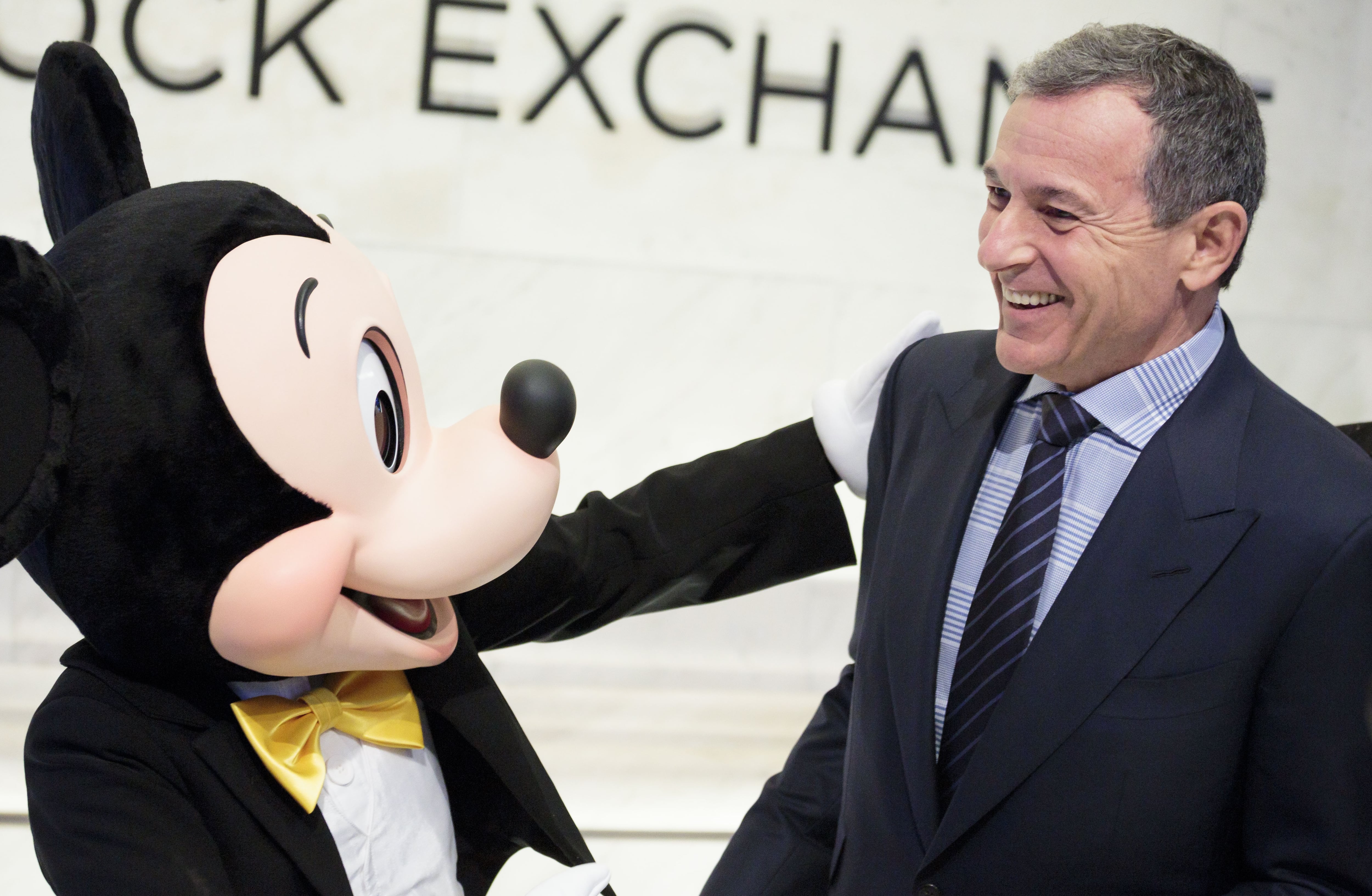
Shares of Disney jumped after the bell on Tuesday, boosted by revenue growth in its television and parks divisions. The report was good news for investors looking to gauge Disney’s strength as it deepens its direct-to-consumer offerings in an effort to compete against rivals like Netflix and Apple.
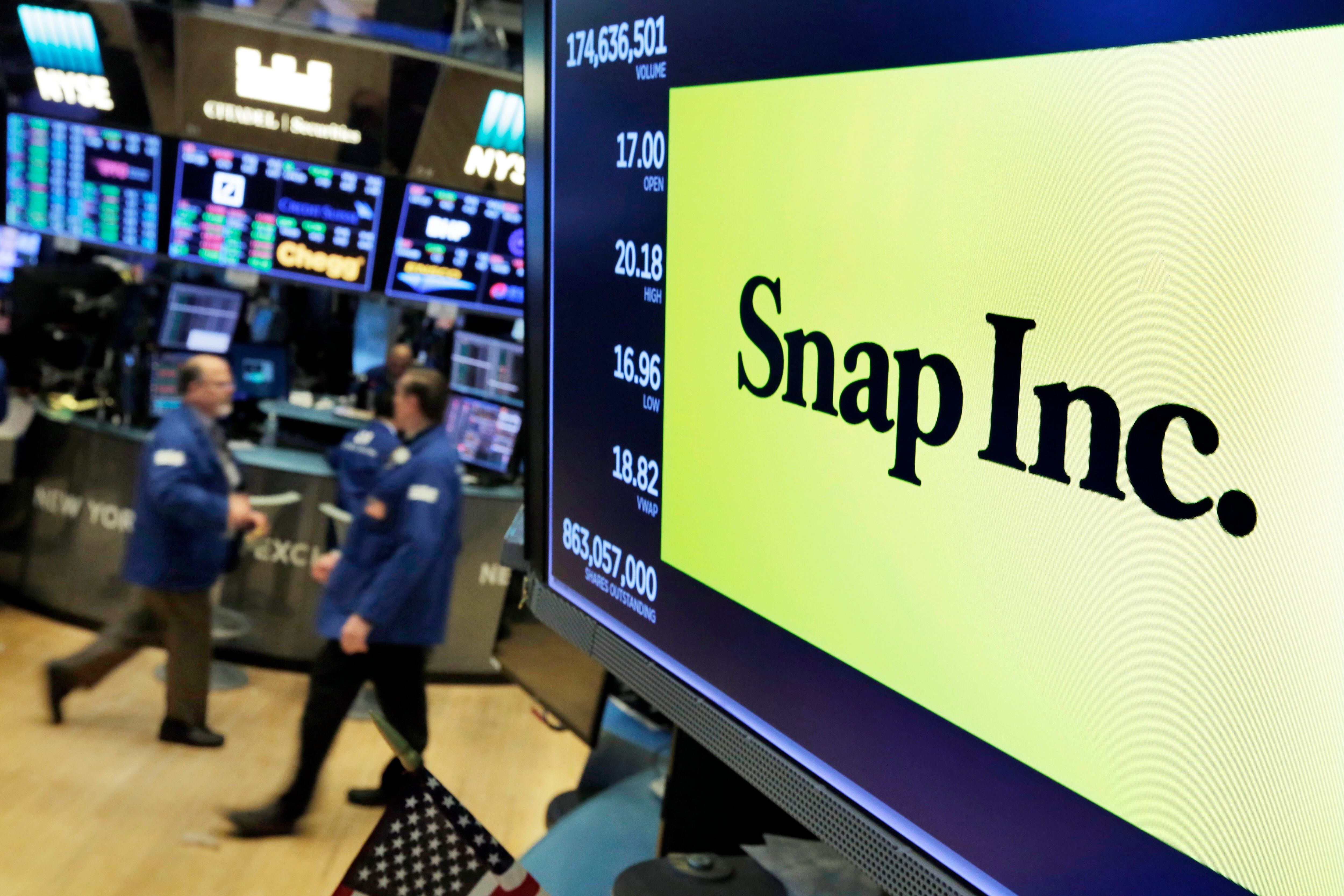
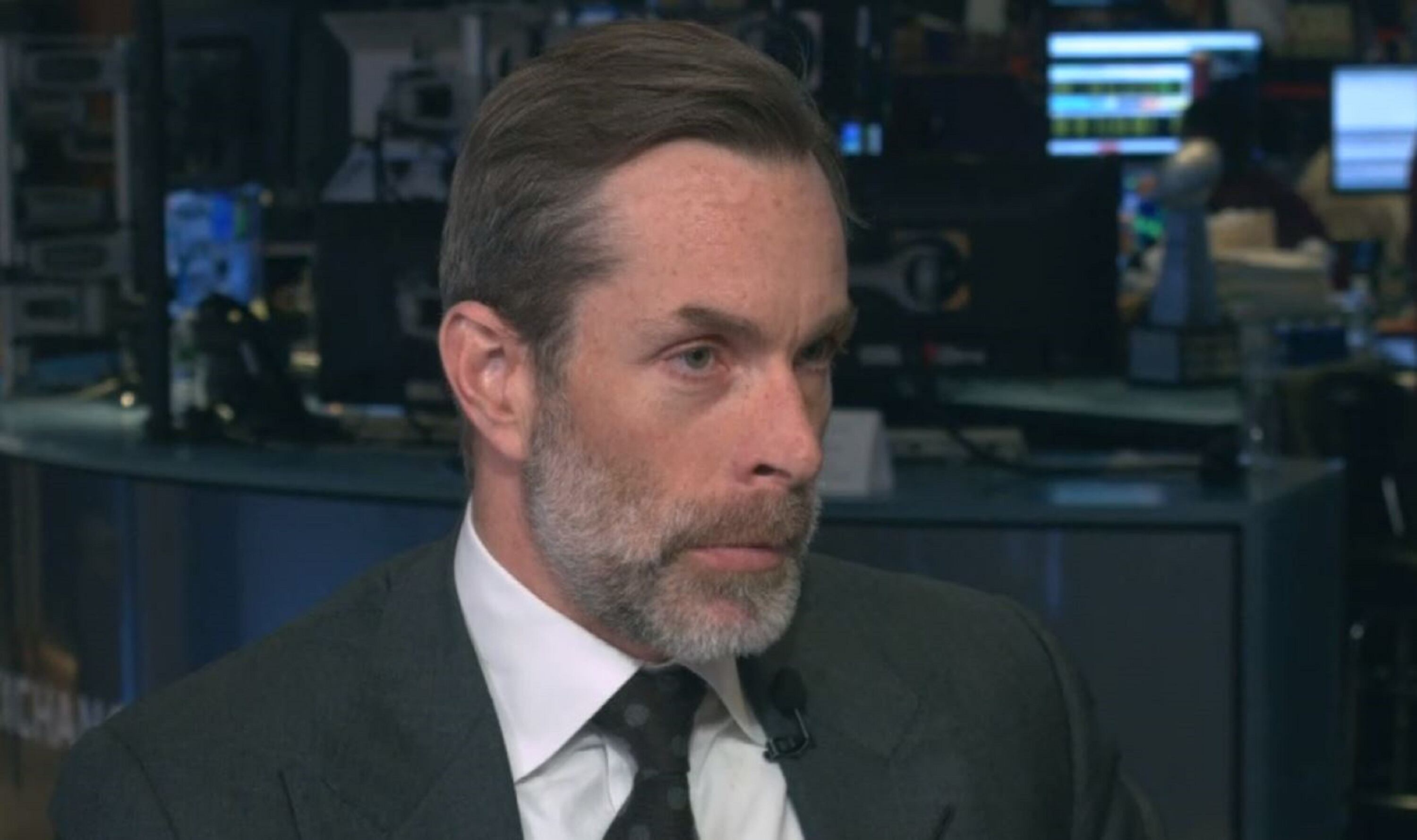
Shares of embattled social media company Snap soared more than 16 percent in extended trading on Tuesday, after beating Wall Street's expectations for its fourth-quarter financial results and reporting relatively stable daily active users year-over-year. Wedbush's Dan Ives said the results showed signs of progress.
Viacom CFO Wade Davis says the company's recent acquisition of Pluto TV gives it a competitive advantage as it vies for consumers in a saturated market."The market for video products has been segmenting for some time now," Davis told Cheddar Tuesday. "With this segmentation, consumers have become a lot more value conscious, and we think that that underscores the opportunity in what we talk about as the free price point."
Blue Hexagon, a company focused on protecting companies from cyberthreats, has raised $31 million from Benchmark Capital and Altimeter Capital, which called the startup's deep learning technology a "game changer" in cybersecurity.
Google parent company Alphabet slipped in extended trading on Monday after the FAANG stock beat Wall Street expectations on its top and bottom lines, but cost-per-click ー or the amount Google charges advertisers when an ad gets clicked ー fell 29 percent on Google properties.