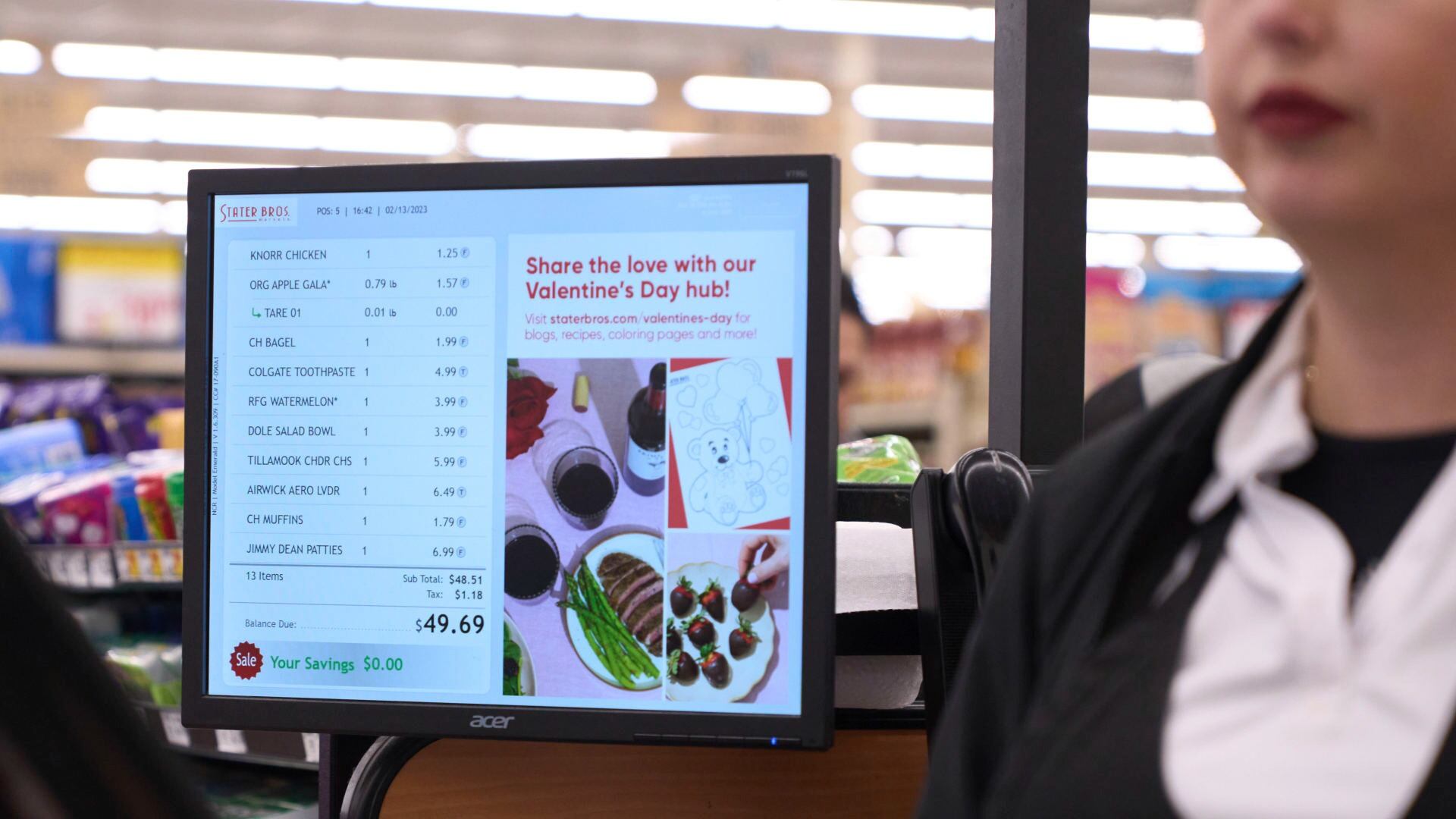
The Crazy Amount of Money America Spends on Valentine's Day
Americans are expected to spend a near-record $20 billion this Valentine's Day, but what are they shelling out all that money for? Lisa Rowan, Writer at The Penny Hoarder, joins Your Cheddar to discuss how you can keep the love in your wallet this Valentine's Day.
If you can believe it, Americans will spend $4.7 billion on jewelry, $3.7 billion on an evening out, $2 billion on flowers and $1.8 billion on candy! But because of supply and demand, a lot of the usual Valentine's Day gifts go up in price. Rowan says you may want to avoid going to a restaurant or booking a hotel room for a romantic evening because prices could increase up to 30%.
So what should you do if you don't want to break the bank but still want to give your partner a little something? Rowan suggests thinking about what their hobbies are and aligning with something they love to do. Maybe its a smaller gesture, but it will mean more than flowers or candy.
In line with a Biden administration proposal, pharmaceutical giant Eli Lilly is cutting the price of its most commonly prescribed insulins by 70 percent and capping out-of-pocket costs at $35 or less per month.
Demand for mortgage loan applications fell 5.7 percent in the last week of February, according to a survey from the Mortgage Bankers Association (MBA).
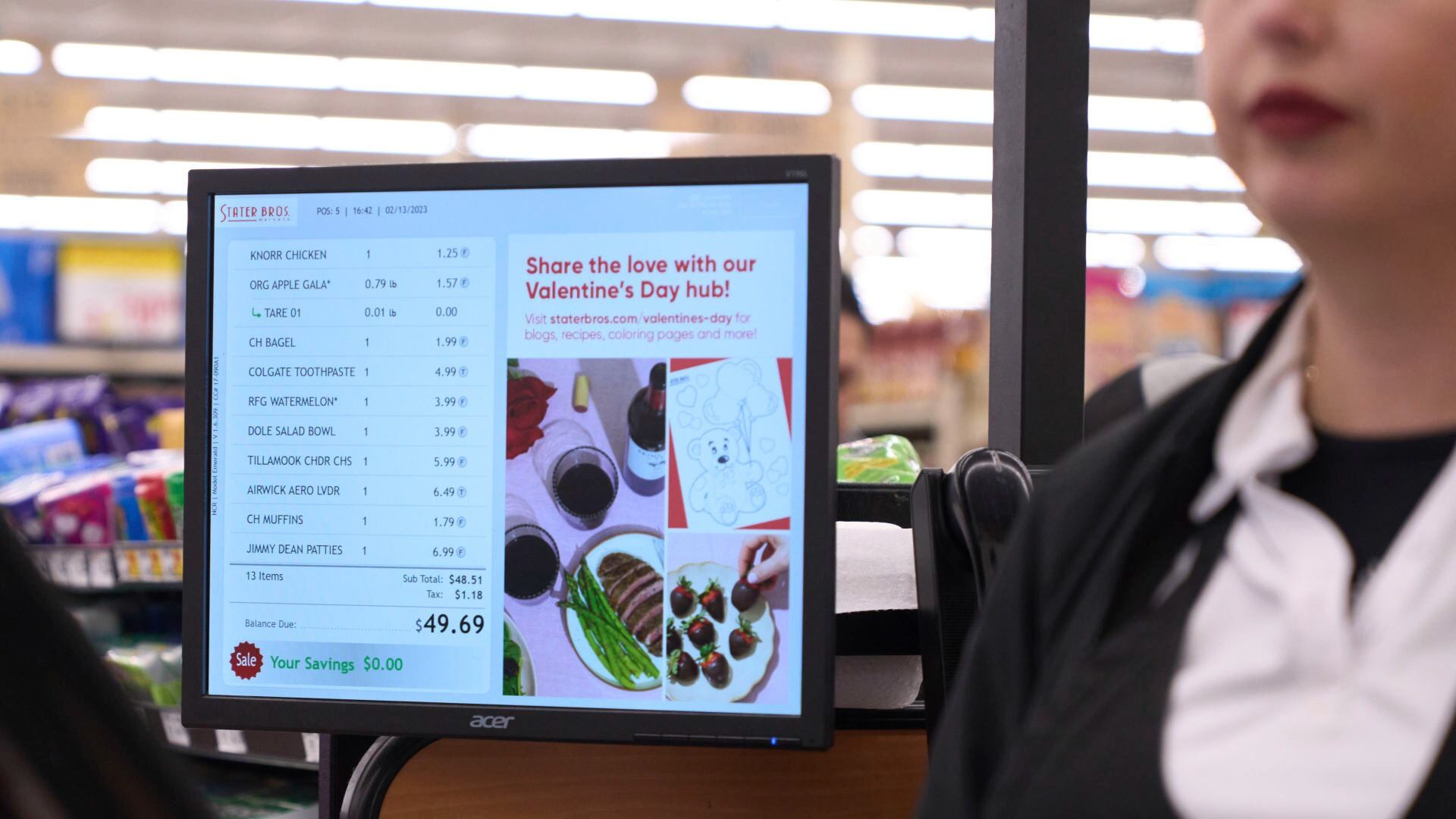
A large cross-section of Americans is at risk of falling below the poverty line as the program that provided more than 32 million people with extra SNAP benefits during the pandemic is set to end. Families received at least $95 extra per month to spend on food.
The Black Innovation Alliance is working to empower Black entrepreneurs and recently received a $3 million commitment from UBS to help with resources. Ifeoma Ike, director of policy and movement strategy with the Black Innovation Alliance, joined Cheddar News to explain further the organization's mission.
Shana Sissel, president & CEO of Banrion Capital Management, joined Cheddar News to discuss another down day on the last session of the month in trading as inflation, a restricted monetary policy, and layoffs continue to affect markets.